



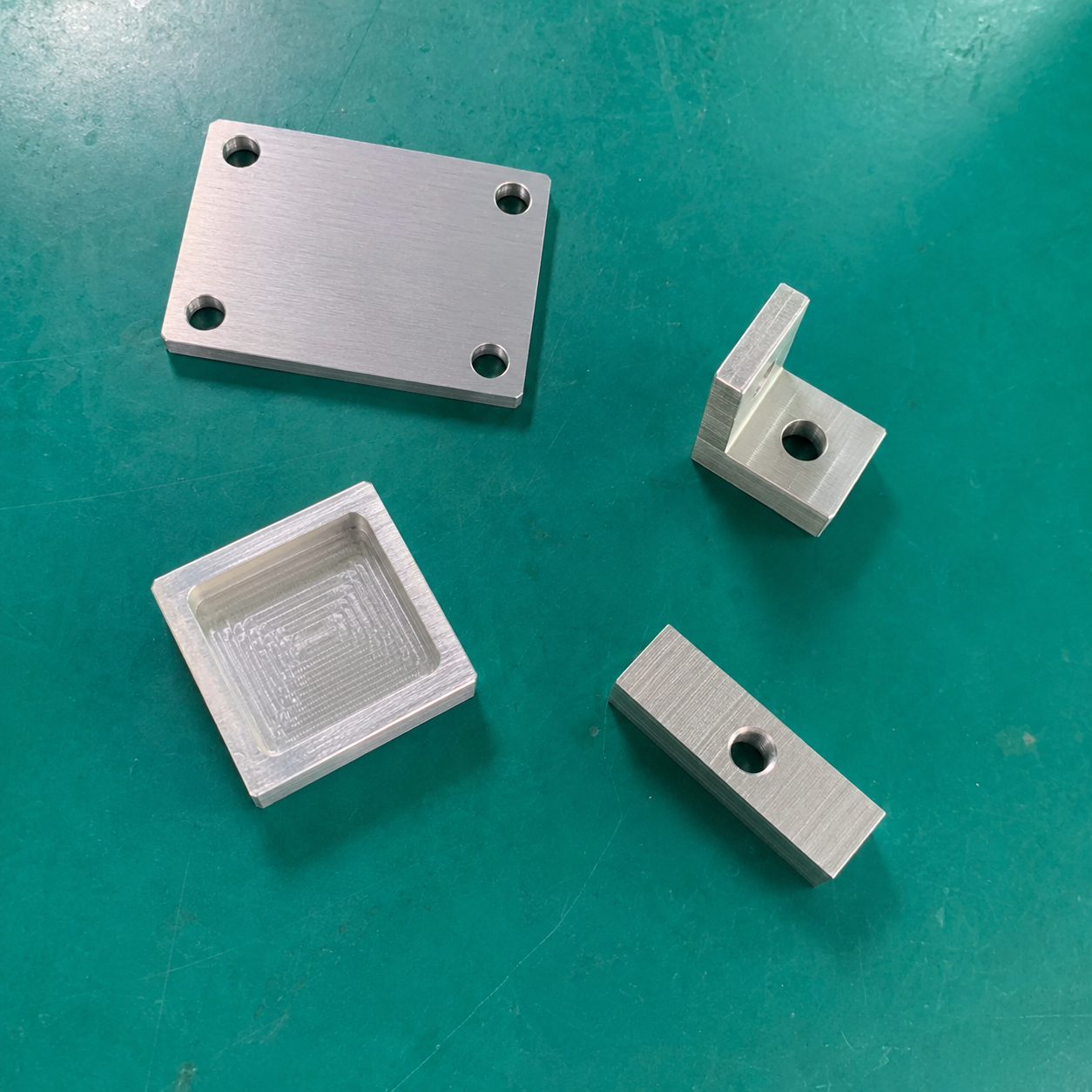
Aluminum is lightweight yet strong, with excellent machinability and corrosion resistance. Ideal for aerospace and automotive parts.
Alloys
| ✔ Aluminum 6061 | ✔ Aluminum 6063 |
| ✔ Aluminum 5052 | ✔ Aluminum 6082 |
| ✔ Aluminum 5083 | ✔ Aluminum 7075 |

OSM provides precision CNC milling services in Vietnam for prototypes and production parts. High quality, fast turnaround, and competitive pricing.
An NDA Can Be Signed If Needed Before The RFQ.



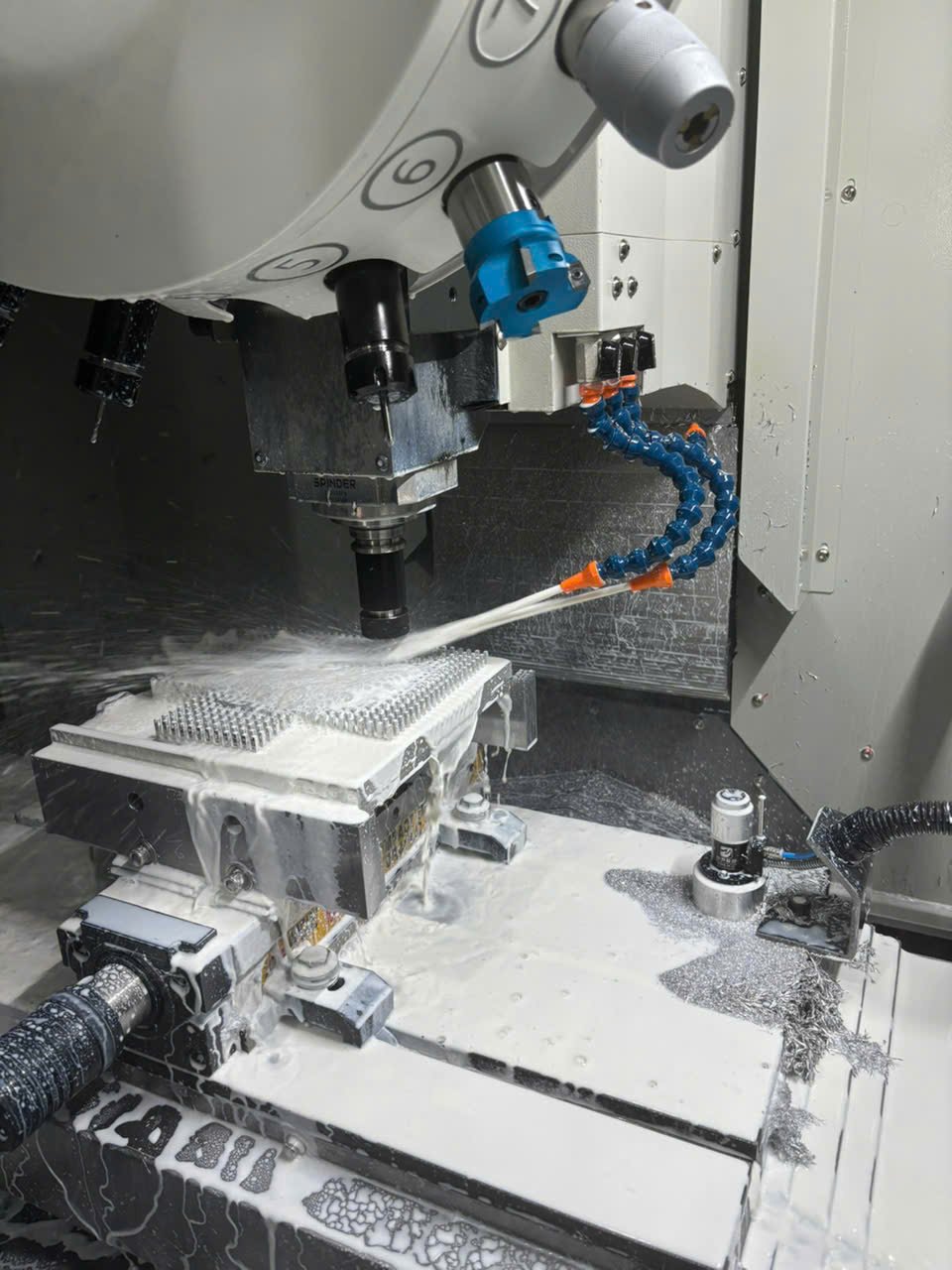
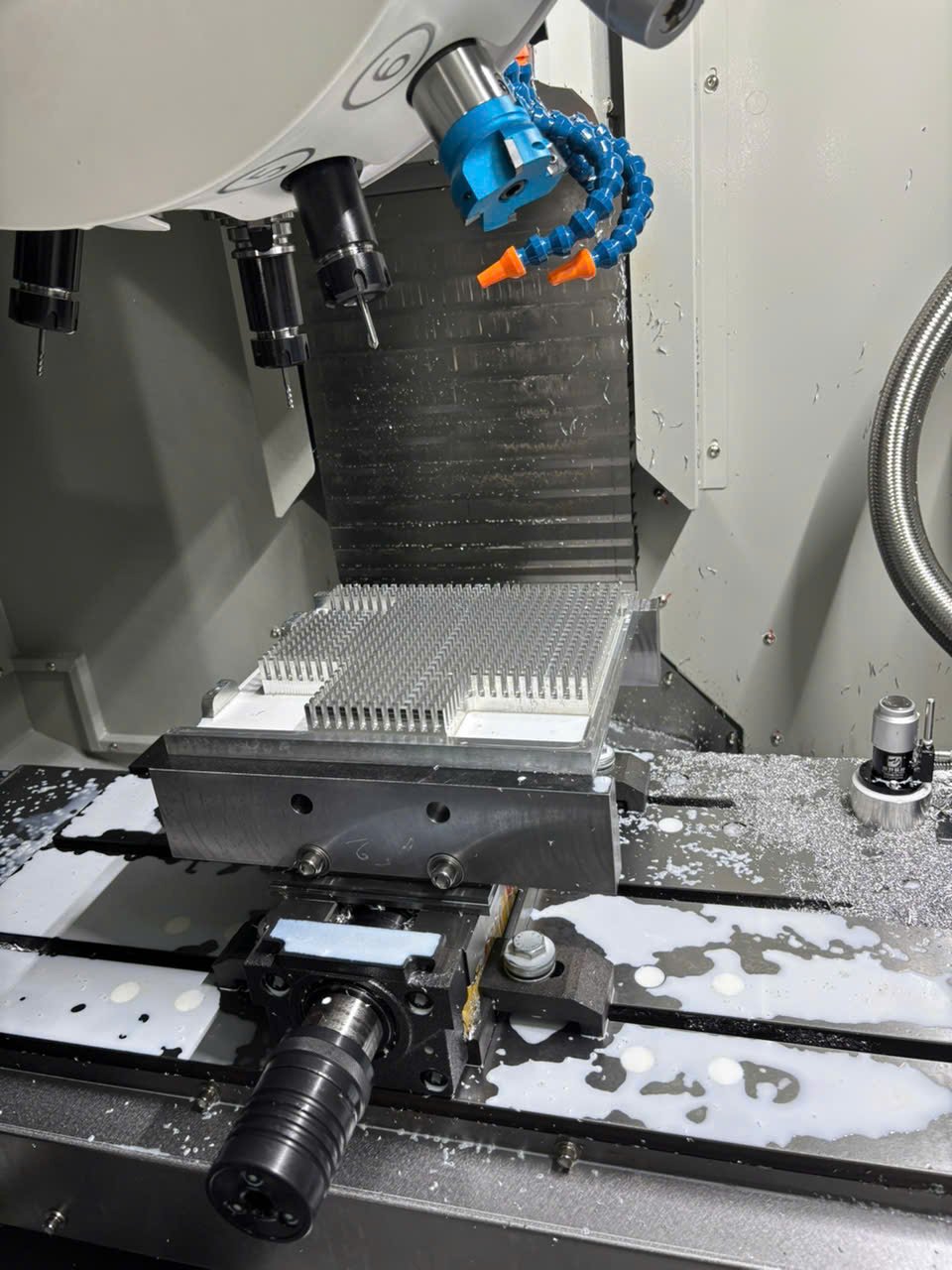
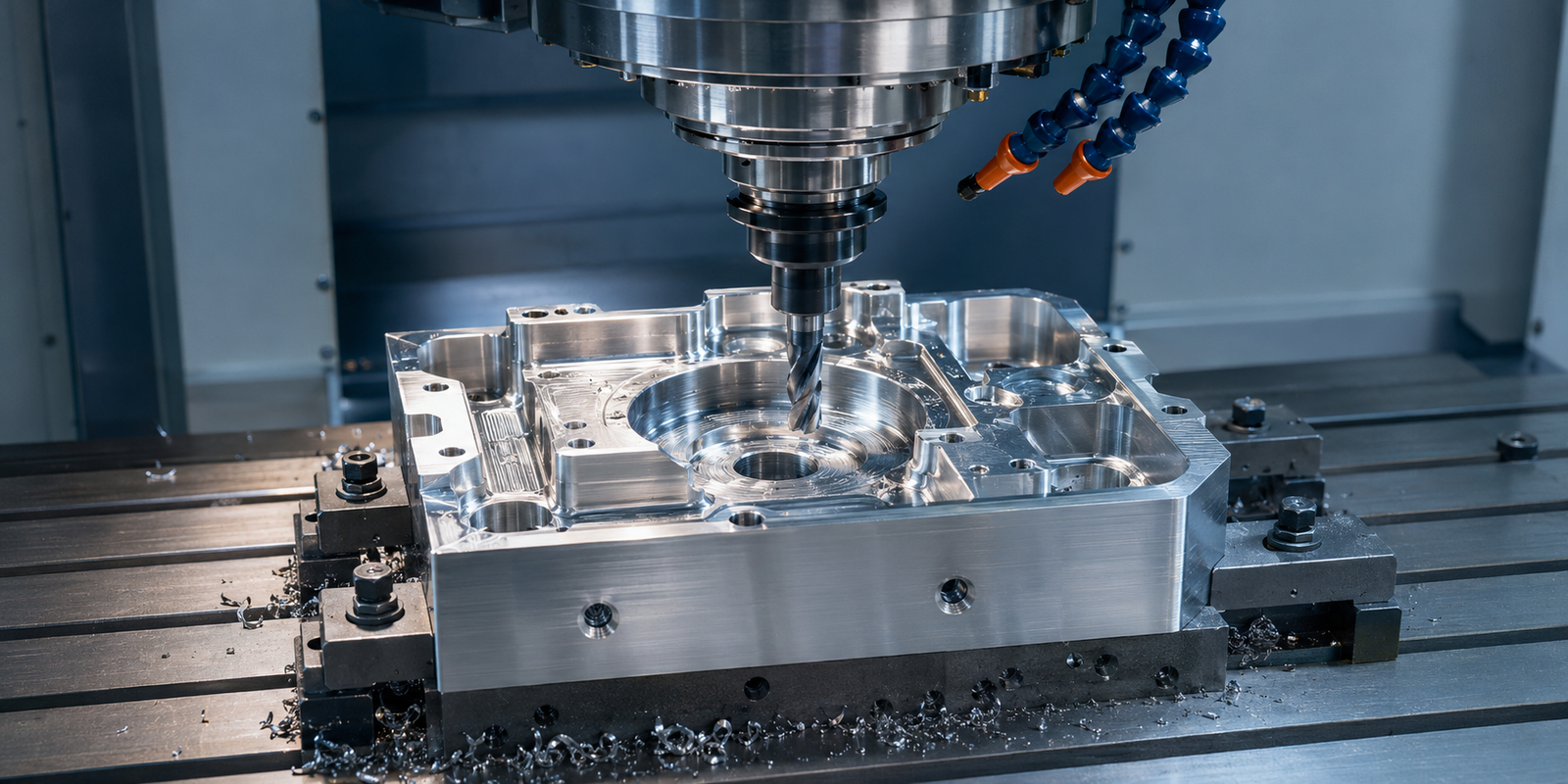
Ideal for precision parts with prismatic features, flat surfaces, and complex contours.
High accuracy, repeatability, and excellent surface finish.
Get A Quote Now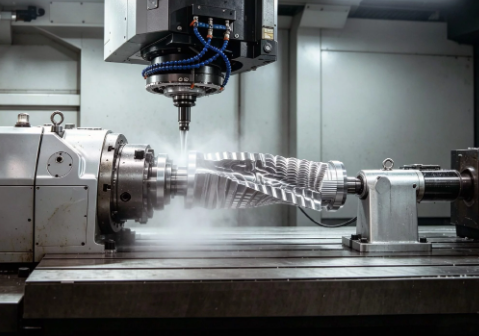
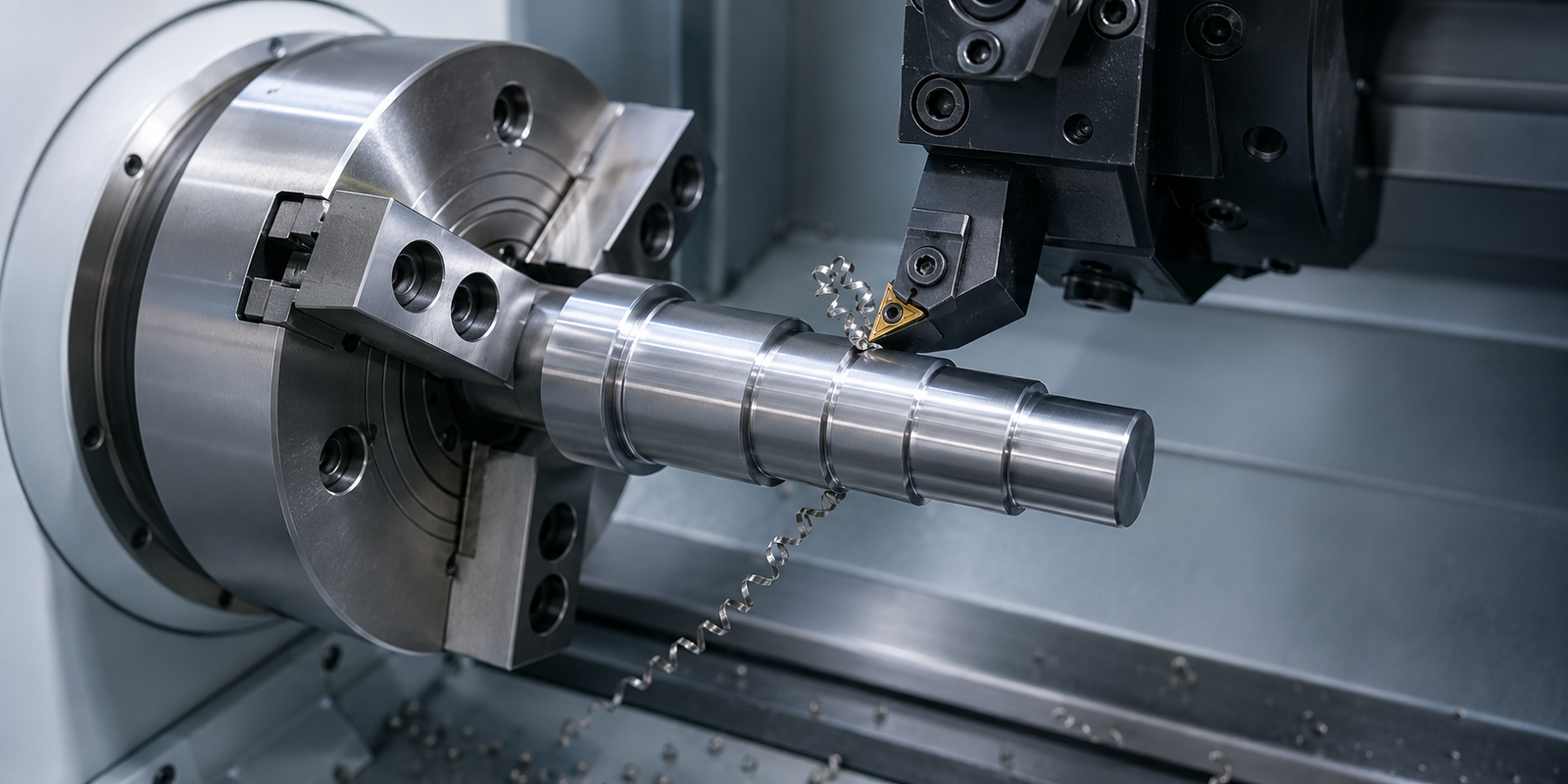
Enables machining of complex geometries in fewer setups with improved accuracy and part accessibility.
Ideal for curved surfaces, helical features, and multi-sided parts.
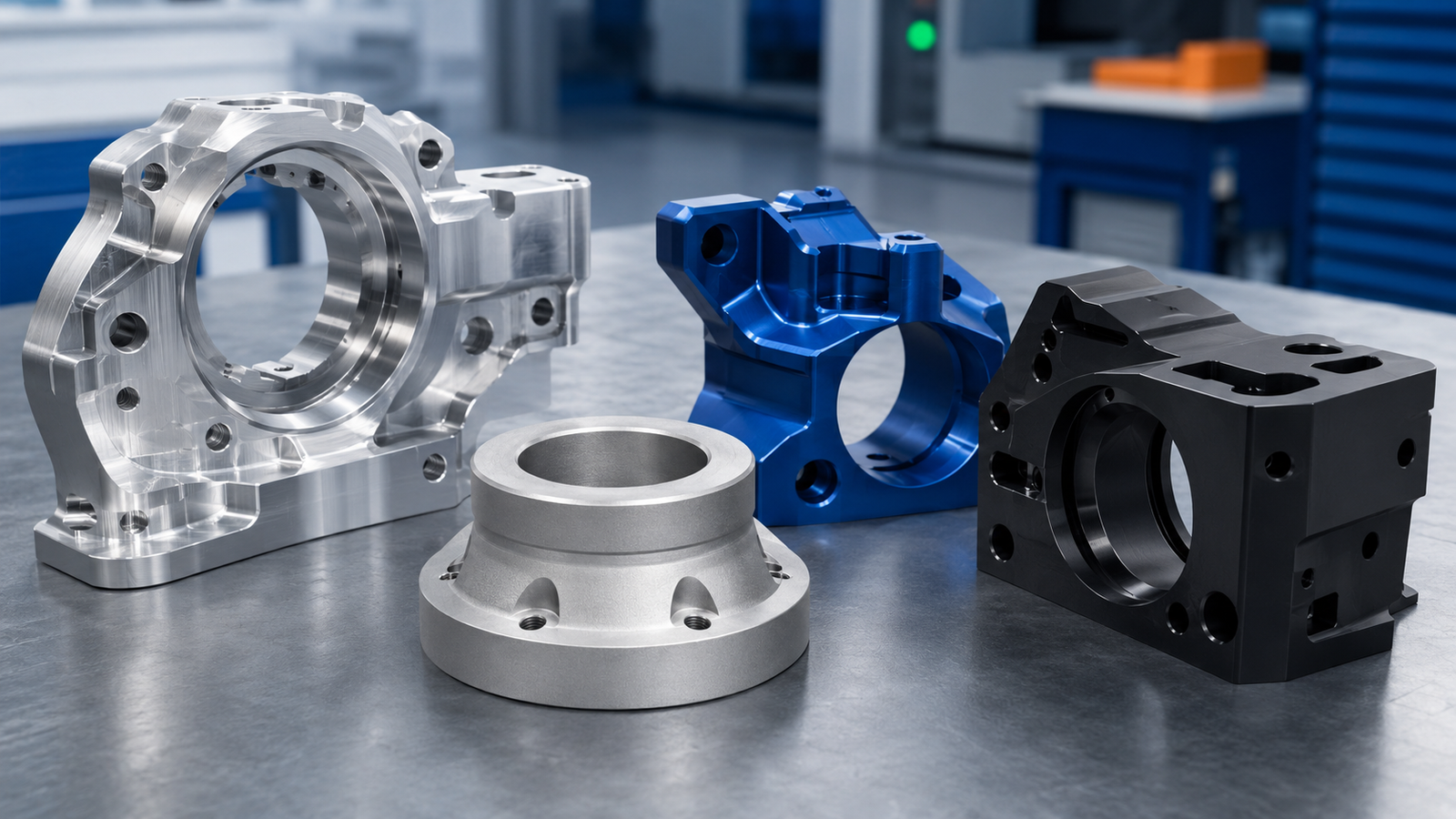
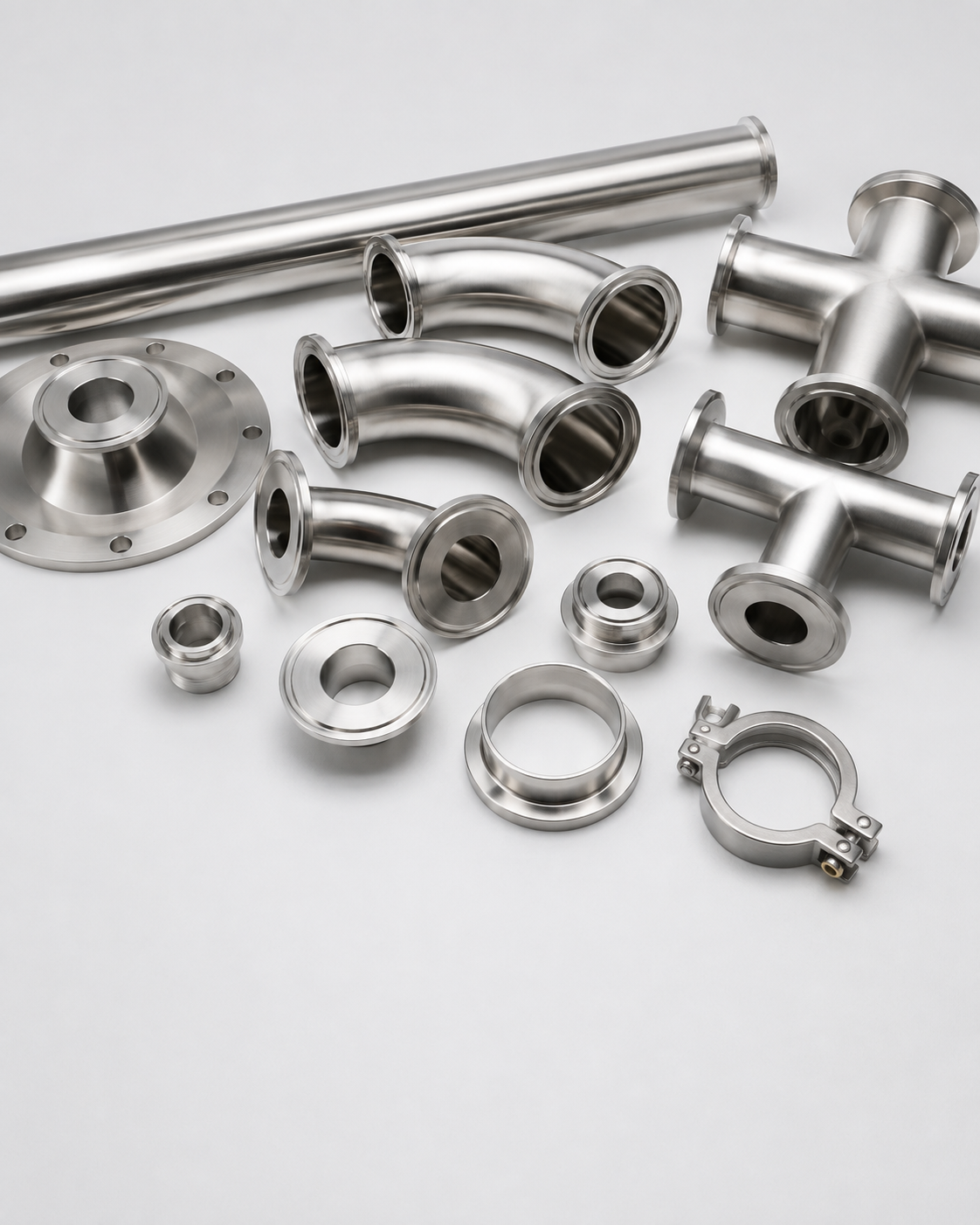
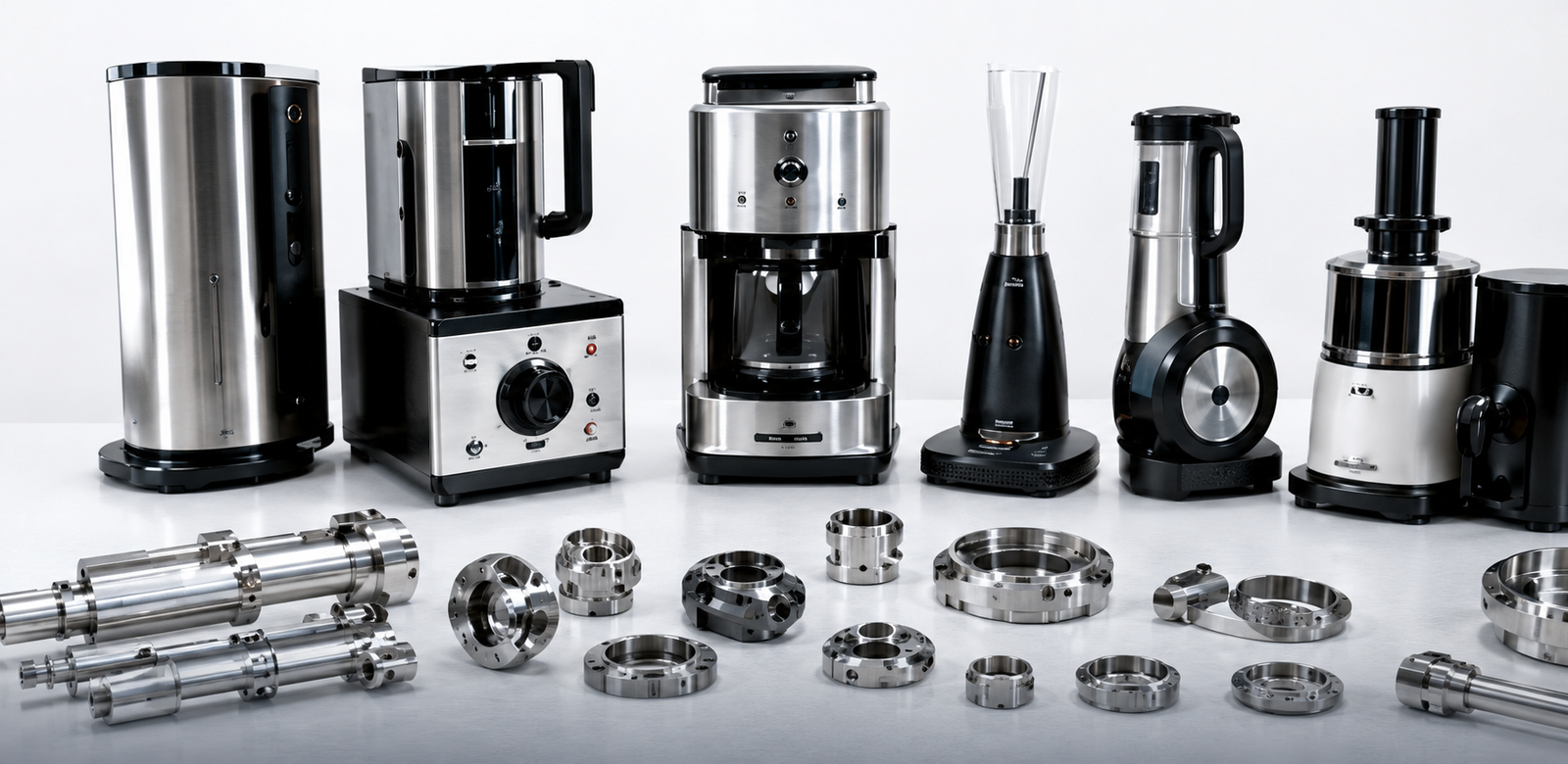
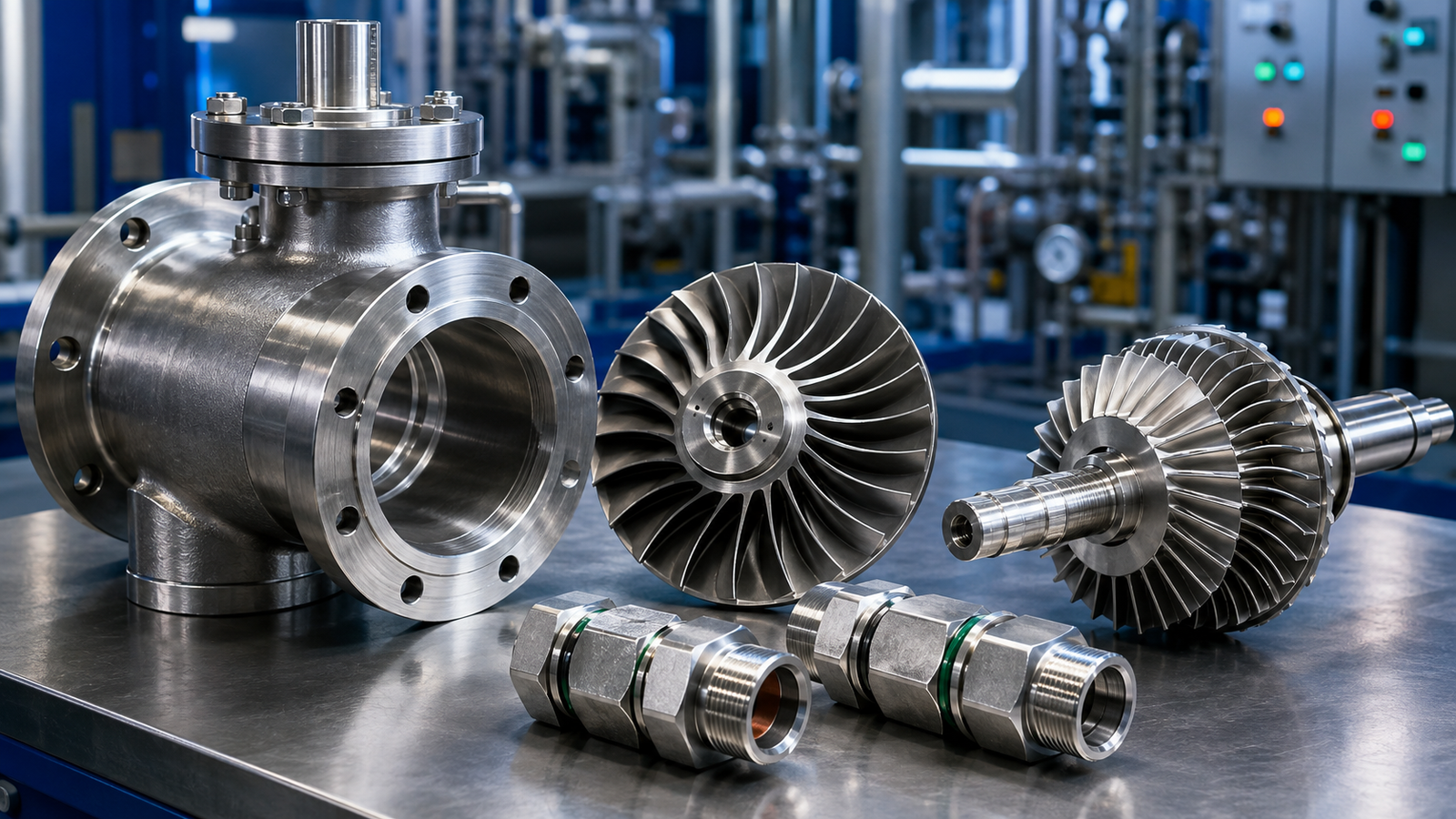
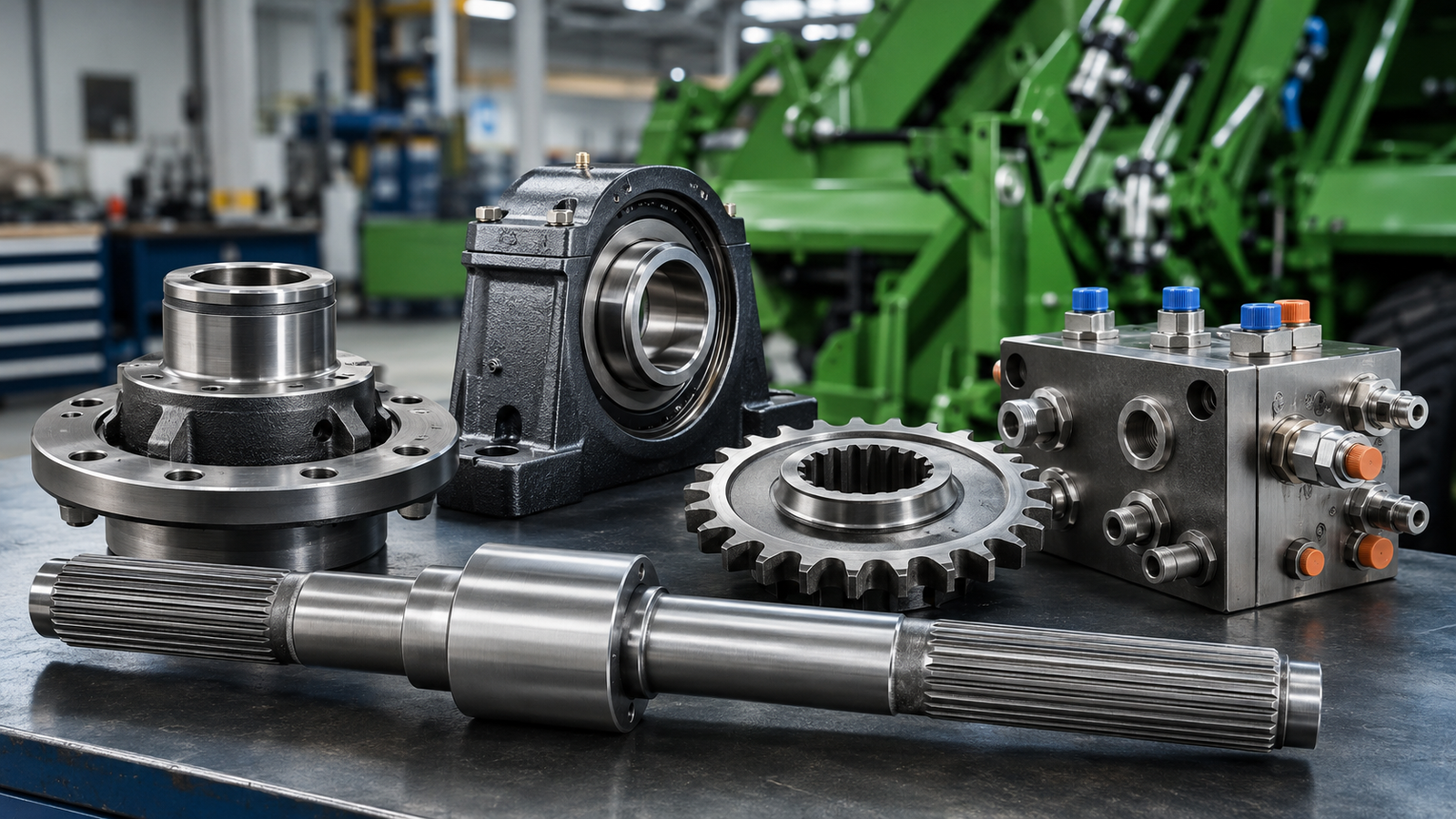
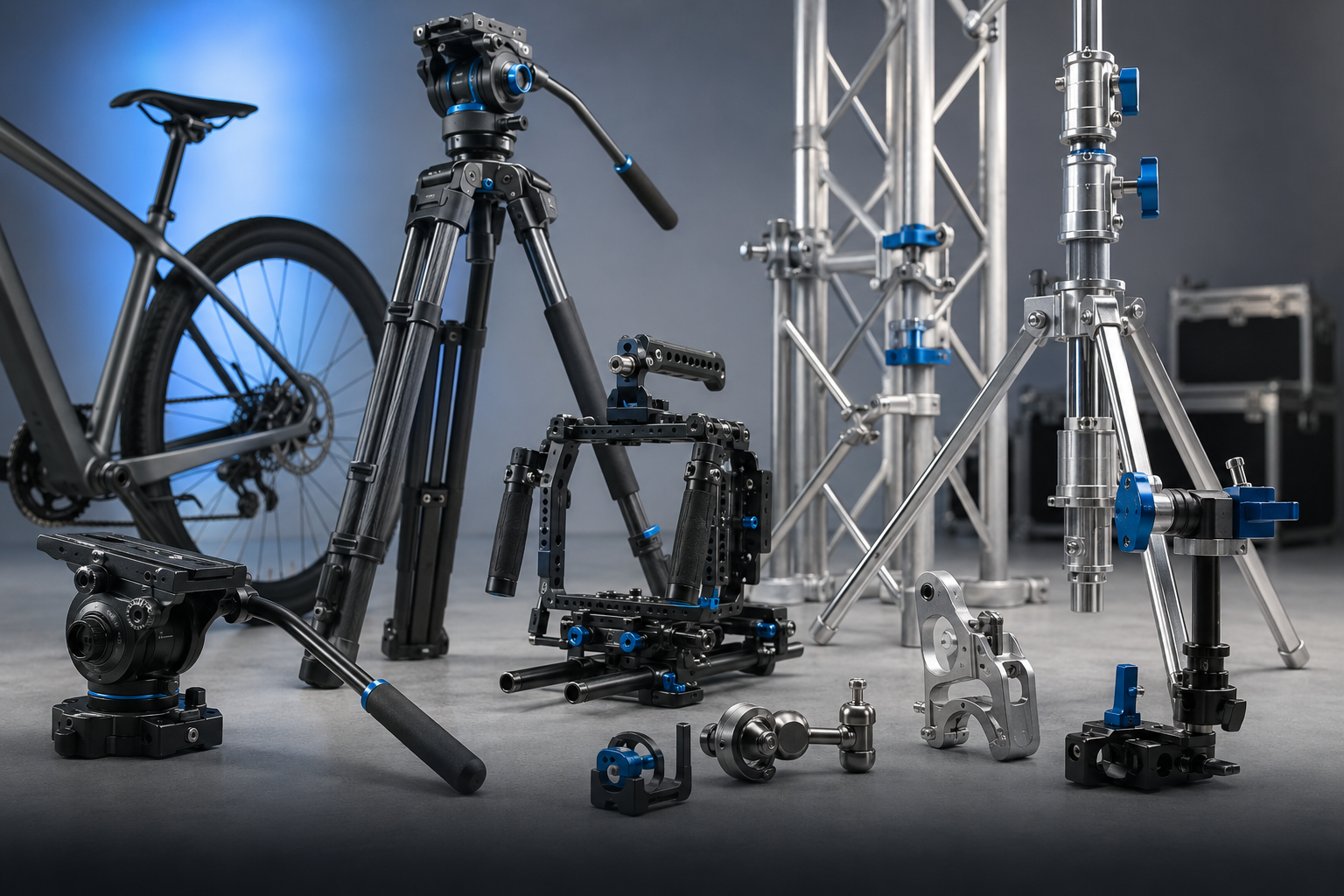
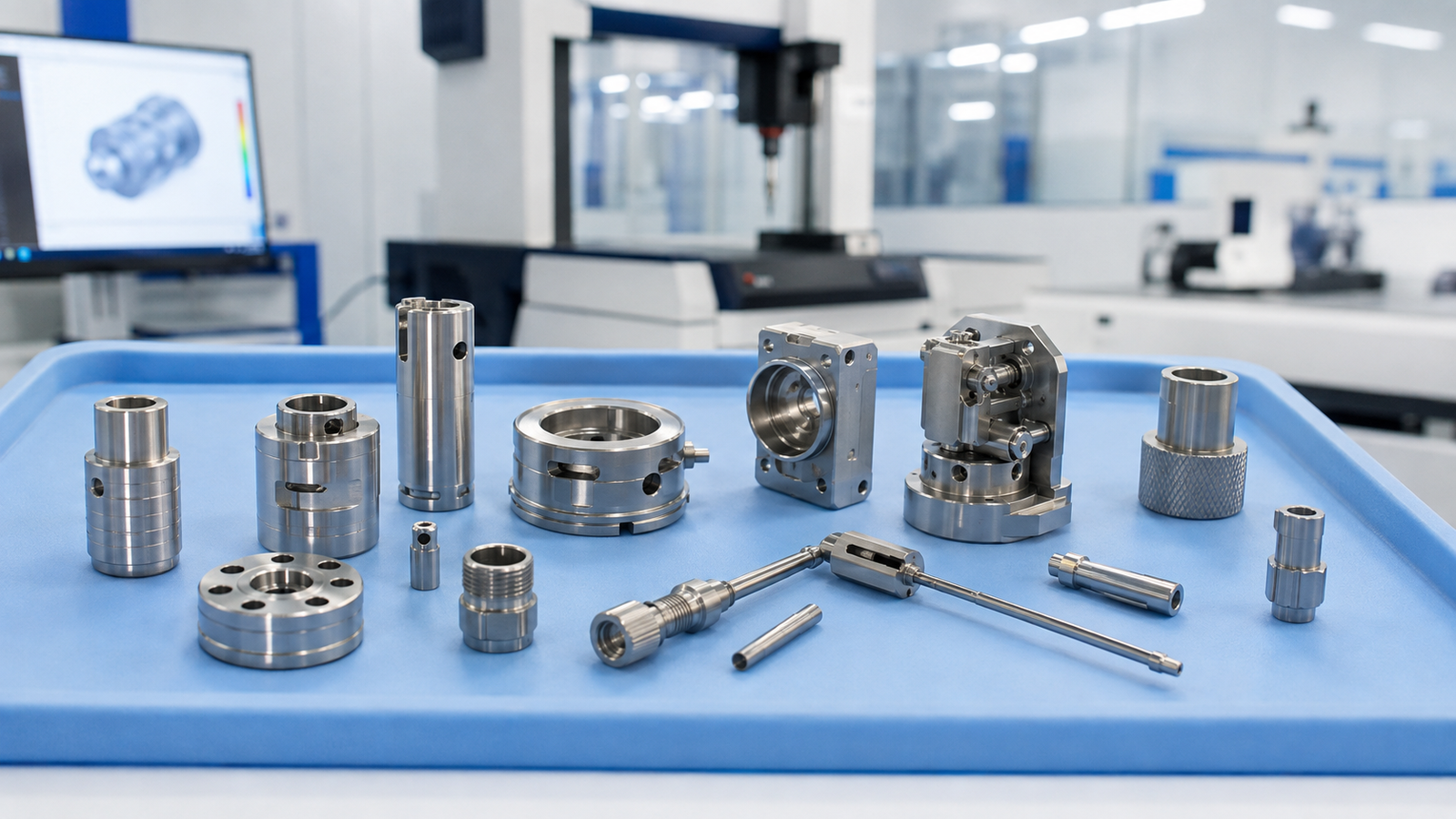
Get A Quote NowOSM provides CNC milling services in Vietnam for a wide range of industries, helping customers produce precision components from prototypes to mass production. Our engineering team understands the specific requirements of each application — from lightweight aerospace structures and medical devices to automotive systems and industrial equipment — and recommends machining solutions that balance performance, manufacturability, and cost.
✔ Vacuum Systems
✔ Commercial
✔ Consumer Products
✔ Energy
✔ Agricultural Machinery
✔ Recreational Equipment
✔ Medical
✔ Communication
✔ Food & Beverage

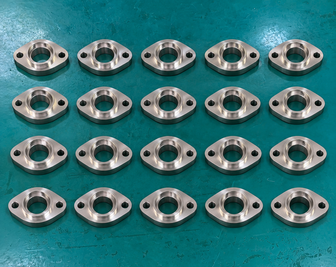
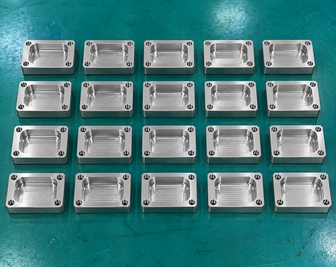

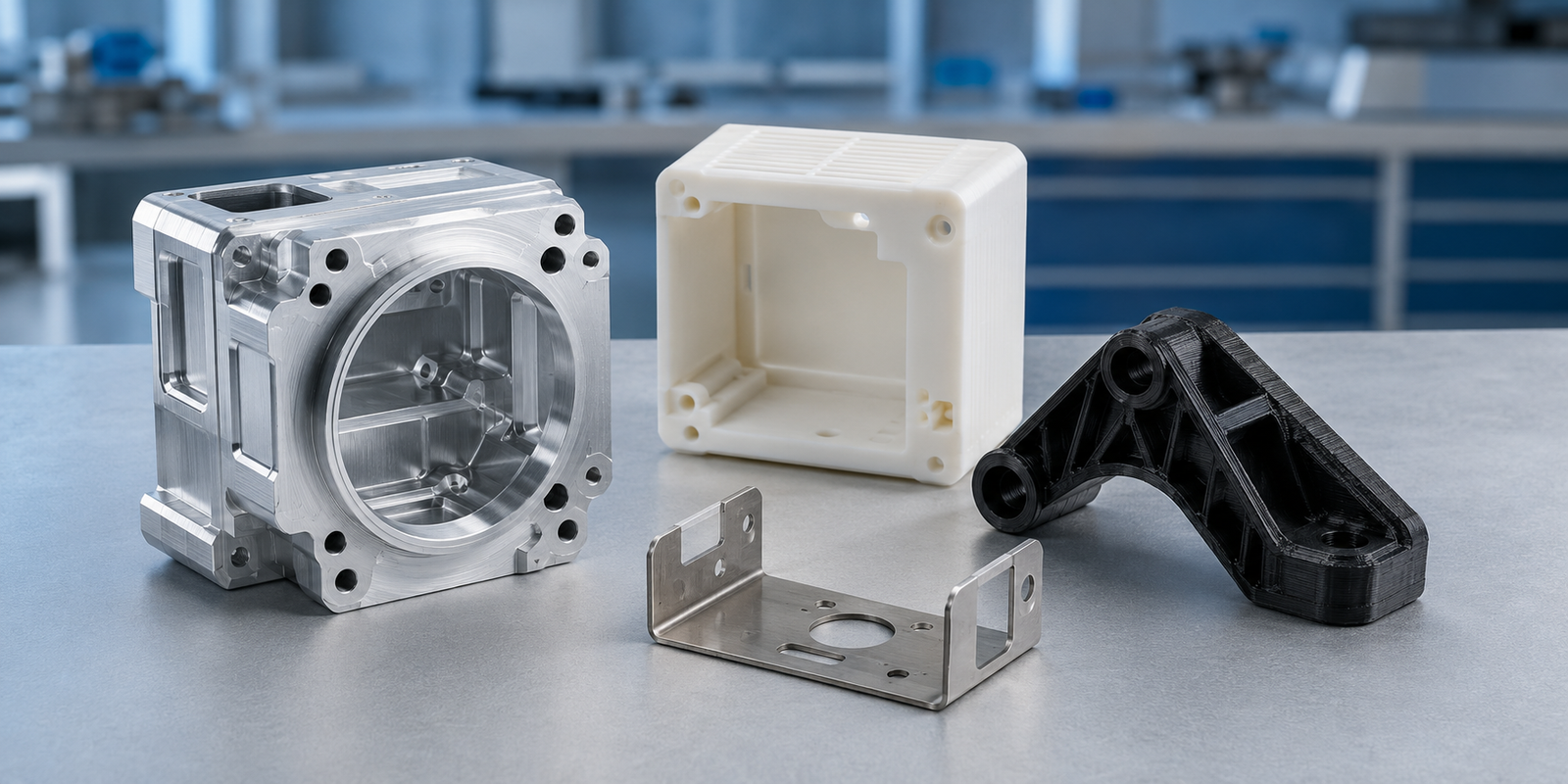
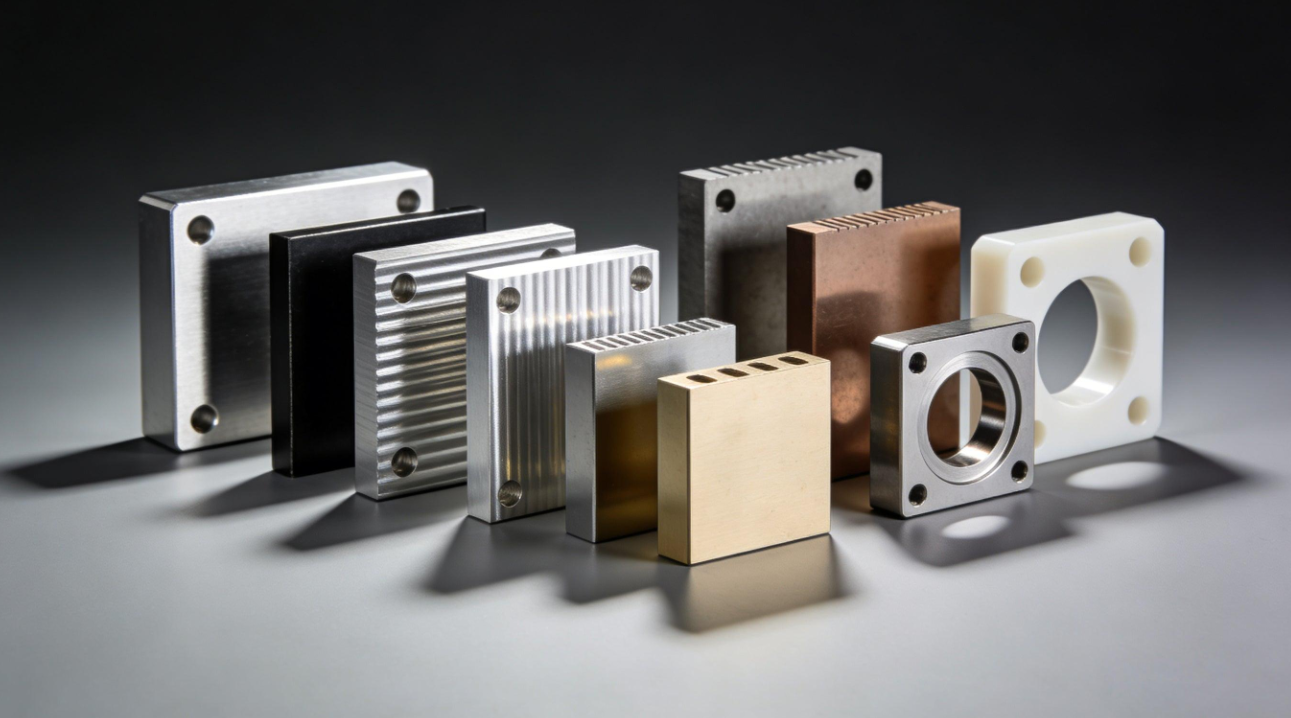
OSM provides CNC milling services for a wide range of metals and plastics to meet your requirements for material strength, weight, surface finish, temperature resistance, and cost. Whether you need aluminum prototypes, stainless steel components, or engineering plastic parts, our team can help you select the right material for your design and production goals. For detailed material properties and available grades, explore our complete CNC machining materials guide.
Aluminum is lightweight yet strong, with excellent machinability and corrosion resistance. Ideal for aerospace and automotive parts.
Alloys
| ✔ Aluminum 6061 | ✔ Aluminum 6063 |
| ✔ Aluminum 5052 | ✔ Aluminum 6082 |
| ✔ Aluminum 5083 | ✔ Aluminum 7075 |

Copper is known for its superior electrical conductivity and thermal properties, making it perfect for electrical components and heat exchangers.
Alloys
| ✔ C1100 | |
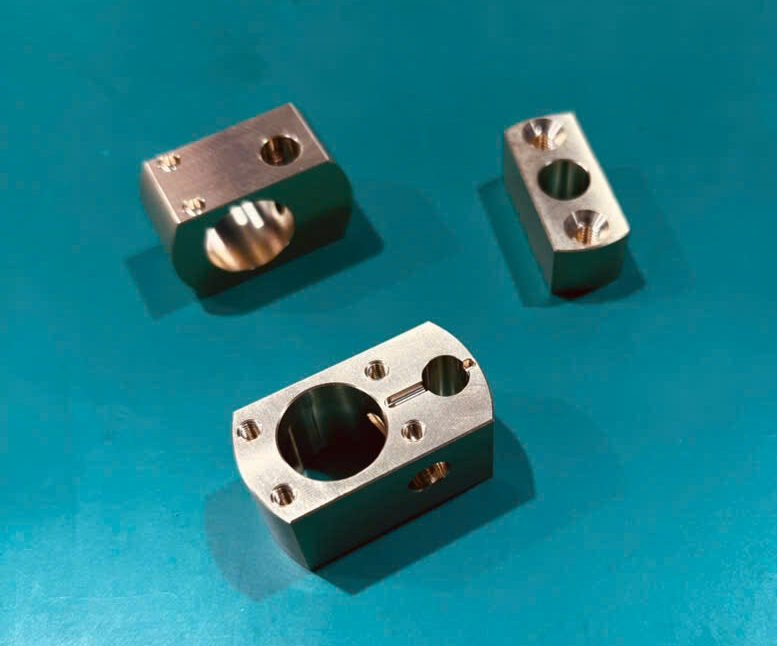
Brass is durable and has a low friction coefficient, which makes it suitable for fittings, tools, and musical instruments that require precision.
Alloys
| ✔ C3604 | |

Steel is an alloy with high tensile strength and durability, commonly used in construction and automotive industries for its robustness.
Alloys
| ✔ SS400 (A36) | ✔ S45C (1045) |
| ✔ SCM420 (8620) | ✔ S50C (1050) |
| ✔ SCM440 (4140) | ✔ SKD11 (D2) |
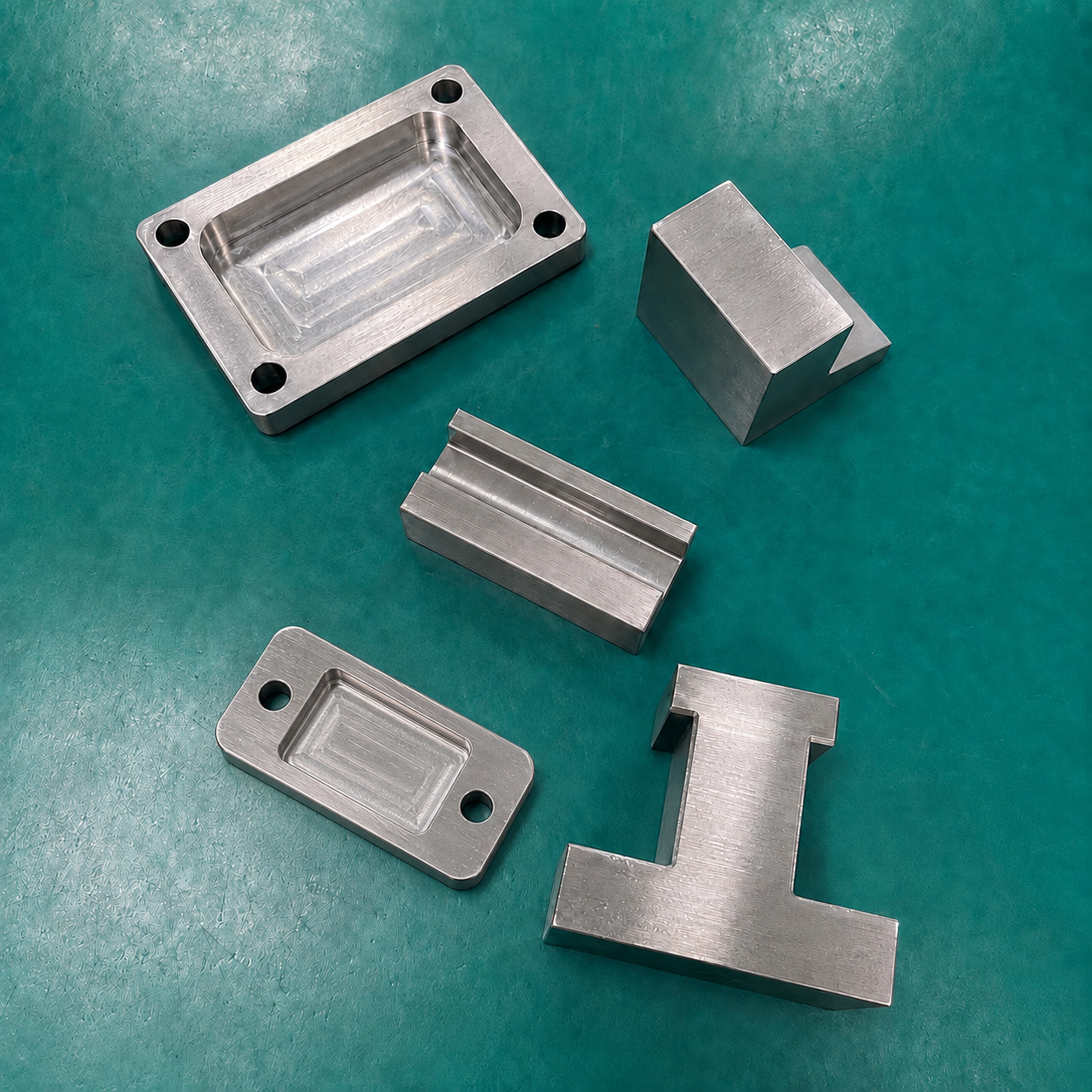
Stainless steel is renowned for its corrosion resistance, making it a prime choice for medical devices and food processing equipment.
Alloys
| ✔ SUS201 | ✔ SUS303 |
| ✔ SUS304 | ✔ SUS304L |
| ✔ SUS316 | ✔ SUS316L |

POM is strong, with a low friction surface and good dimensional stability, perfect for precision parts in mechanical applications.
| ✔ POM Black | ✔ POM White |
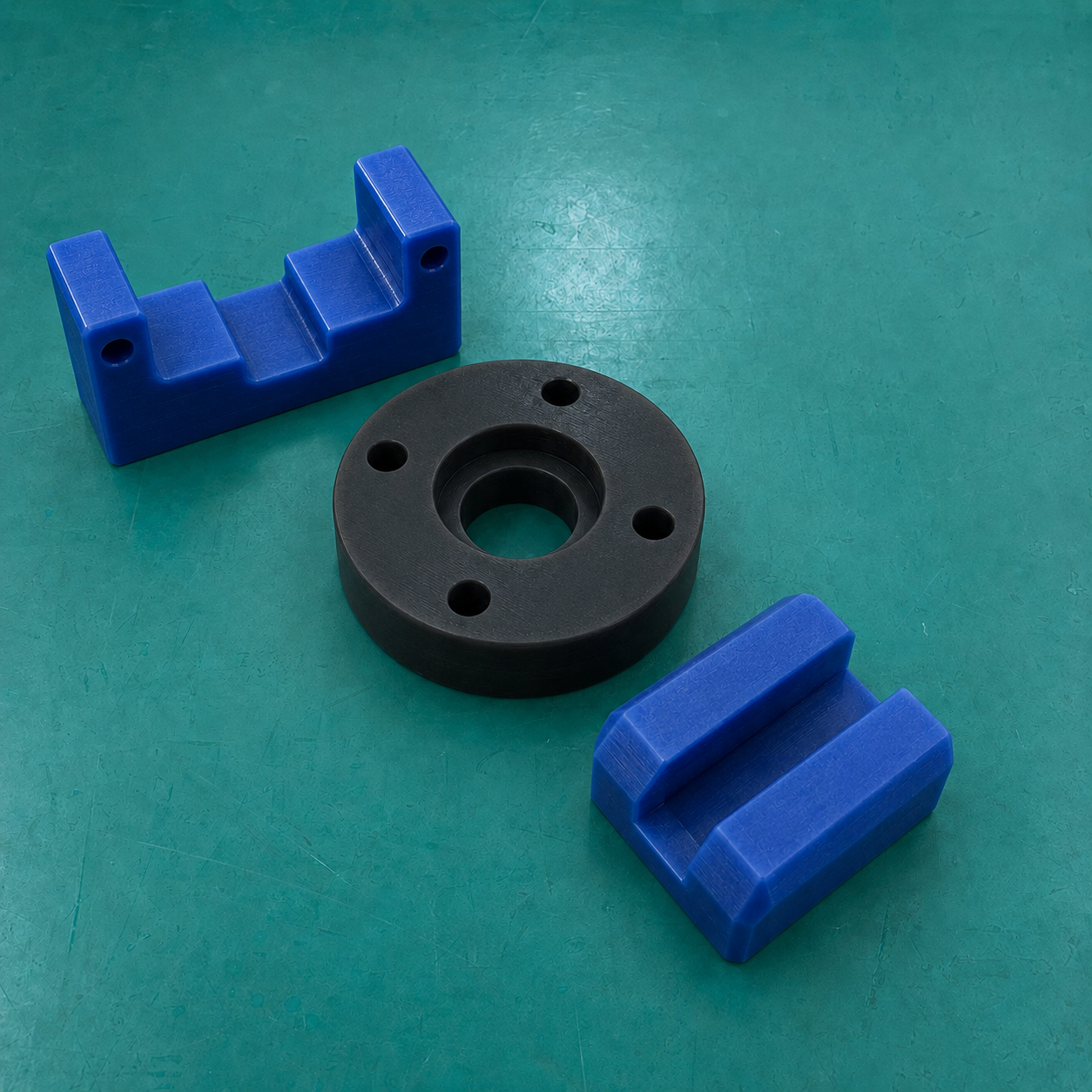
Nylon is versatile, strong, and wears well against friction, commonly used for gears, bearings, and other wear-resistant surfaces.
| ✔ PA(Nylon) Blue | ✔ PA6 (Nylon) Black |

PEEK is renowned for its high temperature resistance and strength, often used in aerospace and medical implant manufacturing.
| ✔ PEEK Beige(Natural) | ✔ PEEK Black |
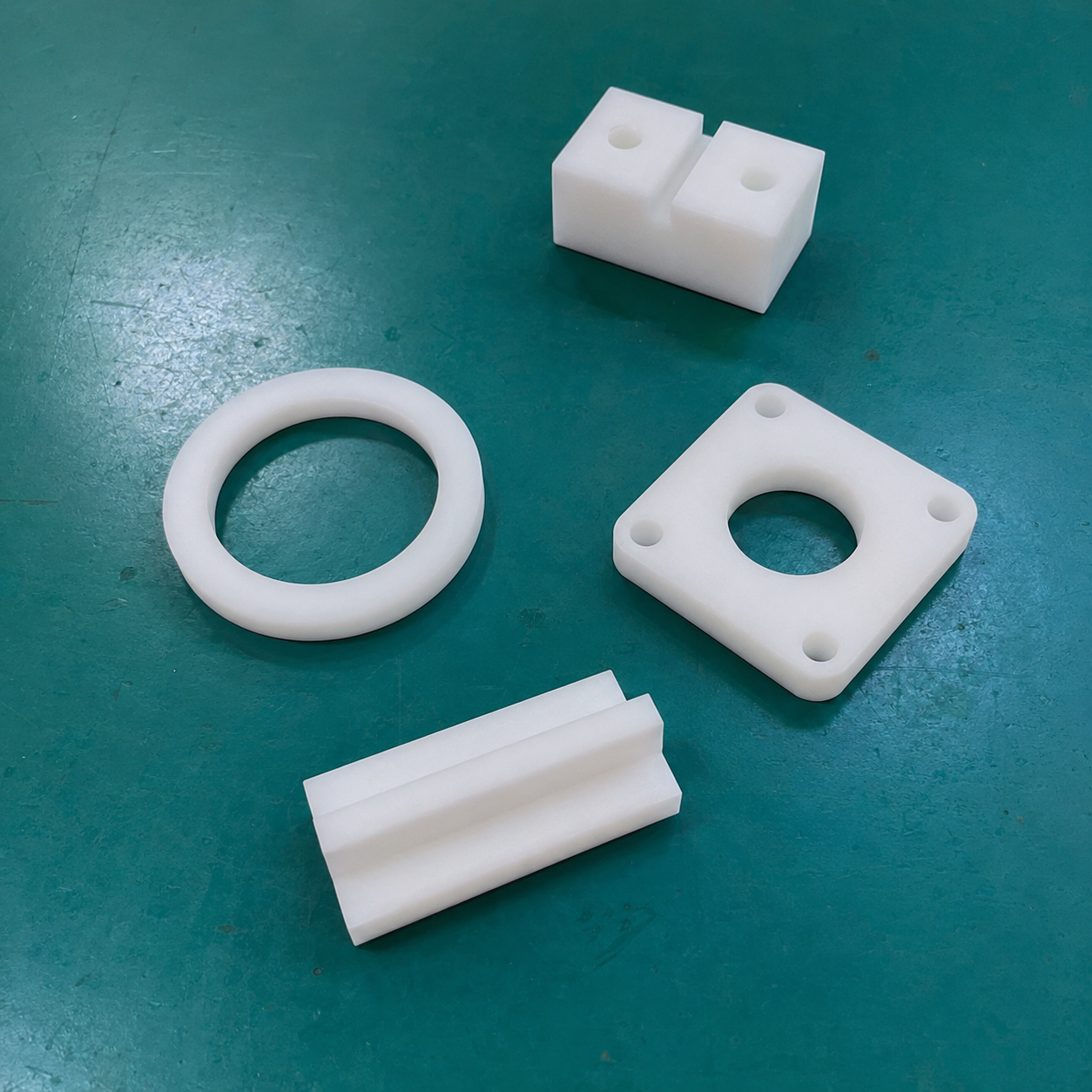
PTFE is known for its outstanding chemical resistance and low friction, making it perfect for non-stick coatings and gaskets.
| ✔ Teflon (PTFE) Black | ✔ Teflon (PTFE) White |
Bakelite is heat resistant and electrically non-conductive, perfect for electrical insulators and radio and telephone casings.
| ✔ Bakelite Orange | |
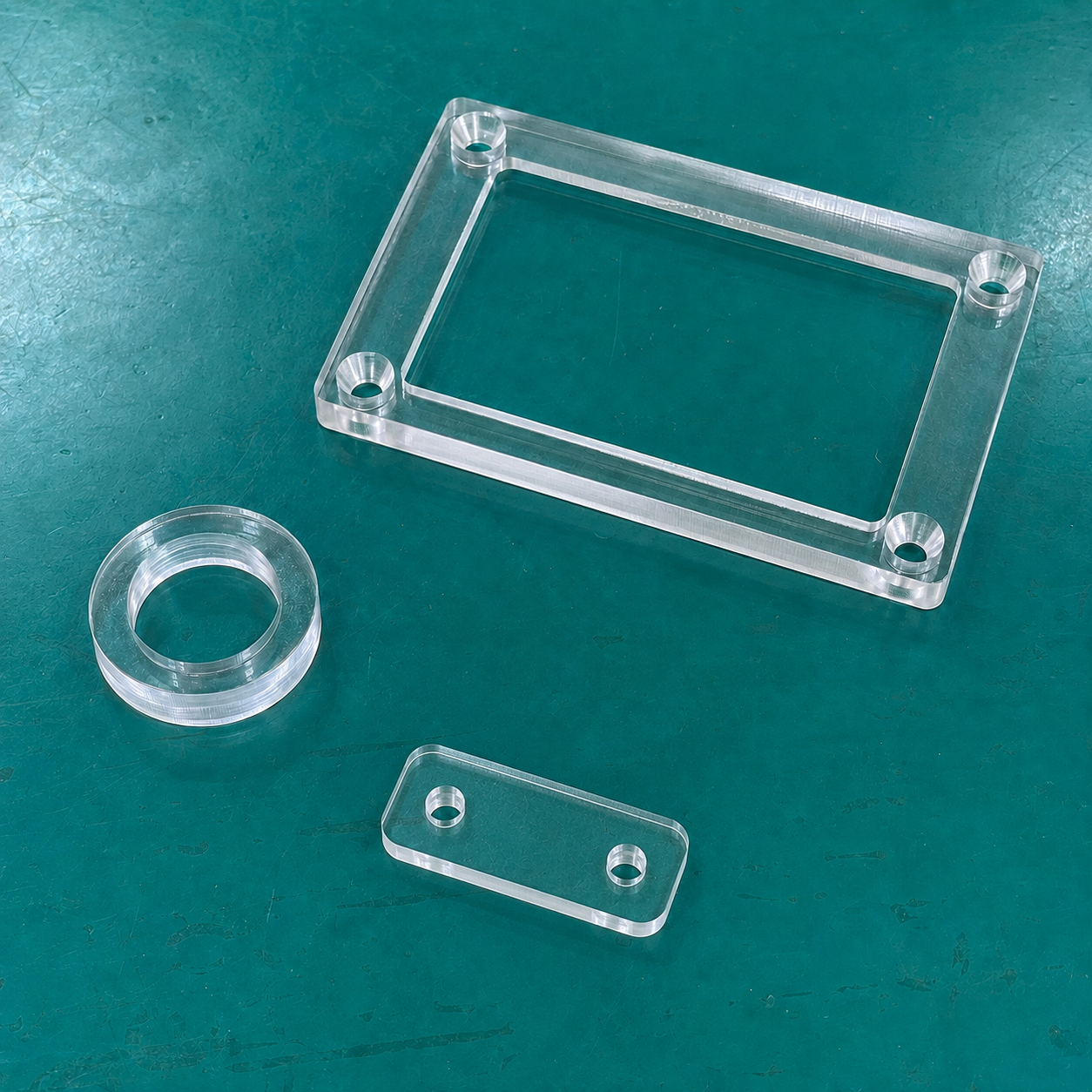
PMMA, or acrylic, is known for its crystal clarity and weather resistance, making it ideal for outdoor fixtures and display cases.
| ✔ PMMA (Acrylic) Transparent | |
The right surface finish enhances the performance, appearance, and longevity of your CNC milled parts. Choose the finish that best meets your functional and aesthetic requirements.
As machined finish leaves the surface straight from the CNC machine, providing a cost-effective option with tool marks.
Roughness
| ✔ Ra0.8 | |
| ✔ Ra1.6 | |
| ✔ Ra3.2 |
Anodizing increases corrosion resistance and wear properties, while allowing for color dyeing, ideal for aluminum parts.
Colors
| ✔ Black | ✔ White |
| ✔ Red | ✔ Yellow |
| ✔ Blue | ✔ Clear |

Alodine coating provides corrosion protection and improves paint adhesion, mainly used on aluminum surfaces.
Electropolishing is a chemical process that smooths and brightens surfaces while improving corrosion resistance.
Electroplating bonds a thin metal layer onto parts, improving wear resistance, corrosion resistance, and surface conductivity.
Types of plating coatings
| ✔ Zinc | ✔ Hard Chrome Plating |
| ✔ Nickel Plating | ✔ Decorative Chrome Plating |
| ✔ Electroless Nickel Plating |
Powder coating applies a thick, wear-resistant layer with excellent color and texture options, suitable for a variety of surfaces.
Colors
| ✔ White | ✔ Black |
| ✔ RAL | ✔ Pantone |
Black oxide is a conversion coating for ferrous metals that improves corrosion resistance and minimizes light reflection.
Heat Treatment alters the mechanical properties of metal to increase its hardness, strength, or ductility.
Types of processing
| ✔ Quenched and Tempered | ✔ Vacuum Hardening |
| ✔ Carburizing | ✔ Nitriding |
| ✔ Induction Hardening | ✔ Normalizing |
Polishing achieves a high gloss finish, reducing surface roughness and enhancing the aesthetic appeal of metals.
Roughness
| ✔ Ra0.4 | |
| ✔ Ra0.2 | |

Sandblasting uses pressurized sand or other media to clean and texture the surface, creating a uniform, matte finish.
Grit/Grain
| ✔ #80-100 | |
| ✔ #100-170 | |

A brushed finish creates a unidirectional satin texture, reducing the visibility of marks and scratches on the surface.
Grit/Grain
| ✔ #120 | ✔ #150 |
| ✔ #180 | ✔ #200 |
Tumbling smooths and polishes small parts by friction and abrasion in a barrel, offering a consistent but slightly textured finish.
Grit/Grain
| ✔ Globular | ✔ Triangular |
| ✔ Cylindrical | ✔ Polygonal |

CNC milling tolerances define the level of dimensional accuracy achieved during machining. Our precision CNC milling services follow ISO 2768-m for metals and ISO 2768-c for plastics, delivering consistent and repeatable dimensional accuracy on 3-axis and 4-axis CNC milling machines.

High Precision
Tight tolerances for accurate, repeatable results.

Consistent Quality
Reliable accuracy across batches and part geometries.

Flexible Tolerance Options
From general machining to critical features.

General ±0.1 mm · Typical ±0.05 mm · Critical features down to ±0.01 mm
| 3-axis | 4-axis | |
|---|---|---|
| Maximum part size | 600 × 400 × 400 mm | 200 × 200 × 200 mm |
| Minimum part size | 5 × 5 × 5 mm | 5 × 5 × 5 mm |
| General tolerance | ±0.1 mm | ±0.1 mm |
| Lead time | Simple parts can be delivered in as little as 3 days. | Projects are typically completed within 7 business days. |
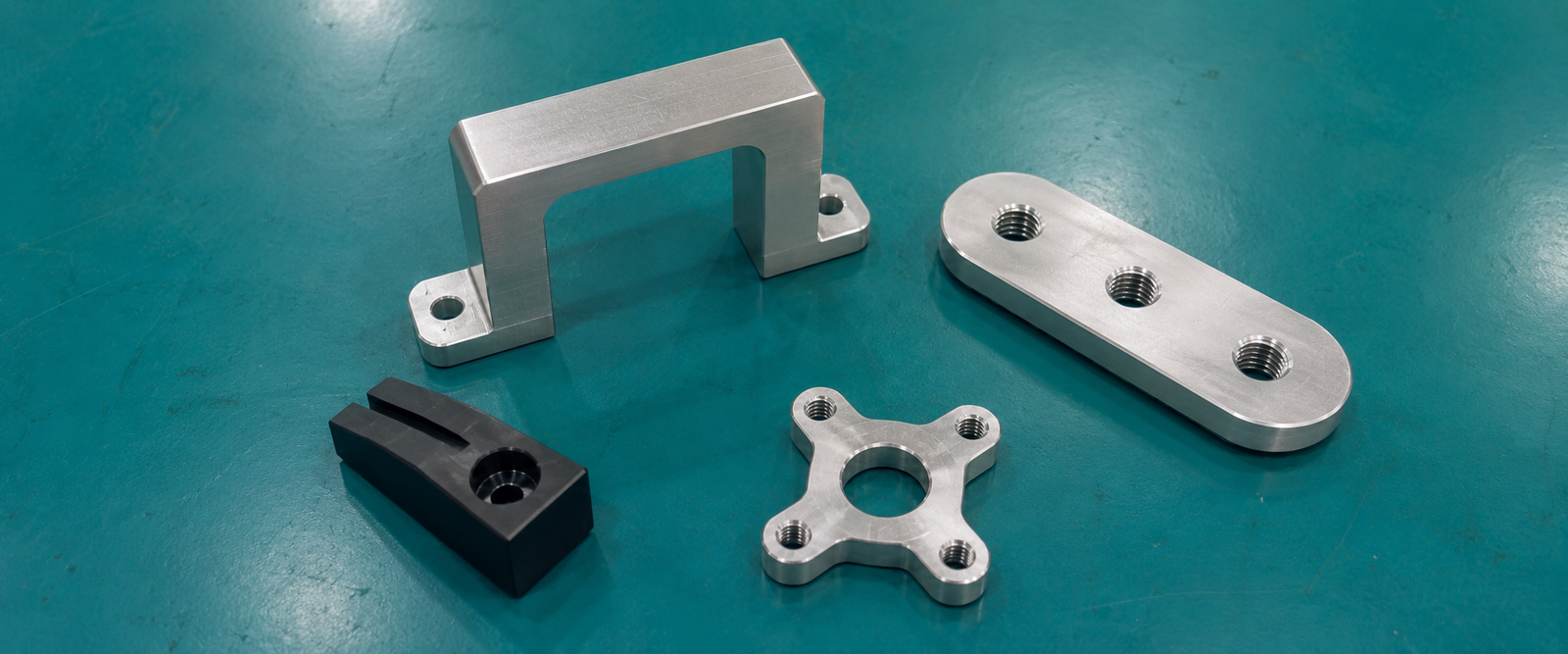
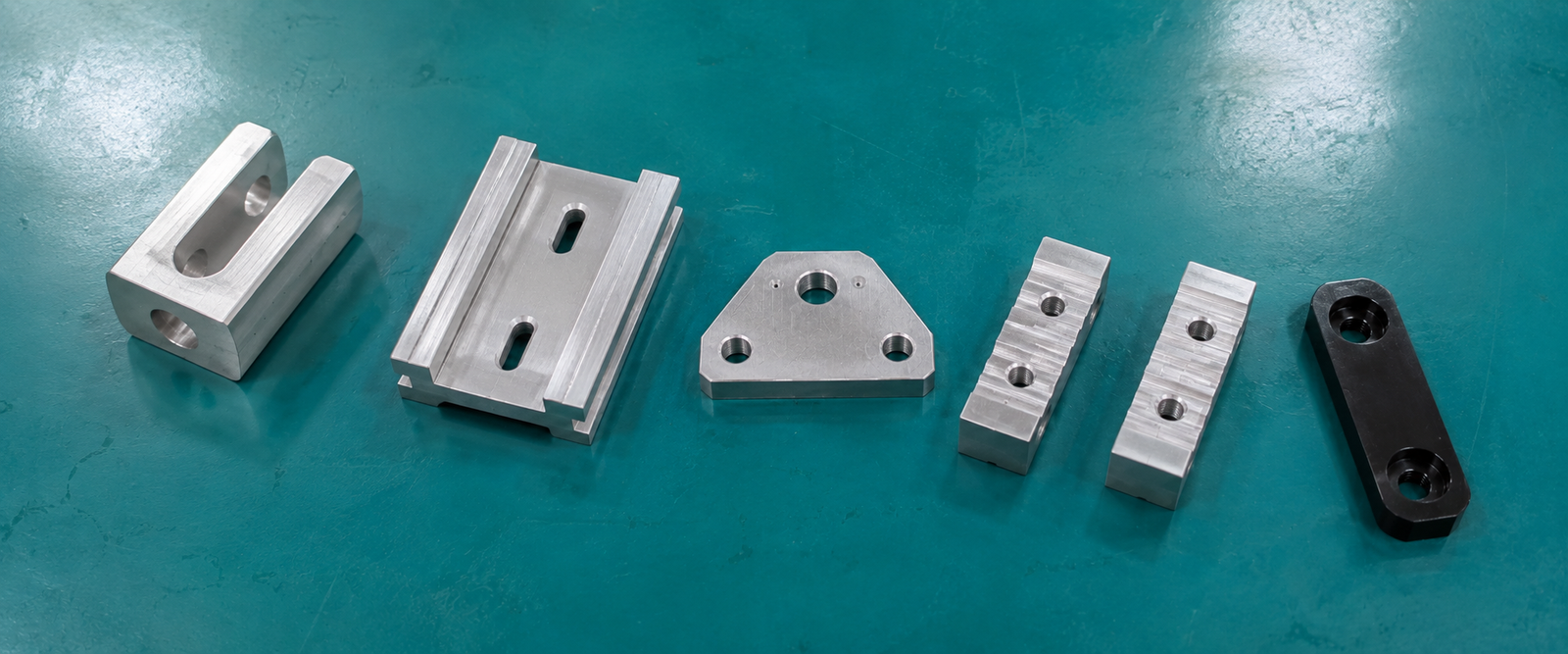
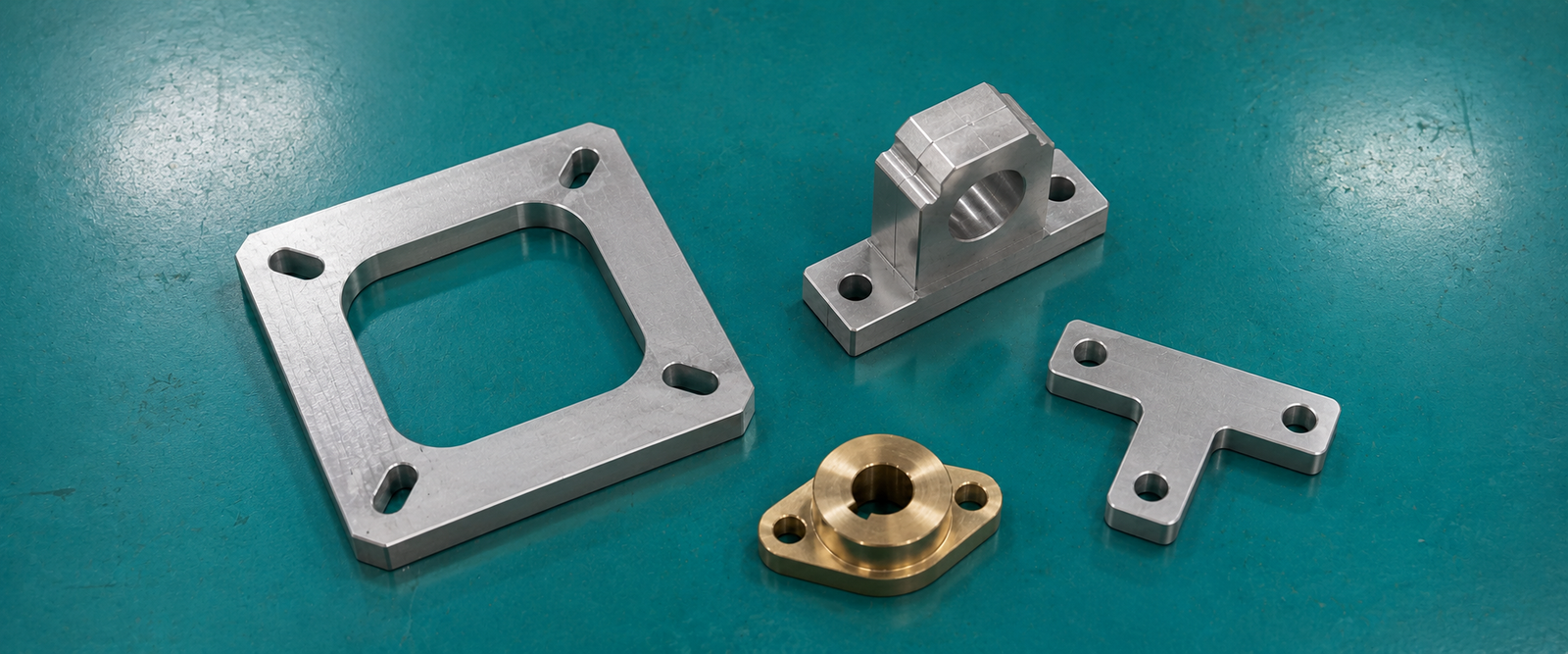
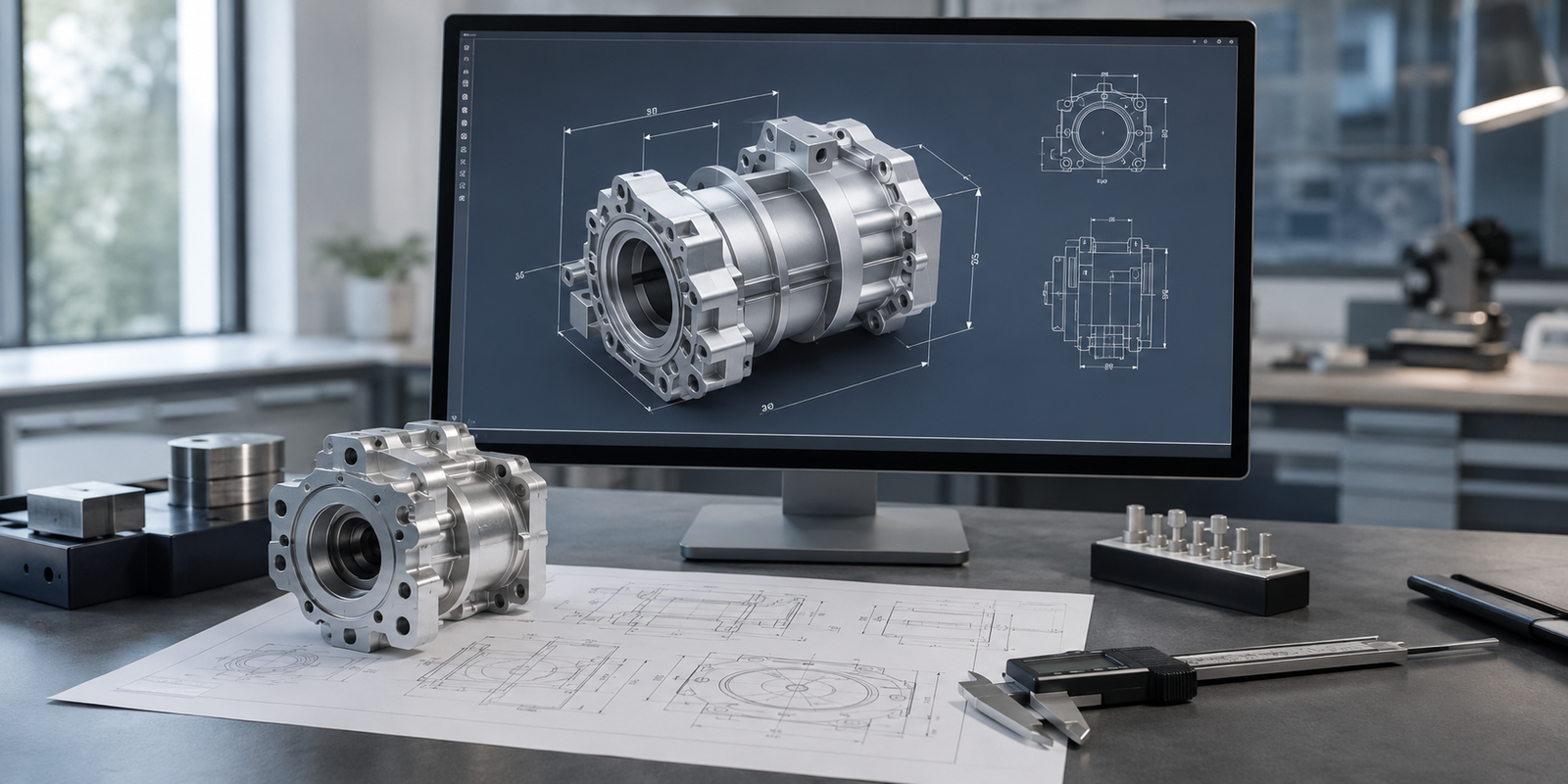
Not sure about the dimensions or details of your CNC-machined part? The guidelines below are based on OSM’s practical machining experience with prototypes and production parts. They can help you design parts that are easier to machine, more stable in production, and better prepared for accurate quotation. If your design is still at an early stage, our engineering team can also support you from initial concept review to developing a production-ready part.
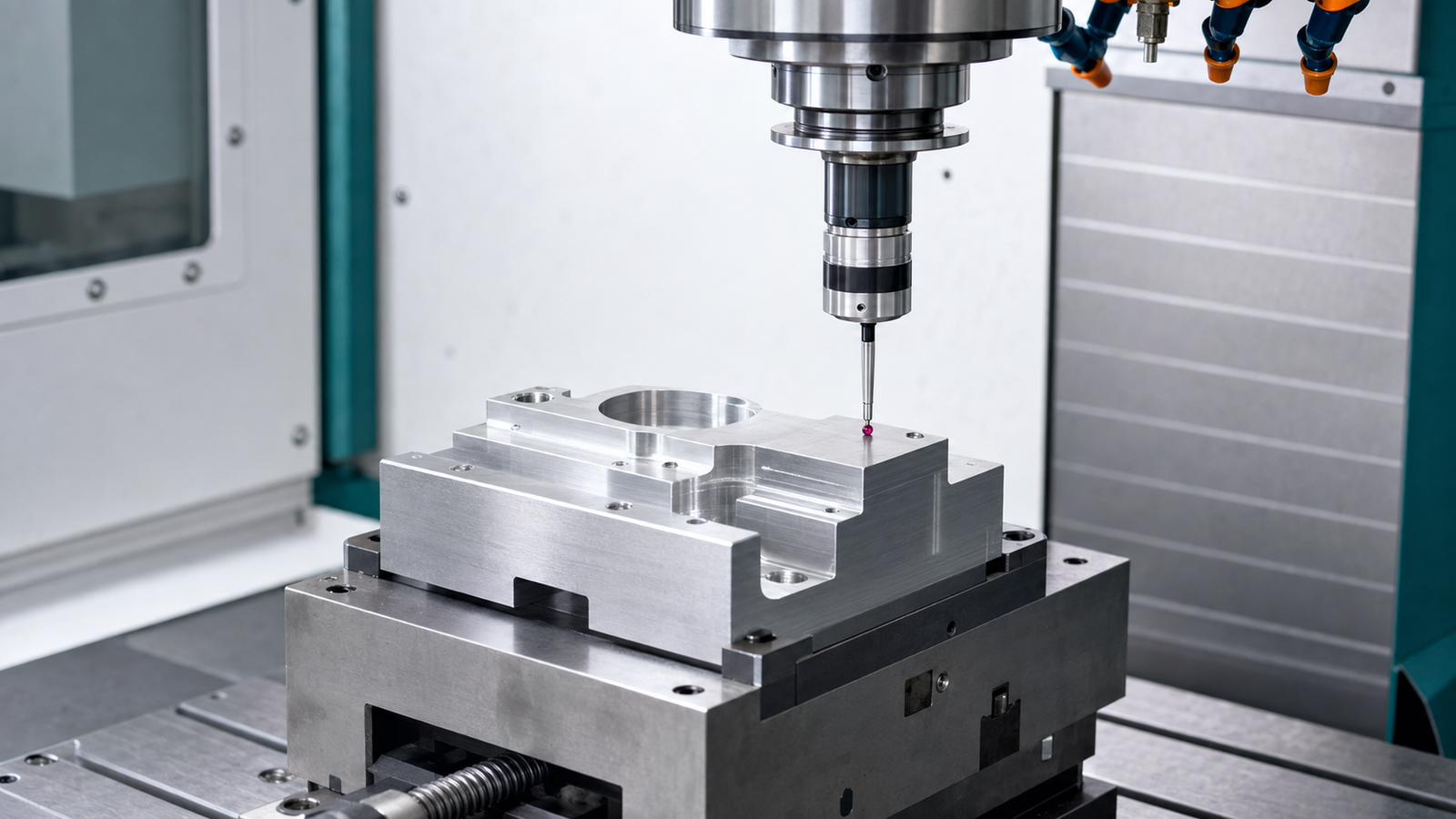
| Recommended dimensions | |
|---|---|
| Radius | Internal radii should be at least 1/3 of the pocket depth. Larger radii are recommended whenever possible. |
| Threads & threaded holes | For diameters Ø1.5–5 mm, the depth should be up to 3 times the diameter. For diameters Ø5 mm and above, the depth should be 4–6 times the diameter. Threads can be manufactured to any customer-specified standard and size. |
| Minimum wall thickness | For metals: 0.8 mm. For plastics: 1.5 mm. Thicker walls provide better structural strength. |
| Text | For CNC milling: minimum width of 0.5 mm and depth of 0.1 mm. Standard text can be produced by CNC machining or laser engraving upon request. |
| Holes | Minimum diameter of 1 mm. Hole depth should not exceed 4 times the diameter for optimal results. |
| Pocket depth | Keep pocket depth within 4 times the pocket width whenever possible. Deep pockets require longer cutting tools, increasing machining time and reducing accuracy. |
| Internal corners | Avoid sharp internal corners whenever possible. Adding rounded corners allows the use of larger cutting tools, improving machinability and surface quality. |
| Slots | Avoid narrow and deep slots whenever possible. Slots with a high length-to-width ratio require smaller tools and longer machining cycles. |
| Part setup | Design parts to minimize the number of setups. Fewer setups improve positional accuracy and reduce production time. |
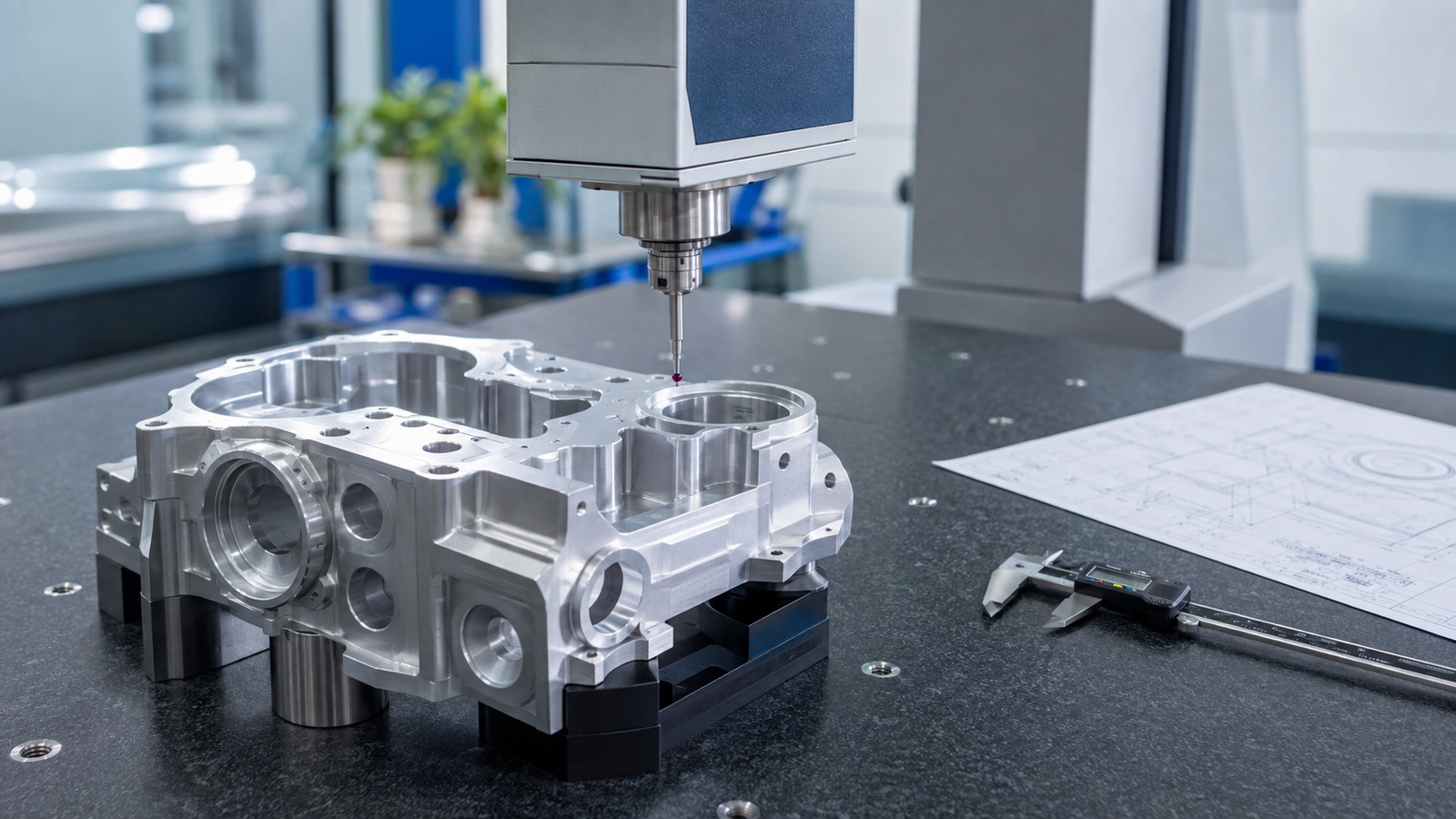
Every part produced through our CNC milling services in Vietnam is inspected against the drawing, critical dimensions, and specified surface requirements before shipment. Learn more about our quality control and inspection process, inspection capabilities, and available quality documentation.


01 — Drawing Review
Inspection requirements and critical characteristics are identified before production.

02 — Dimensional Inspection
Key dimensions, hole positions, tolerances and geometric features are verified.

03 — Surface & Visual Inspection
Machining marks, edges, burrs, surface finish and overall appearance are checked.

04 — Final Verification
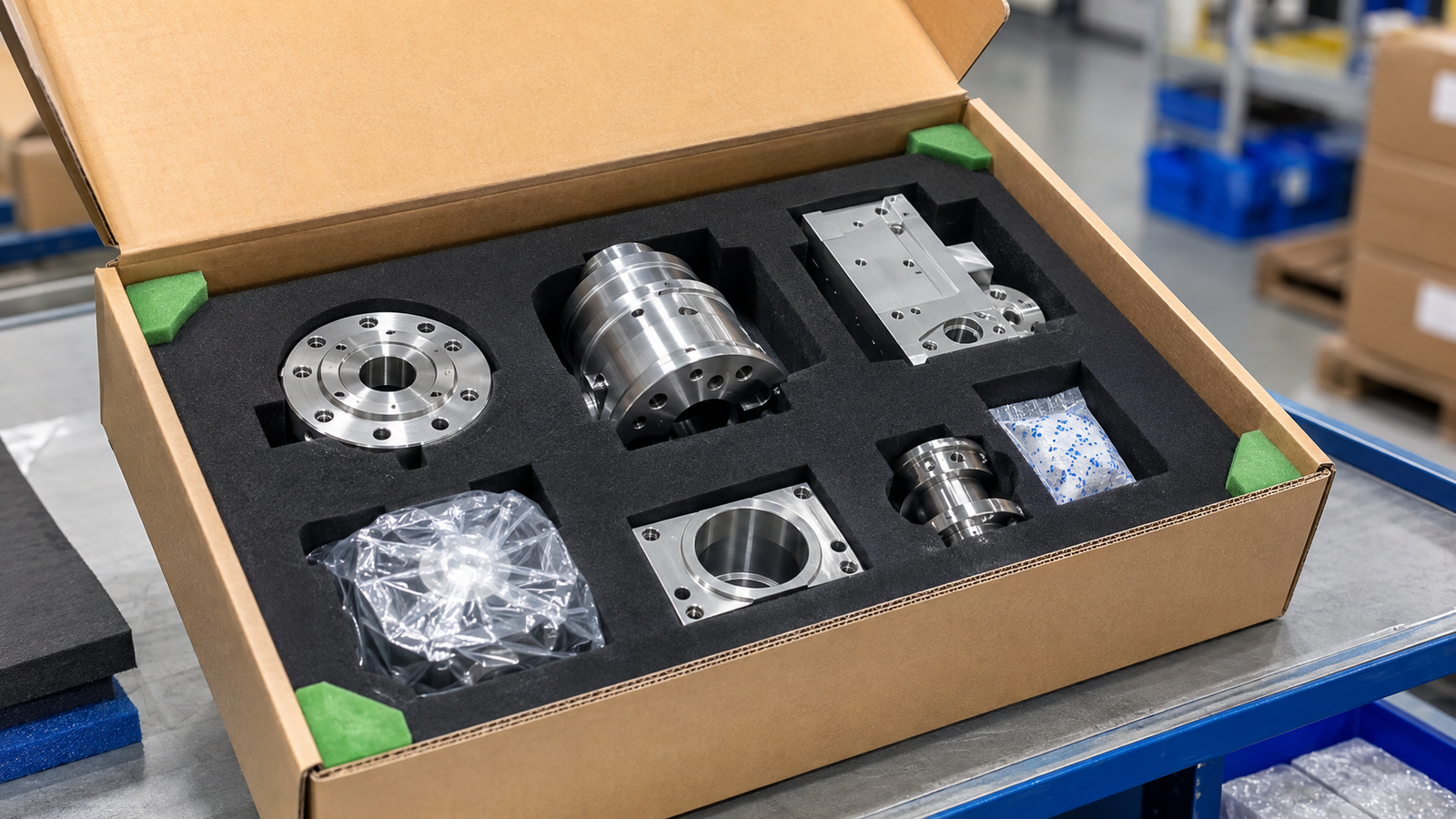
Quantity, specifications and required quality documents are confirmed before release.



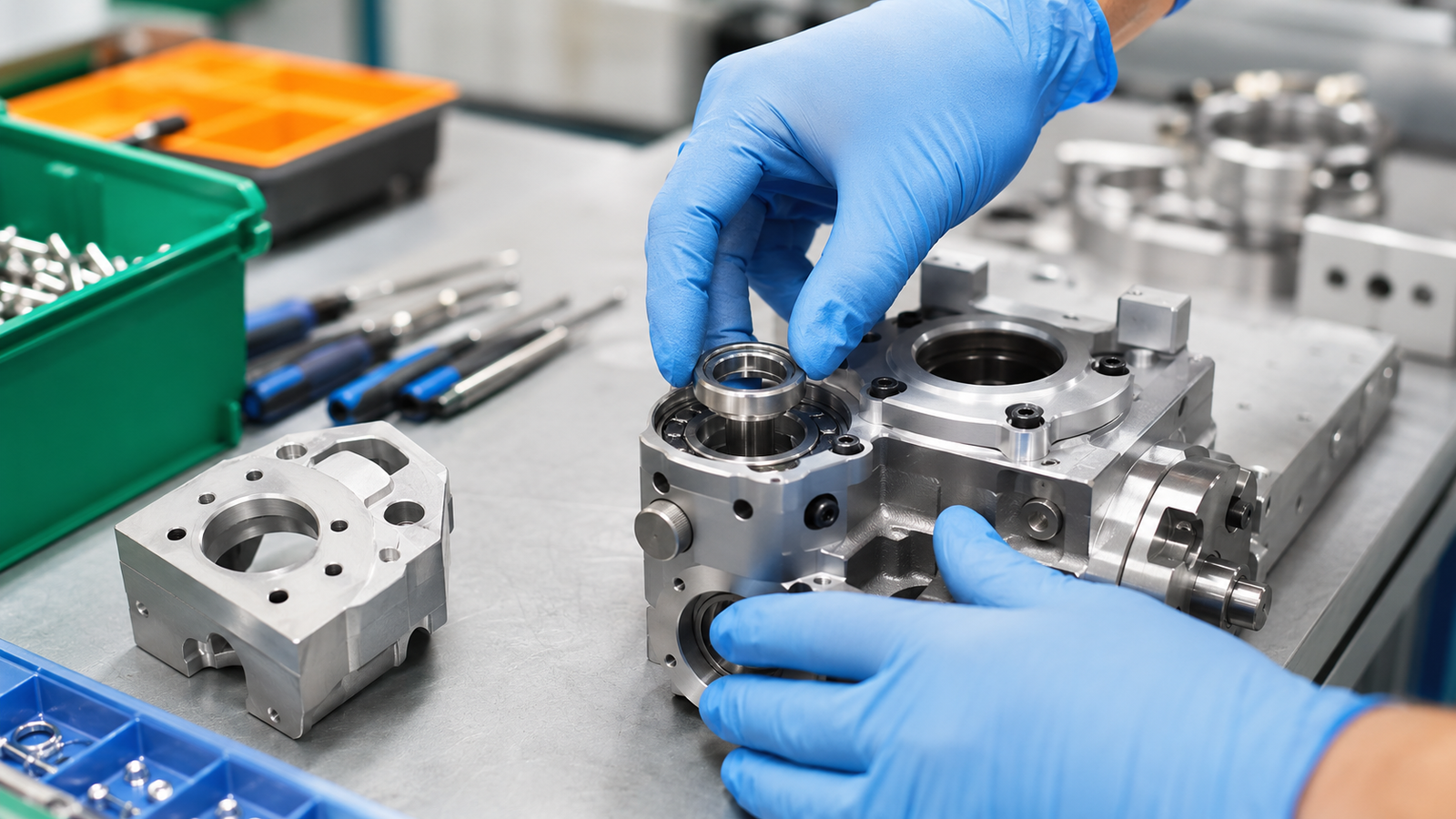
From drawing to delivery, we ensure precision, quality, and consistency at every step.
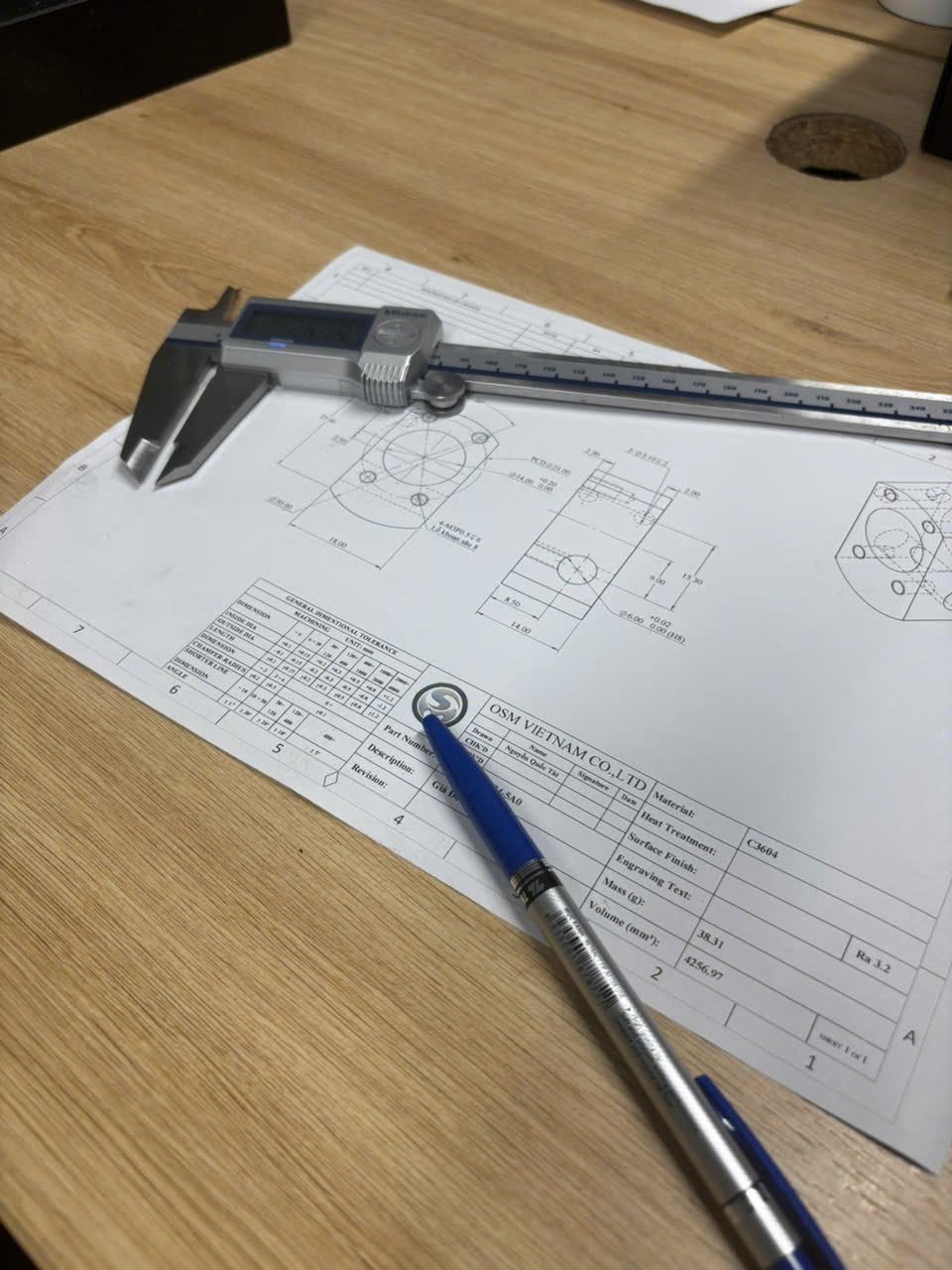
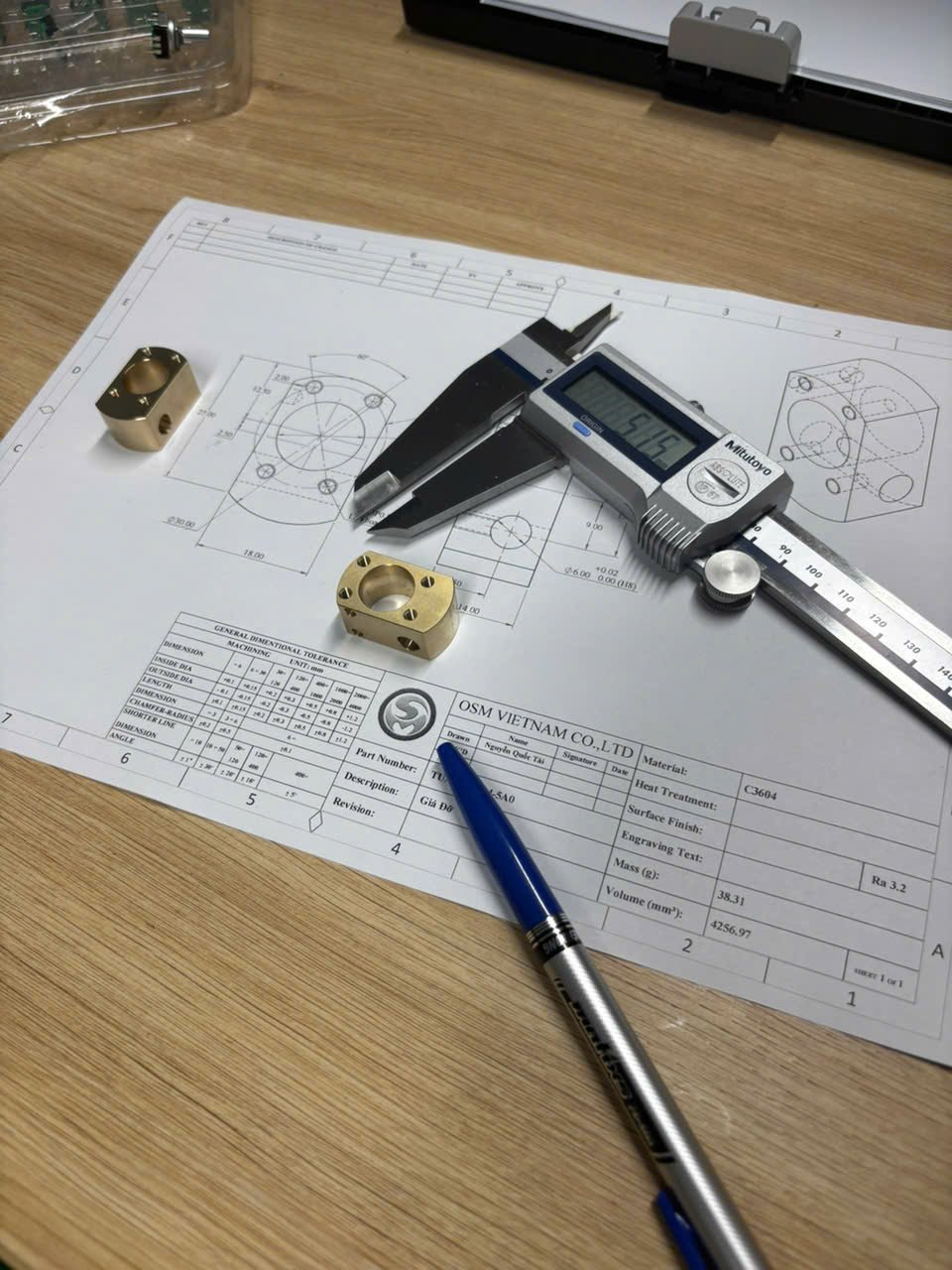
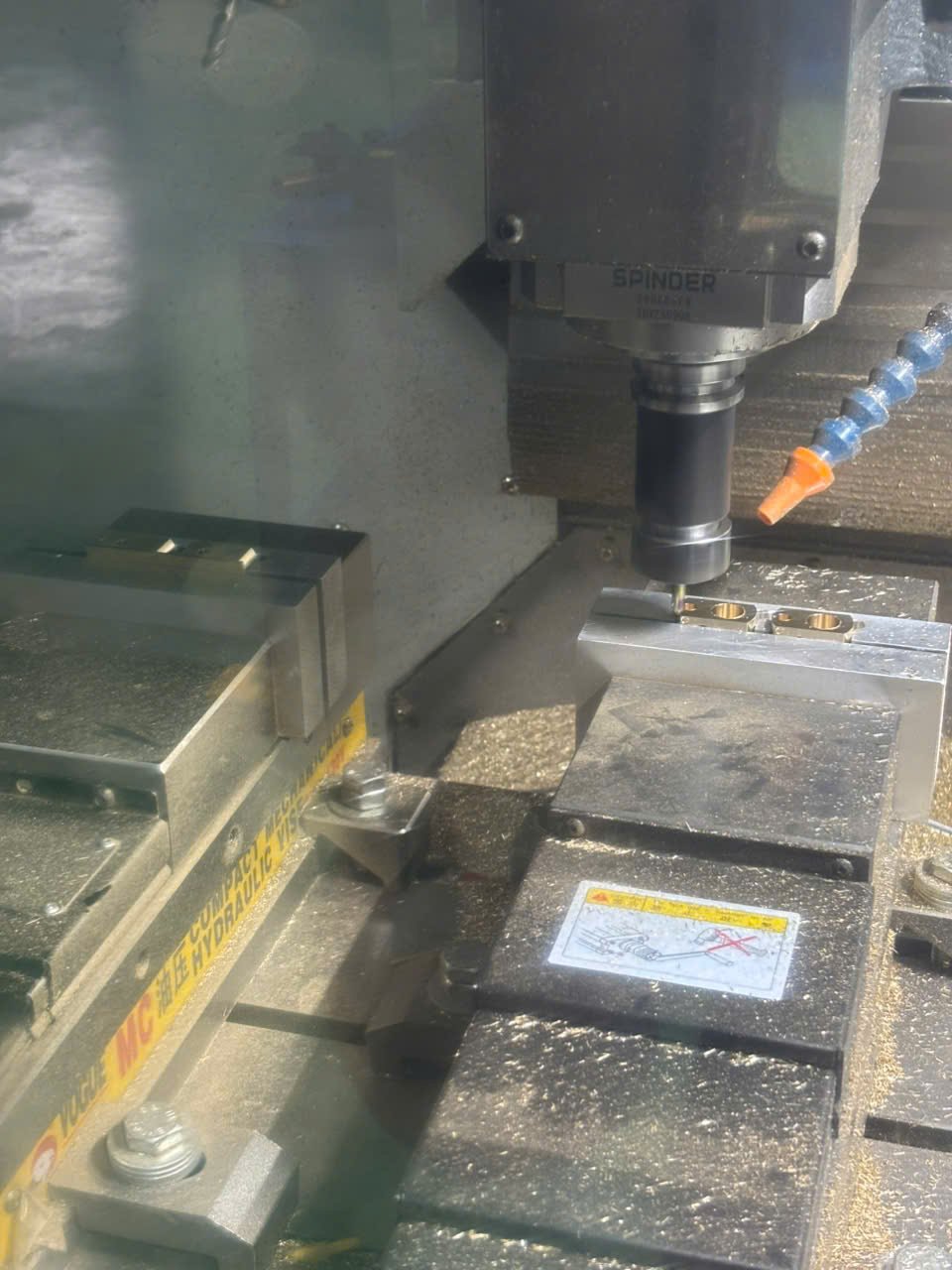

Precision machining. Reliable quality. Responsive service.

Right To The Drawing – Right To The Tolerance – Right To The Quality.

Strict Quality Control At Every Stage Of Production.

Providing Technical Guidance And Optimizing Solutions Together With Our Customers.

Committed To On-Time Delivery, Supporting Every Production Schedule.
CNC milling uses rotating cutting tools to remove material and manufacture parts from computer-controlled programs. It is suitable for CNC prototypes and production parts.
Three-axis CNC milling is suitable for plates, blocks, holes and standard machined features. Four-axis CNC milling can machine multiple sides and complex parts with fewer setups.
CNC milling services can machine aluminum, stainless steel, carbon steel, brass, copper and engineering plastics. Material selection depends on strength, weight and working conditions.
CNC milling cost depends on material, part size, complexity, tolerance, quantity and surface finish. Send your CAD files or technical drawings for an accurate CNC milling quote.
Precision CNC milling can achieve tolerances down to ±0.01 mm on suitable features. Final tolerances depend on part geometry, material, size and inspection requirements.
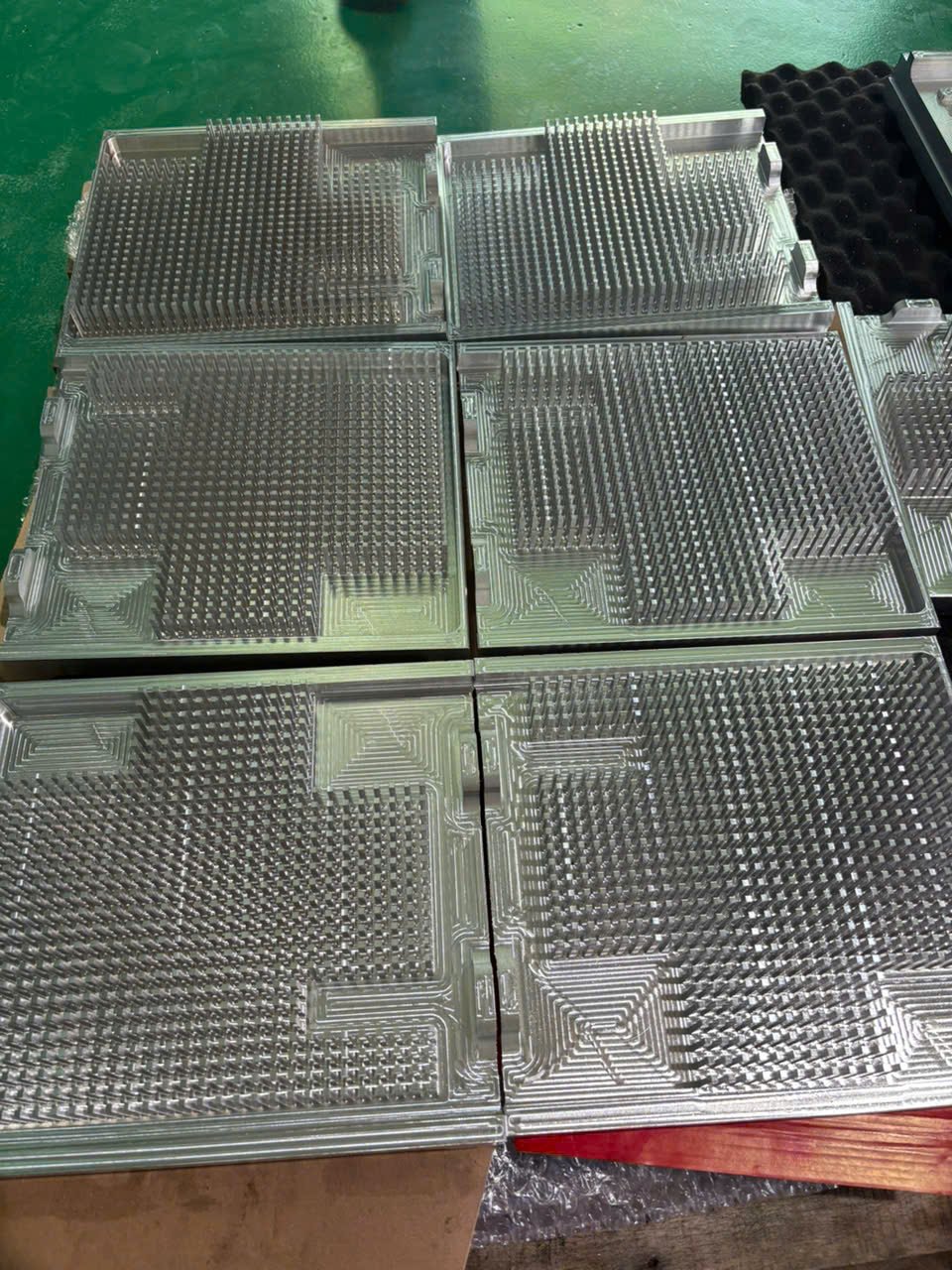
An NDA Can Be Signed If Needed Before The RFQ.