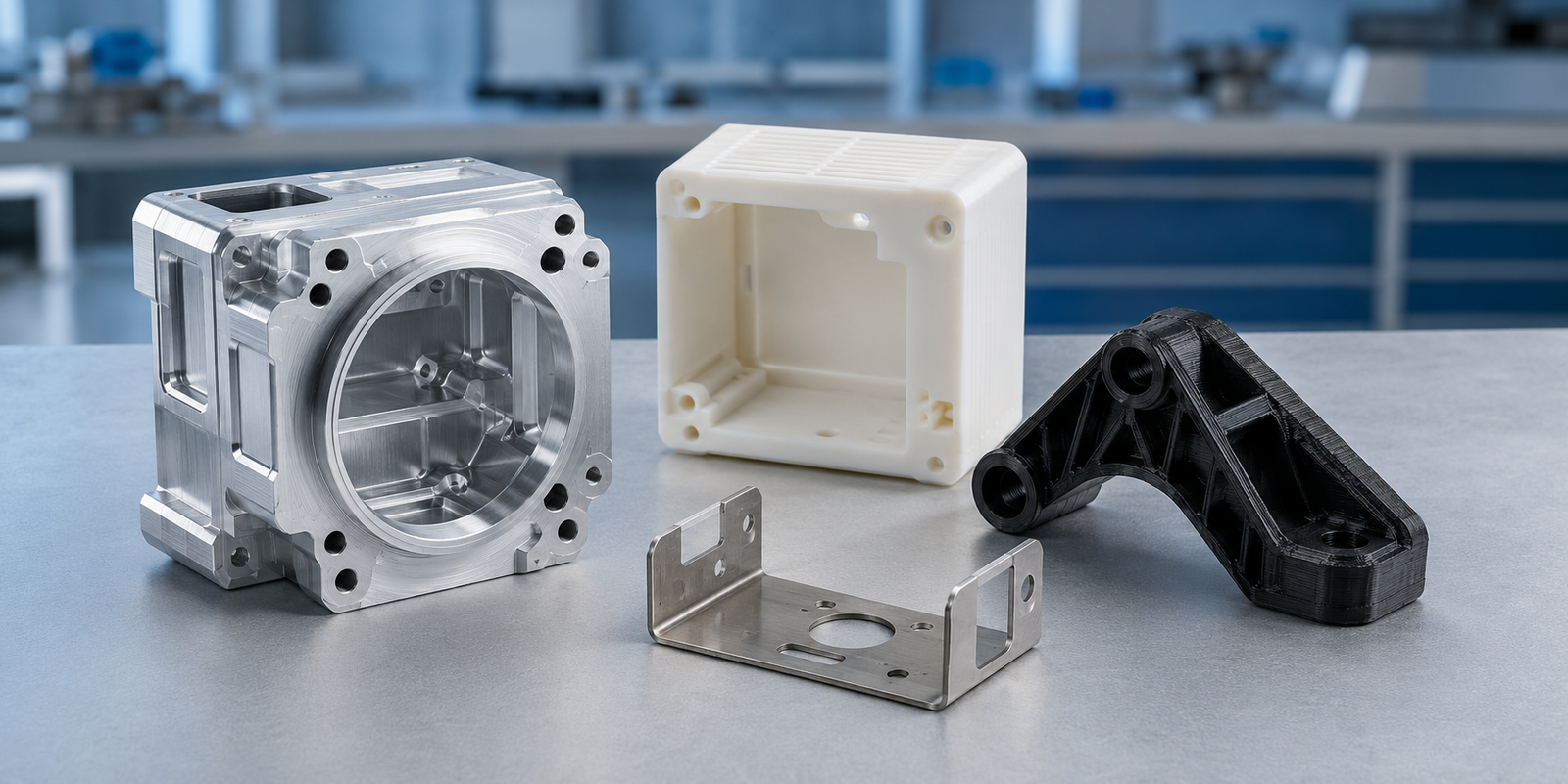
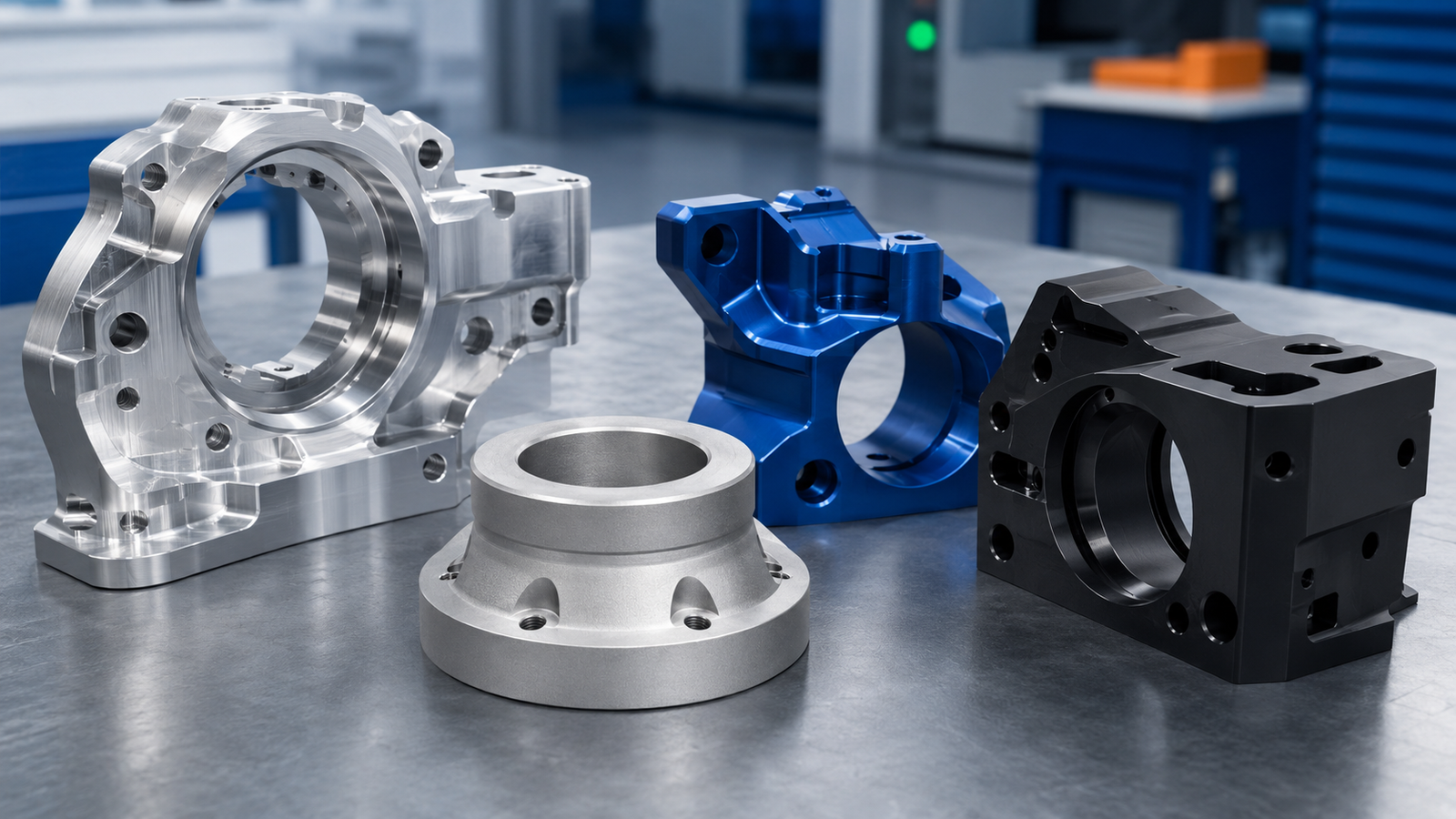





Aluminum is lightweight yet strong, with excellent machinability and corrosion resistance. Ideal for aerospace and automotive parts.
Alloys
| ✔ Aluminum 6061 | ✔ Aluminum 6063 |
| ✔ Aluminum 5052 | ✔ Aluminum 6082 |
| ✔ Aluminum 5083 | ✔ Aluminum 7075 |

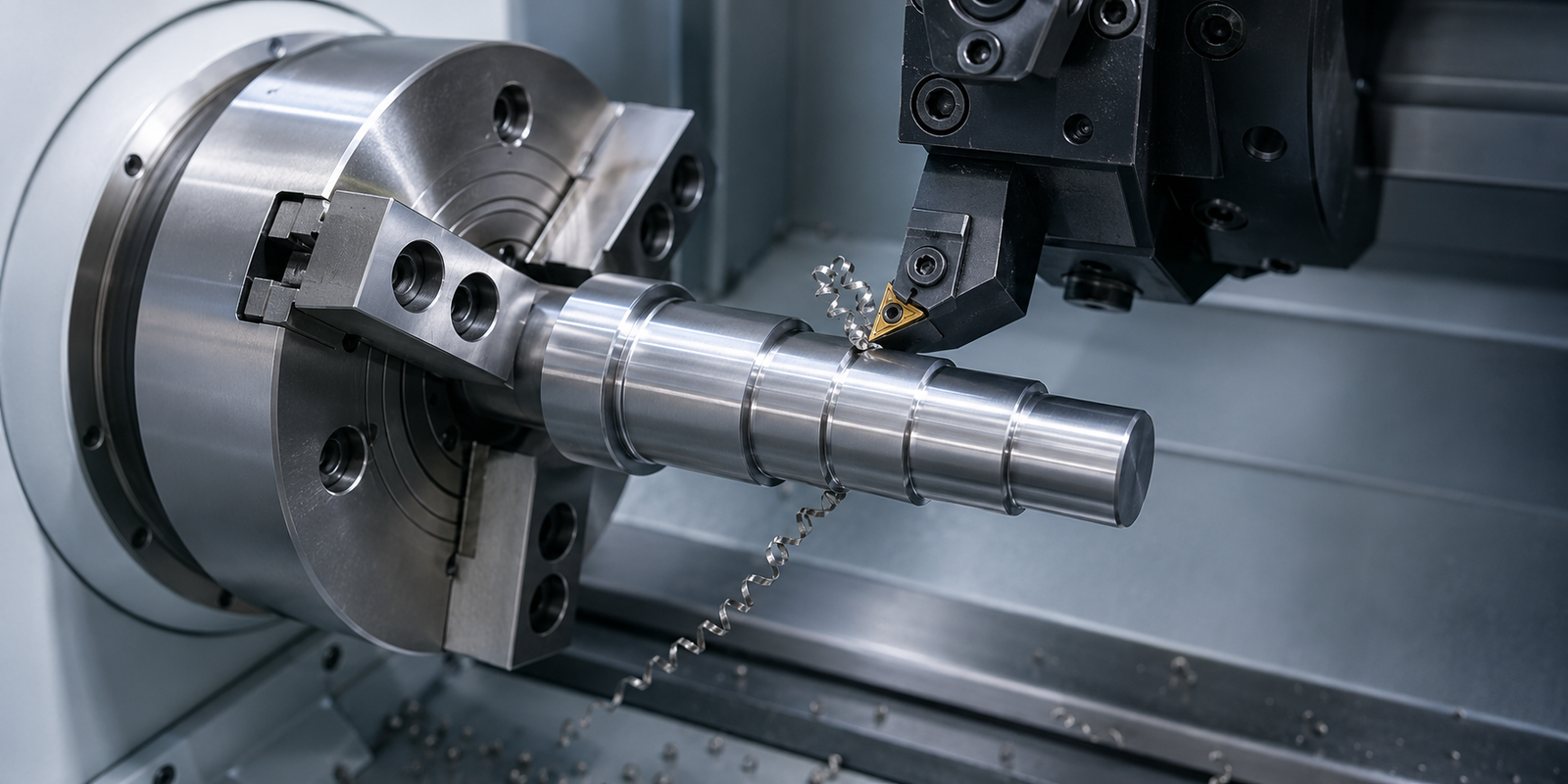
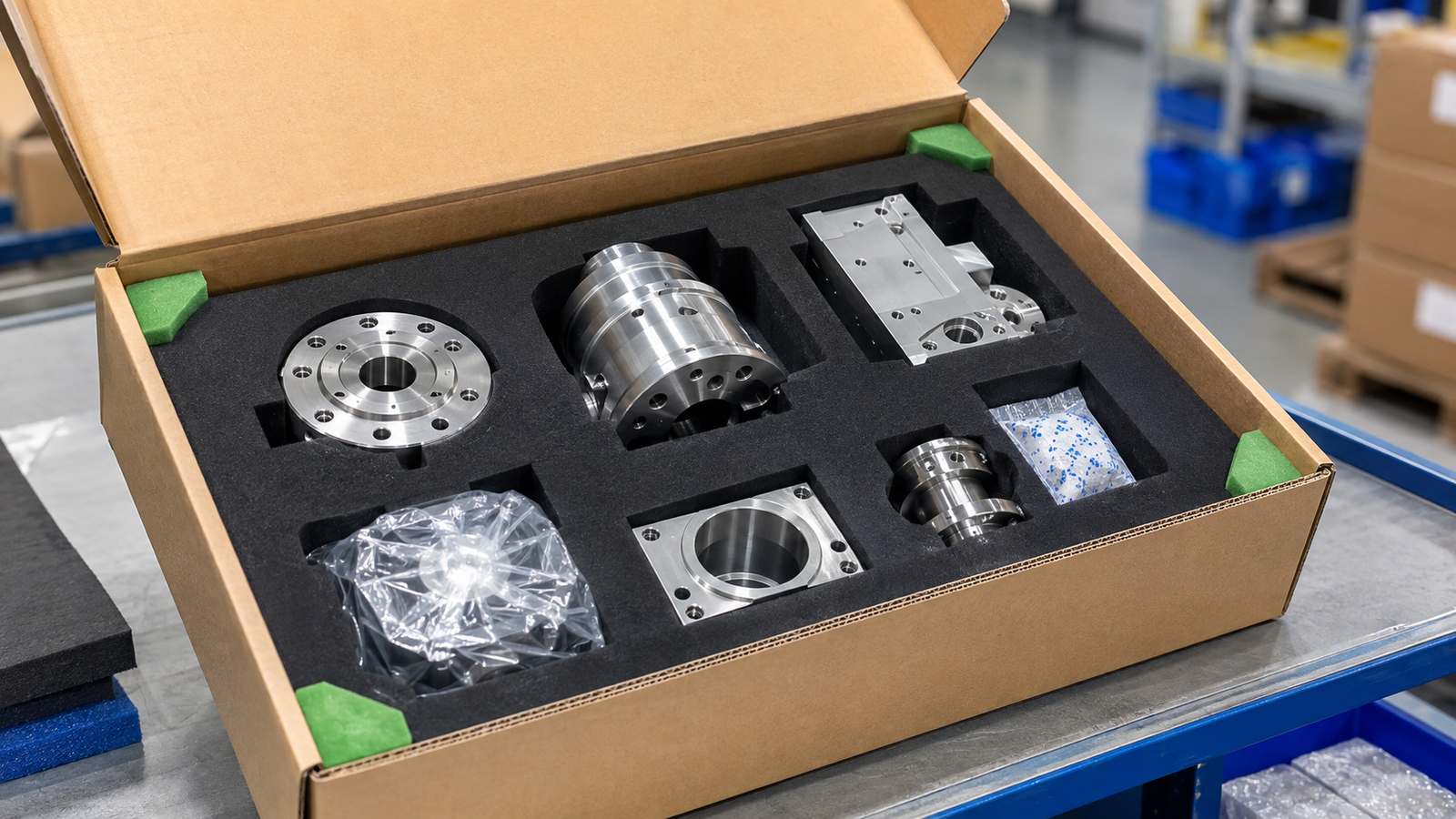
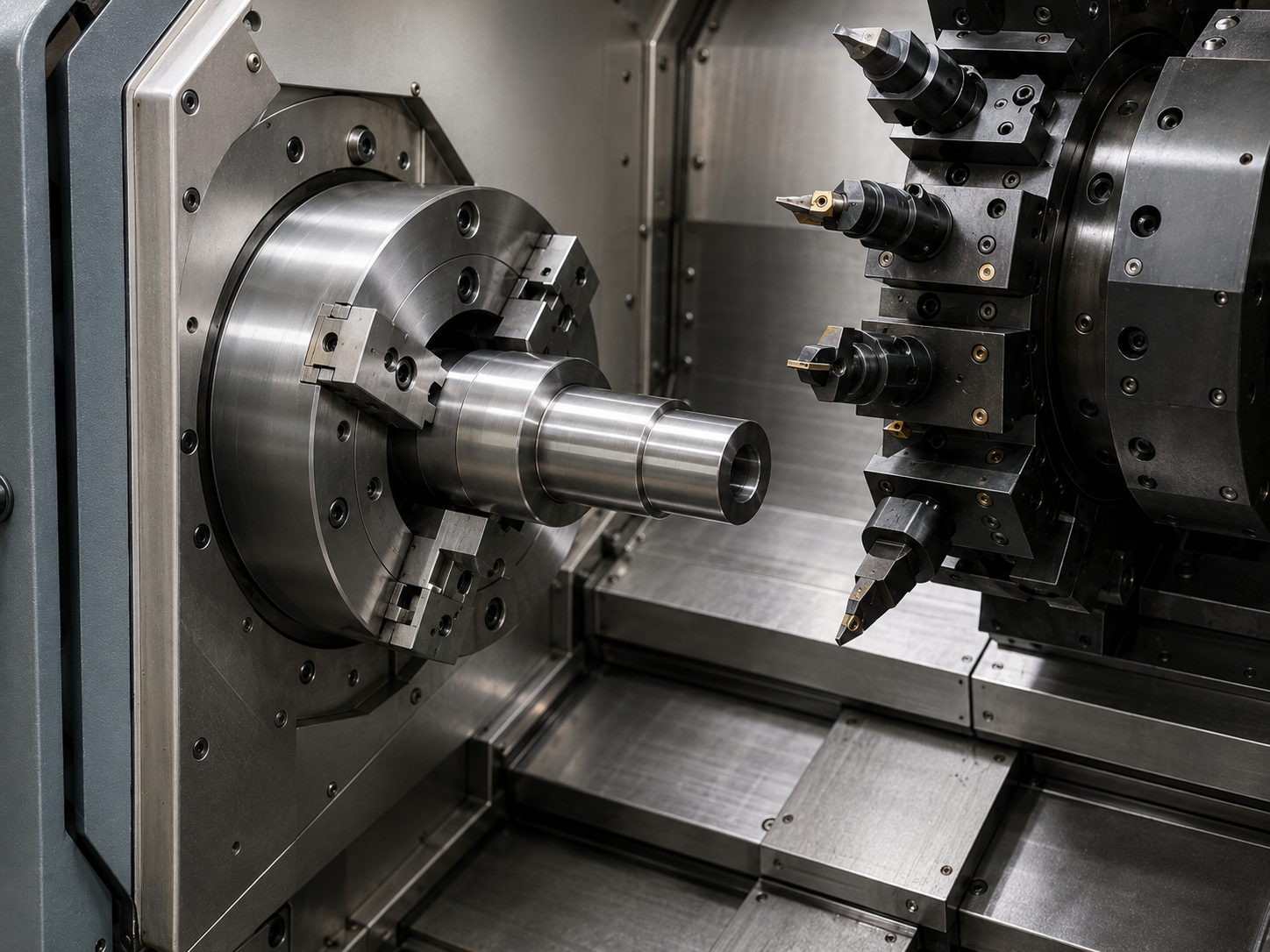
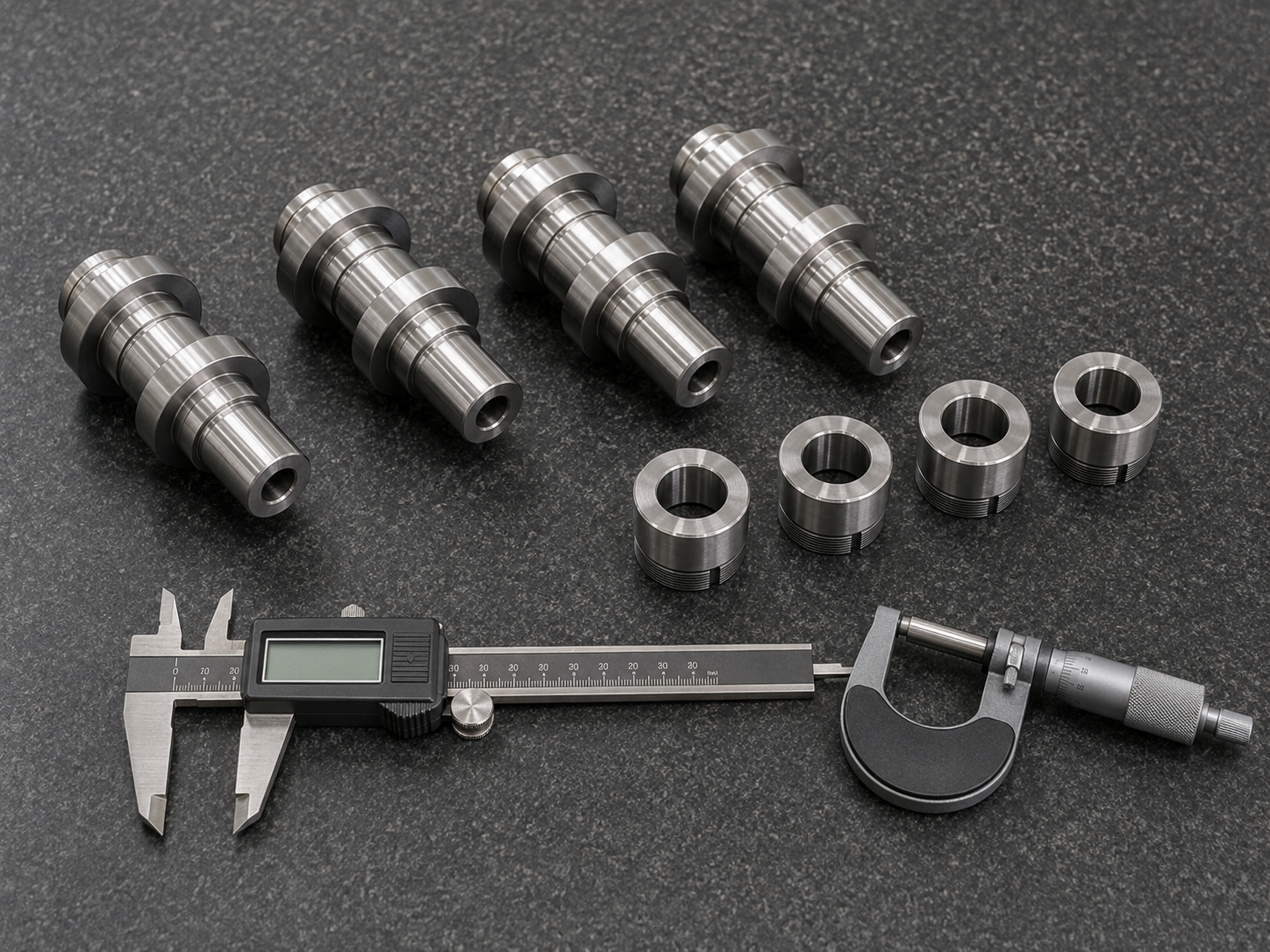
OSM provides CNC turning services in Vietnam for custom shafts, pins, bushings, sleeves, threaded parts and other rotational components made from metals and engineering plastics. We support prototypes, low-volume orders and production runs with dimensional inspection and project-specific quality documentation.



An NDA Can Be Signed If Needed Before The RFQ.

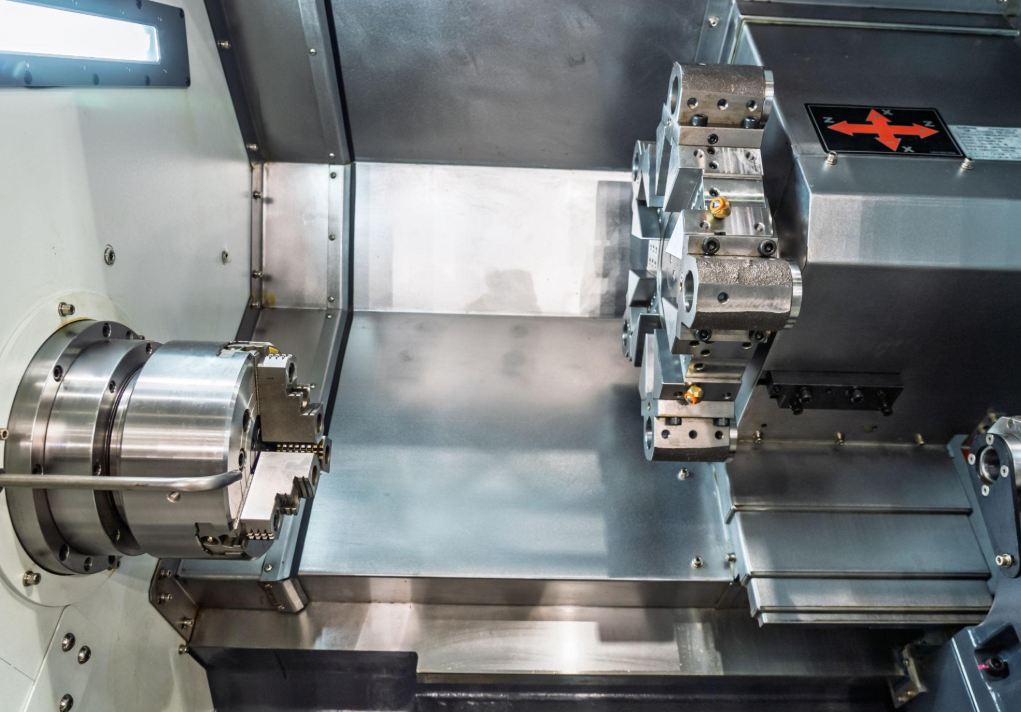
OSM provides precision CNC turning services for rotational parts, delivering high accuracy, consistent quality, and fast lead times.
Get A Quote Now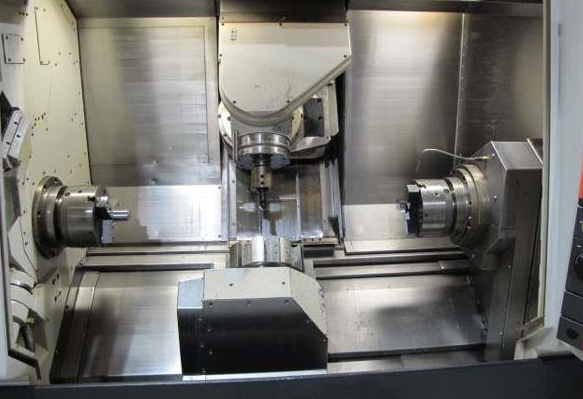
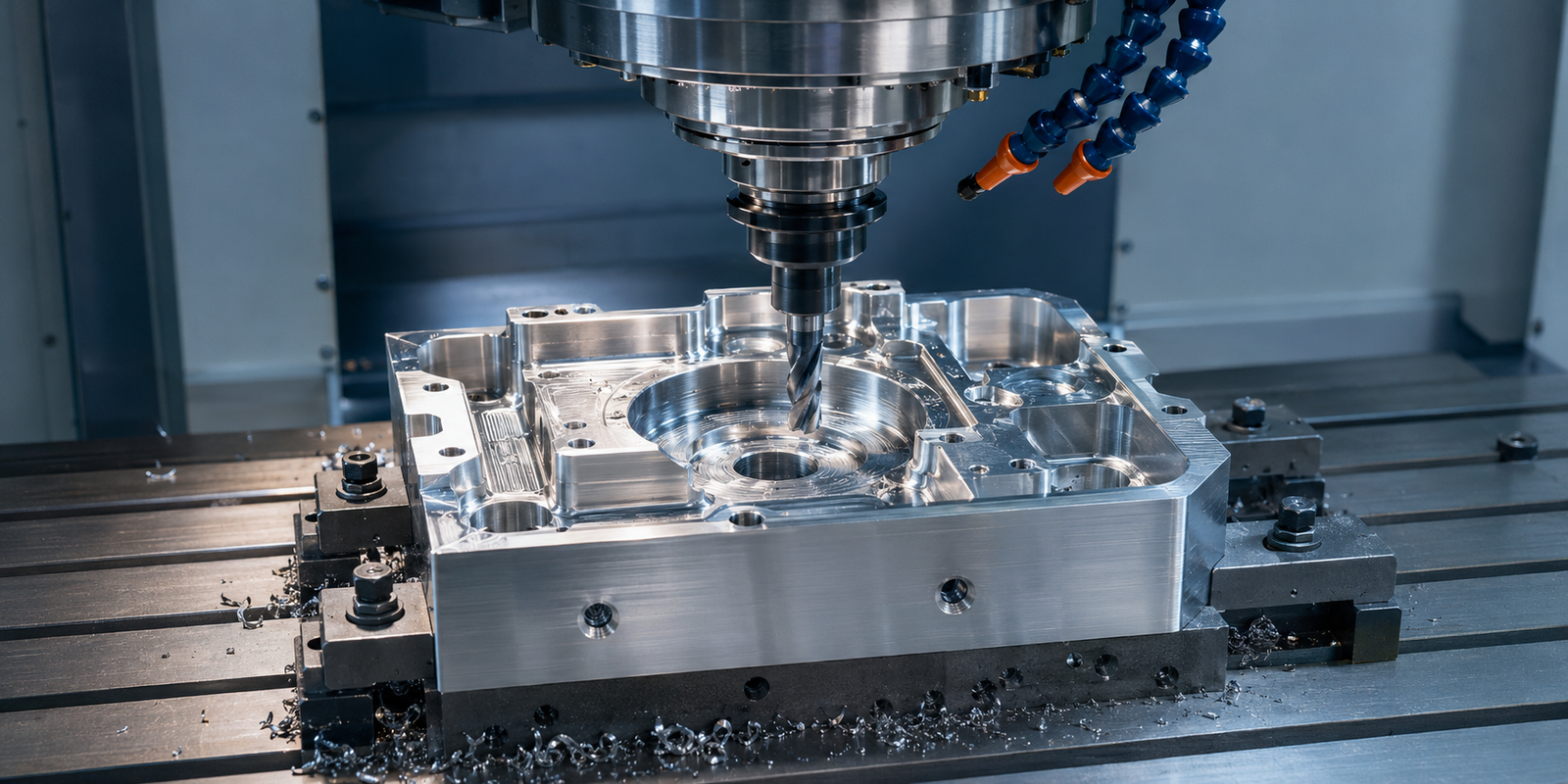
Improve machining efficiency and part accuracy with CNC mill-turn machining, especially for parts that require machining from multiple directions in a single setup.
Get A Quote Now


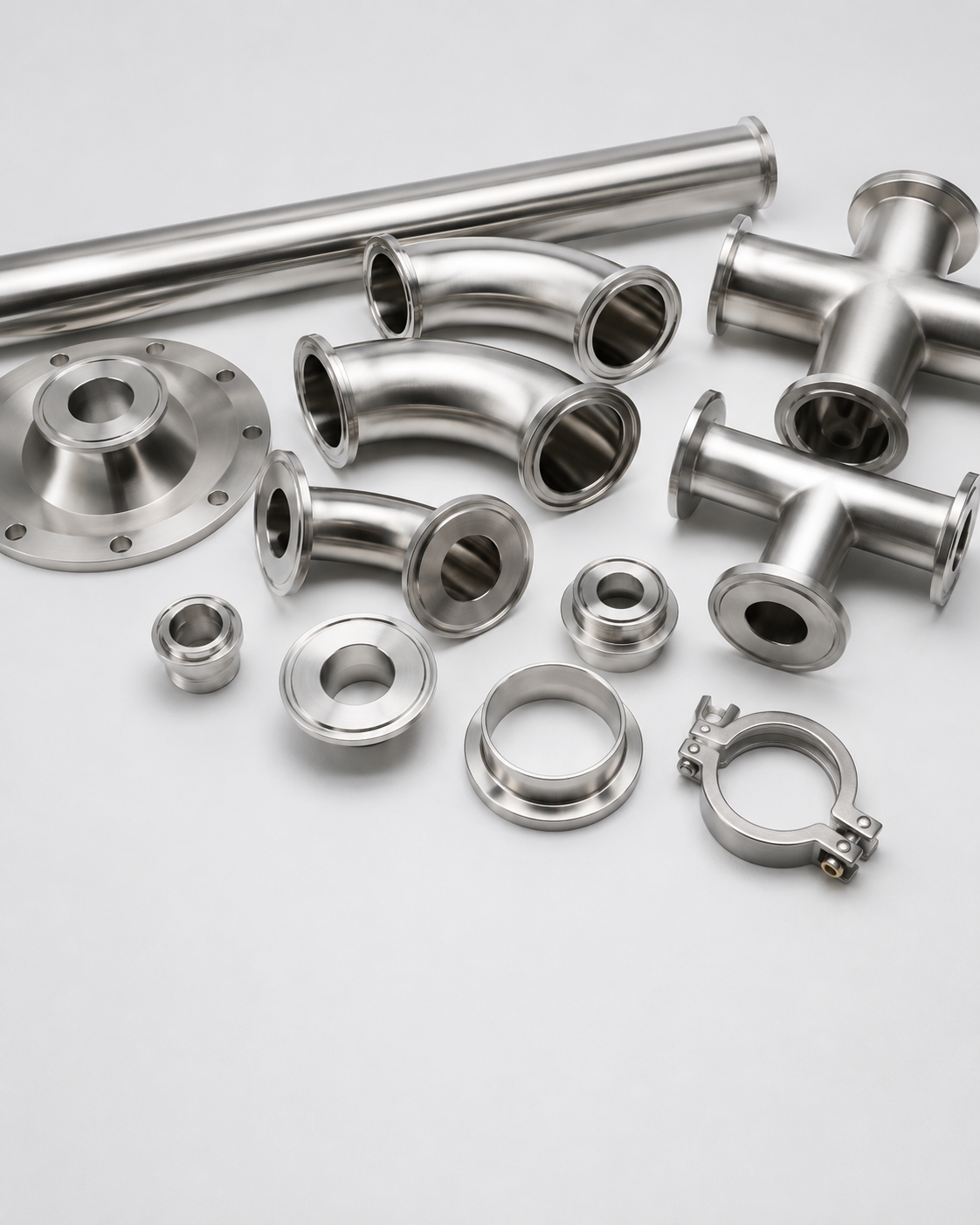
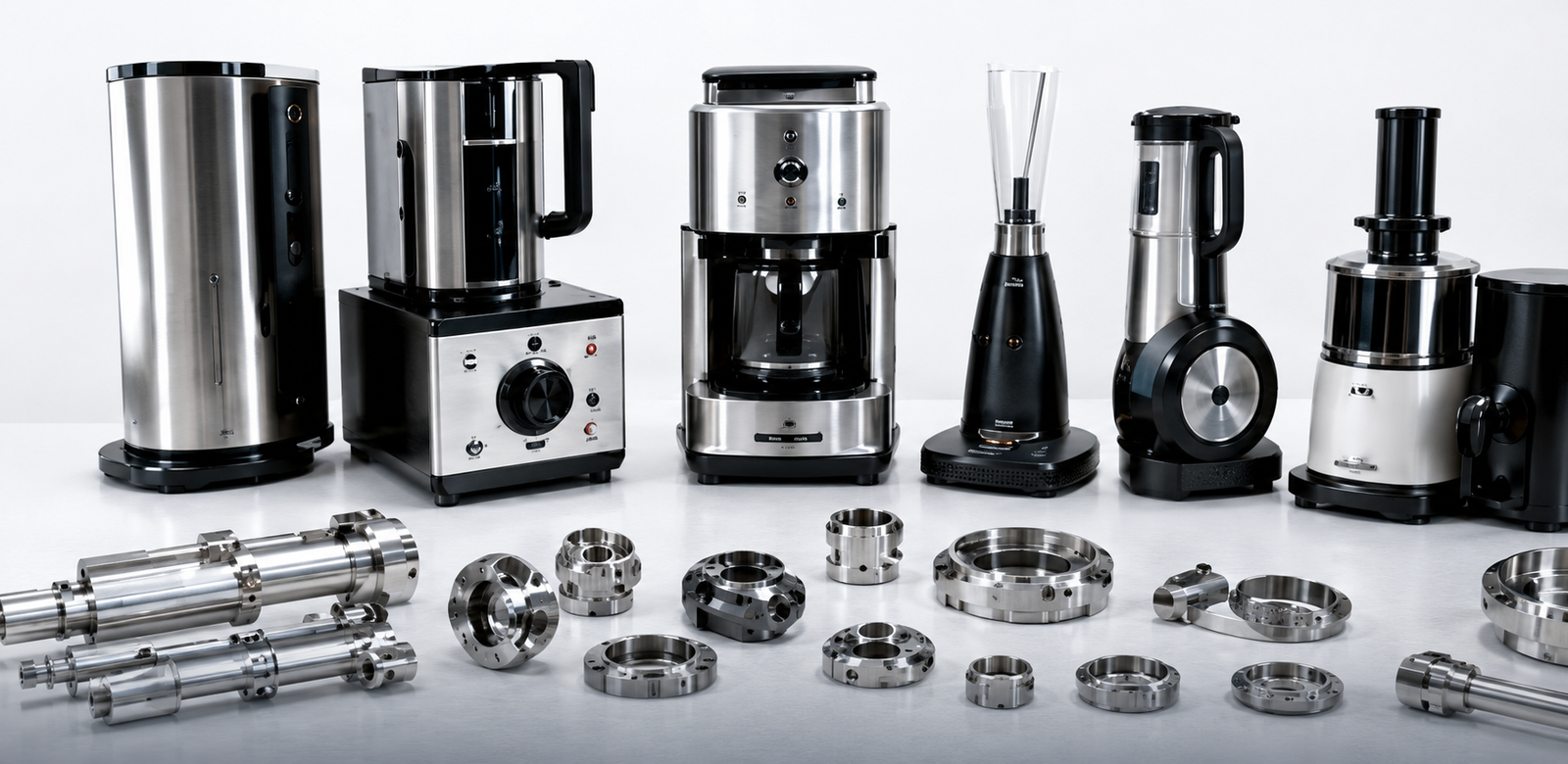
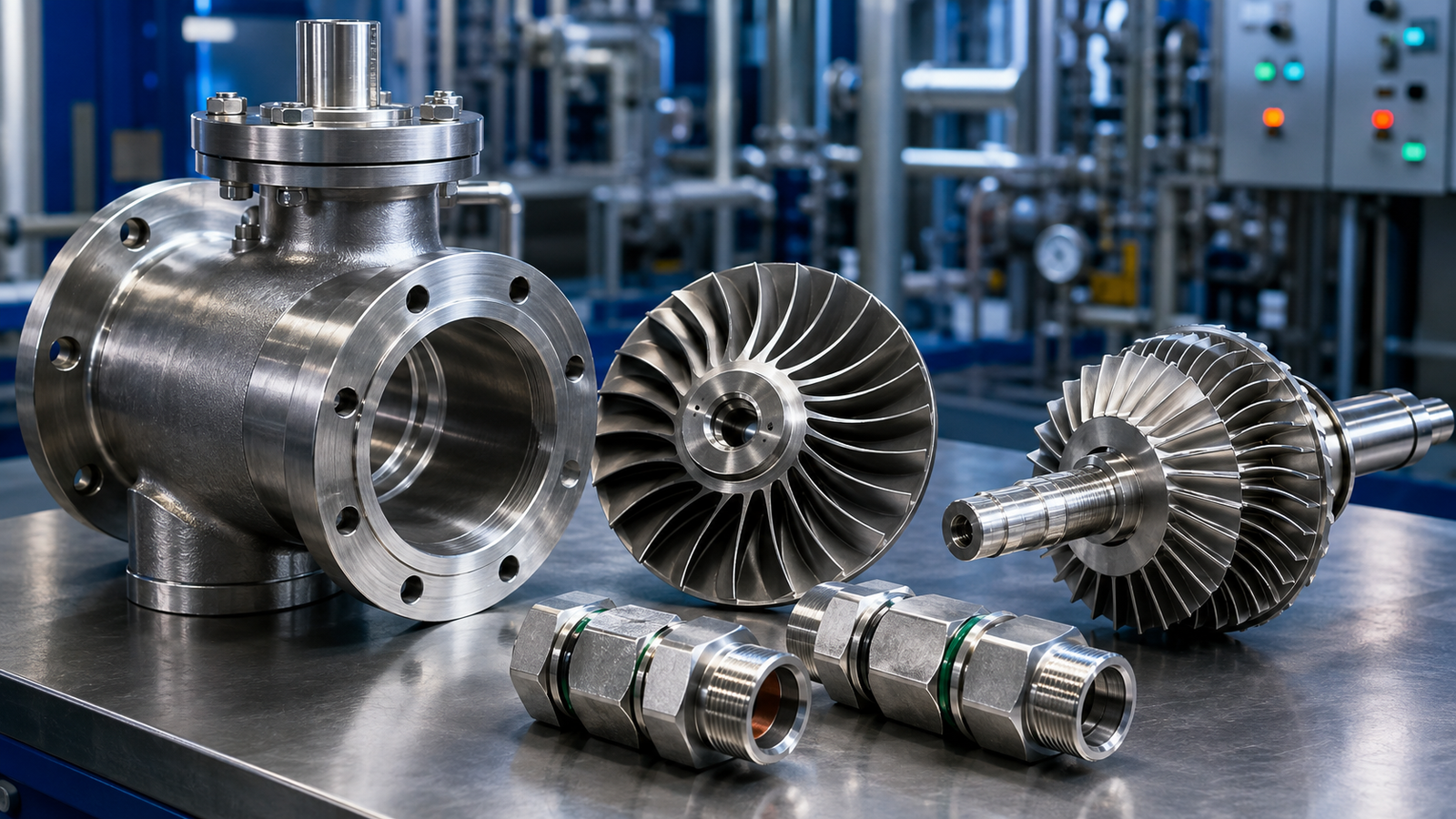
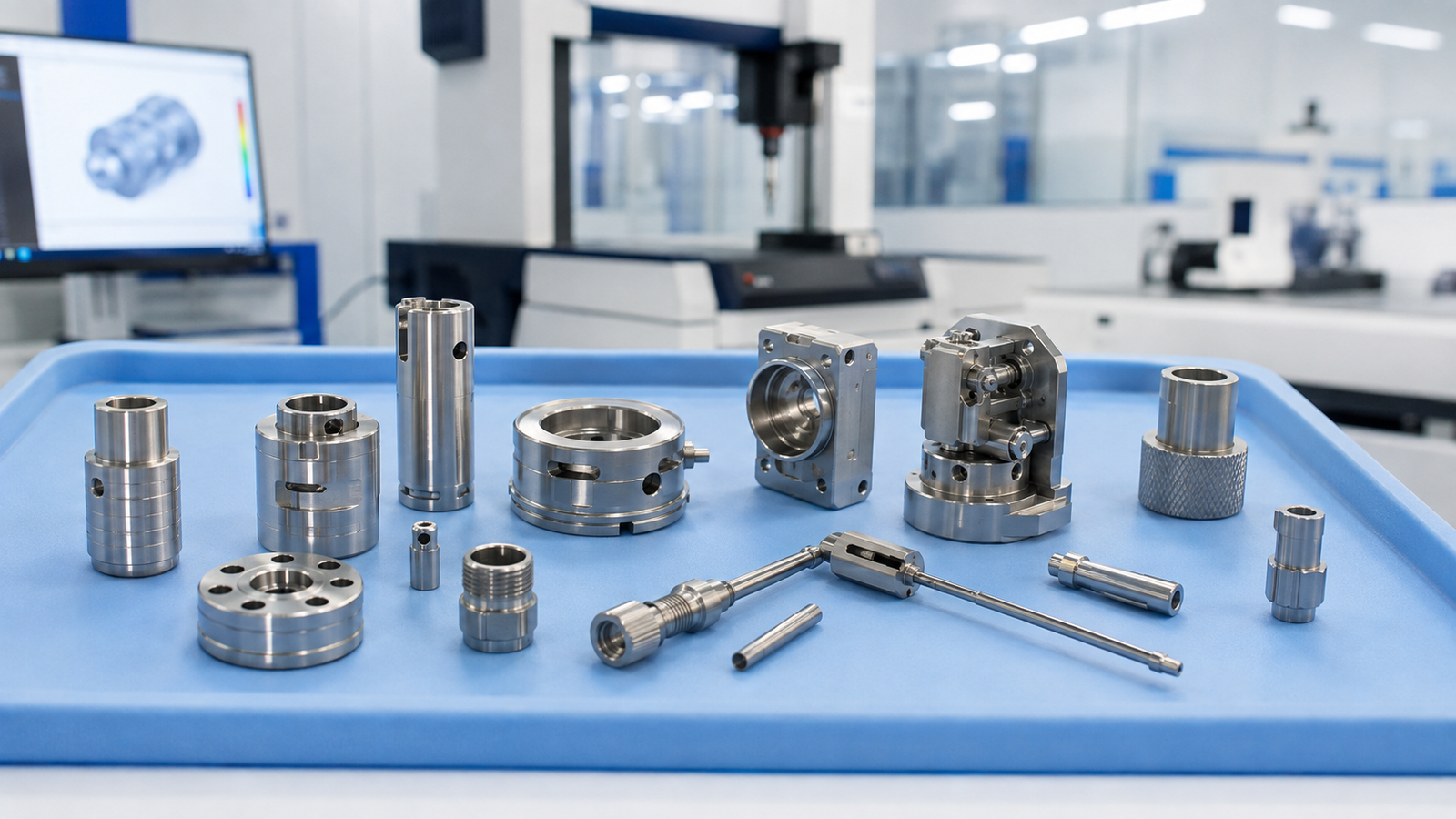
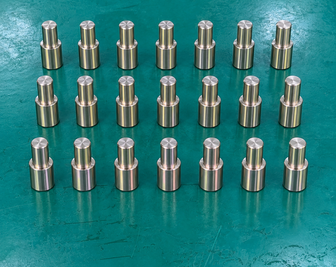
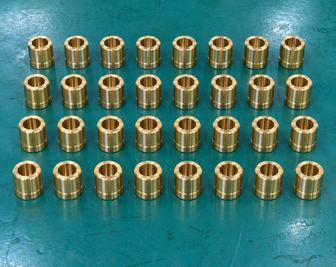
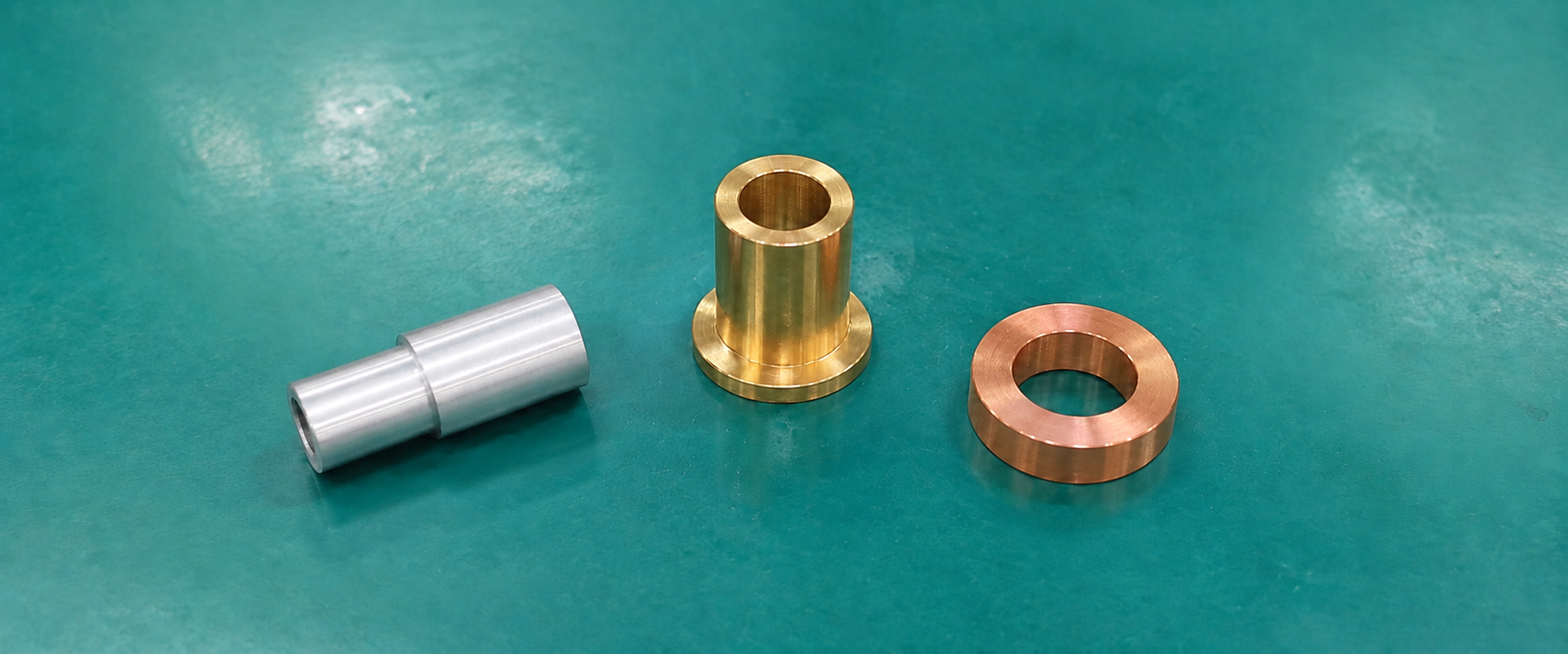
OSM supports global customers with custom turned components ranging from simple spacers and threaded fittings to precision shafts, bushings, sleeves and connectors. Our team reviews material, critical dimensions, surface requirements and production volume before machining to establish a practical and repeatable manufacturing process.
With experience gained from thousands of manufacturing projects, our team understands the machining requirements, quality expectations, and critical dimensional requirements of different applications. This helps customers move from prototyping to mass production with greater confidence and consistency.
✔ Vacuum Systems
✔ Commercial
✔ Consumer Products
✔ Energy
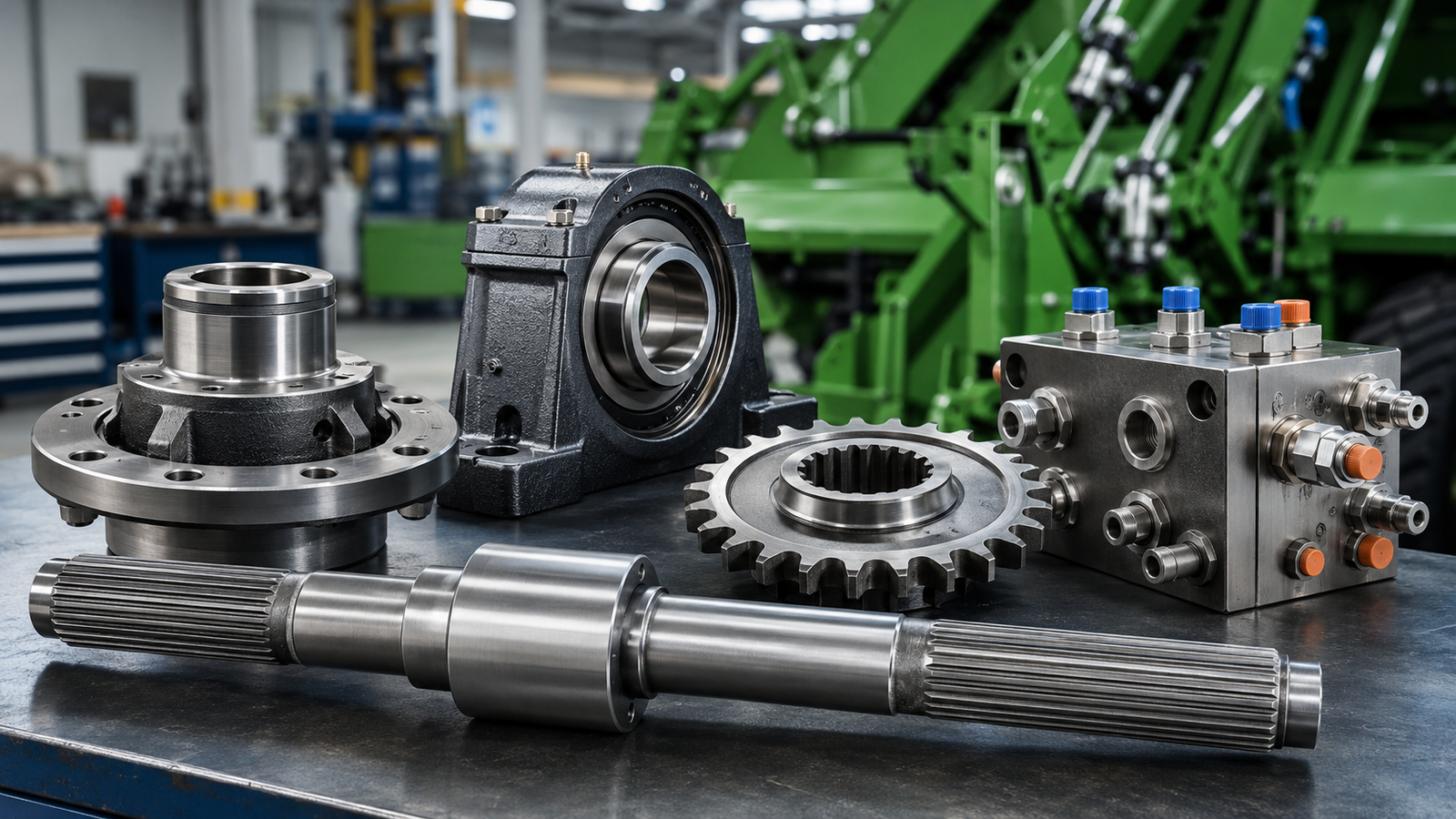
✔ Agricultural Machinery
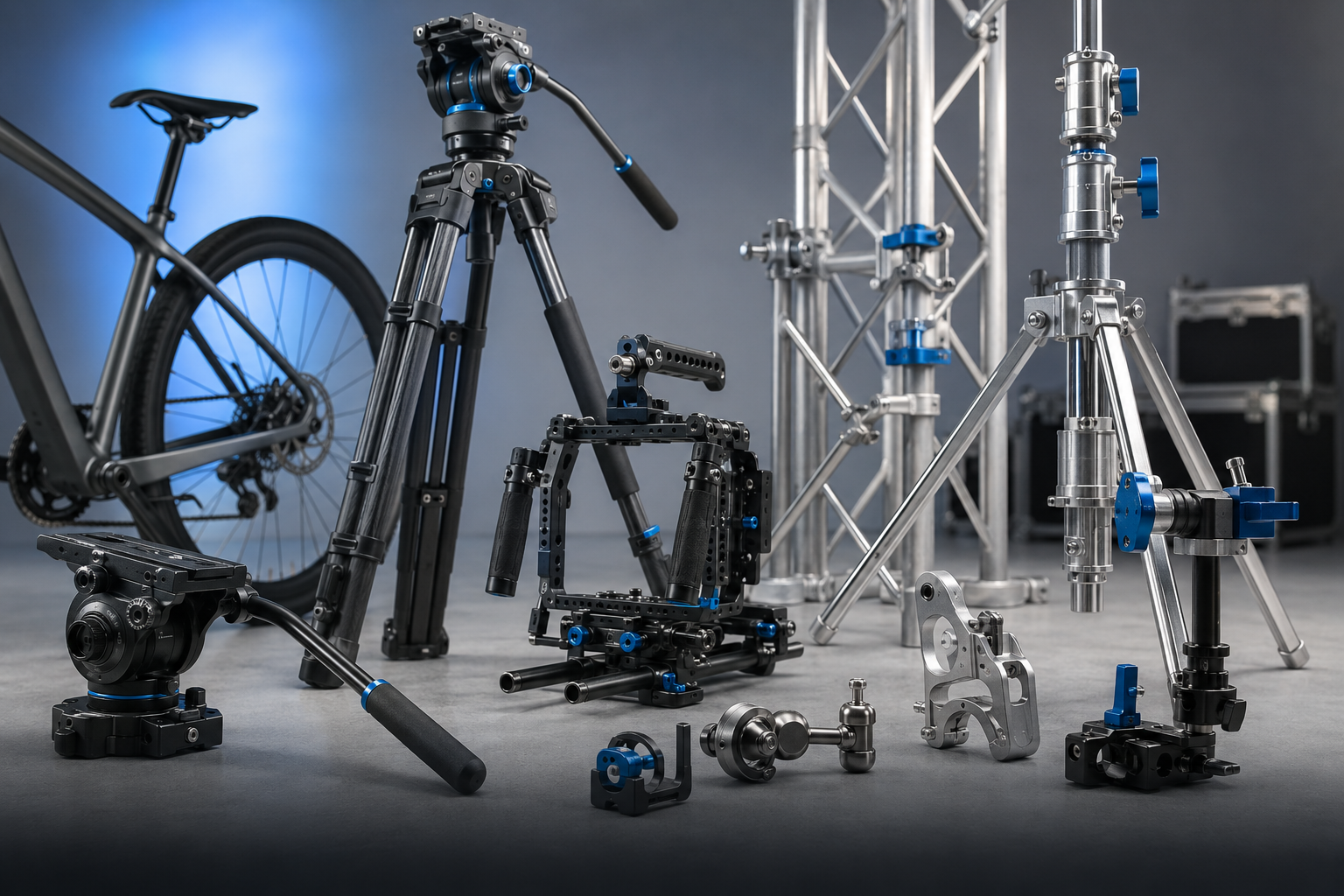
✔ Recreational Equipment
✔ Medical
✔ Communication
✔ Food & Beverage


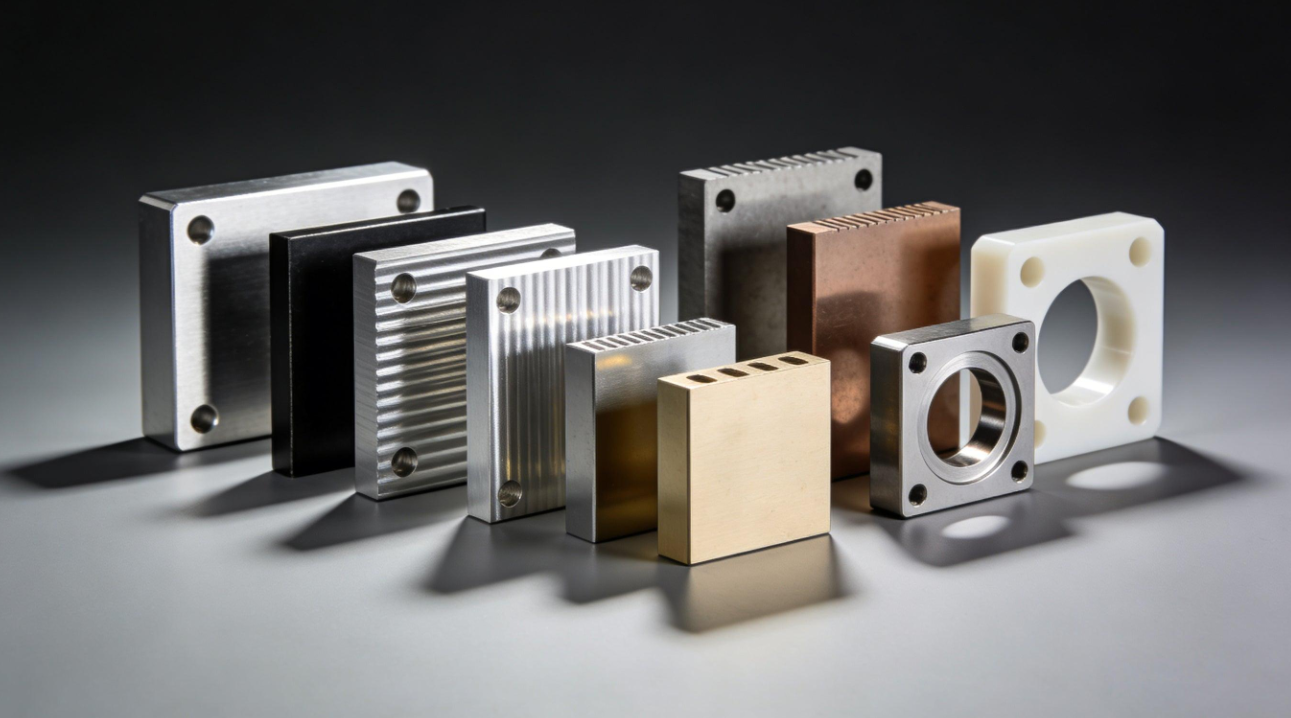
OSM machines a wide range of metals and engineering plastics for custom CNC-turned parts. Material selection depends on strength, corrosion resistance, temperature, wear, dimensional stability and the operating environment of the final component. Explore our complete CNC machining materials guide for available alloys, plastics and material selection support.
Aluminum is lightweight yet strong, with excellent machinability and corrosion resistance. Ideal for aerospace and automotive parts.
Alloys
| ✔ Aluminum 6061 | ✔ Aluminum 6063 |
| ✔ Aluminum 5052 | ✔ Aluminum 6082 |
| ✔ Aluminum 5083 | ✔ Aluminum 7075 |

Copper is known for its superior electrical conductivity and thermal properties, making it perfect for electrical components and heat exchangers.
Alloys
| ✔ C1100 | |
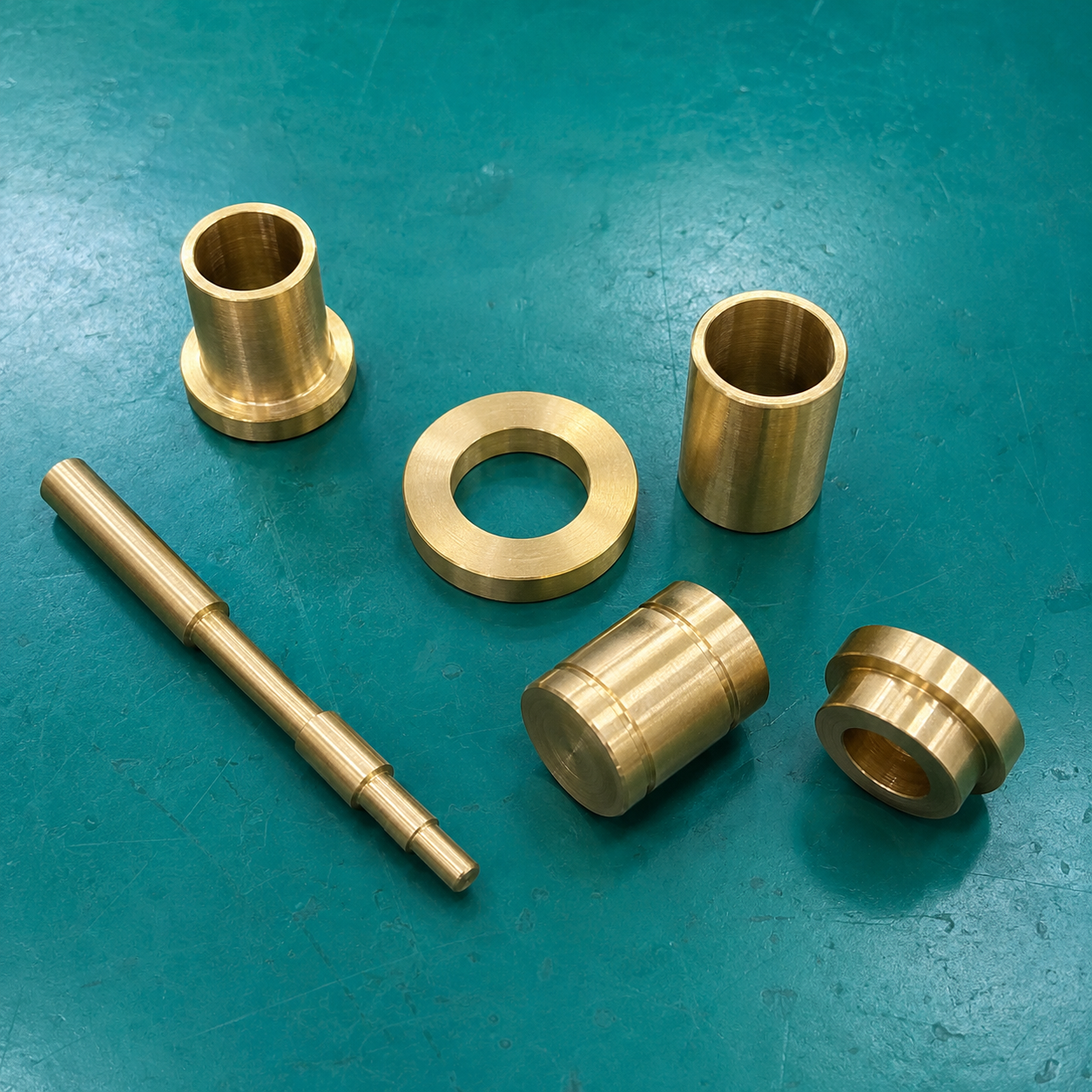
Brass is durable and has a low friction coefficient, which makes it suitable for fittings, tools, and musical instruments that require precision.
Alloys
| ✔ C3604 | |

Steel is an alloy with high tensile strength and durability, commonly used in construction and automotive industries for its robustness.
Alloys
| ✔ SS400 (A36) | ✔ S45C (1045) |
| ✔ SCM420 (8620) | ✔ S50C (1050) |
| ✔ SCM440 (4140) | ✔ SKD11 (D2) |

Stainless steel is renowned for its corrosion resistance, making it a prime choice for medical devices and food processing equipment.
Alloys
| ✔ SUS201 | ✔ SUS303 |
| ✔ SUS304 | ✔ SUS304L |
| ✔ SUS316 | ✔ SUS316L |

POM is strong, with a low friction surface and good dimensional stability, perfect for precision parts in mechanical applications.
| ✔ POM Black | ✔ POM White |
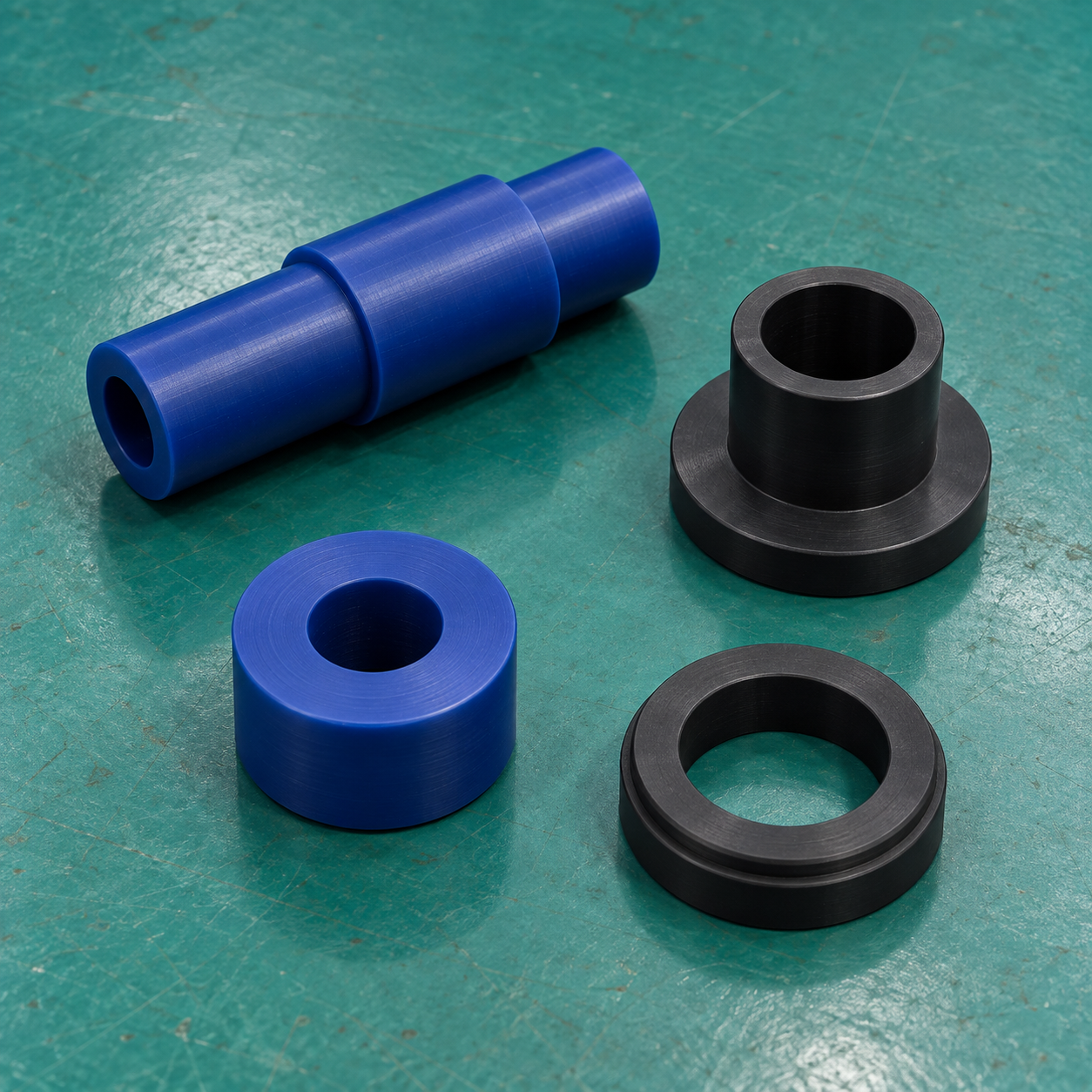
Nylon is versatile, strong, and wears well against friction, commonly used for gears, bearings, and other wear-resistant surfaces.
| ✔ PA (Nylon) Blue | ✔ PA6 (Nylon) Black |
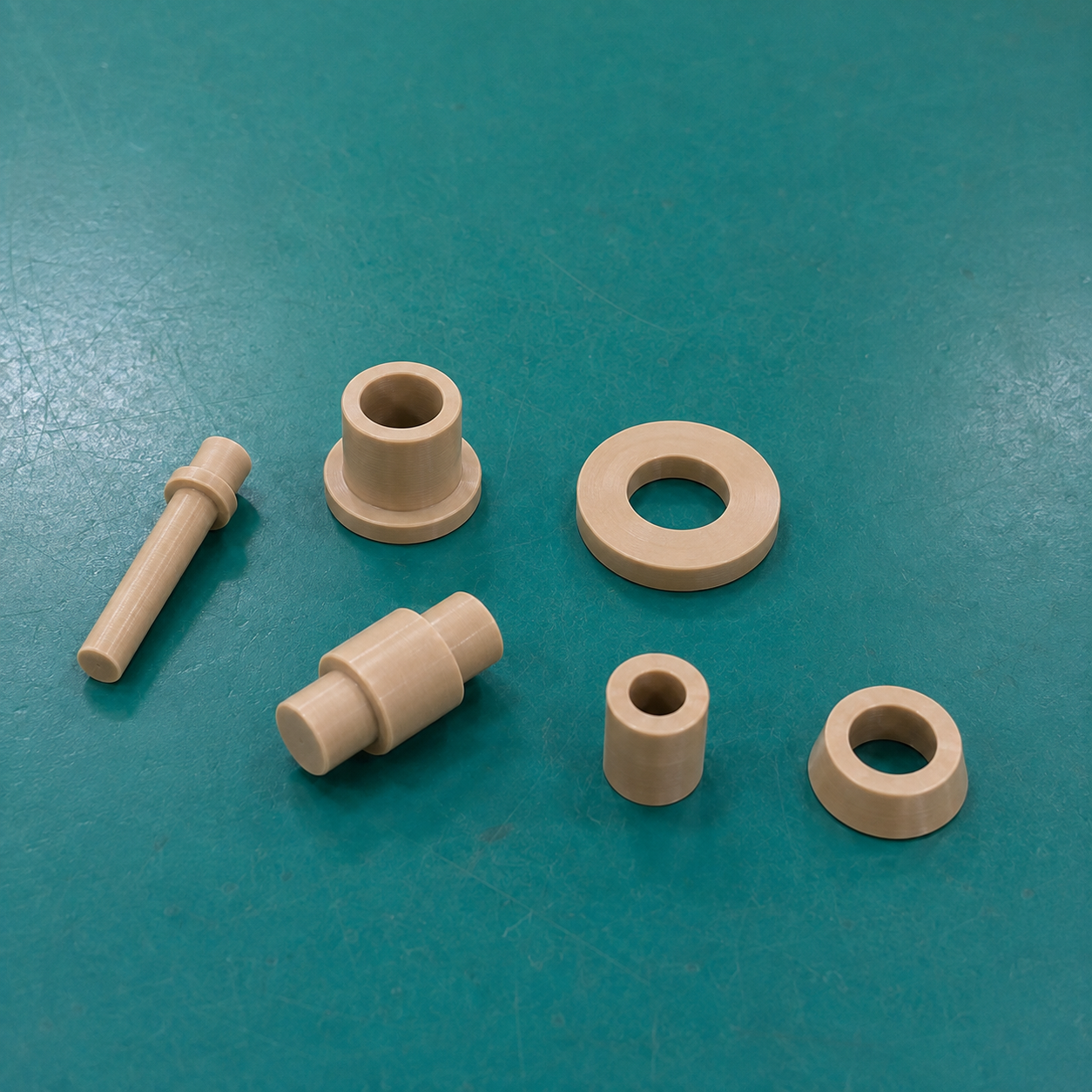
PEEK offers high-temperature resistance, chemical resistance and good dimensional stability for demanding engineering applications.
| ✔ PEEK Beige (Natural) | ✔ PEEK Black |

PEEK offers high-temperature resistance, chemical resistance and good dimensional stability for demanding engineering applications.
| ✔ PTFE (Teflon) White | ✔ PTFE (Teflon) Black |
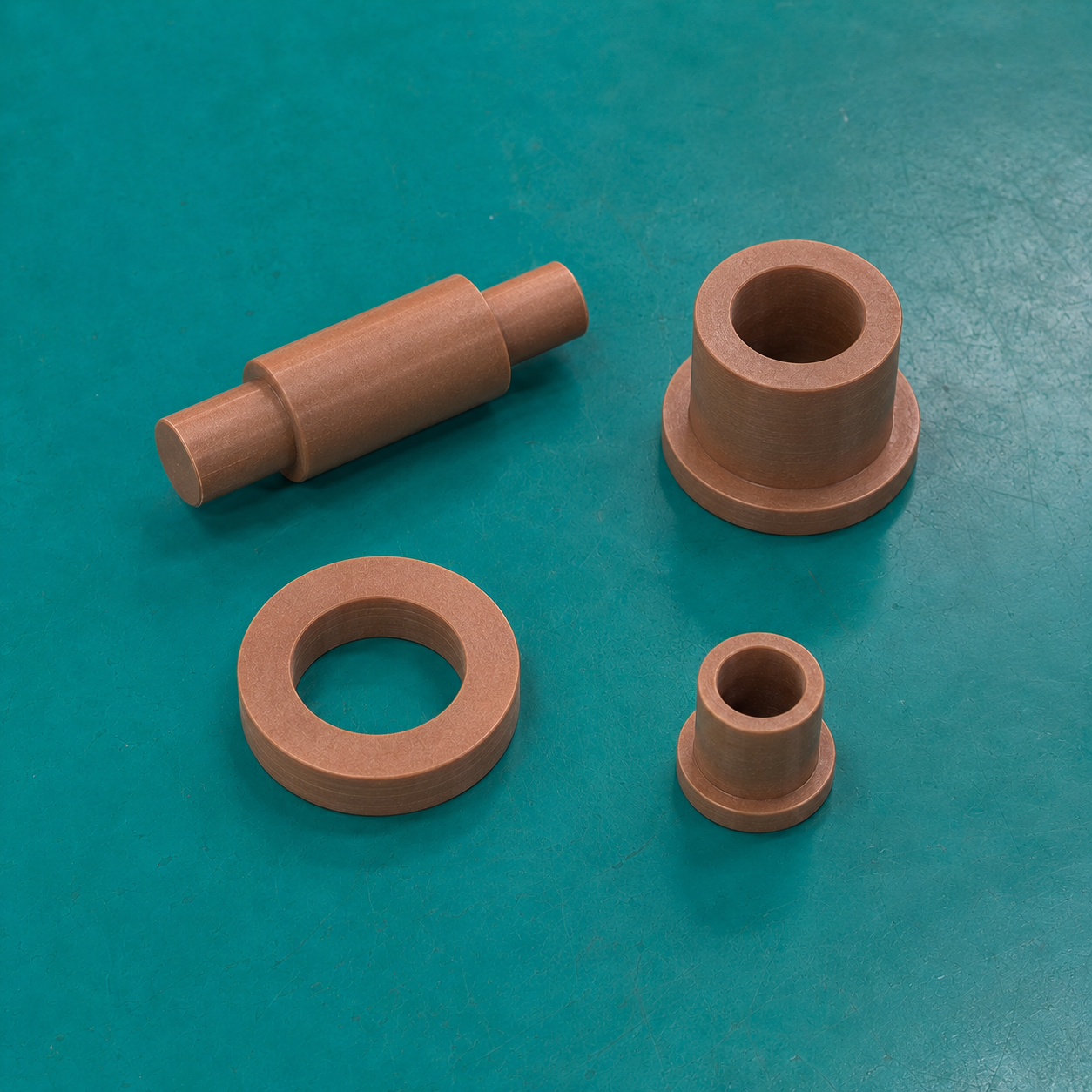
Bakelite is heat resistant and electrically non-conductive, perfect for electrical insulators and radio and telephone casings.
| ✔ Bakelite Orange | |

PMMA, or acrylic, is known for its crystal clarity and weather resistance, making it ideal for outdoor fixtures and display cases.
| ✔ PMMA (Acrylic) Transparent | |
Surface finishing can improve the appearance, corrosion resistance, wear performance and surface condition of CNC-turned parts. Available options depend on the base material, dimensional tolerances and functional requirements of each project. View our surface finishing services for detailed process options and material compatibility.

Polishing achieves a high gloss finish, reducing surface roughness and enhancing the aesthetic appeal of metals.
Roughness
| ✔ Ra0.4 | |
| ✔ Ra0.2 | |
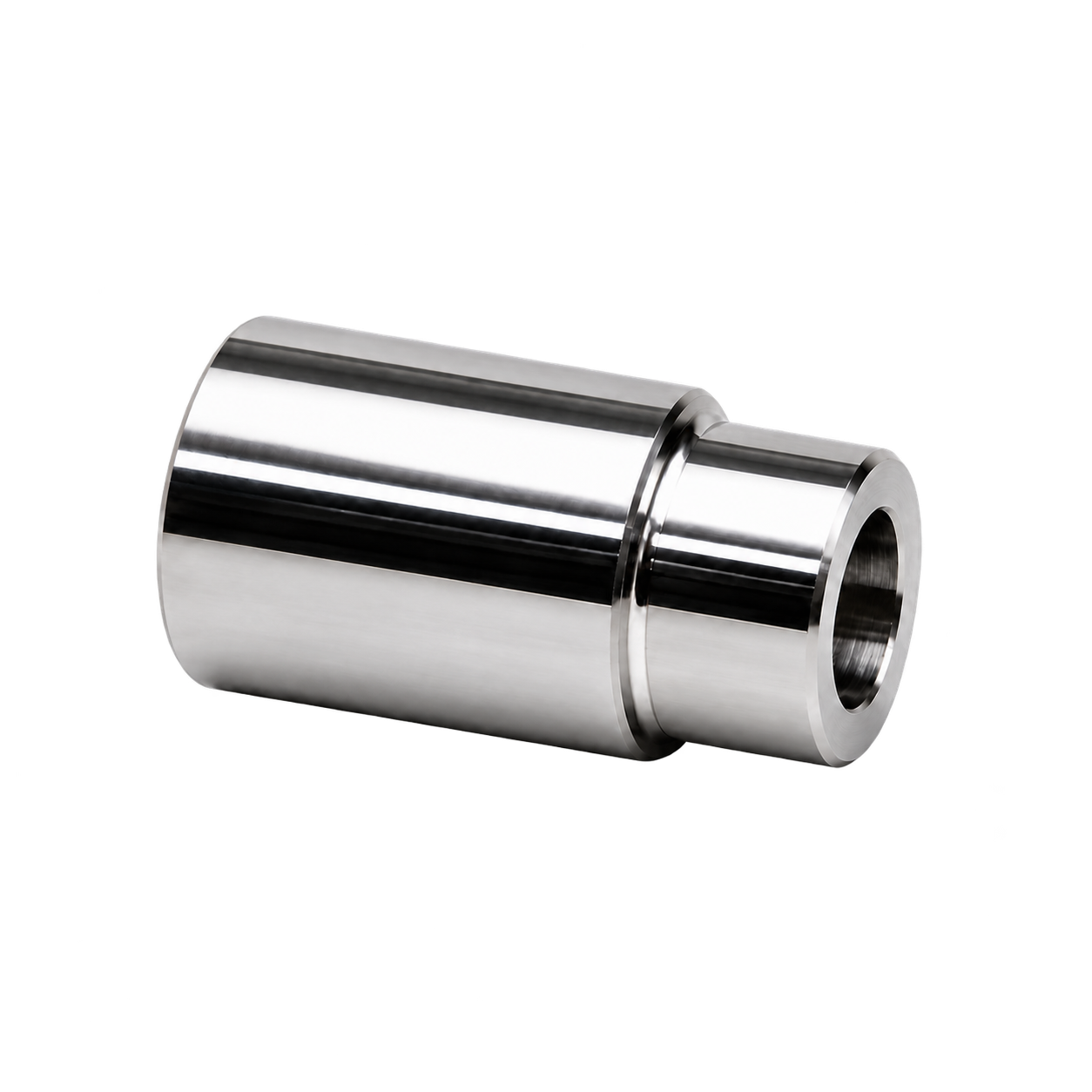
As machined finish leaves the surface straight from the CNC machine, providing a cost-effective option with tool marks.
Roughness
| ✔ Ra0.8 | |
| ✔ Ra1.6 | |
| ✔ Ra3.2 |
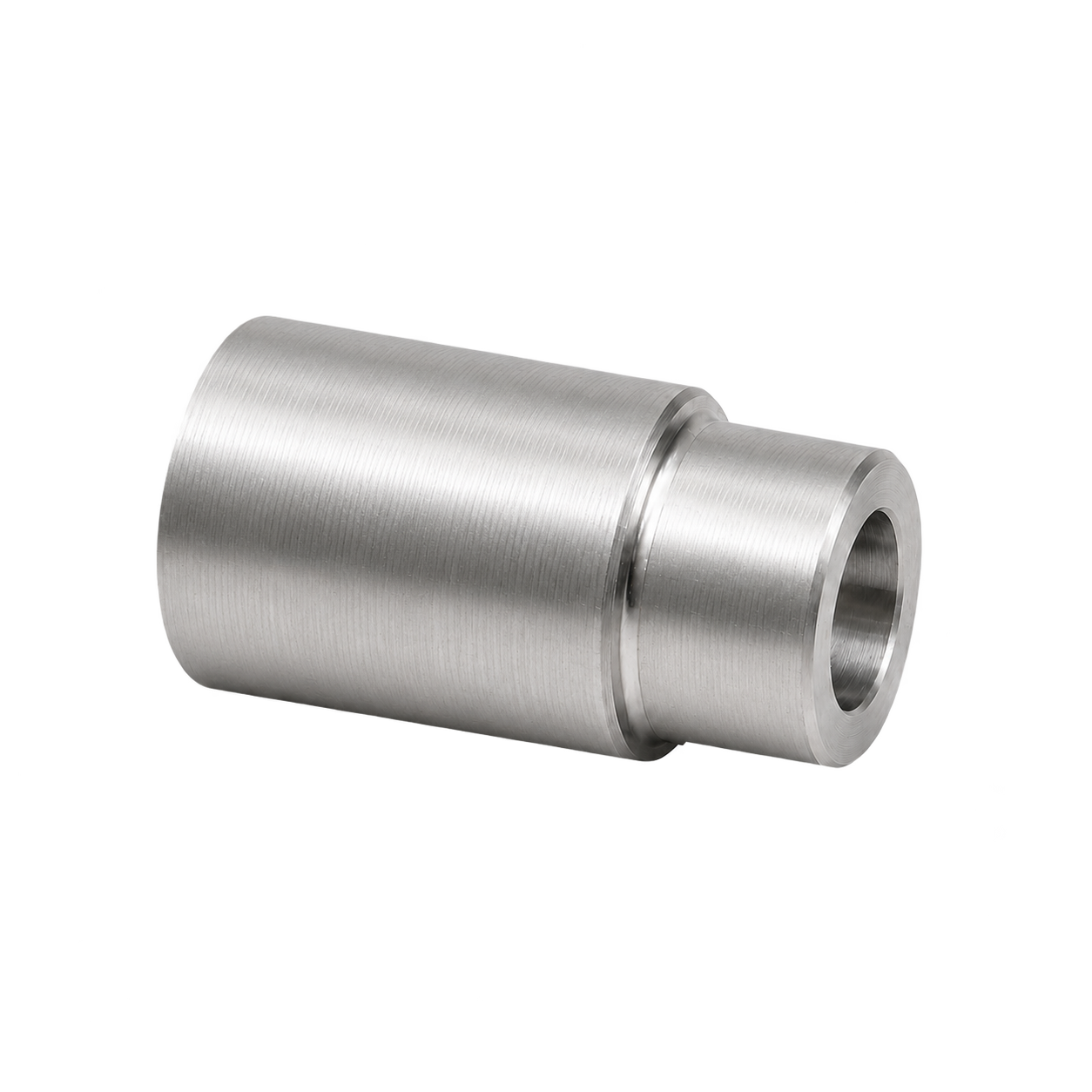
Anodizing increases corrosion resistance and wear properties, while allowing for color dyeing, ideal for aluminum parts.
Colors
| ✔ Black | ✔ White |
| ✔ Red | ✔ Yellow |
| ✔ Blue | ✔ Clear |
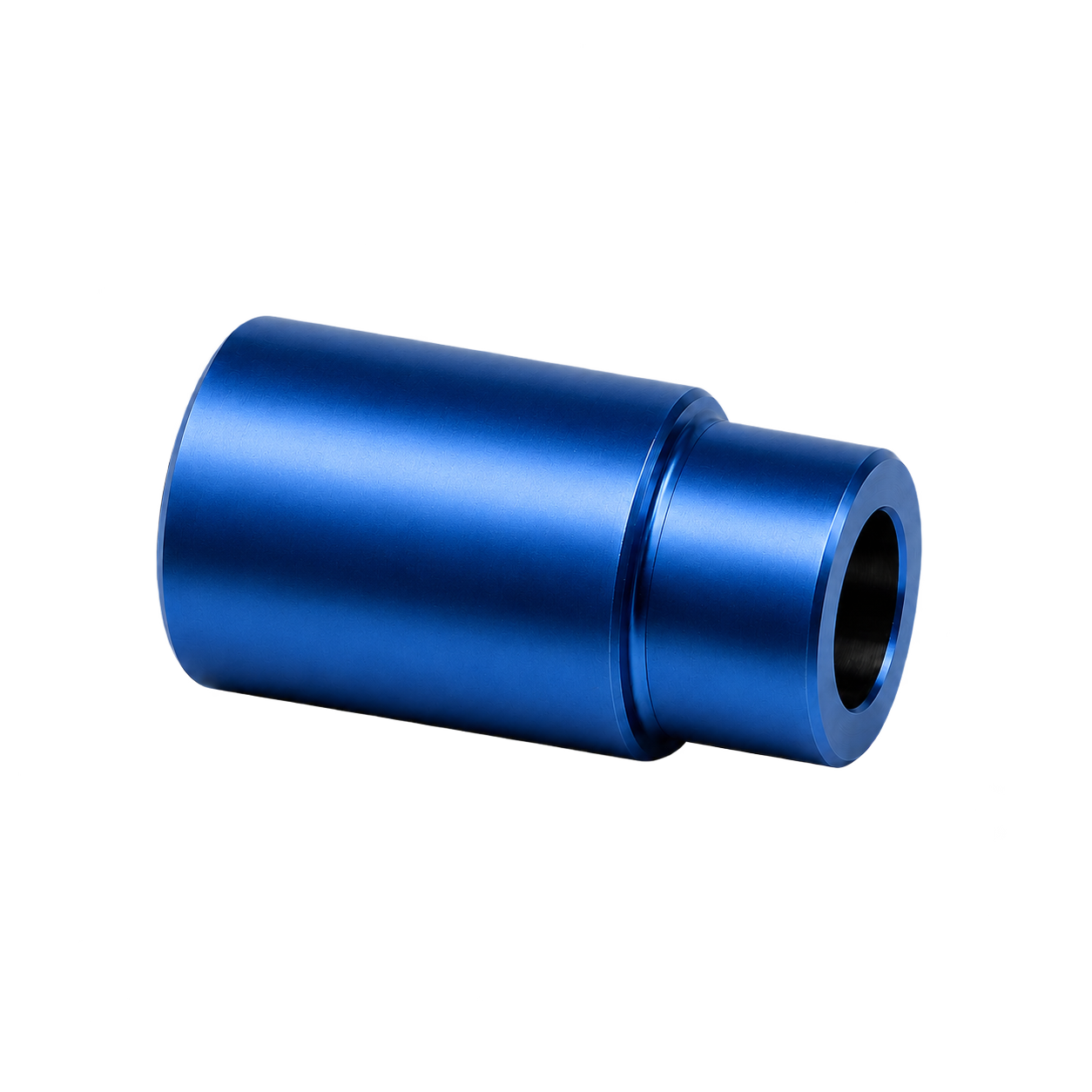
Alodine coating provides corrosion protection and improves paint adhesion, mainly used on aluminum surfaces.
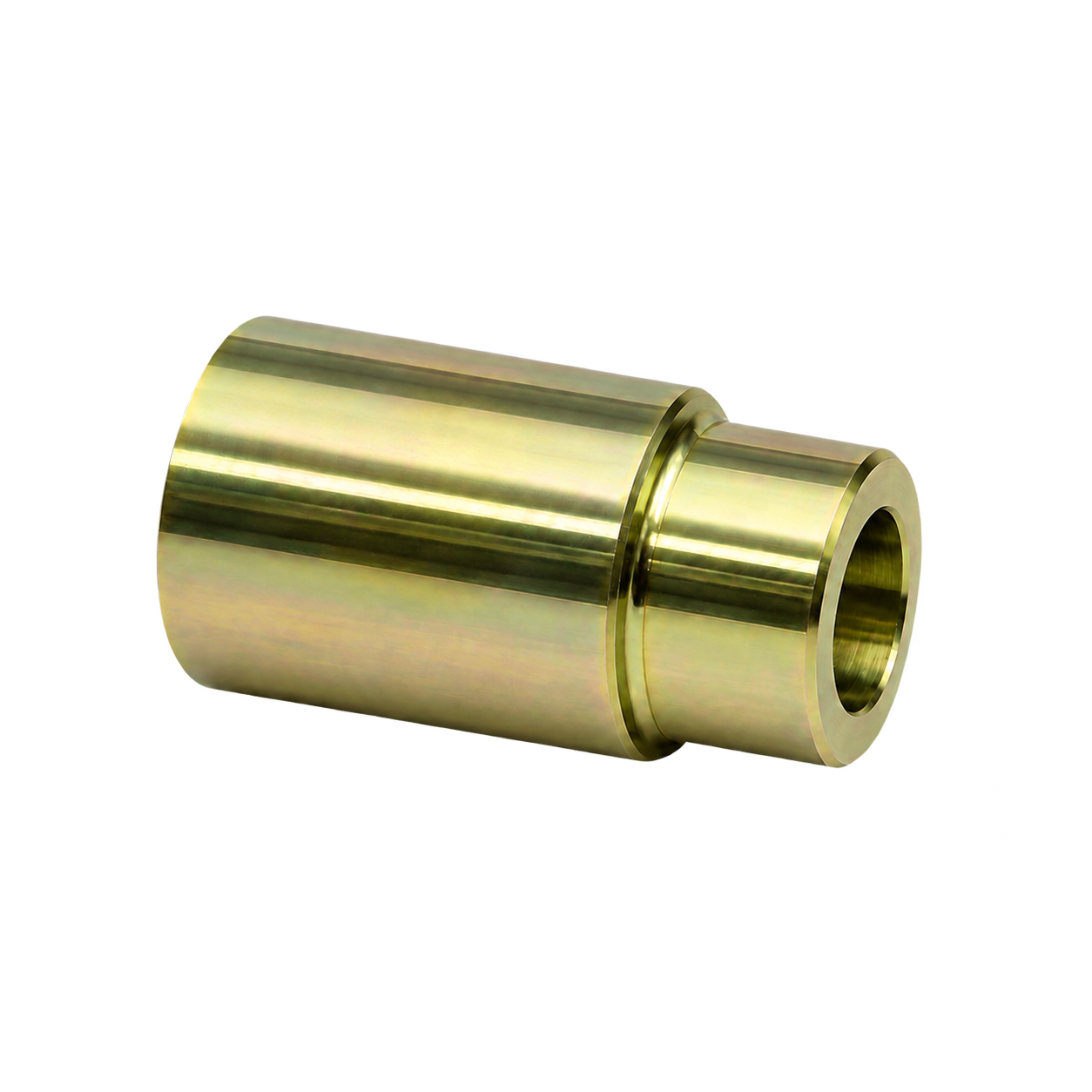
Electropolishing is a chemical process that smooths and brightens surfaces while improving corrosion resistance.
Electroplating bonds a thin metal layer onto parts, improving wear resistance, corrosion resistance, and surface conductivity.
Types of plating coatings
| ✔ Zinc | ✔ Hard Chrome Plating |
| ✔ Nickel Plating | ✔ Decorative Chrome Plating |
| ✔ Electroless Nickel Plating |
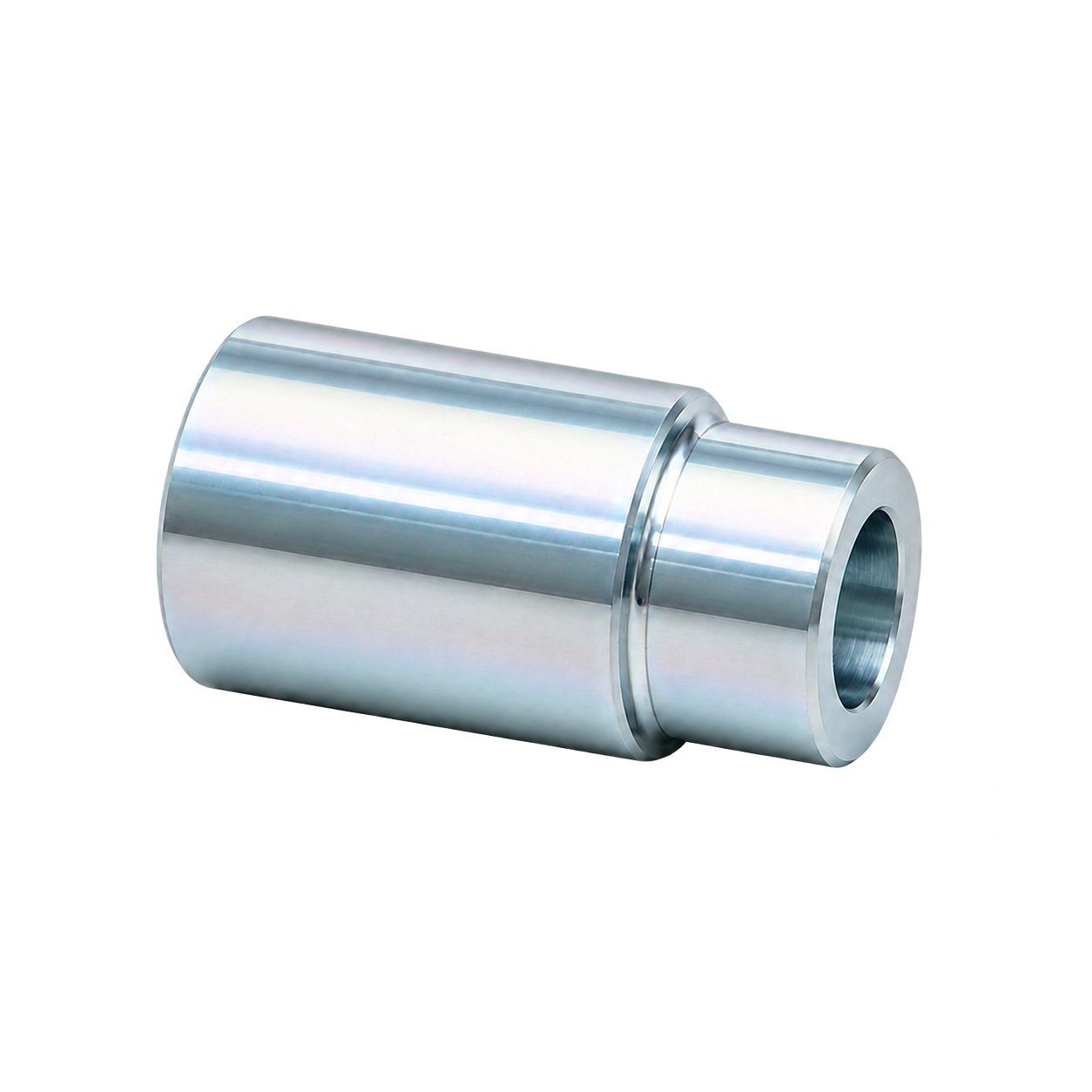
Powder coating applies a thick, wear-resistant layer with excellent color and texture options, suitable for a variety of surfaces.
Colors
| ✔ White | ✔ Black |
| ✔ RAL | ✔ Pantone |
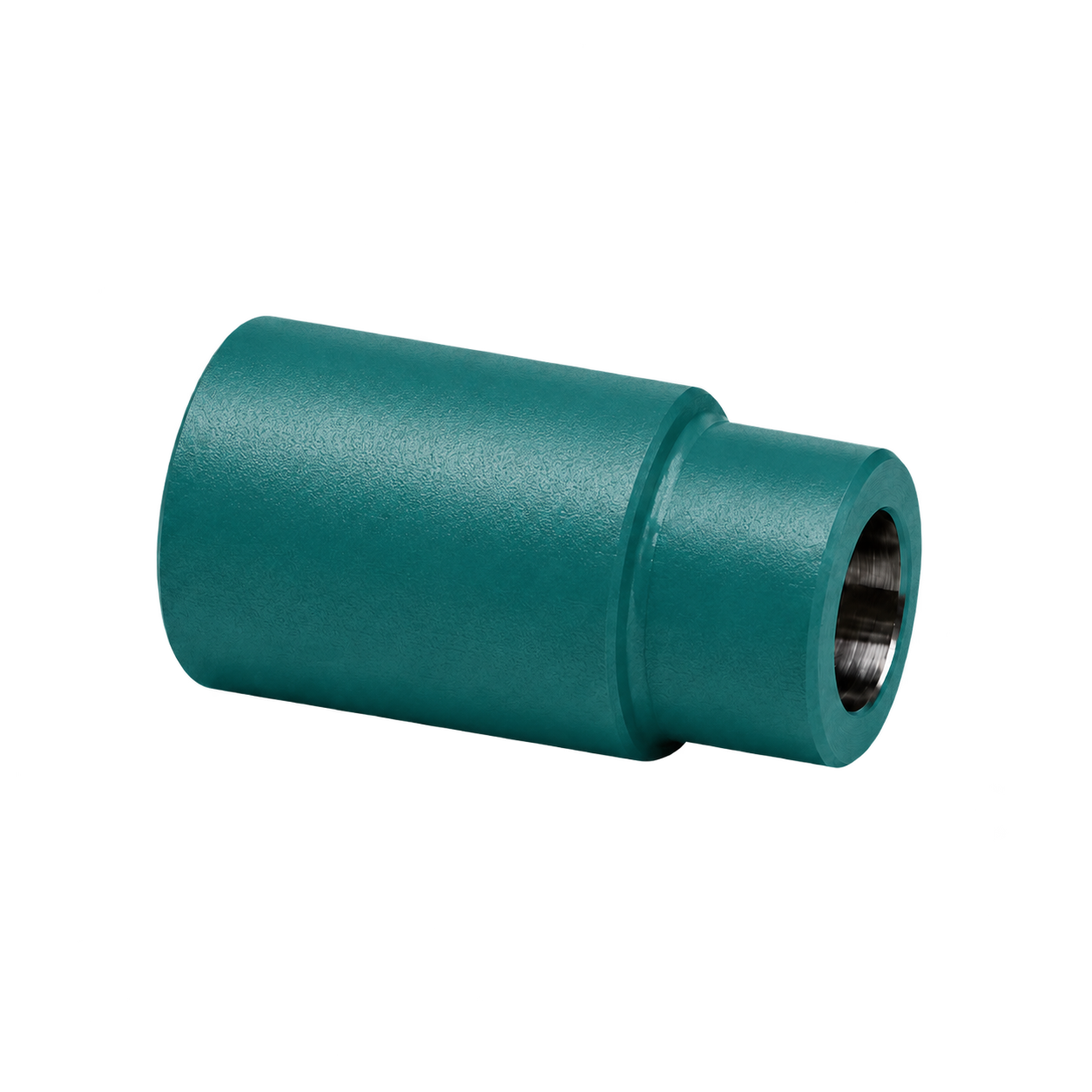
Black oxide is a conversion coating for ferrous metals that improves corrosion resistance and minimizes light reflection.
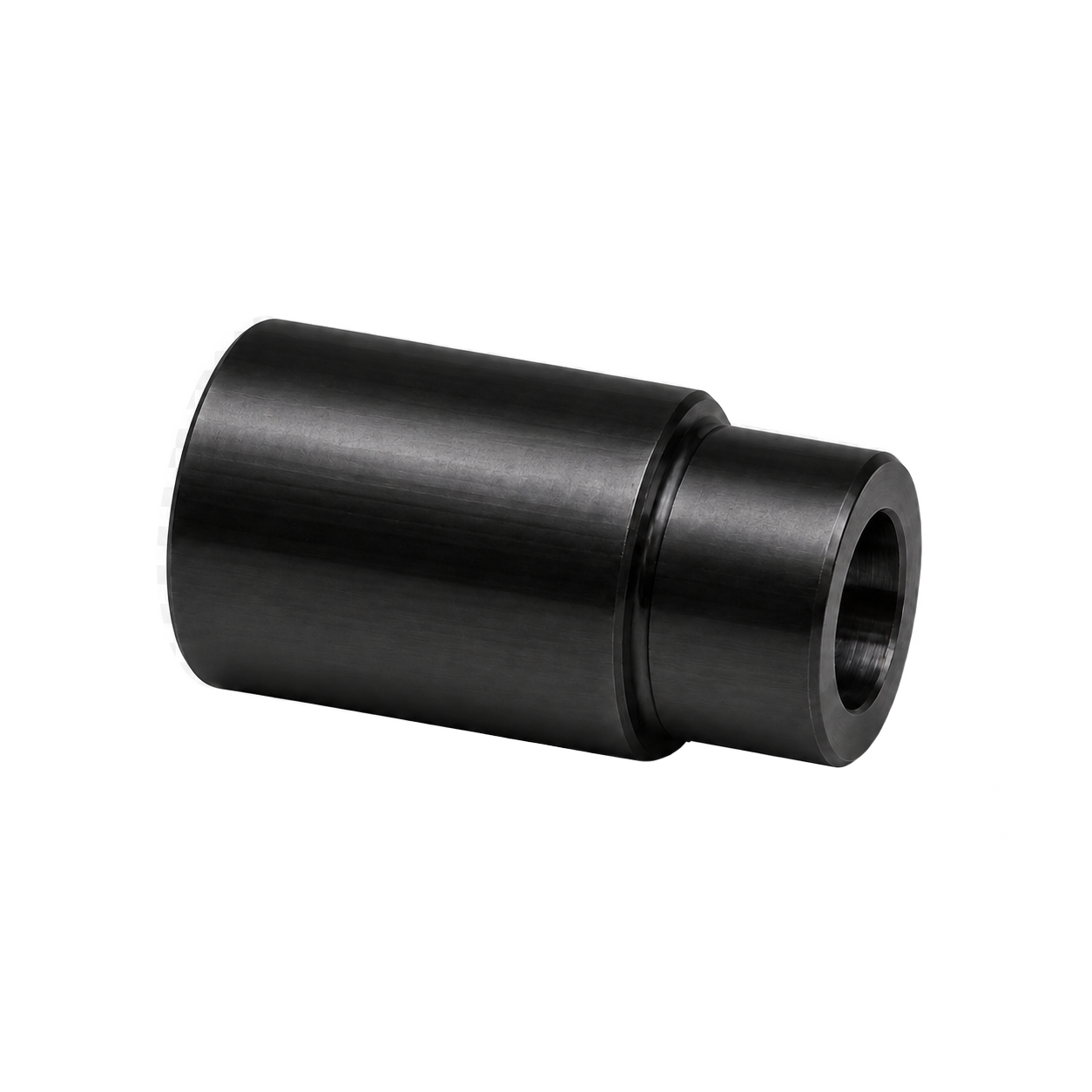
Heat Treatment alters the mechanical properties of metal to increase its hardness, strength, or ductility.
Types of processing
| ✔ Quenched and Tempered | ✔ Vacuum Hardening |
| ✔ Carburizing | ✔ Nitriding |
| ✔ Induction Hardening | ✔ Normalizing |
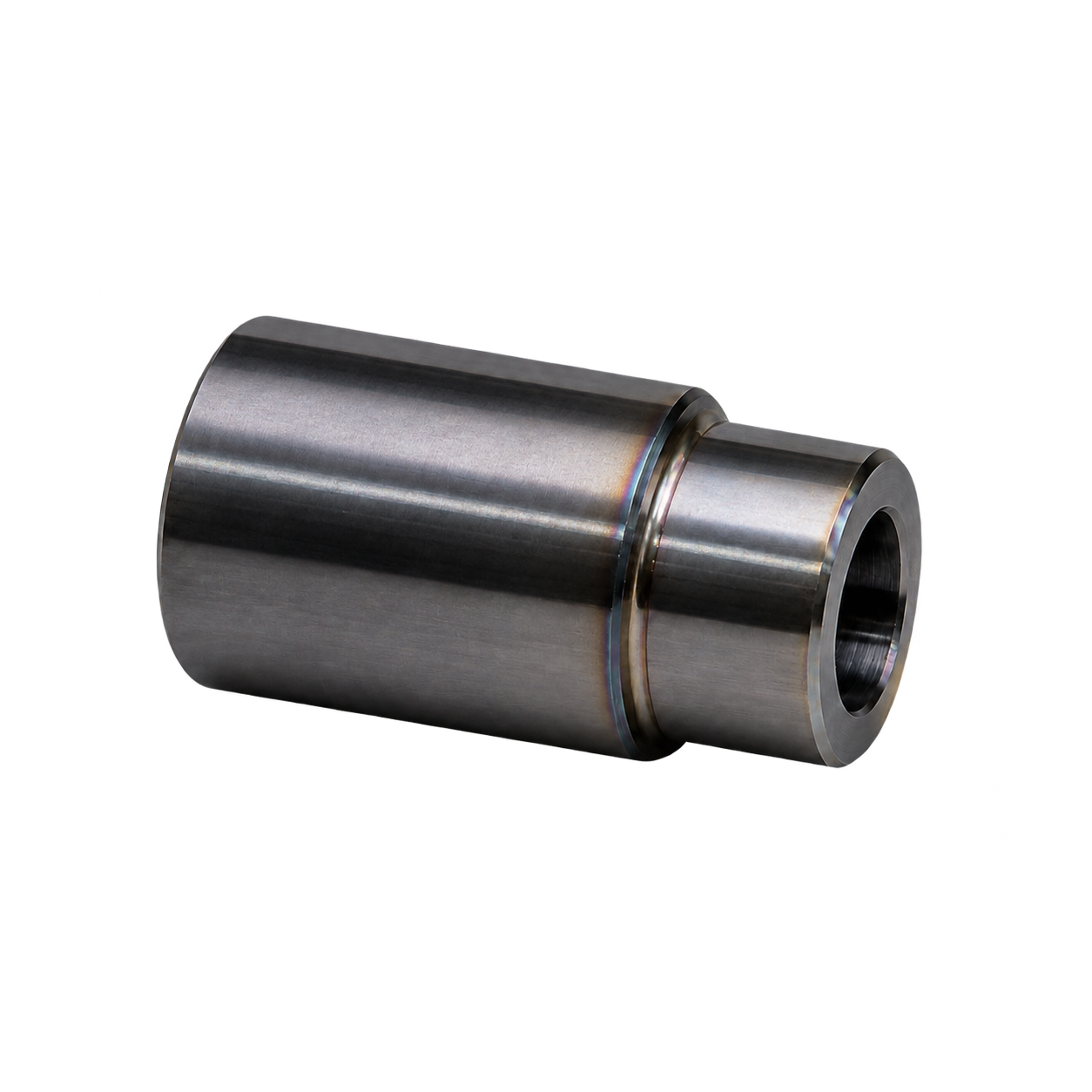
Sandblasting uses pressurized sand or other media to clean and texture the surface, creating a uniform, matte finish.
Grit/Grain
| ✔ #80-100 | |
| ✔ #100-170 | |
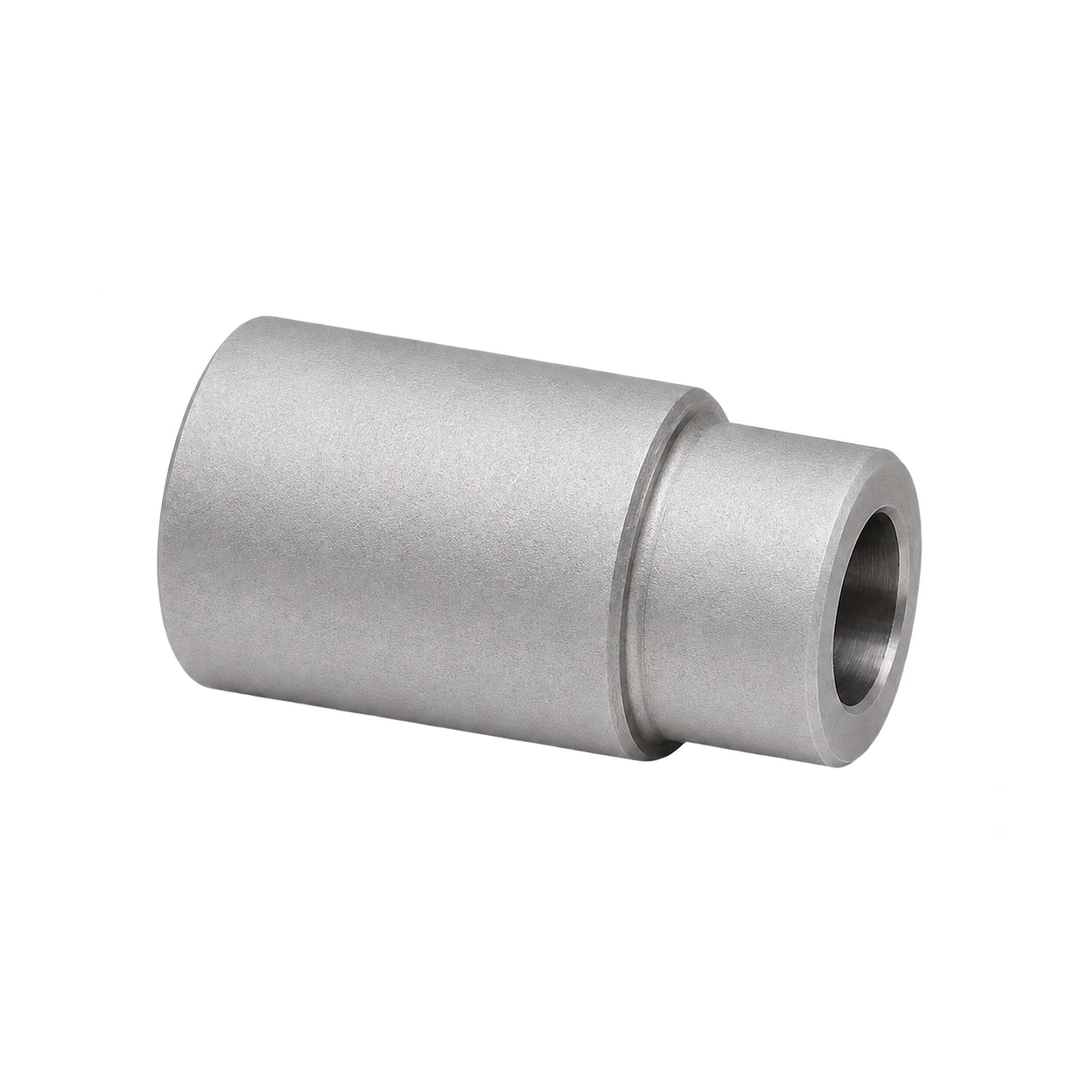
Grinding removes a controlled amount of material with an abrasive wheel to improve dimensional accuracy, roundness and surface finish on suitable turned features.
Roughness
| ✔ Ra0.4 | |
| ✔ Ra0.2 | |
Tumbling smooths and polishes small parts by friction and abrasion in a barrel, offering a consistent but slightly textured finish.
Grit/Grain
| ✔ Globular | ✔ Triangular |
| ✔ Cylindrical | ✔ Polygonal |
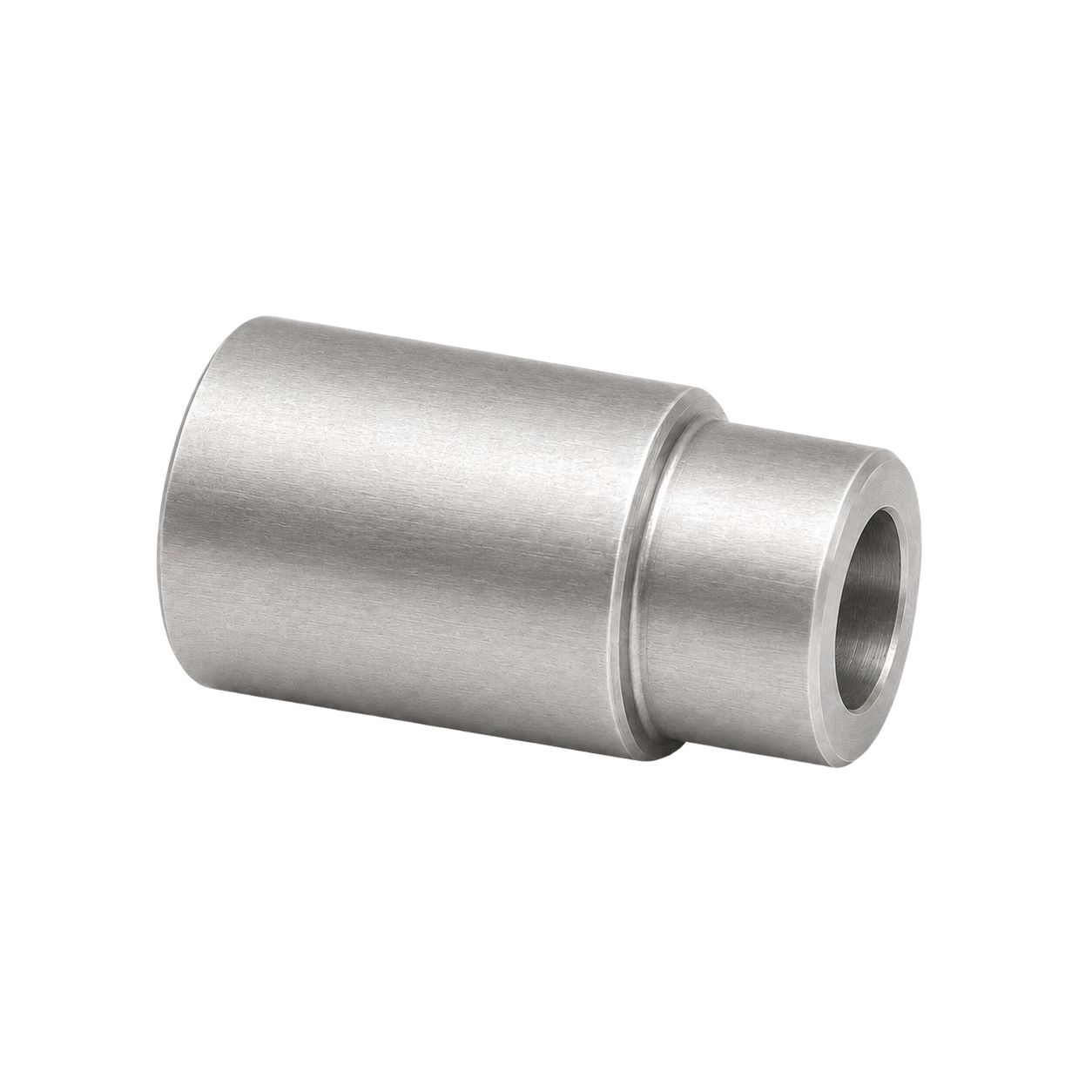
OSM machines precision CNC-turned parts to meet demanding dimensional tolerance requirements. Depending on your design, our CNC turning machines can achieve tolerances as tight as ±0.01 mm. Our standard tolerances are ISO 2768-m for machined metals and ISO 2768-c for plastics.
| Description | |
|---|---|
| Maximum part size | Typically up to 200 mm in diameter and 500 mm in length, depending on the material and machine configuration. |
| Minimum part size | As small as 1 mm in diameter, depending on the part geometry and material. |
| General tolerance | Standard tolerances are ±0.01 mm; tighter tolerances down to ±0.005 mm can be achieved depending on the material and part complexity. |
| Lead time | Standard lead times range from 3–7 days for small production batches. Expedited delivery is available, reducing lead times to 24–48 hours depending on part complexity and material availability. |

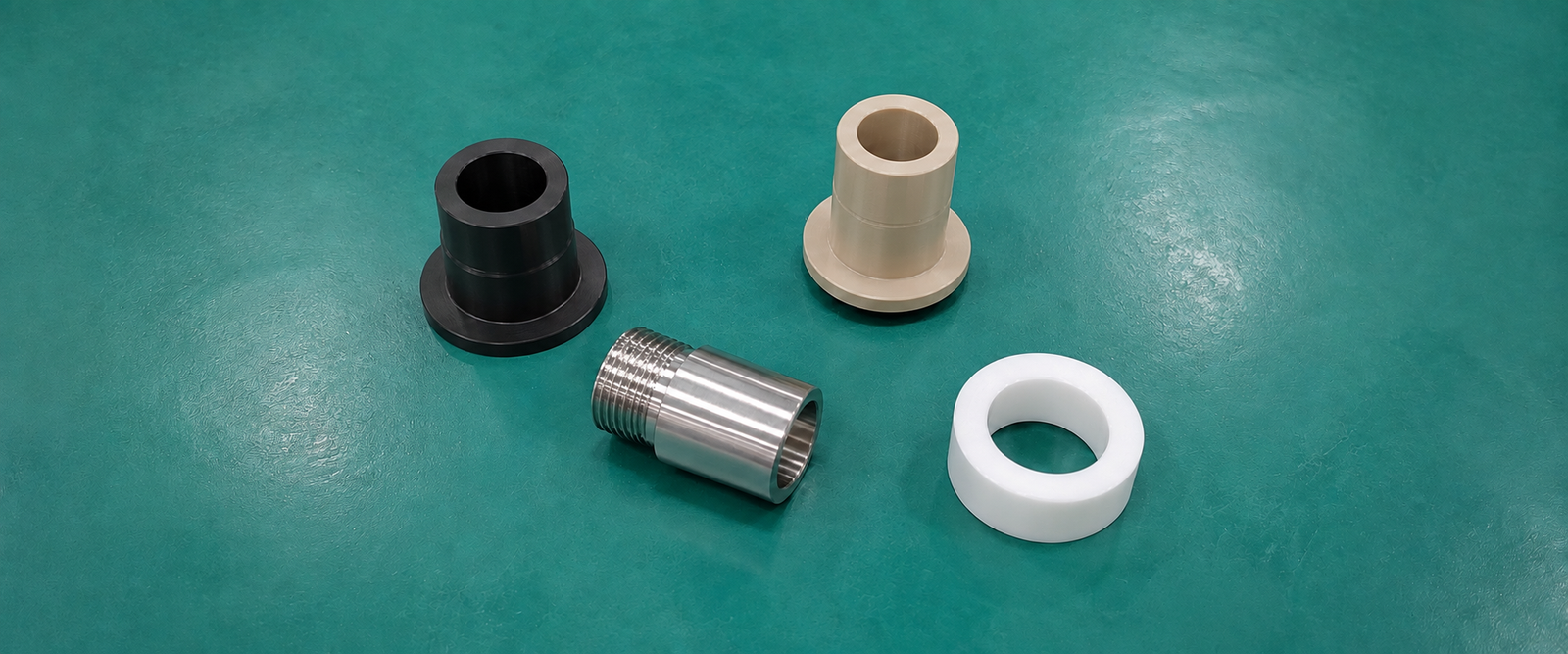
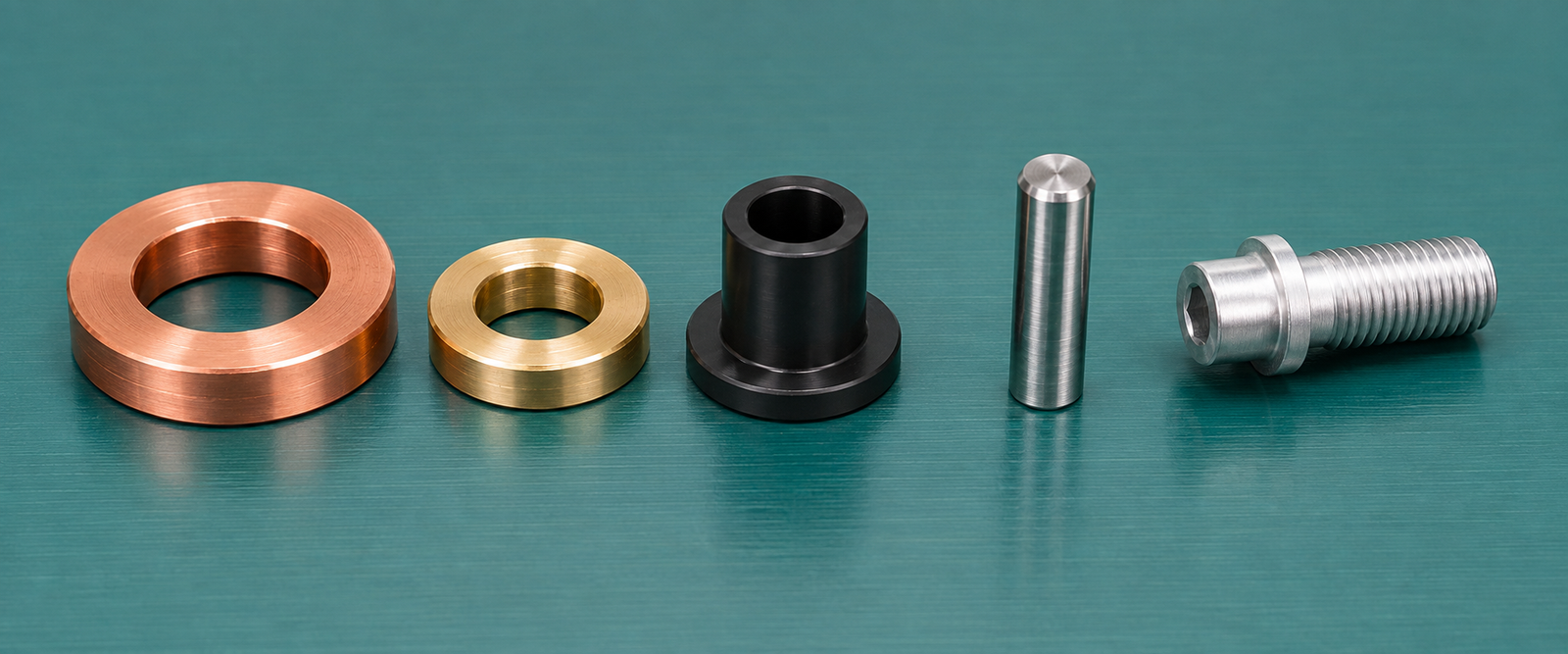
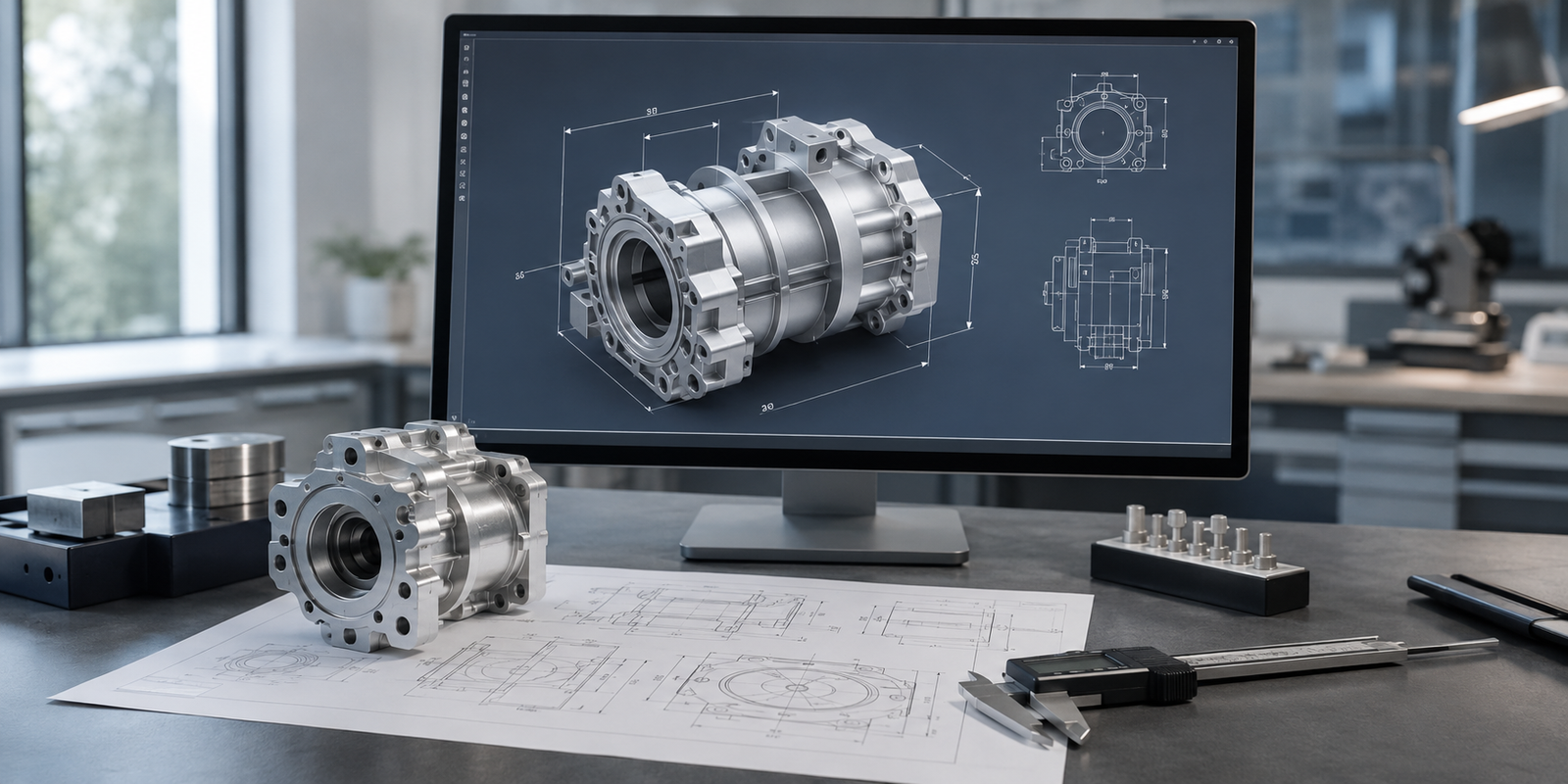
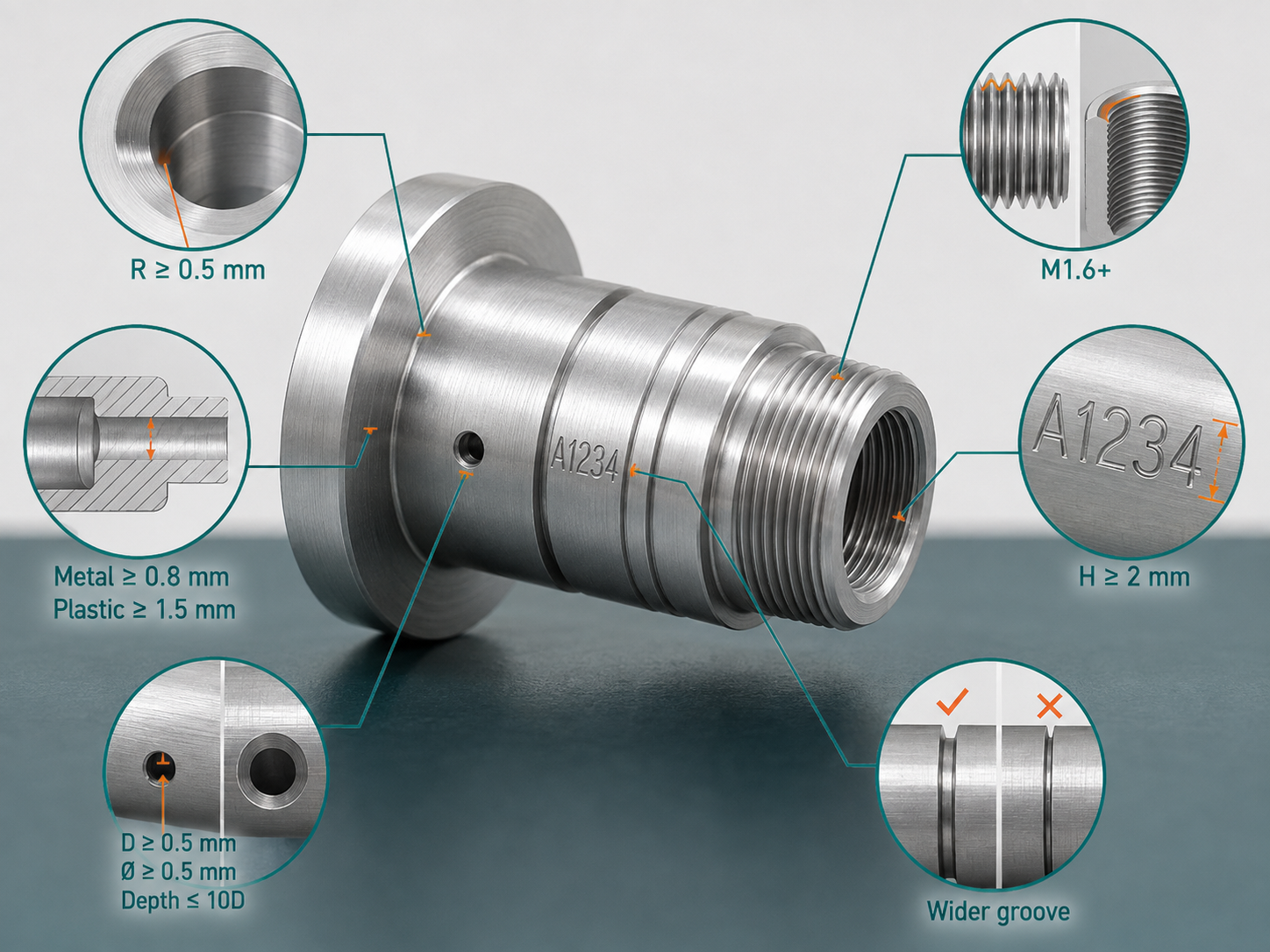
A well-designed part helps minimize machining risks, control costs, and improve the consistency of CNC-machined parts. Use the following guidelines when preparing drawings or CAD files for custom CNC machining.
| Recommended dimensions | |
|---|---|
| Radius | A minimum internal radius of 0.5 mm is recommended. Larger radii (up to 3 mm or more) can improve tool access and reduce stress concentration in the part. |
| Threads and threaded holes | Both external and internal threads can be precisely machined. Standard thread sizes from M1.6 and above are feasible. Ensure a minimum thread length of 1.5 times the diameter for improved stability. |
| Minimum wall thickness | Maintain a minimum wall thickness of 0.8 mm for metals and 1.5 mm for plastics to ensure structural strength without affecting the machining process. |
| Text | For clear and readable results after machining, engraved text should have a minimum height of 2 mm and a depth of at least 0.5 mm. |
| Holes | The minimum hole diameter is 0.5 mm. For deep holes, maintain a diameter-to-depth ratio of 1:10 to prevent tool deflection and ensure hole quality. |
| Grooves and slots | Avoid excessively narrow grooves whenever possible. Wider grooves improve tool access and machining stability. |
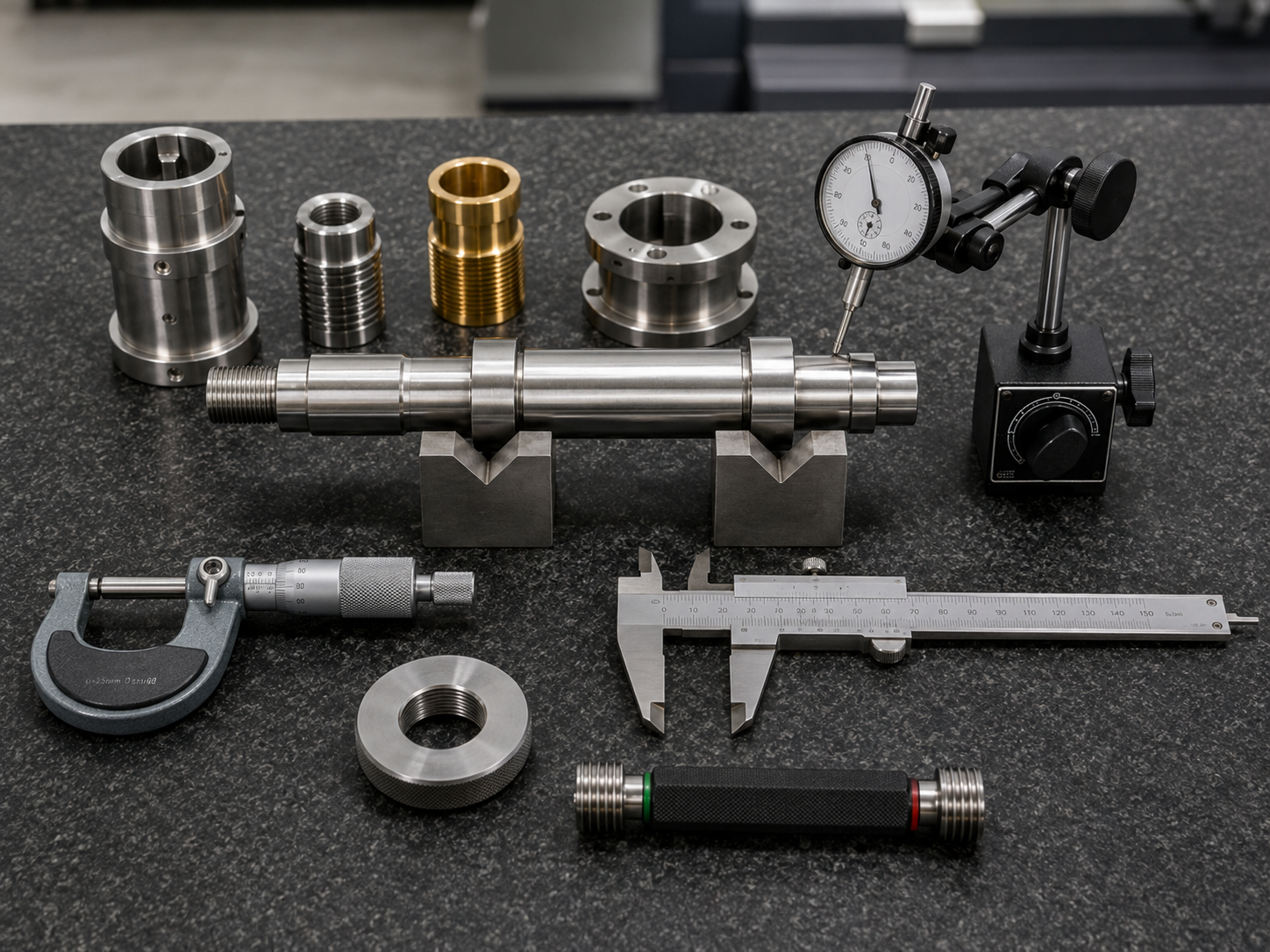
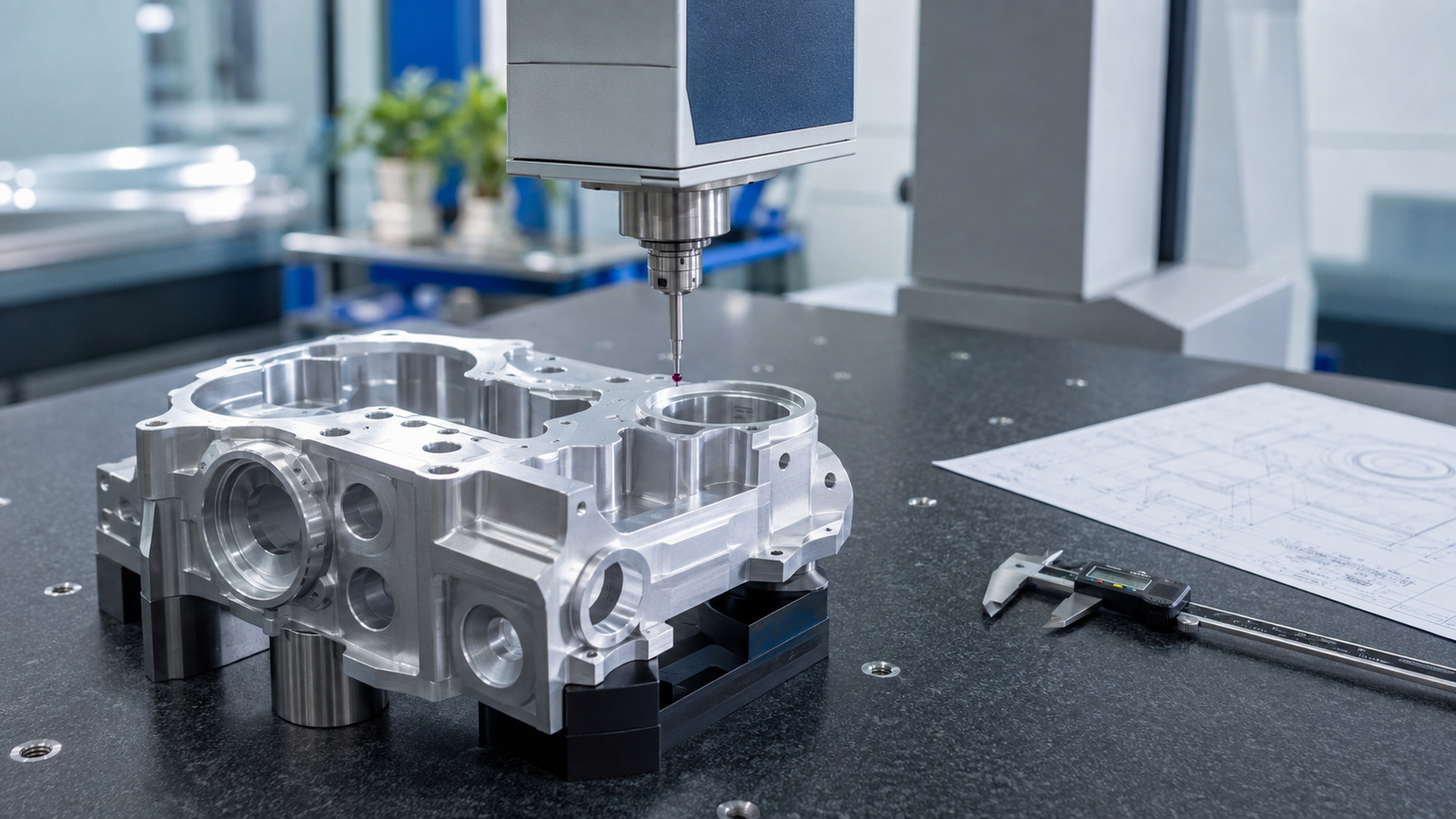
Critical dimensions, tolerances, threads and surface requirements are verified throughout production and before delivery.
Dimensional Inspection
Outside and inside diameters, lengths, shoulders, holes and grooves.

Geometric Accuracy
Runout, concentricity, perpendicularity and critical relationships.

Threads & Surface
Thread fit, pitch, visual condition and specified surface finish.

Quality Documentation
Inspection records and certificates available according to project requirements.






CNC turning uses computer-controlled lathes to rotate the workpiece while cutting tools remove material, producing round, cylindrical, or threaded parts. This process is commonly used to manufacture shafts, pins, bushings, sleeves, washers, and other precision components that require consistent dimensions and repeatable quality.
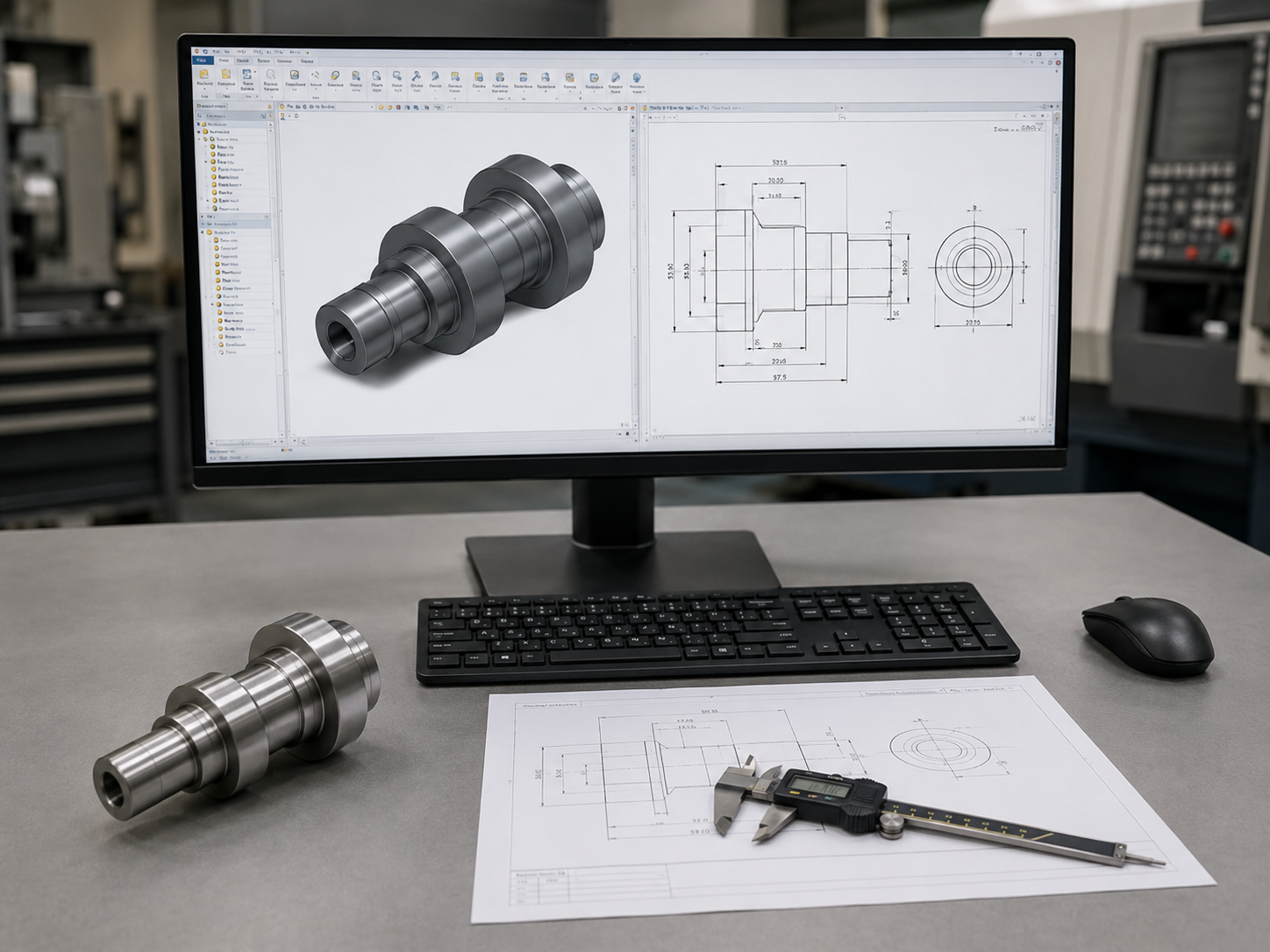



Right To The Drawing – Right To The Tolerance – Right To The Quality.

Strict Quality Control At Every Stage Of Production.

Providing Technical Guidance And Optimizing Solutions Together With Our Customers.

Committed To On-Time Delivery, Supporting Every Production Schedule.
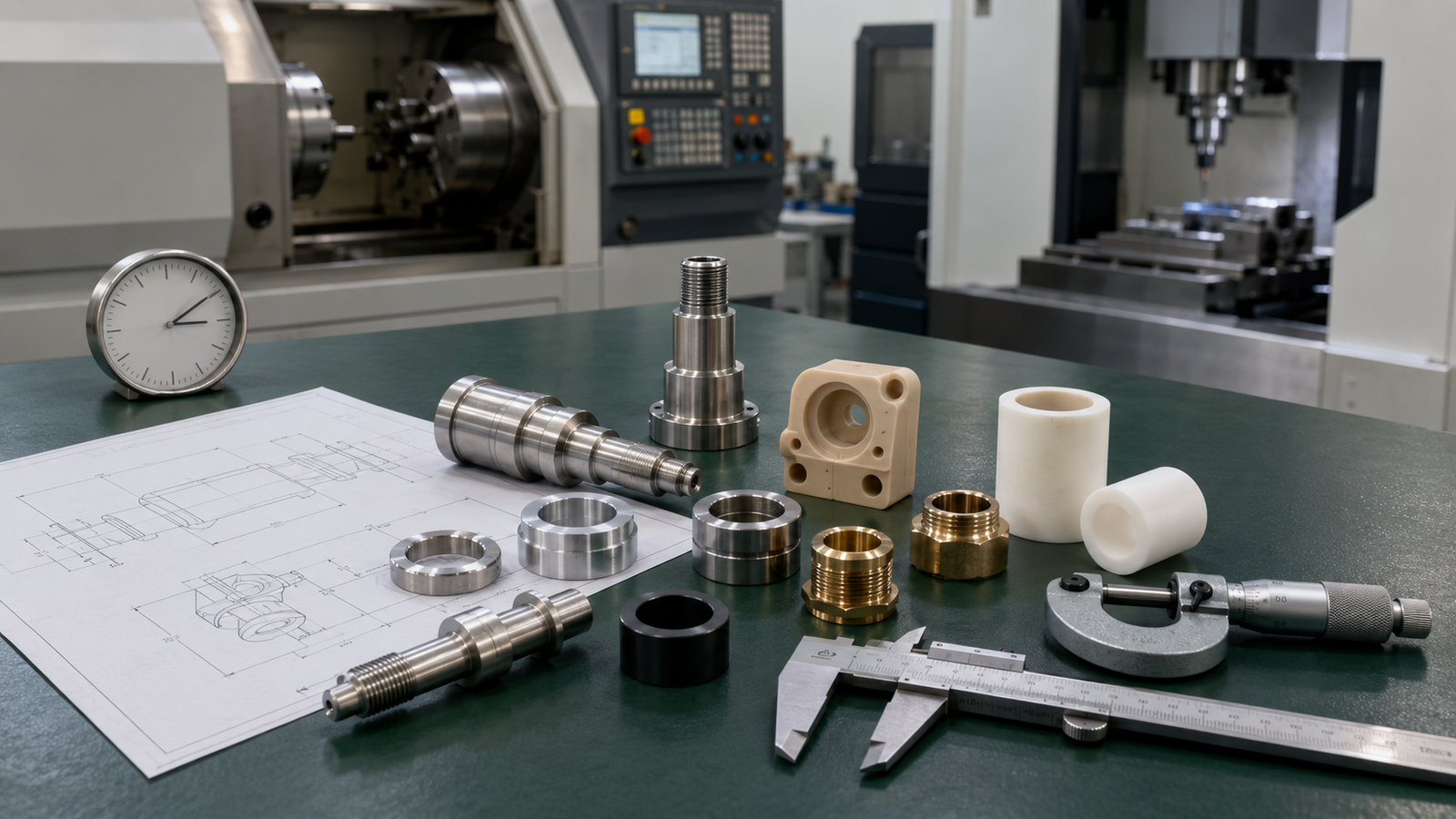
CNC machining uses computer-controlled machines to manufacture precise metal and plastic parts. OSM provides custom CNC milling and CNC turning services from prototypes to production.
Common CNC machining materials include aluminum, stainless steel, carbon steel, brass, copper and engineering plastics. Material selection depends on strength, wear resistance and application requirements.
CNC machining cost depends on material, part complexity, tolerance, quantity and surface finish. Send your CAD files and drawings for an accurate CNC machining quote.
CNC milling is suitable for blocks, holes, pockets and complex surfaces. CNC turning is ideal for round parts such as shafts, pins, bushings and threaded components.
Precision CNC machining can achieve tolerances down to ±0.01 mm on suitable features. Final tolerance depends on part geometry, material, size and inspection requirements.
An NDA Can Be Signed If Needed Before The RFQ.