





Design for Manufacturability (DFM): How Engineering Support Improves CNC Parts
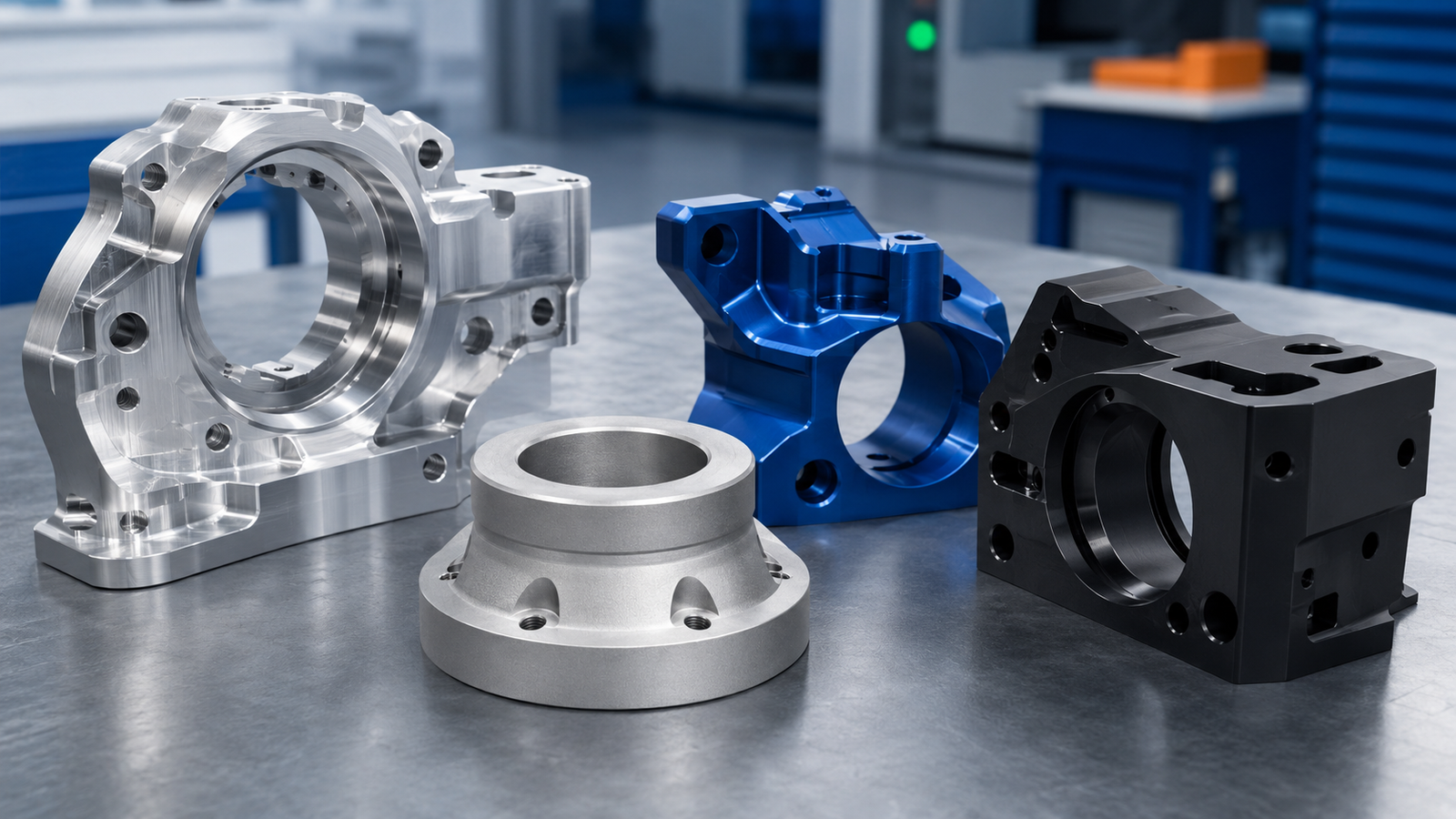
Design for Manufacturability (DFM) in CNC machining helps engineers develop mechanical components that are practical to manufacture, cost-effective, and consistent with their functional requirements.
A part may look correct in a 3D CAD model but still present manufacturing challenges. Deep pockets, difficult-to-access features, unnecessary tolerances, or unsuitable material choices can increase machining time and create avoidable production risks.
This is where engineering support from a CNC machining supplier can make a difference.
At OSM Vietnam, we support customers with practical design reviews, CNC machining, prototyping, and manufacturing-related engineering feedback. Our goal is to help customers identify potential manufacturing issues before production begins.
This article explains how DFM works, why it matters, and how cooperation between design engineers and CNC machining suppliers can improve manufacturing outcomes.
1. What Is Design for Manufacturability in CNC Machining?
Design for Manufacturability (DFM) is the process of evaluating a product design to determine how efficiently and reliably it can be manufactured.
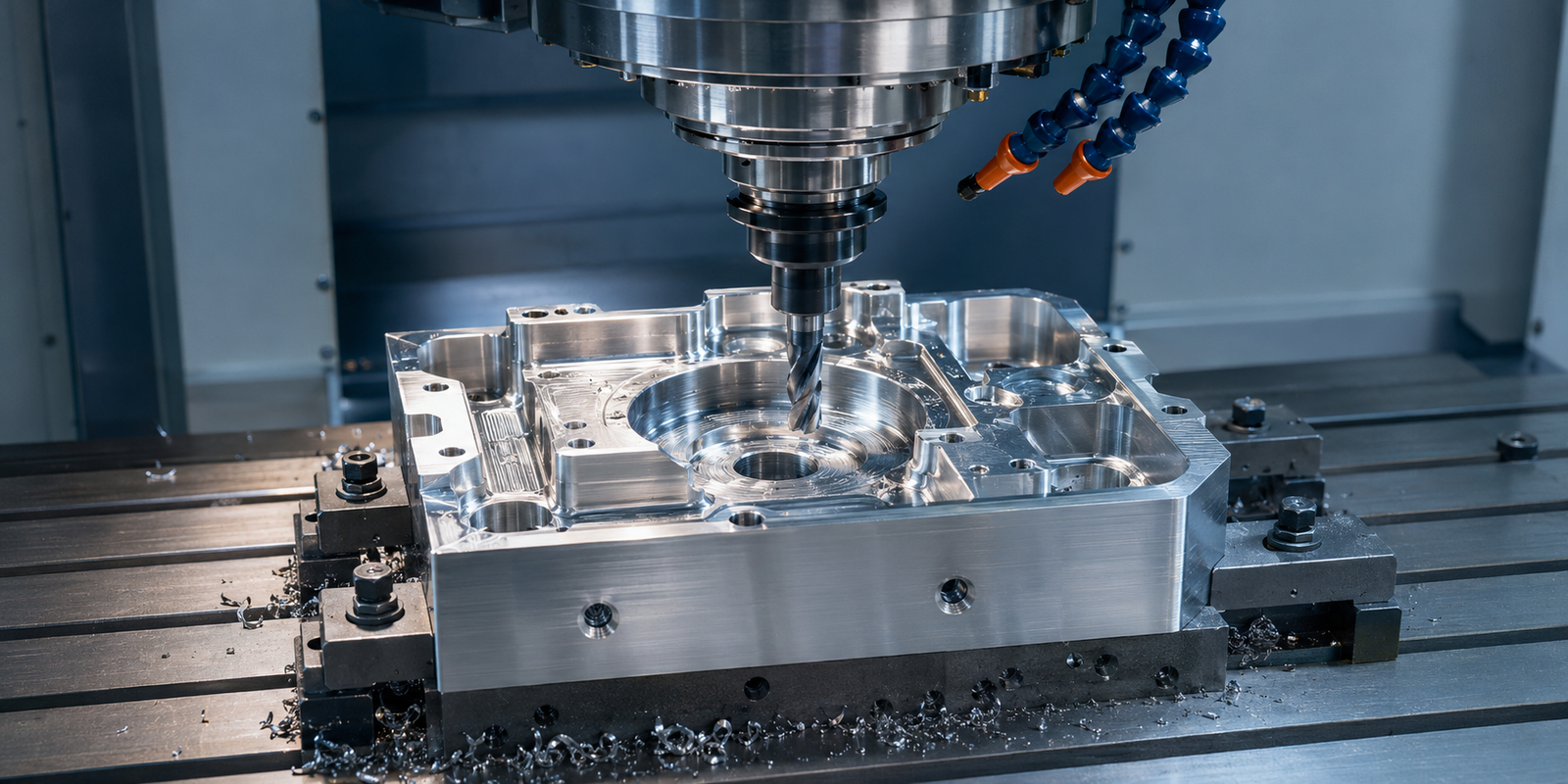
For CNC machining, a DFM review considers whether the component can be produced using suitable cutting tools, machining operations, workholding methods, and inspection procedures.
A typical CNC machining DFM review may examine:
- Part geometry and machining accessibility.
- Material selection.
- Wall thickness and pocket depth.
- Internal corner radii.
- Hole and thread specifications.
- Dimensional and geometric tolerances.
- Surface finishing requirements.
- Workholding and machining setups.
- Inspection requirements.
- Production quantity and lead time.
The objective is not simply to make a part easier to machine.
Effective DFM balances functional performance, manufacturing feasibility, dimensional accuracy, and total production cost.
2. Why Engineering Support Matters Before CNC Manufacturing
Engineering support is especially valuable when a customer is developing a new mechanical component or preparing a design for production.
During product development, design decisions are often made based on functional requirements without complete information about machining limitations or production costs.
A CNC machining supplier can provide practical feedback based on available equipment, cutting tools, materials, and manufacturing methods.
Identifying Manufacturing Challenges Early
A design review may reveal features that are difficult to machine or inspect.
For example, a deep, narrow pocket may require a long cutting tool and slower machining parameters.
If the design permits a wider pocket or a different internal radius, the machining process may become more efficient.
Improving Communication
Early communication allows the design engineer and machining supplier to clarify critical requirements before production.
This can reduce misunderstandings involving tolerances, materials, surface finishes, and assembly interfaces.
Supporting Better Cost Decisions
A DFM review can identify opportunities to reduce unnecessary machining operations while maintaining essential product functions.
The final design decision remains with the customer or responsible design engineer.
3. How DFM Can Reduce CNC Machining Costs
Manufacturing costs depend on more than material prices.
For CNC machining, important cost factors include:
- Raw material requirements.
- Programming and setup time.
- Machining cycle time.
- Cutting tools.
- Workholding and fixtures.
- Dimensional inspection.
- Surface finishing.
- Production quantity.
- Packaging and delivery requirements.
DFM helps evaluate how design decisions influence these factors.
Example: Internal Corner Radius
A pocket with very small internal corner radii may require a small end mill.
If the radius can be increased without affecting the component’s function, a larger and more rigid tool may be used.
This can improve machining efficiency.
Example: Unnecessary Precision
A mounting bracket may contain a few critical locating features and several non-critical dimensions.
Applying tight tolerances only to the locating features can reduce unnecessary machining and inspection requirements.
Example: Multiple Machining Setups
A component with features distributed across several orientations may require repeated repositioning.
Where the design allows, changing feature locations or machining access can reduce setup complexity.
The goal of DFM is to reduce avoidable manufacturing costs, not to compromise essential technical requirements.
4. DFM Review of CNC Part Geometry
Part geometry is one of the most important areas of a CNC machining design review.
Even relatively simple mechanical components can contain features that affect machining efficiency.
Wall Thickness
Thin walls may deform during cutting or clamping.
For preliminary design, OSM commonly uses reference wall thicknesses of approximately 0.8 mm for metals and 1.5 mm for engineering plastics.
These are design guidelines rather than universal machining limits.
Actual requirements depend on material, geometry, wall height, and tolerances.
Pocket Depth
Deep pockets may require longer cutting tools and reduced cutting parameters.
During DFM review, the machining supplier can evaluate pocket depth, width, and cutter accessibility.
Internal Corner Radii
Larger internal radii may allow more efficient milling with suitable cutting tools.
The radius should be selected according to both functional requirements and machining accessibility.
Holes and Threads
Standard hole diameters and thread sizes are generally easier to manufacture than unusual specifications.
A DFM review can identify whether small, deep, or difficult-to-access holes require special consideration.
Complex Features
Undercuts, narrow grooves, and features accessible from multiple directions may increase machining complexity.
Some features may be simplified without changing the component’s intended function.
5. DFM and Material Selection
Material selection influences machining efficiency, component performance, and overall cost.
Different materials require different cutting conditions and may respond differently to machining forces.
Aluminum
Aluminum is widely used for lightweight mechanical components because of its good machinability and useful strength-to-weight ratio.
Common grades include 6061 and 7075.
Carbon Steel
Carbon steel is suitable for many structural and mechanical components.
Machining behavior depends on material grade, hardness, and heat treatment.
Stainless Steel
Stainless steel provides good corrosion resistance but may require more demanding machining conditions.
Engineering Plastics
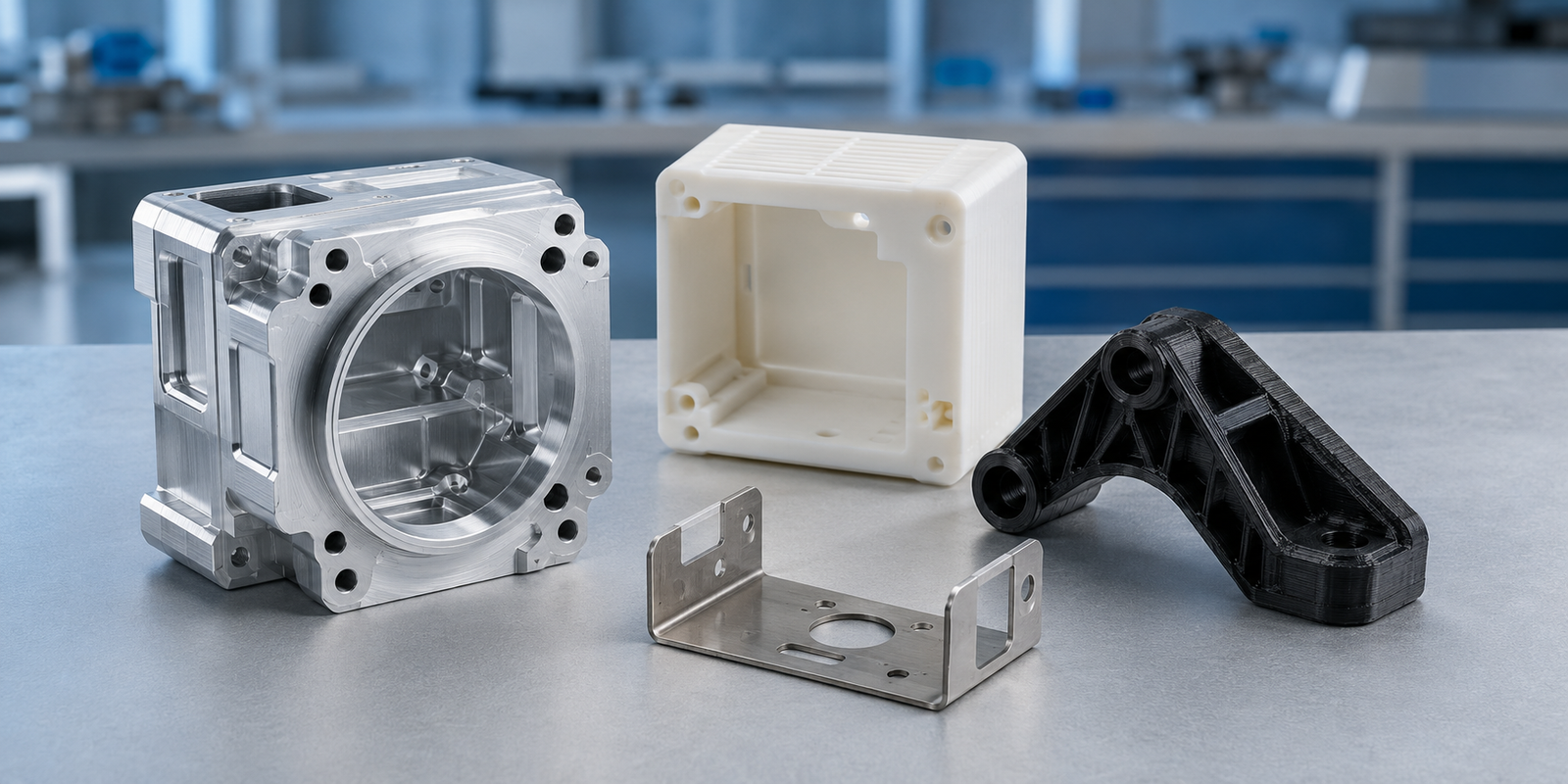
Materials such as POM, PA, PEEK, and PTFE are used for different mechanical applications.
Their dimensional behavior, thermal properties, and machining characteristics vary.
How Engineering Support Helps
A machining supplier can discuss material availability, machinability, and possible alternatives.
However, any material substitution should be approved by the customer after confirming functional and performance requirements.
6. DFM and Dimensional Tolerances
Dimensional tolerances are essential for ensuring that components fit and function correctly.
However, excessively tight tolerances can increase machining and inspection requirements.
A DFM review helps distinguish between critical and non-critical dimensions.
Critical Dimensions
These may include:
- Bearing seats.
- Precision locating holes.
- Mating surfaces.
- Shaft fits.
- Important alignment features.
Non-Critical Dimensions
These may include:
- General external dimensions.
- Clearance surfaces.
- Non-functional pockets.
- Cosmetic features.
For many conventional CNC components, a general tolerance around ±0.1 mm may be appropriate.
At OSM, tighter tolerances down to ±0.01 mm may be achievable on suitable critical features, depending on material, geometry, size, and inspection requirements.
These values should be confirmed for each project.
DFM recommendation: Specify precision according to functional requirements rather than applying the same tight tolerance throughout the part.
7. How DFM Improves CNC Machining Setups
Machining setup is an important factor in manufacturing cost and dimensional consistency.
Every additional setup requires positioning, clamping, reference verification, and preparation.
A DFM review can identify whether the component is suitable for efficient 3-axis or 4-axis machining.
3-Axis CNC Milling
Three-axis milling is commonly suitable for:
- Mounting plates.
- Simple brackets.
- Machine blocks.
- Housings.
- Fixtures.
4-Axis CNC Milling
Four-axis machining can be useful for certain parts with features distributed around multiple orientations.
It may reduce manual repositioning and improve access to suitable features.
Workholding Considerations
The component must remain stable during machining.
A DFM review may evaluate clamping surfaces, datum locations, and the need for dedicated fixtures.
For repeated production orders, appropriate workholding can improve consistency and reduce setup variation.
8. DFM for Prototyping vs. Production
The priorities of a prototype project may differ from those of a production order.
Prototype Manufacturing
During prototyping, customers often prioritize:
- Short lead time.
- Functional verification.
- Design flexibility.
- Assembly testing.
- Identifying design improvements.
A prototype may be manufactured using a practical machining approach without fully optimizing every operation for repeated production.
Production Manufacturing
For repeated production, additional considerations become important:
- Stable machining processes.
- Consistent dimensional quality.
- Repeatable workholding.
- Efficient cycle time.
- Material utilization.
- Inspection planning.
- Packaging and delivery consistency.
A design that is suitable for one prototype may benefit from further optimization before production.
Why Early DFM Matters
Reviewing manufacturability during the prototype stage can help identify improvements before larger quantities are ordered.
This may reduce the need for design revisions after production begins.
9. DFM and Quality Inspection
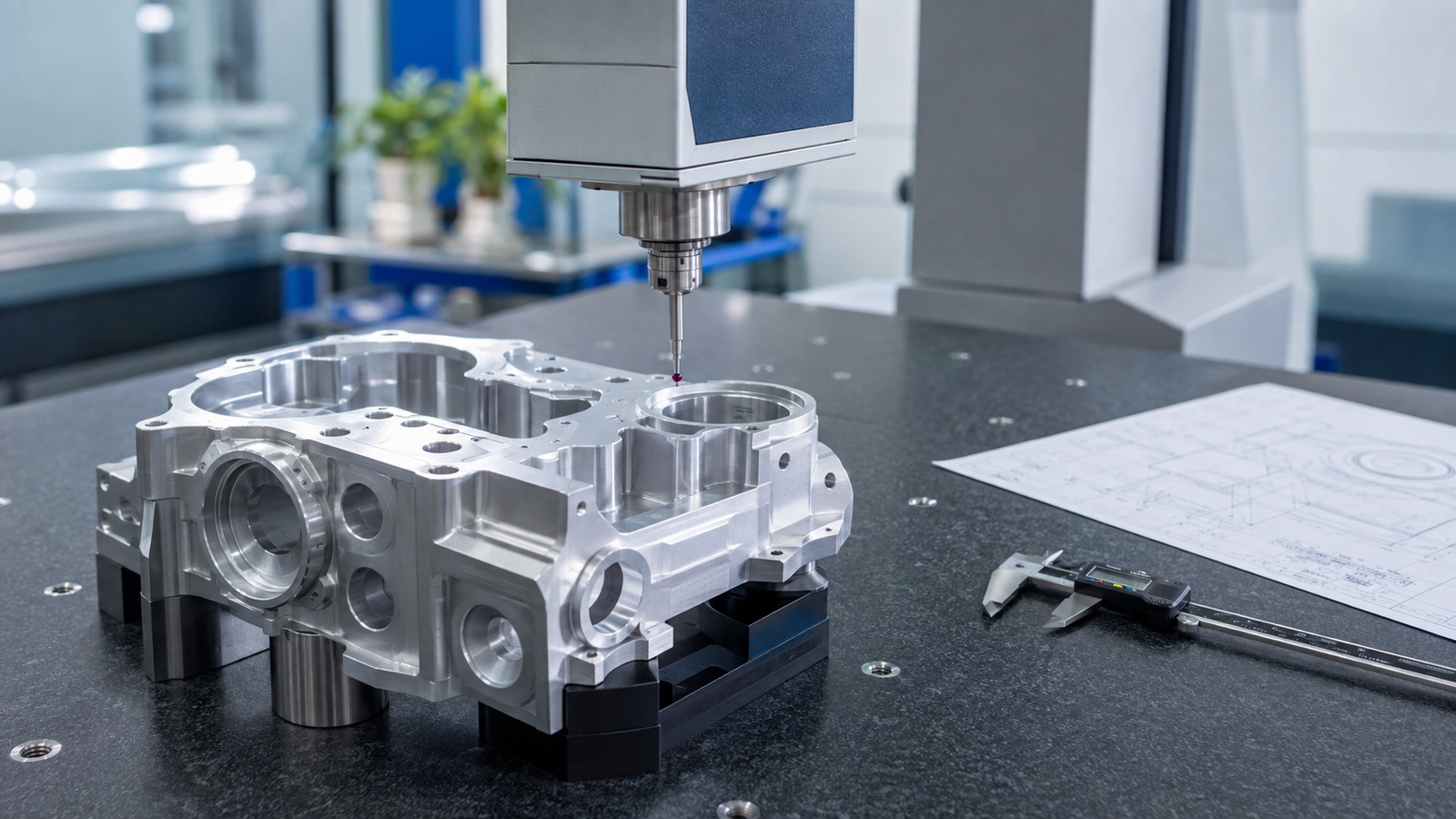
Manufacturability also includes the ability to inspect a component reliably.
A feature may be possible to machine but difficult to measure using available inspection equipment.
During DFM review, the machining supplier should consider how critical dimensions will be verified.
Common inspection methods include:
- Digital calipers.
- Micrometers.
- Height gauges.
- Dial indicators.
- Pin gauges.
- Suitable optical or coordinate measuring equipment.
Inspection Planning
For critical components, the customer and supplier should agree on:
- Important inspection dimensions.
- Applicable tolerances.
- Measurement methods.
- Inspection frequency.
- Required quality documentation.
Clear inspection requirements help reduce misunderstandings and support consistent quality control.
10. Practical DFM Example: Aluminum Mounting Bracket
Consider a custom aluminum mounting bracket designed for a mechanical assembly.
The original design includes:
- A deep pocket.
- Small internal corner radii.
- Several tightly toleranced holes.
- Thin supporting walls.
- Features requiring multiple machining orientations.
During a DFM review, the machining supplier may suggest several improvements.
| Original Design | Possible DFM Improvement | Potential Benefit |
|---|---|---|
| Deep pocket | Reduce depth if function allows | Shorter tools and simpler machining |
| Small internal radii | Increase corner radii | More efficient milling |
| Tight tolerance on every hole | Identify only critical locating holes | Reduced inspection complexity |
| Thin walls | Increase thickness or add support | Better machining stability |
| Features on multiple sides | Improve tool access or feature arrangement | Fewer setups where feasible |
These changes are examples of potential improvements, not guaranteed results for every component.
Any proposed modification must be reviewed and approved by the customer before manufacturing.
11. What Information Should Customers Provide for a DFM Review?
A useful DFM review begins with clear technical information.
Customers should provide the following whenever available:
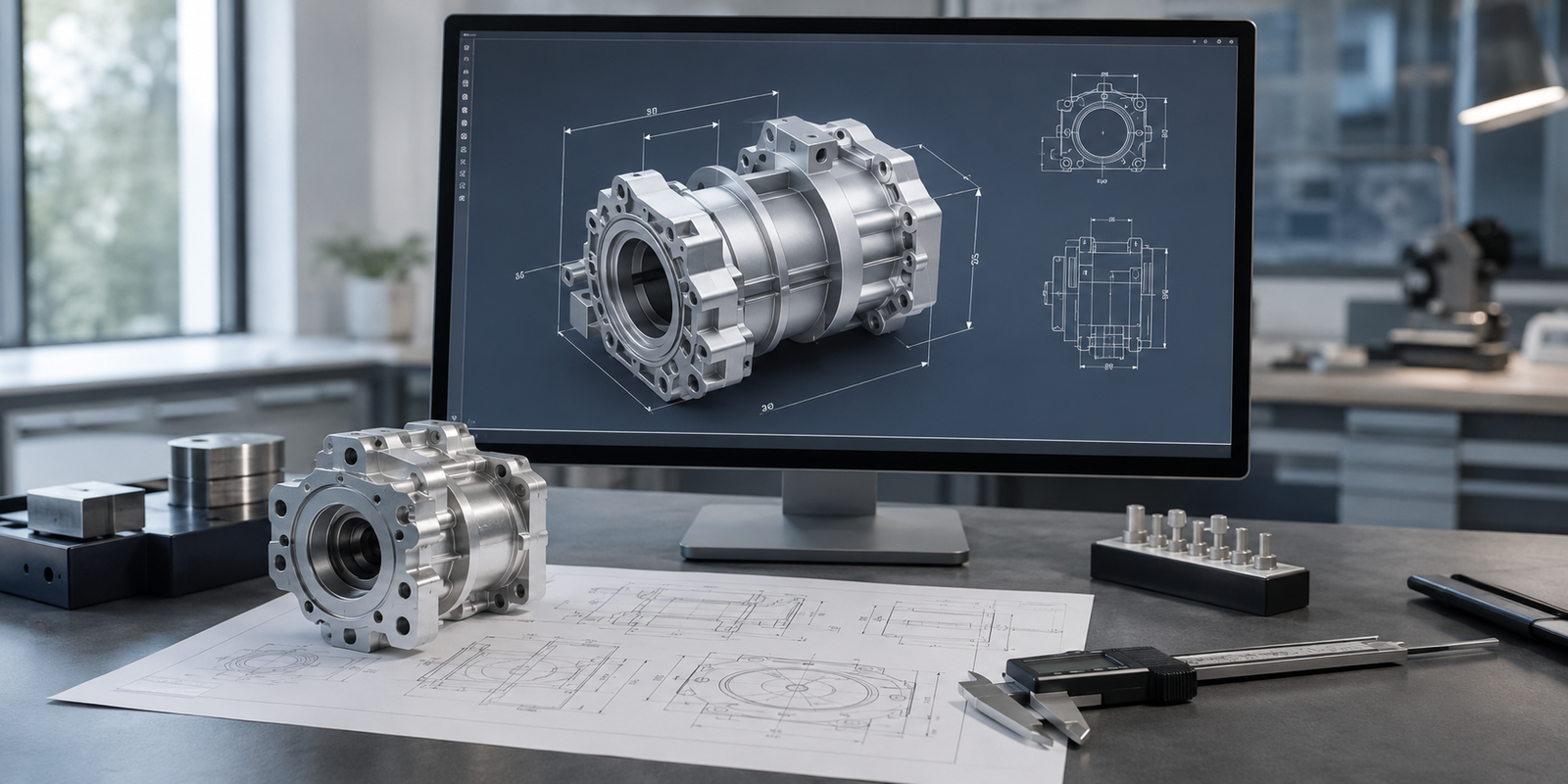
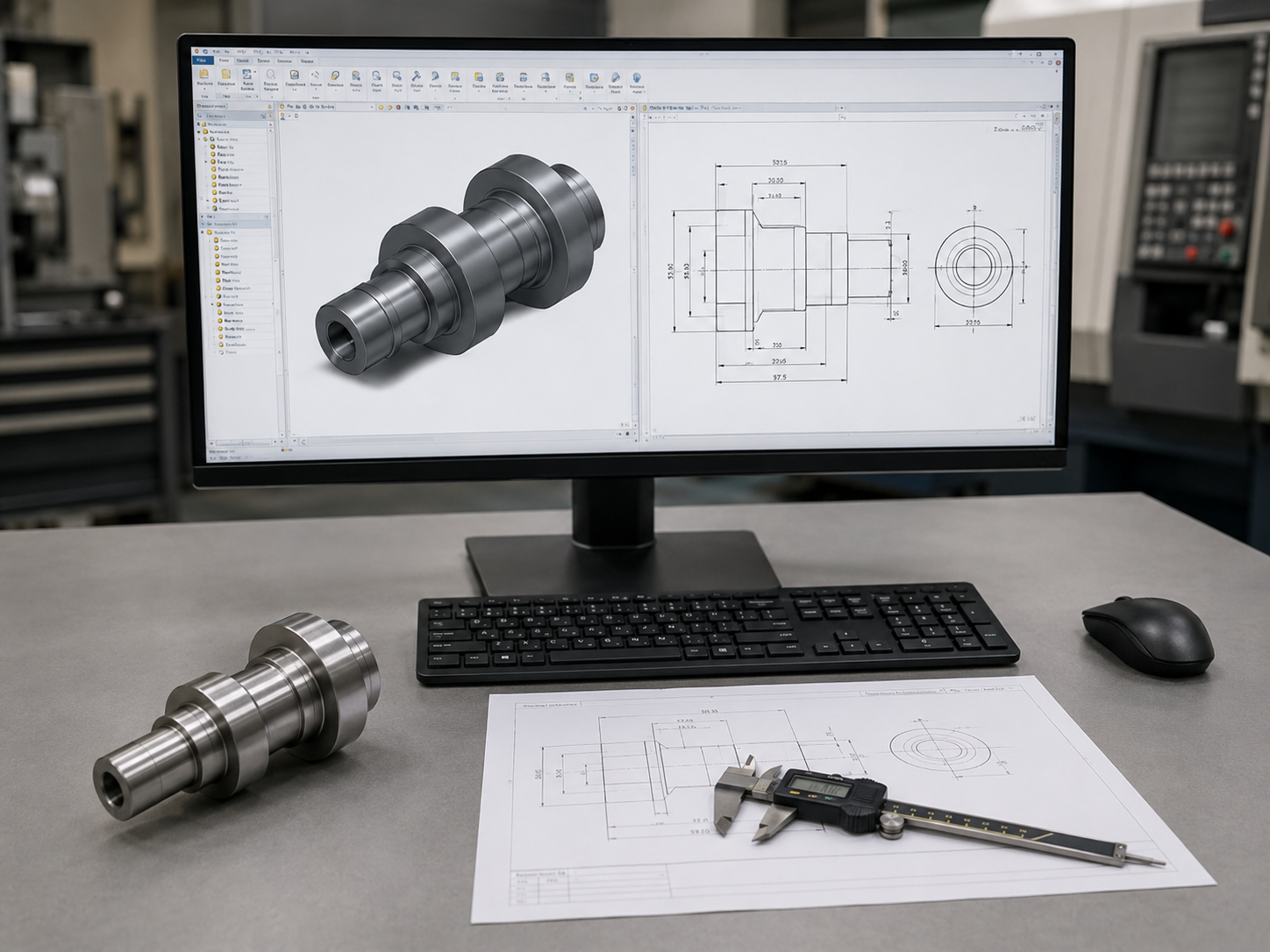
3D CAD Model
A STEP file or another compatible solid-model format helps the machining supplier understand part geometry.
2D Engineering Drawing
A PDF drawing should identify critical dimensions, tolerances, threads, and other manufacturing requirements.
Material Specification
Provide the required material grade and identify whether alternatives may be considered.
Surface Finishing Requirements
Specify any anodizing, plating, polishing, or other finishing requirements.
Quantity
Indicate whether the project involves prototypes, low-volume manufacturing, or repeated production.
Functional Requirements
Where appropriate, explain which features are critical for assembly, alignment, sealing, or mechanical performance.
Delivery Requirements
Provide the expected delivery schedule and destination.
A complete RFQ package helps the supplier provide more useful technical feedback and prepare a reliable quotation.
12. How OSM Vietnam Supports CNC Design and Manufacturing
OSM Vietnam is a precision CNC machining workshop based in Vietnam, serving customers who require custom mechanical components and practical manufacturing support.
Our services include:
- CNC milling.
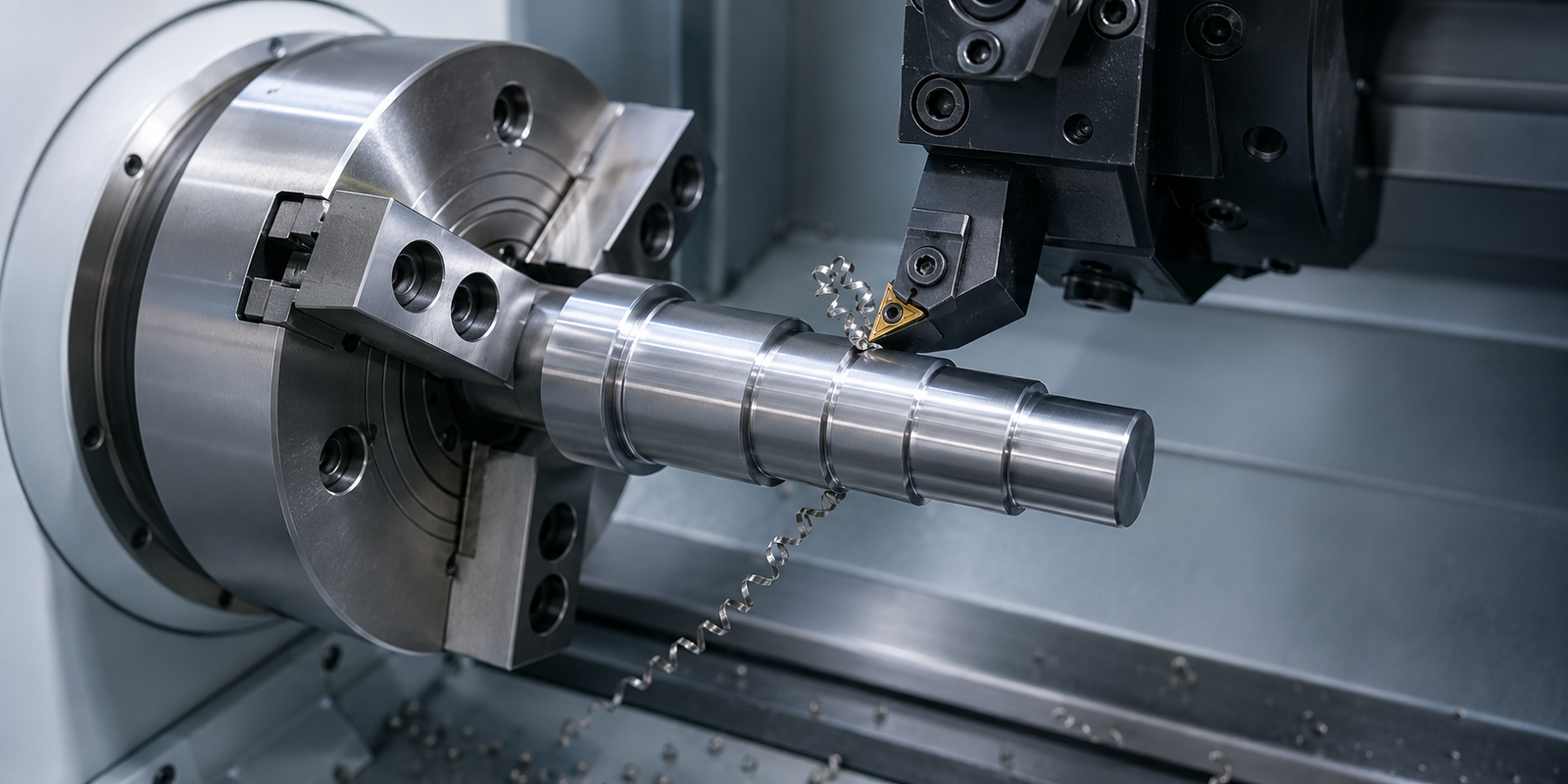
- CNC turning.
- Rapid prototyping.
- Manufacturing-related design review.
- Material and machining consultation.
- Surface finishing coordination.
- Dimensional inspection.
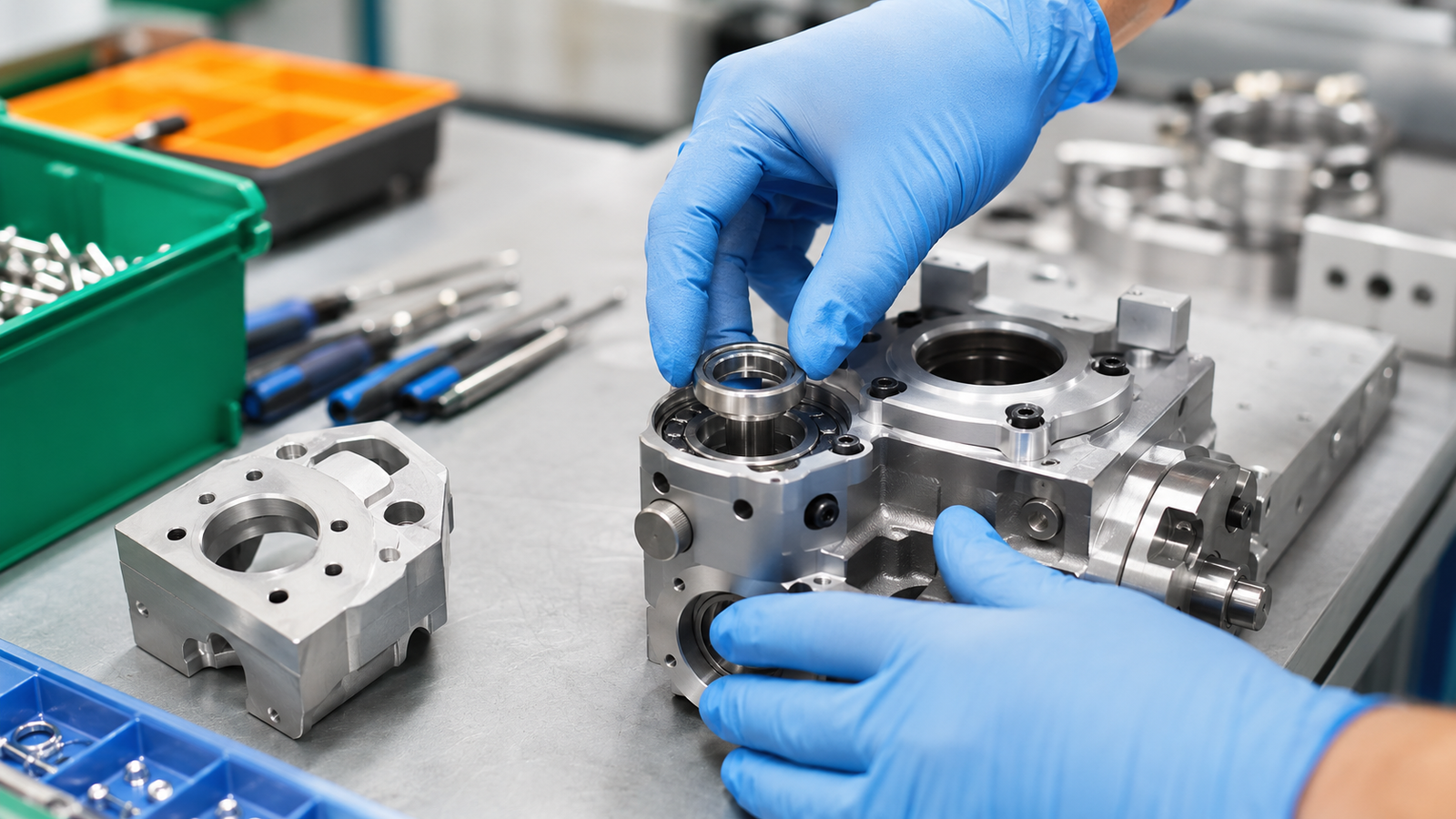
- Assembly and packaging support.
We work with customers from the initial drawing review through manufacturing and delivery, according to project requirements.
Our Practical Approach
1. Review Technical Requirements
We examine customer drawings, CAD models, material specifications, and quantities.
2. Identify Manufacturing Considerations
We review machining access, geometry, tolerances, workholding, and other relevant factors.
3. Discuss Potential Improvements
Where appropriate, we provide practical feedback for customer consideration.
4. Prepare a Manufacturing Quotation
We evaluate the machining requirements and prepare a quotation based on the agreed specifications.
5. Manufacture and Inspect Components
After order confirmation, parts are manufactured and inspected according to the agreed requirements.
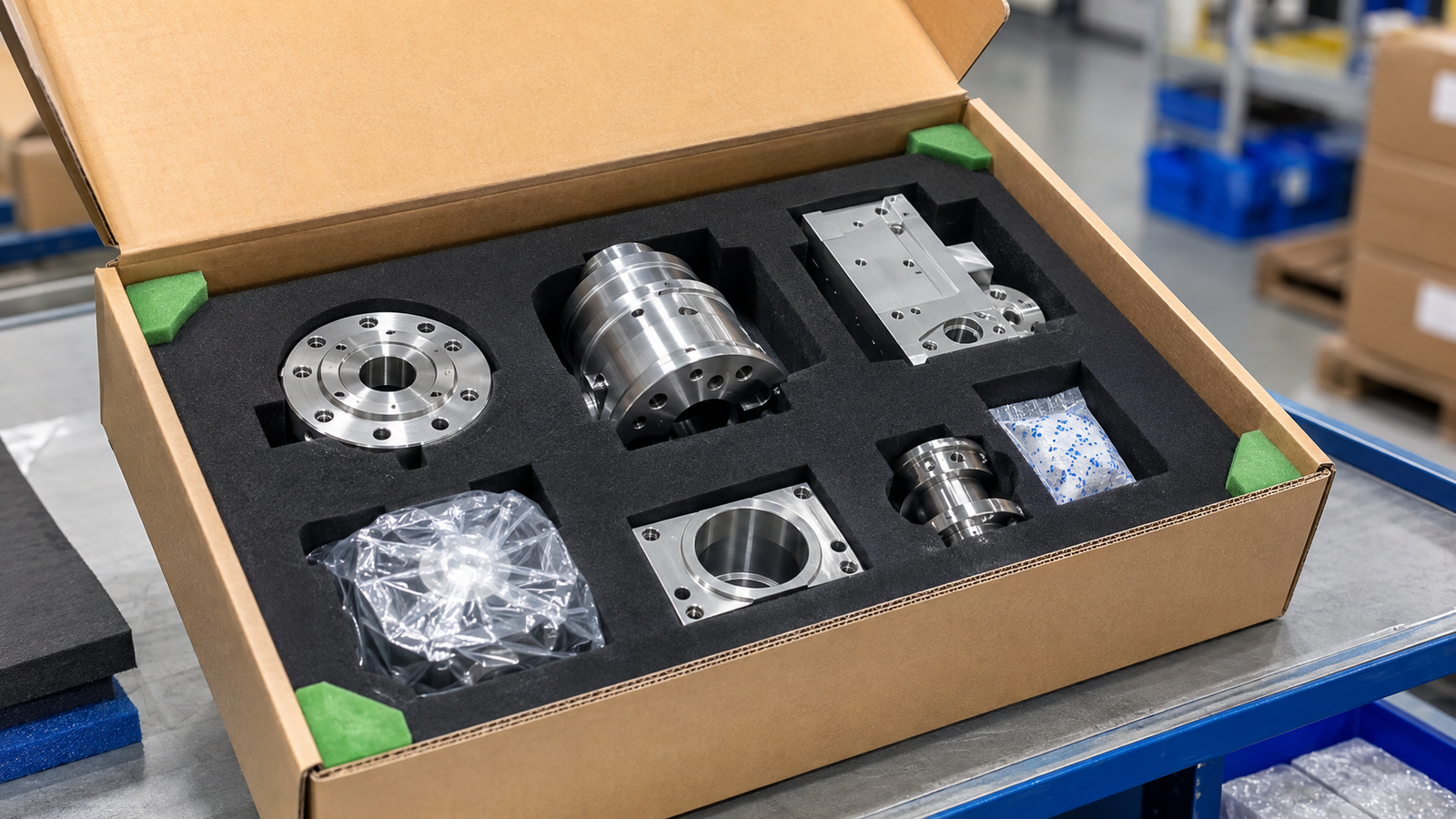
6. Support Packaging and Delivery
We coordinate packaging and delivery arrangements based on the project.
Our focus is on clear communication, technical cooperation, and reliable manufacturing services rather than presenting ourselves as a large-scale engineering corporation.
13. Benefits of Working with a CNC Supplier That Provides Engineering Support
For international customers, choosing a CNC machining supplier involves more than comparing unit prices.
A supplier that communicates clearly about manufacturing challenges can provide additional value throughout a project.
Potential benefits include:
- Earlier identification of manufacturing risks.
- More practical design decisions.
- Better understanding of cost drivers.
- Clearer tolerance and inspection requirements.
- Fewer avoidable drawing clarifications.
- Improved transition from prototype to production.
- More effective communication between design and manufacturing teams.
These benefits depend on the project, the quality of technical information, and cooperation between the customer and supplier.
The most effective results come from discussing manufacturing requirements before the design is finalized.
Frequently Asked Questions
What is DFM in CNC machining?
DFM stands for Design for Manufacturability. In CNC machining, it involves reviewing part geometry, tolerances, materials, and manufacturing requirements to improve production feasibility and efficiency.
Can DFM reduce CNC machining costs?
Yes. DFM can identify opportunities to simplify geometry, reduce unnecessary precision requirements, improve tool access, and minimize machining setups. Actual savings depend on the part and production conditions.
When should a DFM review be performed?
Ideally, DFM should be considered during the design stage and before finalizing manufacturing drawings. It is also useful before prototyping or moving from prototypes to production.
Does DFM mean changing the original product design?
Not necessarily. DFM may result in recommendations, but any design changes should be reviewed and approved by the customer. Functional requirements remain the priority.
Does OSM Vietnam provide DFM support?
Yes. OSM can review customer CAD models and engineering drawings and provide practical manufacturing-related feedback based on the project’s requirements and available machining capabilities.
Conclusion
Design for Manufacturability is an important part of developing reliable, cost-effective CNC-machined components.
By considering machining accessibility, geometry, materials, tolerances, workholding, and inspection requirements early in the design process, engineers can reduce avoidable manufacturing challenges.
Engineering cooperation between customers and CNC machining suppliers can also improve technical communication and support a smoother transition from prototyping to production.
Looking for a CNC machining partner with practical engineering support in Vietnam?
OSM Vietnam can review your CAD models and technical drawings, discuss manufacturing considerations, and prepare a quotation for custom CNC-machined components.
Request a Quote: https://osmviet.com/cnc-machining-services-in-vietnam/