
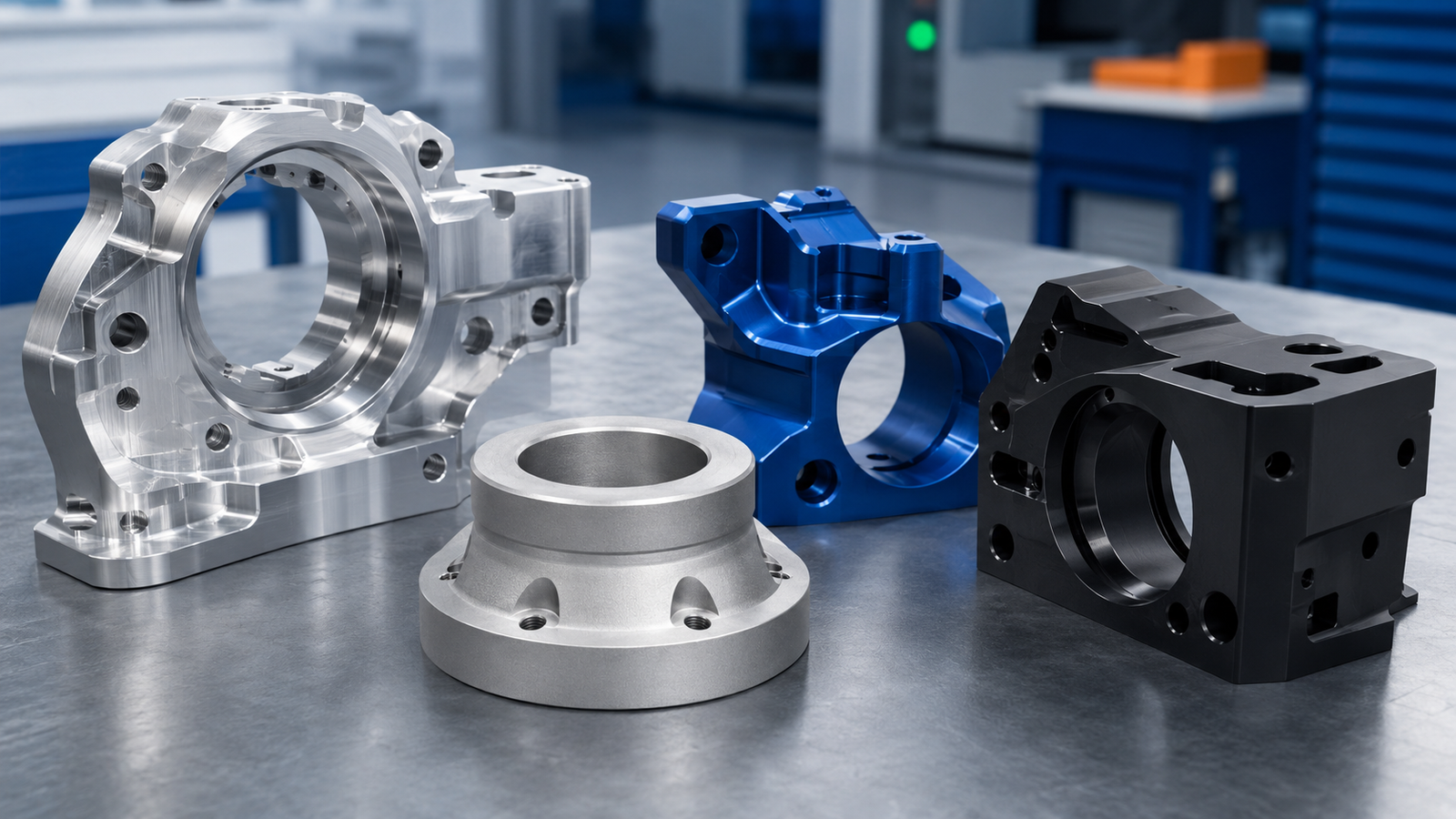
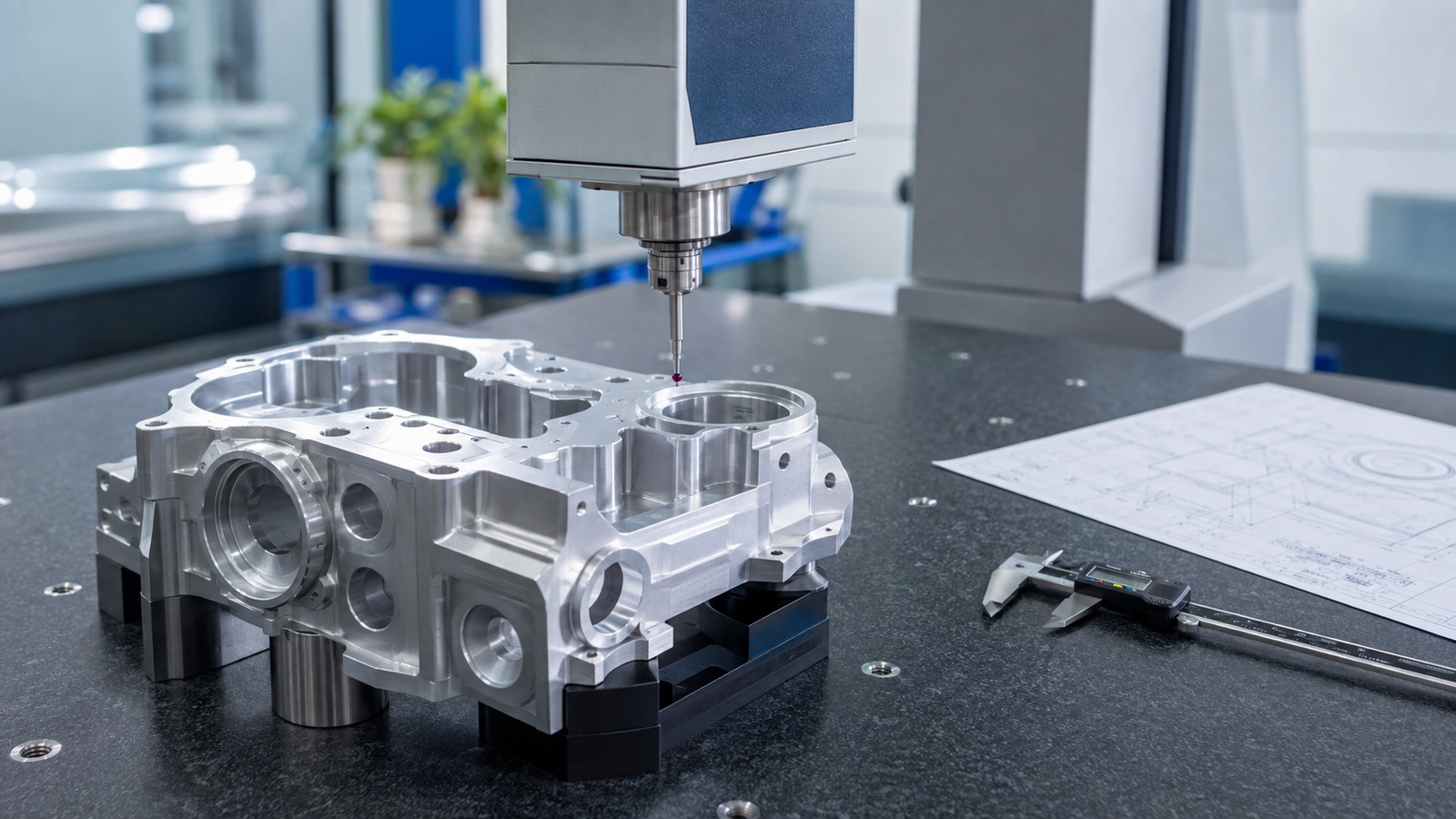
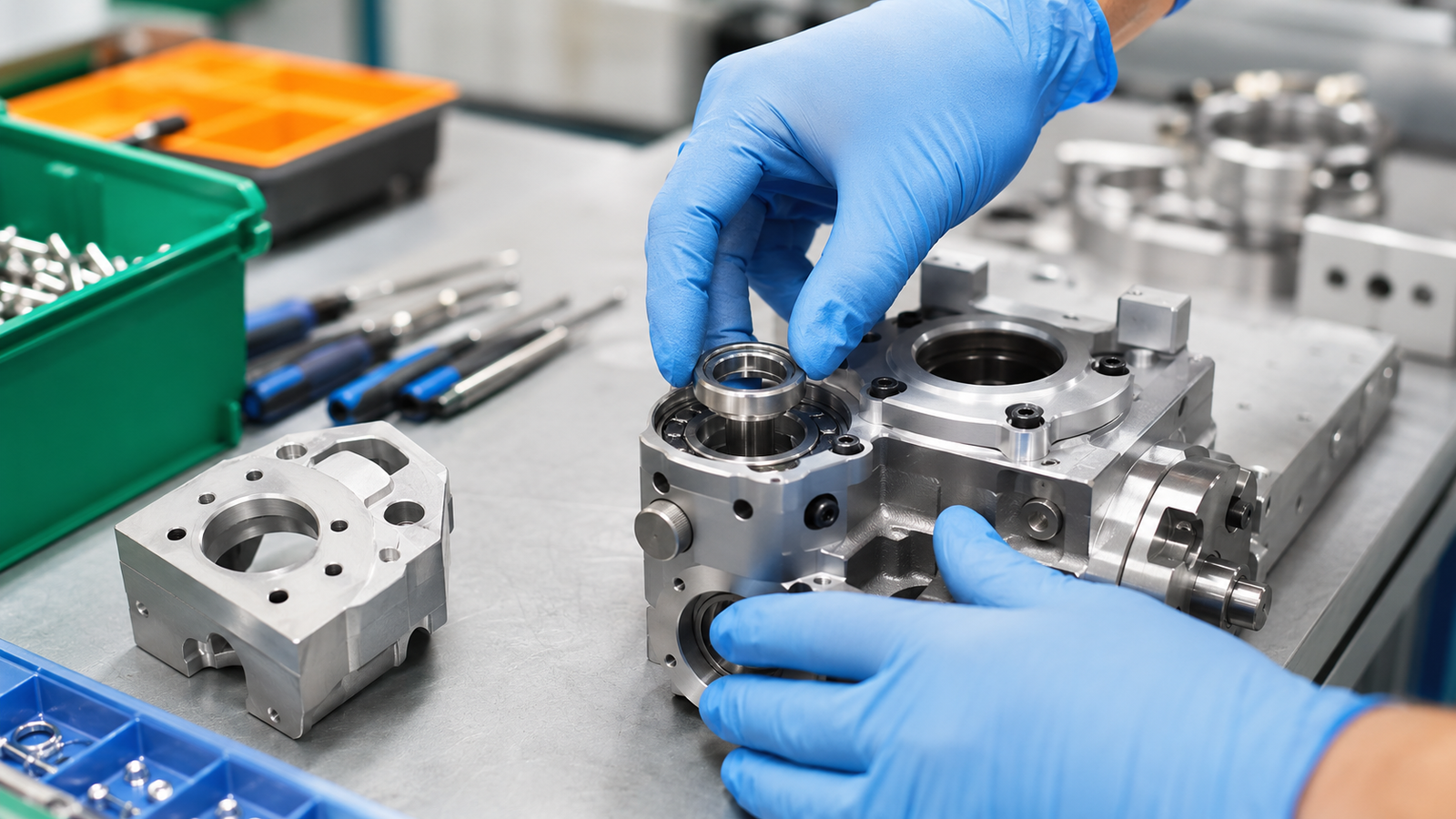
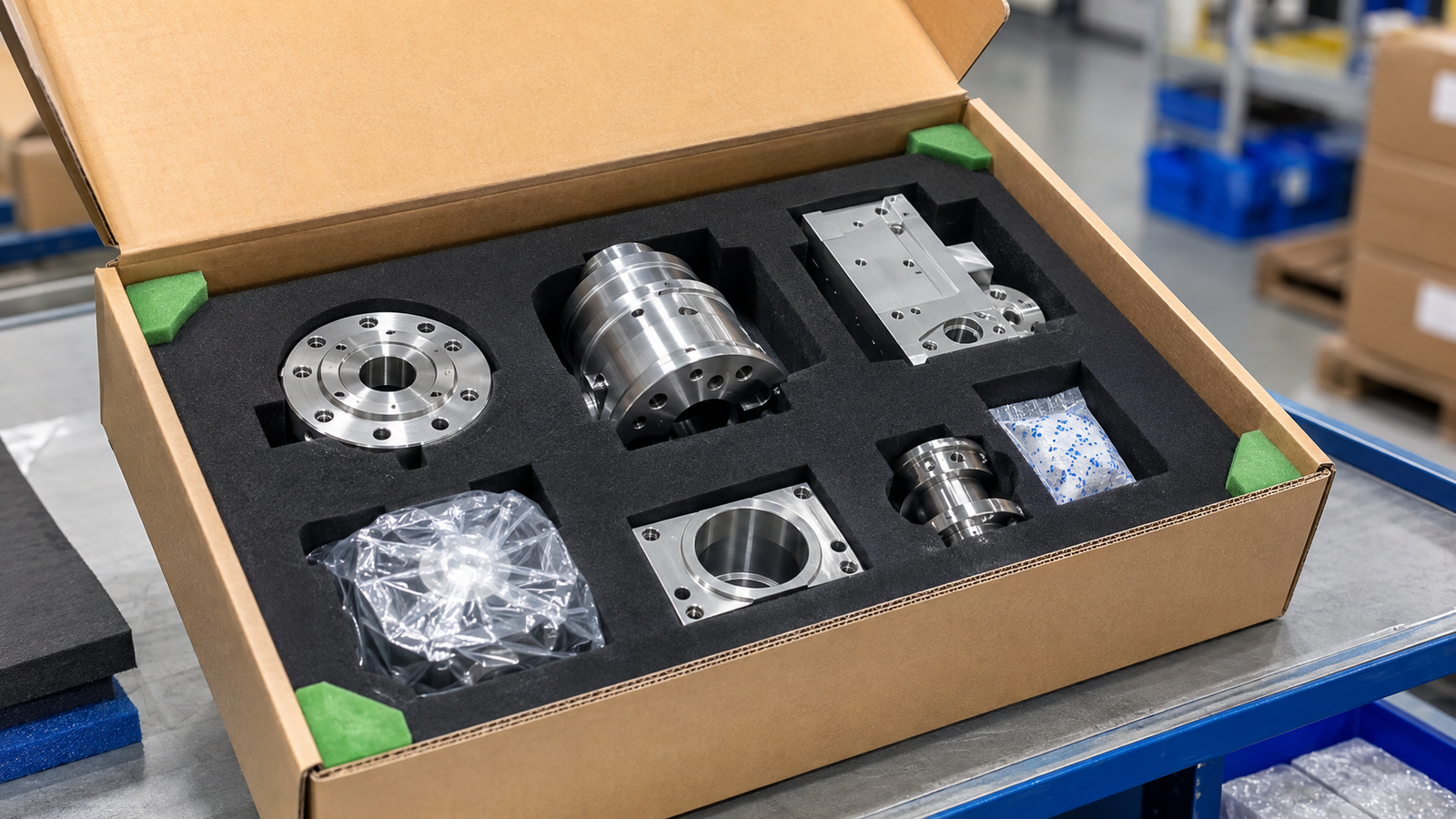




Finding a CNC machining supplier is relatively straightforward. Finding a supplier who can understand the design intent, identify manufacturing challenges, and communicate practical solutions can be more difficult.
For many custom mechanical projects, manufacturing begins long before the first cutting tool touches the material.
Engineering drawings must be reviewed, materials confirmed, tolerances evaluated, and machining methods considered. If these details are unclear, the project may experience quotation delays, unnecessary costs, or manufacturing problems.
CNC machining with engineering support combines custom part manufacturing with technical communication throughout the project.
This approach is particularly valuable for equipment manufacturers, product developers, machine builders, and purchasing teams working with custom components or multiple part numbers.
OSM Vietnam operates as a CNC machining workshop supporting project-based manufacturing. Our focus includes CNC milling, CNC turning, technical drawing review, DFM discussions, and coordination of related manufacturing activities according to the agreed project scope.
This article explains why engineering support matters, how it can improve CNC machining projects, and what international buyers should expect when working with a technical manufacturing supplier in Vietnam.
1. What Does Engineering Support Mean in CNC Machining?
Engineering support in CNC machining refers to technical activities that help clarify and prepare a component for manufacturing.
It does not necessarily mean that the machining supplier becomes responsible for the complete product design.
Depending on the project, engineering support may include:
- Reviewing 2D engineering drawings.
- Evaluating 3D CAD models.
- Identifying missing specifications.
- Discussing material selection.
- Reviewing machining accessibility.
- Evaluating critical tolerances.
- Suggesting DFM improvements.
- Clarifying surface finishing requirements.
- Supporting prototype revisions.
- Coordinating manufacturing-related questions.
The customer normally retains responsibility for the product’s functional design and final technical approval unless a separate engineering scope is agreed.
Manufacturing Support Versus Product Design
Manufacturing support focuses on how a defined part can be produced.
Product design involves determining what the part must do and how it should function within the complete system.
The distinction is important because a machining supplier should not make unapproved changes to the customer’s design.
2. Why Engineering Communication Matters
A CNC machining project may involve several groups:
- Product designers.
- Mechanical engineers.
- Purchasing teams.
- CNC programmers.
- Machine operators.
- Quality inspectors.
- Surface treatment providers.
Each group uses different information from the technical documents.
Preventing Misunderstandings
A drawing may contain dimensions that are difficult to interpret or specifications that conflict with the 3D model.
Without clarification, these issues may lead to incorrect manufacturing assumptions.
Improving Quotation Accuracy
A quotation depends on understanding the complete scope.
Unclear tolerances, materials, or finishing requirements can affect both pricing and delivery schedules.
Supporting Manufacturing Decisions
Early communication can help determine whether a part should be milled, turned, or manufactured using a combination of operations.
Managing Engineering Changes
When the customer revises a design, clear revision control helps prevent production from using outdated information.
3. Engineering Drawing Review Before CNC Machining
A technical drawing should communicate the requirements necessary to manufacture and inspect the part.
A supplier may review:
- Overall dimensions.
- Material specifications.
- Dimensional tolerances.
- Geometric tolerances.
- Surface roughness.
- Threads.
- Heat treatment.
- Surface finishing.
- Drawing revisions.
- General notes.
Missing Information
Examples of missing details include:
- Unspecified material grade.
- Missing thread pitch.
- Unclear hole depth.
- Undefined surface treatment.
- Missing tolerance requirements.
- Inconsistent drawing revisions.
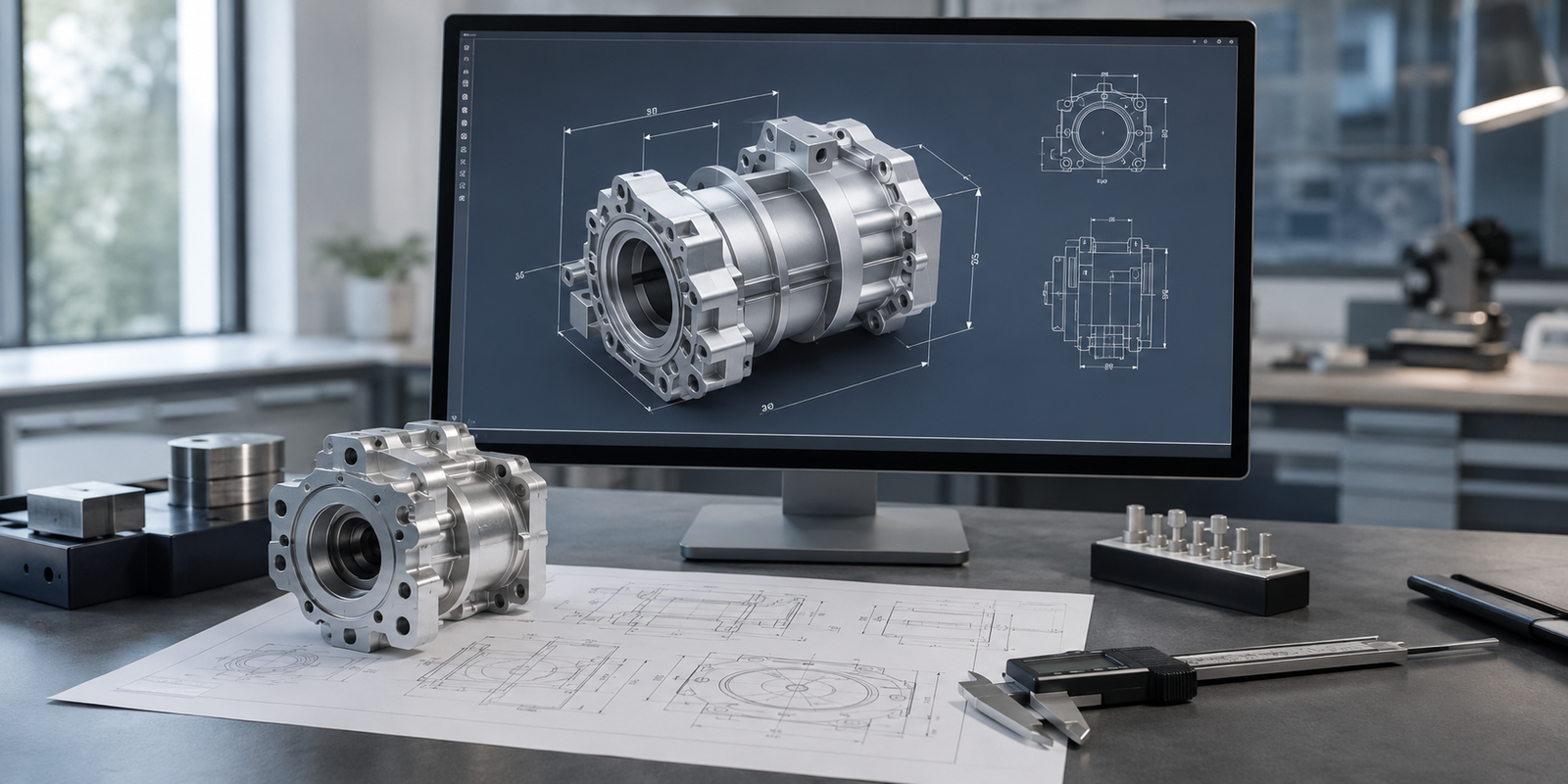
2D Drawings and 3D Models
A 3D STEP file helps communicate part geometry.
A 2D PDF drawing communicates manufacturing and inspection requirements that may not be fully represented in the 3D model.
For most custom CNC projects, providing both formats helps suppliers evaluate the part more effectively.
4. Design for Manufacturability in CNC Machining
Design for Manufacturability, commonly called DFM, evaluates how a design can be manufactured using available processes.
A DFM review may identify features that increase cost, machining time, or manufacturing risk.
Deep Pockets
Deep pockets may require long cutting tools and additional machining time.
Small Internal Radii
Small internal corner radii may require smaller tools and slower machining strategies.
Thin Walls
Thin sections may be sensitive to machining forces and workholding.
Difficult Hole Locations
Holes positioned at unusual angles or in inaccessible areas may require additional setups or specialized tooling.
Excessively Tight Tolerances
Tight tolerances can increase machining and inspection requirements.
Complex Surface Finishes
Some finishing specifications may require additional operations or external processing.
The purpose of DFM is not simply to make a part easier to machine. It is to identify practical options while preserving the intended function.
5. Tolerance Review and Cost Optimization
Tolerances directly affect manufacturing methods and inspection requirements.
However, not every dimension needs the same level of precision.
Functional Dimensions
Examples include:
- Bearing seats.
- Shaft diameters.
- Locating holes.
- Mating surfaces.
- Sealing interfaces.
- Guide-rail mounting surfaces.
These features may require specific tolerances because they affect assembly or function.
Noncritical Dimensions
External edges or clearance features may allow more general tolerances.
Avoiding Over-Specification
Applying very tight tolerances to all dimensions may increase cost without improving product performance.
A tolerance review can help identify which features require strict control and which may allow more practical specifications.
Any proposed change must be approved by the customer.
6. Material Selection and Manufacturing Considerations
Material selection affects mechanical performance, machinability, cost, and availability.
Common CNC machining materials include:
Aluminum Alloys
Aluminum may be suitable for brackets, housings, mounting plates, and other components where weight and machinability matter.
Carbon and Alloy Steels
Steels may be used for shafts, supports, and mechanical components requiring particular strength or wear properties.
Stainless Steel
Stainless steel may be selected for corrosion resistance or specific operating environments.
Brass and Copper Alloys
Copper alloys may be suitable for selected bushings, connectors, or specialized components.
Engineering Plastics
POM, PA, and other engineering plastics may be used for guides, spacers, and selected mechanical applications.
Material Substitution
If a specified material is difficult to source, a supplier may discuss alternatives.
However, a substitute material should never be used without technical evaluation and customer approval.
7. Choosing Between CNC Milling and CNC Turning
Selecting the appropriate machining process can affect cost and manufacturing feasibility.
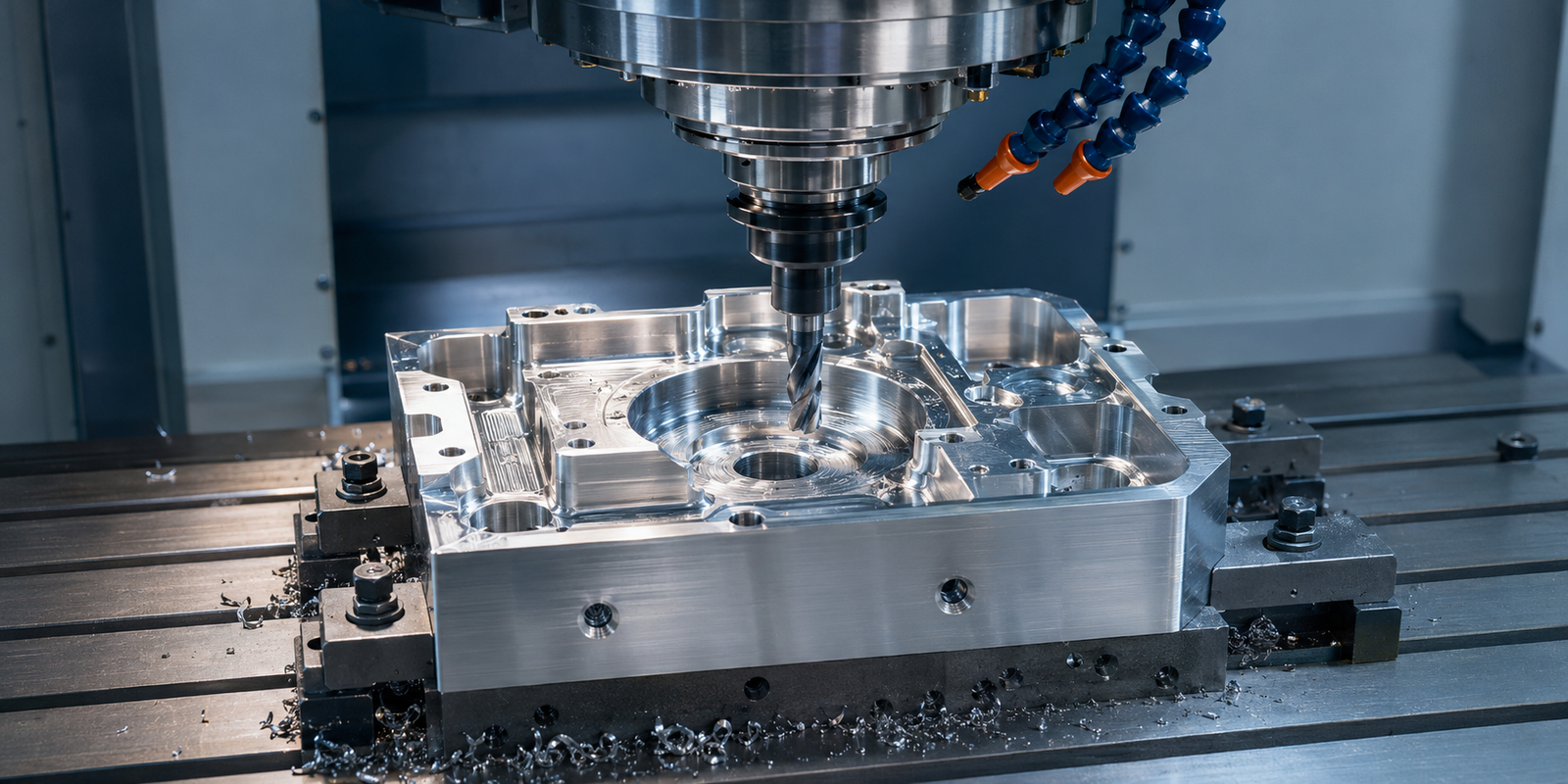
CNC Milling
Milling is commonly used for components with:
- Flat surfaces.
- Pockets.
- Slots.
- Complex profiles.
- Hole patterns.
- Mounting interfaces.
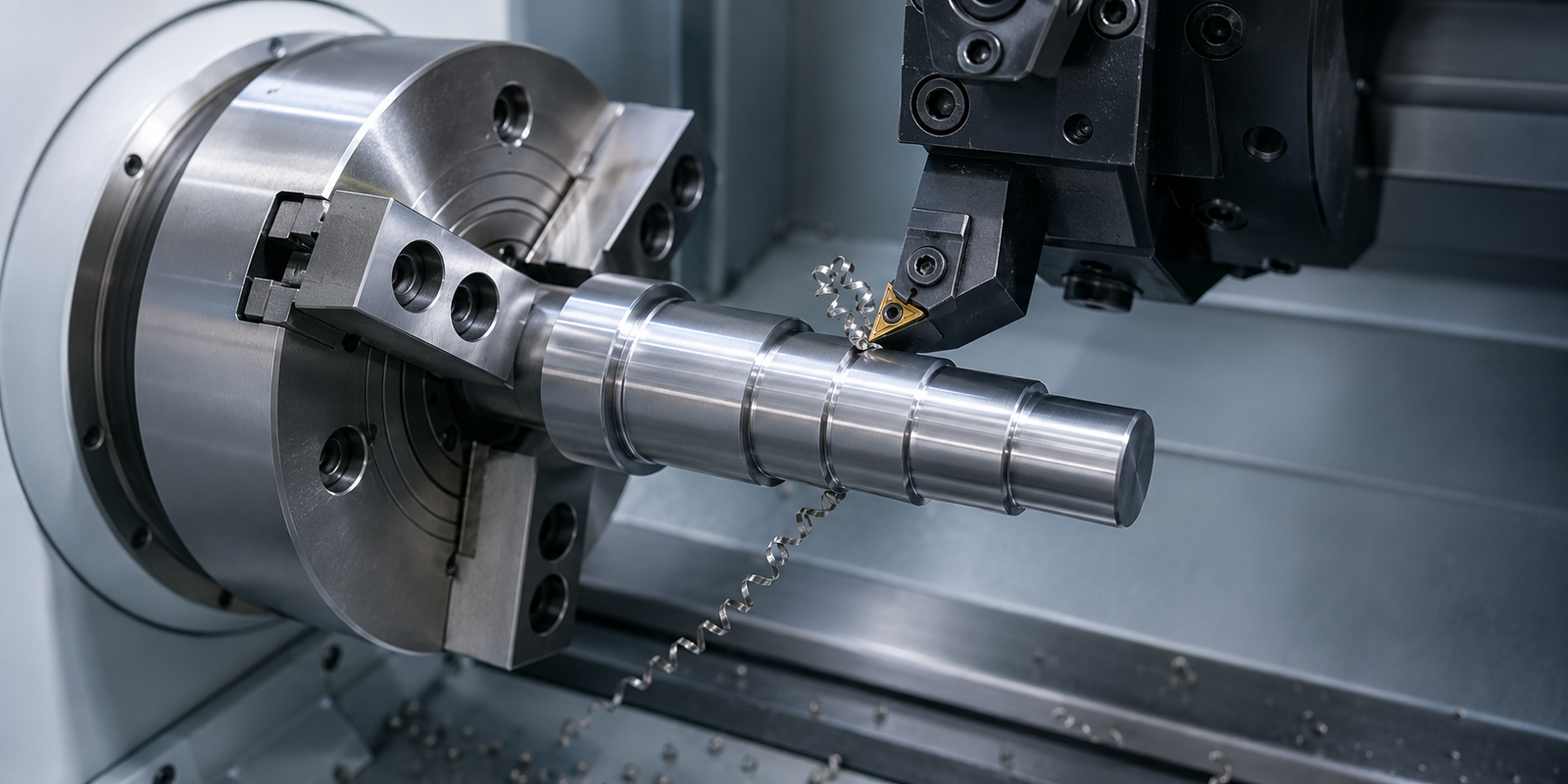
CNC Turning
Turning is commonly used for:
- Shafts.
- Bushings.
- Pins.
- Sleeves.
- Threaded cylindrical parts.
Combined Operations
Some components require both turning and milling.
For example, a shaft may require turned diameters and milled keyways.
The supplier should evaluate the complete geometry rather than treating each feature separately.
8. Engineering Support for Prototype Development
Prototypes help engineers verify a design before ordering additional parts.
A prototype may be used to evaluate:
- Assembly fit.
- Mechanical movement.
- Clearance.
- Component alignment.
- Manufacturing feasibility.
- Material suitability.
- Functional performance.
Prototype Review
Before manufacturing, the supplier and customer should confirm which characteristics are essential for the test.
Prototype Feedback
After testing, the customer may identify necessary changes.
These should be documented in revised drawings and CAD models.
Production Revision Approval
The manufacturing supplier should confirm the approved revision before proceeding with additional production.
9. Engineering Support for Multi-Part Projects
A project may contain dozens of different machined components.
For example:
- Aluminum brackets.
- Steel shafts.
- Stainless steel pins.
- Bushings.
- Mounting plates.
- Custom fixtures.
Each component may require different manufacturing processes.
Bill of Materials
A BOM helps identify part numbers, revisions, materials, quantities, and finishing requirements.
Drawing Consistency
The supplier should verify that the drawing revisions match the BOM and assembly documentation.
Manufacturing Coordination
Different parts may require milling, turning, heat treatment, or surface finishing.
Clear technical communication helps coordinate these activities.
10. Engineering Changes and Revision Control
Engineering changes are common during product development.
Examples include:
- Changing a hole position.
- Adjusting a shaft diameter.
- Revising a tolerance.
- Changing material.
- Modifying a mounting interface.
Why Revision Control Matters
A supplier must know which version is approved for manufacturing.
If a revised drawing is issued after machining begins, the impact on cost and delivery should be reviewed.
Recommended Revision Information
Technical documents should identify:
- Part number.
- Revision.
- Revision date.
- Description of changes.
- Approval status.
Clear revision management helps reduce misunderstandings and rework.
11. Quality Inspection and Technical Documentation
Engineering support also involves defining how critical characteristics will be verified.
Depending on the project, inspection may include:
- Dimensional measurement.
- Thread inspection.
- Surface finish measurement.
- Geometric tolerance verification.
- Material identification.
- Visual inspection.
Critical-to-Function Features
Inspection should prioritize dimensions and characteristics that affect assembly and performance.
First Article Inspection
For a new or revised component, First Article Inspection may help verify the initial manufactured part.
Quality Documentation
Customers should specify whether they need dimensional reports, material certificates, or other project-specific records.
These requirements should be agreed before production.
12. Surface Finishing and Secondary Manufacturing Processes
Custom CNC parts may require additional processing.
Examples include:
- Aluminum anodizing.
- Zinc plating.
- Nickel plating.
- Heat treatment.
- Polishing.
- Other specified finishes.
Technical Review
Coating thickness may affect final dimensions.
Heat treatment may influence dimensional stability.
Process Coordination
Some secondary processes may be coordinated with external providers.
The quotation should clarify which activities are included and how the finished parts will be inspected.
13. Engineering Support for Mechanical Assembly
Some customers require machined parts to be supplied as mechanical subassemblies.
Examples include:
- Shaft and bearing assemblies.
- Clamping mechanisms.
- Sliding mechanisms.
- Mechanical fixtures.
- Equipment mounting assemblies.
Assembly Documentation
Buyers should provide:
- Assembly drawings.
- BOM.
- Standard component specifications.
- Functional requirements.
- Acceptance criteria.
Assembly Fit Review
The supplier may identify issues involving:
- Hole alignment.
- Shaft fits.
- Clearances.
- Fastener access.
- Assembly sequence.
Functional testing should be defined in the agreed scope.
14. How Engineering Support Can Reduce CNC Machining Costs
Engineering support can help identify cost drivers before manufacturing begins.
Potential areas for improvement include:
- Simplifying difficult features.
- Reducing unnecessary machining setups.
- Reviewing tolerance requirements.
- Selecting practical stock sizes.
- Confirming material availability.
- Avoiding unclear finishing specifications.
- Grouping related components into one project.
Cost Reduction Requires Technical Approval
A lower-cost manufacturing method is not automatically better.
Any proposed improvement must preserve the intended function and meet the customer’s requirements.
Total Project Cost
Buyers should consider more than unit price.
Project cost may also include engineering clarification, inspection, assembly, secondary processing, packaging, and shipping.
15. What to Include in an RFQ Requiring Engineering Support
A clear RFQ should include:
Technical Files
- 2D PDF drawings.
- 3D STEP models.
- Assembly drawings when relevant.
- BOM.
- Drawing revisions.
Manufacturing Requirements
- Material grades.
- Quantities.
- Critical tolerances.
- Surface finish.
- Heat treatment.
- Inspection requirements.
Engineering Questions
If specific issues need review, buyers should identify them clearly.
Examples include:
- Can the internal corner radius be increased?
- Is the proposed material practical to machine?
- Which tolerances are likely to affect cost?
- Are there alternative manufacturing approaches?
- Does the design contain difficult-to-machine features?
Project Information
Include target delivery dates, shipping destinations, prototype status, and any expected repeat orders.
16. Why Consider OSM Vietnam for CNC Machining with Engineering Support?
OSM Vietnam operates as a custom CNC machining workshop focused on mechanical components and technical communication.
Our approach is intended for customers who value clear engineering discussions and project-based manufacturing.
Depending on the project, OSM can review requirements involving:
- CNC milling.
- CNC turning.
- Drawing review.
- DFM feedback.
- Prototype machining.
- Multi-part manufacturing.
- Dimensional inspection.
- Secondary process coordination.
- Mechanical assembly and packaging.
We do not position OSM as a large engineering corporation or mass-production factory.
Our focus is to support practical manufacturing requirements within the capabilities and scope agreed for each project.
For international buyers working with custom parts and small-to-medium batches, this approach may provide a useful combination of technical communication and manufacturing coordination.
17. Request a Quote for CNC Machining with Engineering Support
If your company is looking for CNC machining with engineering support in Vietnam, OSM welcomes inquiries involving custom mechanical components.
Please send your PDF drawings, STEP models, material specifications, quantities, tolerances, and project requirements.
If your design includes features that may be difficult to machine, identify the areas where you would like DFM feedback.
Contact OSM Vietnam to discuss your CNC machining project and technical requirements.
Website: OSM Vietnam
Frequently Asked Questions
What is engineering support in CNC machining?
Engineering support involves reviewing technical requirements, clarifying drawings, discussing manufacturing feasibility, and providing DFM feedback where appropriate.
Can a CNC machining supplier help improve a design?
A supplier may suggest manufacturing improvements, but design changes require customer approval.
What is DFM in CNC machining?
DFM stands for Design for Manufacturability. It evaluates whether a design can be manufactured efficiently using the intended processes.
Can engineering support help reduce machining costs?
It may identify opportunities to simplify manufacturing, review tolerances, or improve process planning without changing the intended function.
Should I provide both PDF drawings and STEP files?
Yes. PDF drawings communicate technical requirements, while STEP files provide 3D geometry for manufacturing review.
Can engineering support be useful for small-batch projects?
Yes. Technical clarification and DFM review can be valuable even when the production quantity is relatively small.
Does OSM provide engineering support for CNC machining projects?
OSM reviews engineering and DFM questions according to the technical requirements and agreed scope of each project.