





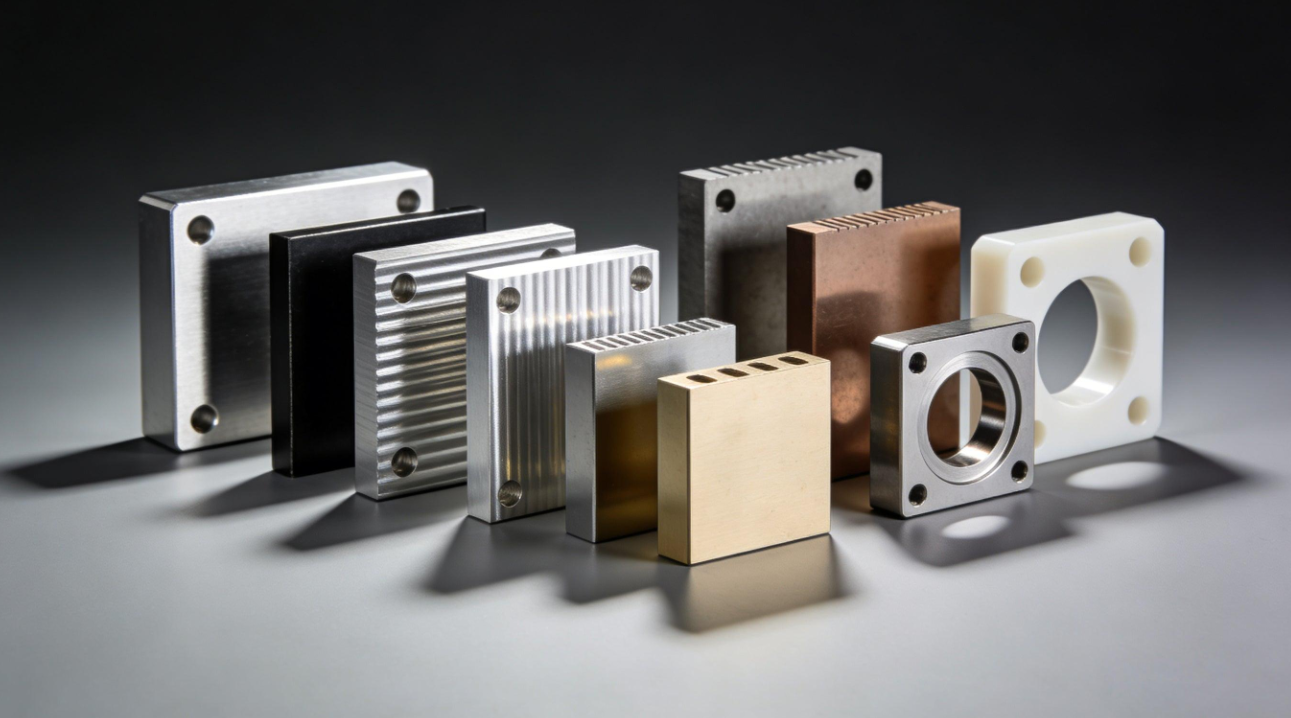

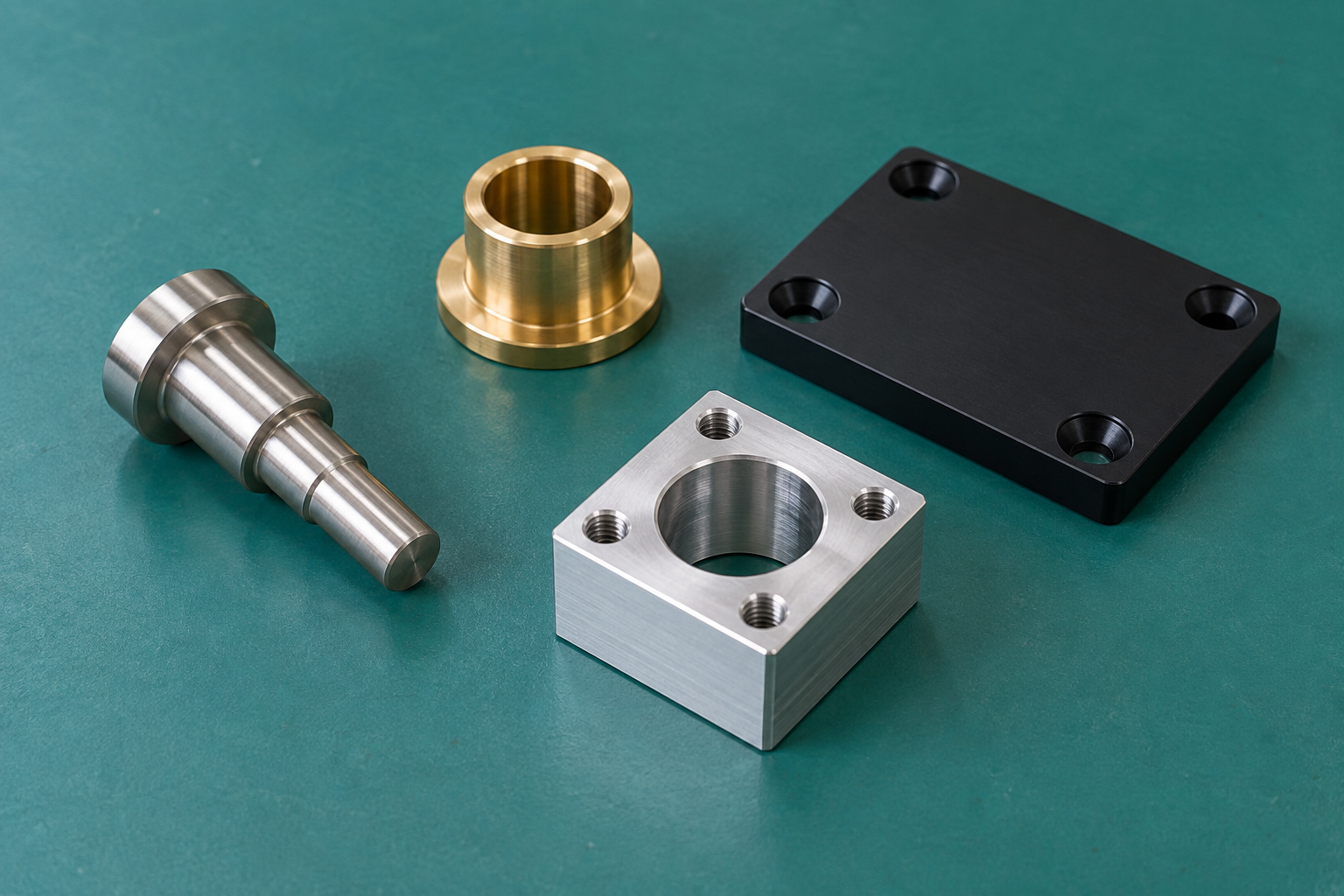
CNC machining cost in Vietnam is an important consideration for international buyers sourcing custom mechanical parts. However, the lowest unit price does not always represent the best overall manufacturing value.
Material selection, part complexity, machining tolerances, order quantity, surface finishing, inspection, and delivery requirements all affect the final quotation.
For companies sourcing prototypes, custom machinery components, or small to medium production batches, understanding these factors helps avoid unexpected costs and production delays.
At OSM Vietnam, we focus on custom CNC machining projects that benefit from responsive communication, practical engineering support, and coordinated manufacturing services.
This guide explains how CNC machining costs are calculated, what affects lead time, and how to prepare a clear request for quotation.
1. What Affects CNC Machining Cost in Vietnam?
There is no universal price for CNC machining because every component has different manufacturing requirements.
Two parts with similar dimensions can have significantly different costs if their materials, tolerances, or geometries are different.
The main cost factors include material, machining time, setup, tooling, inspection, and secondary processes.
Material Selection and Availability
Material selection influences both raw material expenses and machining efficiency.
Common materials used for CNC machining include:
- Aluminum alloys for lightweight mechanical components.
- Carbon steel for structural and machine parts.
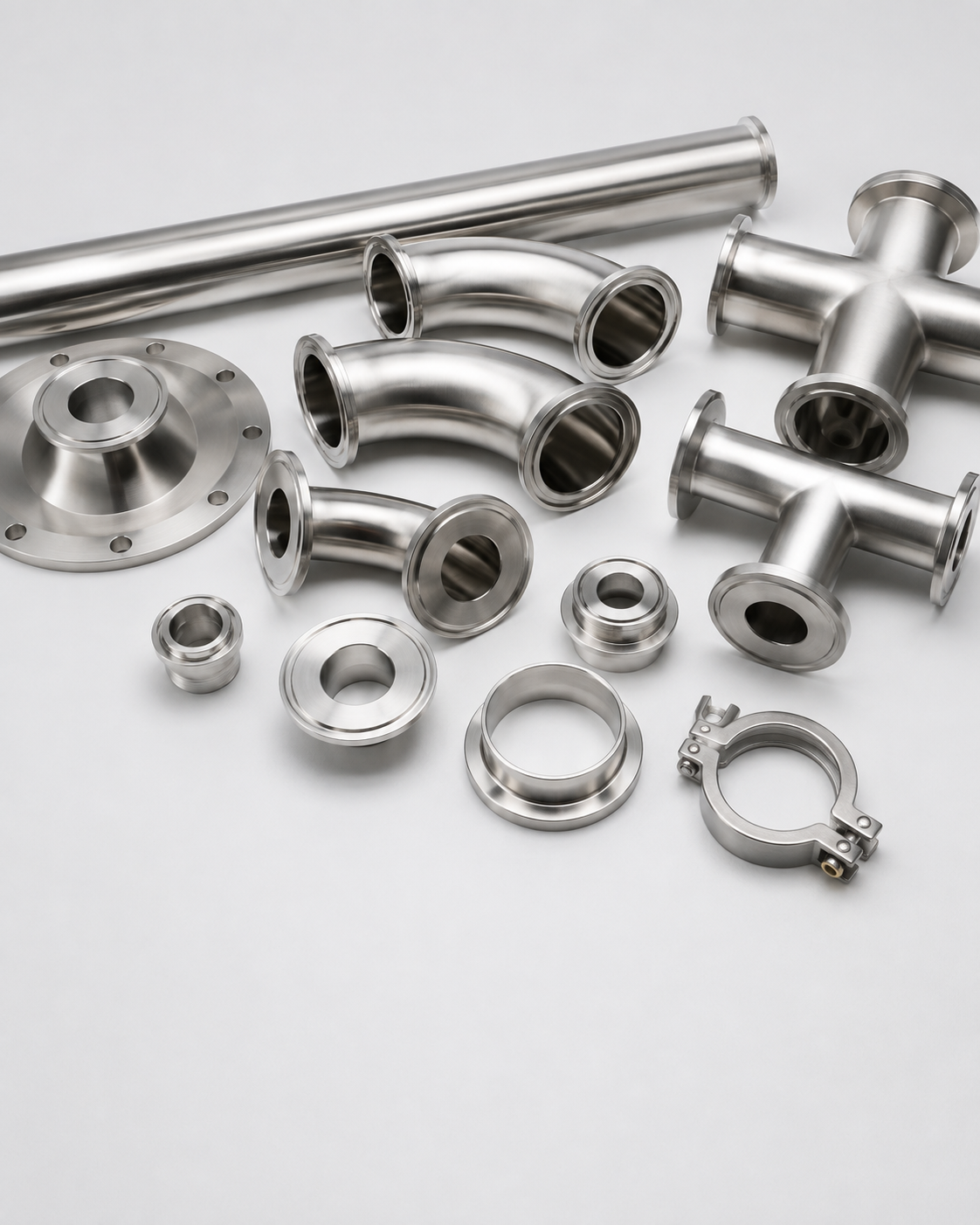
- Stainless steel for corrosion-resistant components.
- Brass and copper alloys for specialized mechanical and electrical applications.
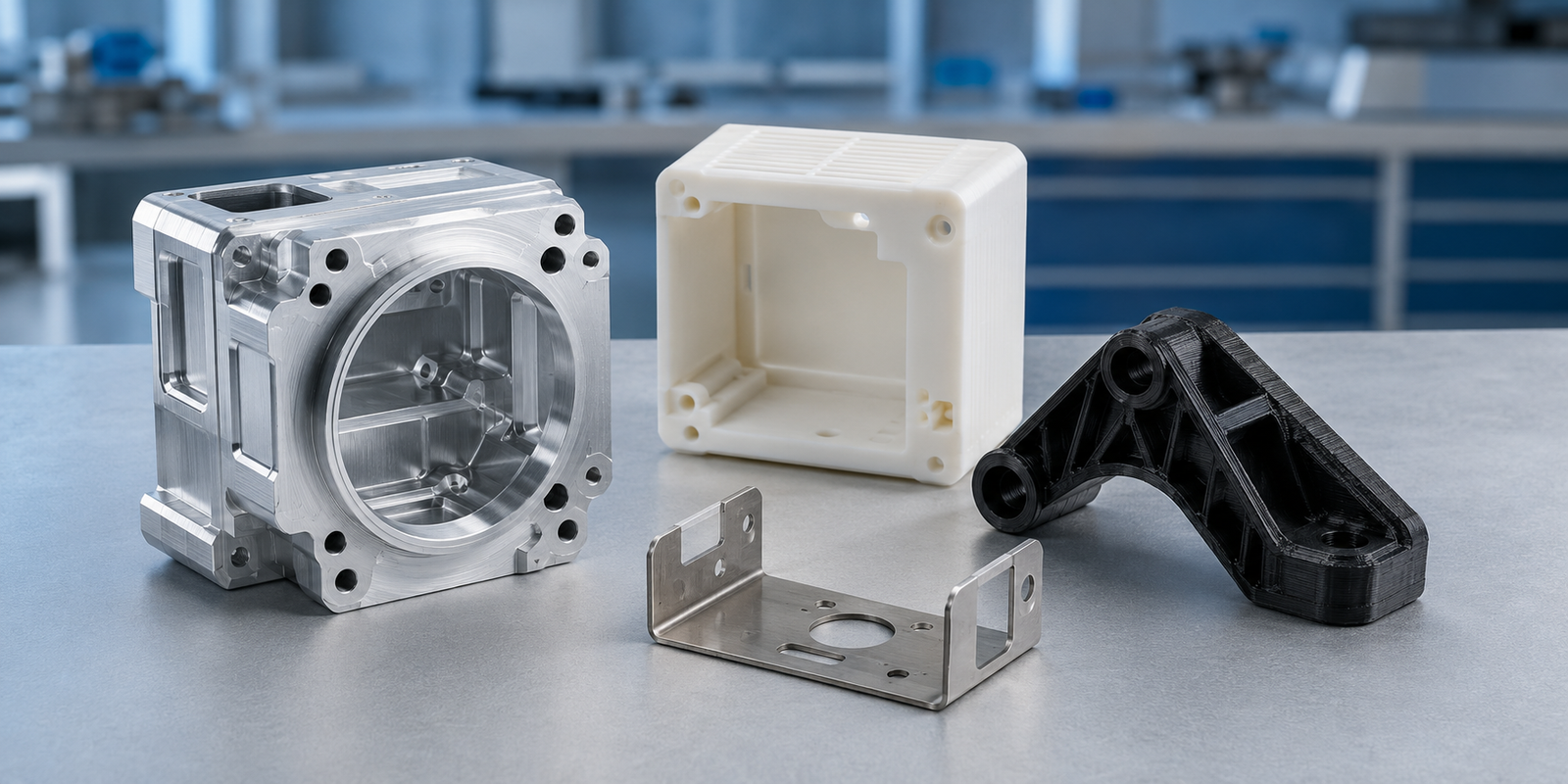
- Engineering plastics for nonmetallic components.
Material grade, stock dimensions, local availability, and required certification may affect the quotation.
When suitable, using standard stock dimensions can help reduce material waste and preparation time.
Part Geometry and Machining Complexity
Complex geometries generally require additional programming, setups, and machining operations.
Features that may increase cost include deep pockets, narrow slots, thin walls, small internal radii, and difficult-to-access surfaces.
Parts requiring several machining orientations may also need additional fixtures and inspection.
A design that is easy to machine can often be produced more efficiently than a similar component with unnecessary complexity.
Dimensional Tolerances
Tolerances directly influence the machining and inspection process.
Critical dimensions may require careful process control and additional measurements.
However, applying tight tolerances to every dimension can increase manufacturing costs without improving the component’s function.
A practical approach is to specify precision where it is technically necessary.
Order Quantity and Setup Costs
CNC programming and machine setup require preparation time.
For prototype orders, these costs are distributed across a small number of parts.
As quantity increases, setup costs can often be distributed across more components.
Nevertheless, actual unit pricing depends on the complete manufacturing process and should be evaluated using project-specific drawings.
2. CNC Milling and CNC Turning Cost Differences
Different machining processes have different cost structures.
Selecting the correct manufacturing process is an important part of cost optimization.
CNC Milling Cost
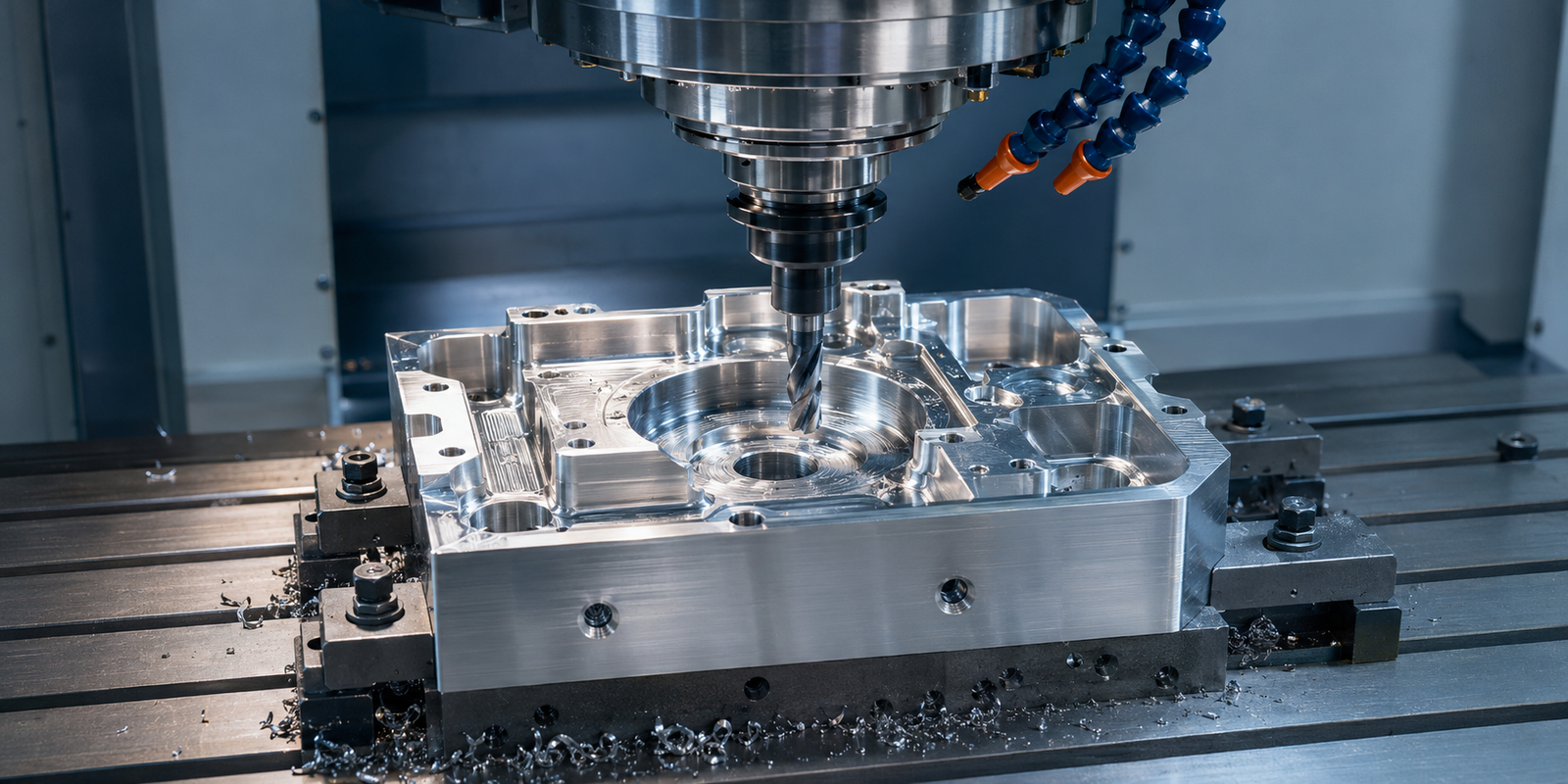
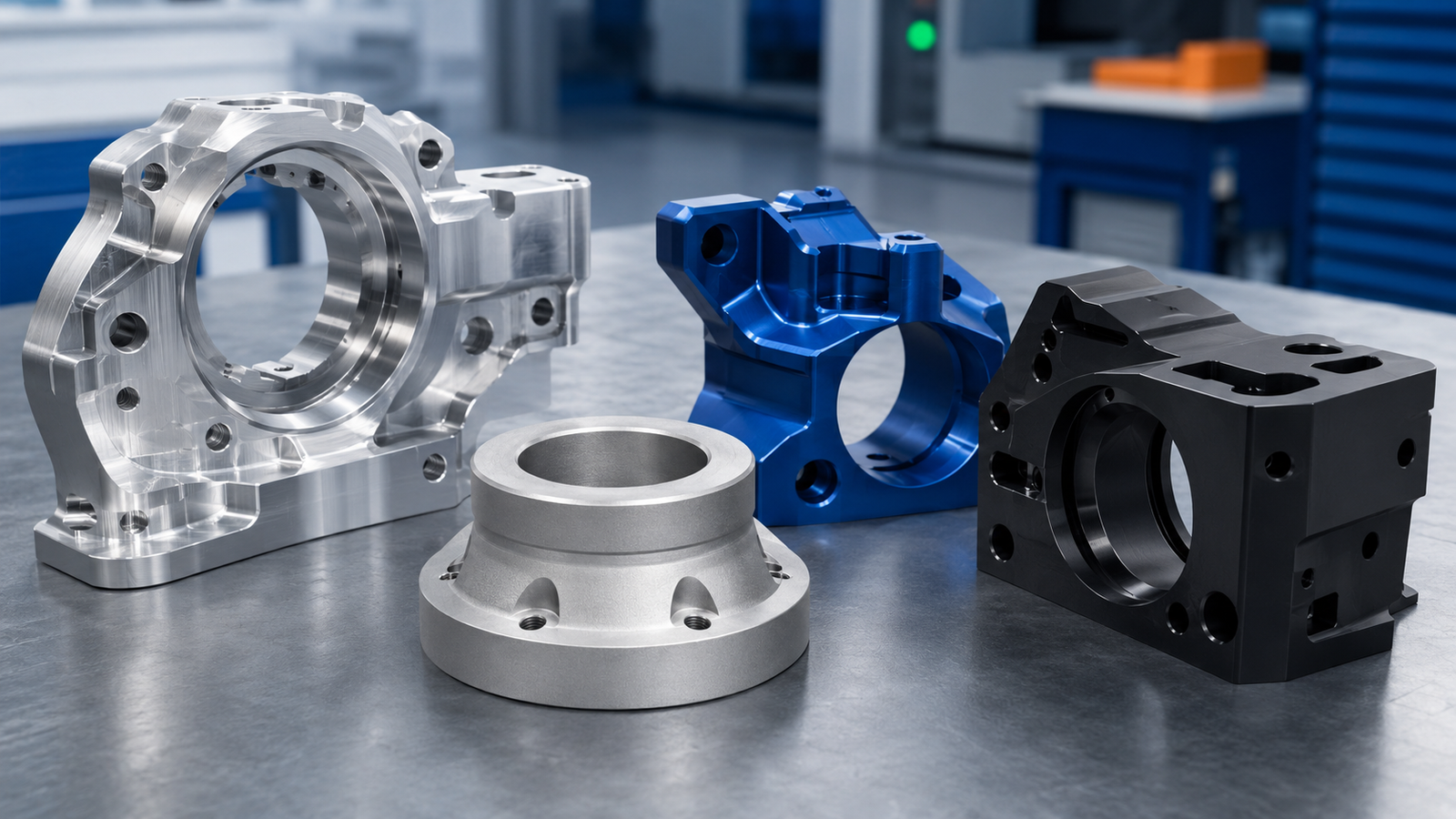
CNC milling is commonly used for brackets, housings, mounting plates, fixtures, and components with multiple flat or contoured surfaces.
Milling cost is affected by the number of setups, tool paths, material removal, cutting tools, and inspection requirements.
For example, a simple mounting plate may require relatively straightforward machining, while a complex housing may need multiple operations.
Explore OSM Vietnam’s CNC milling services.
CNC Turning Cost
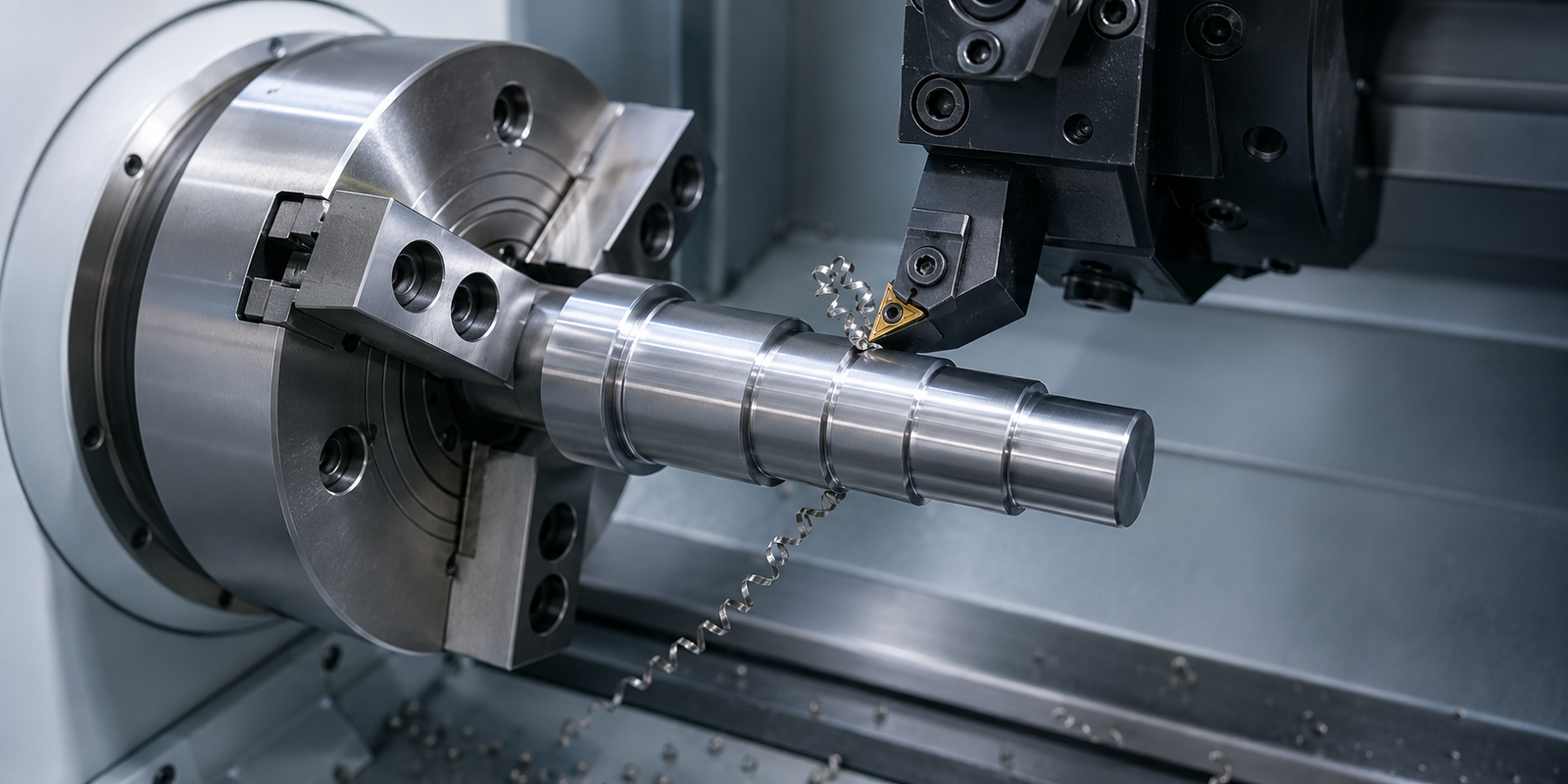
CNC turning is suitable for rotational components such as shafts, pins, sleeves, bushings, and threaded parts.
Pricing depends on the part diameter, length, material, threading requirements, tolerances, and secondary operations.
Some components may require both turning and milling.
Learn more about our CNC turning services.
For projects containing multiple part types, coordinating these processes through one manufacturing partner may simplify communication and purchasing.
3. CNC Machining Cost in Vietnam for Prototypes and Small-Batch Orders
Prototype and small-batch projects often require a different approach from high-volume production.
A prototype may need engineering review, programming, machine setup, inspection, and design adjustments even when only a few parts are ordered.
These activities can represent a significant portion of the total project cost.
For repeat orders, approved programs and established manufacturing methods may reduce some preparation work, provided the design and requirements remain unchanged.
Small and medium manufacturing projects can also include many different part numbers.
In such cases, overall project coordination may be as important as the individual part price.
OSM Vietnam focuses on custom machining requirements rather than large-scale mass production.
We aim to support projects where flexibility, technical communication, and practical manufacturing solutions are valuable.
4. How CNC Machining Lead Time Is Determined
CNC machining lead time in Vietnam depends on more than machine operating time.
A typical project may include:
- Reviewing technical drawings and 3D models.
- Clarifying tolerances and material specifications.
- Procuring raw materials.
- Preparing CNC programs and fixtures.
- Performing machining operations.
- Coordinating surface treatment or other secondary processes.
- Inspecting finished parts.
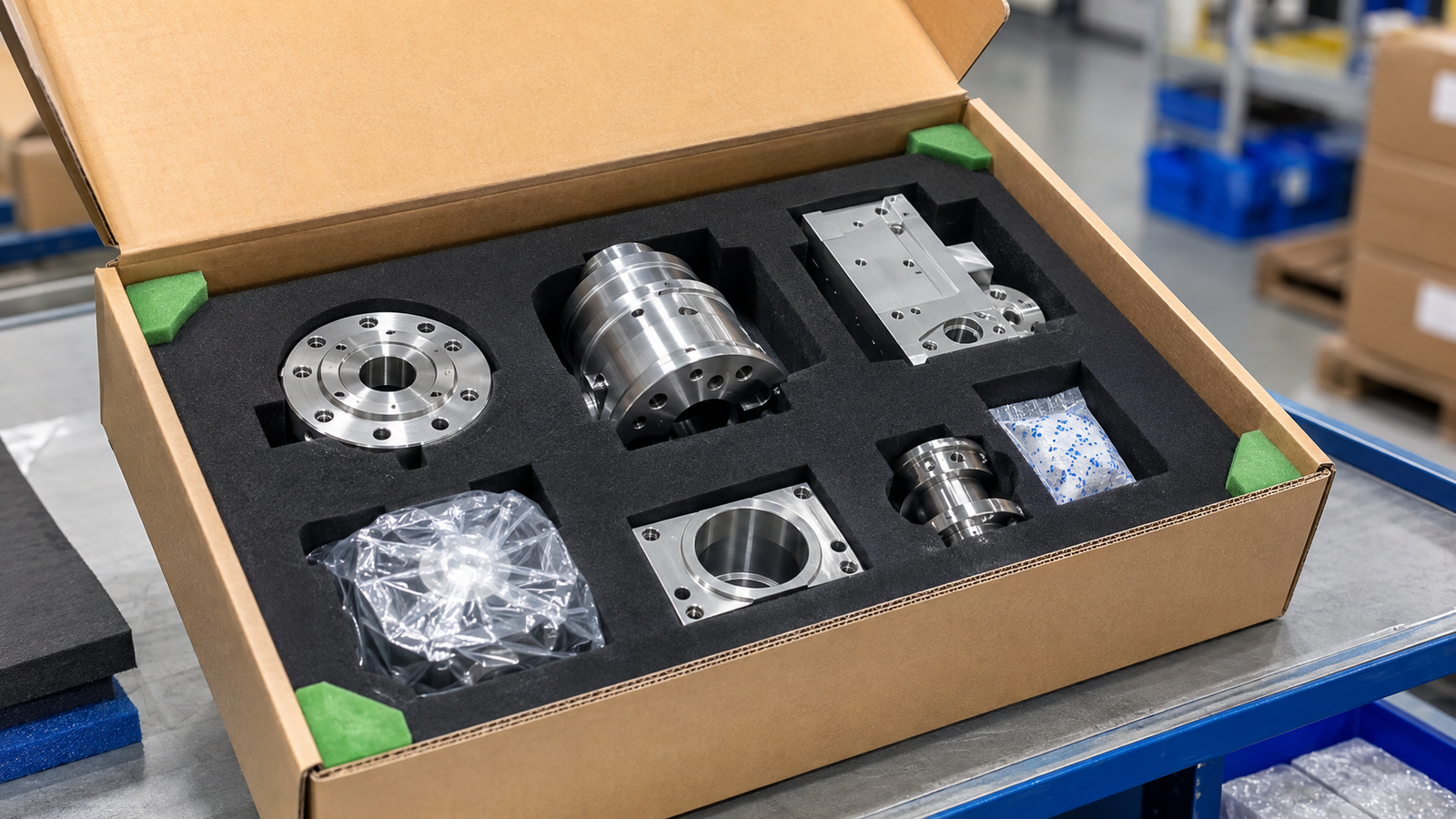
- Packaging and arranging shipment.
The overall schedule depends on part complexity, quantity, material availability, and production workload.
A simple component made from readily available material may move through production faster than a complex assembly requiring multiple manufacturing processes.
For international orders, buyers should also consider shipping and customs clearance time.
Manufacturing lead time and total delivery time are not the same.
A realistic schedule should be confirmed after reviewing the complete project requirements.
5. How Engineering Support Can Reduce CNC Machining Costs
Engineering support is especially useful for custom mechanical components.
Before production, a workshop may identify design features that increase machining time or complicate inspection.
Potential improvements include:
- Increasing noncritical internal corner radii.
- Simplifying unnecessary pockets or slots.
- Reviewing tolerances that are tighter than required.
- Choosing suitable material stock dimensions.
- Improving accessibility for cutting tools.
- Reviewing thread specifications.
- Simplifying secondary finishing requirements.
For example, a deep pocket with small internal corner radii may require smaller cutting tools and longer machining time.
Where the component’s function permits, a design adjustment may improve machinability.
Any proposed change should be reviewed and approved by the customer before production.
This approach can help reduce unnecessary manufacturing effort while preserving the required product function.
6. Why the Lowest CNC Machining Quote May Not Be the Best Option
Comparing CNC machining quotations requires more than checking the unit price.
A quotation may cover machining only, while another includes material, surface finishing, inspection, and packaging.
Buyers should confirm whether the quotation includes:
- Required material grades.
- All specified drawing features.
- Surface treatments.
- Heat treatment, if applicable.
- Critical dimensional inspection.
- Inspection documentation.
- Standard purchased components.
- Assembly requirements.
- Packaging and delivery terms.
A lower initial quotation can become more expensive if important services are excluded.
The most useful comparison is based on the total scope of work and the requirements of the finished components.
7. CNC Machining Projects With Budgets of USD 2,000–40,000
Many international customers source custom mechanical parts for projects that are too specialized for standard catalog products but do not require mass-production volumes.
Projects with budgets in the range of USD 2,000–40,000 may involve prototypes, custom machine components, small production batches, or multiple part numbers.
For these projects, buyers often value:
- Clear technical communication.
- Flexible order quantities.
- Drawing review before production.
- Coordination of machining and finishing.
- Reliable progress updates.
- Practical inspection requirements.
- Organized packing and shipment.
A CNC machining workshop can be a suitable manufacturing partner when its equipment, processes, and technical capabilities match the project.
OSM Vietnam focuses on serving customers who need responsive support and coordinated custom machining rather than large-scale factory production.
8. Managing Multiple Part Numbers and Manufacturing Processes
A custom machinery project may contain plates, brackets, shafts, spacers, bushings, and other components.
Each part may require different materials, machining processes, tolerances, and finishing methods.
Managing these requirements across multiple suppliers can increase communication and administrative work.
A coordinated manufacturing approach can help organize:
- Drawing revisions.
- Part identification.
- Material requirements.
- Production quantities.
- Machining schedules.
- Secondary processes.
- Inspection needs.
- Packaging requirements.
For customers with limited purchasing or engineering resources, clear project coordination can be particularly valuable.
9. Quality Inspection and Its Effect on Manufacturing Cost
Inspection requirements influence both manufacturing cost and project lead time.
The appropriate inspection method depends on the part’s geometry, tolerances, and intended application.
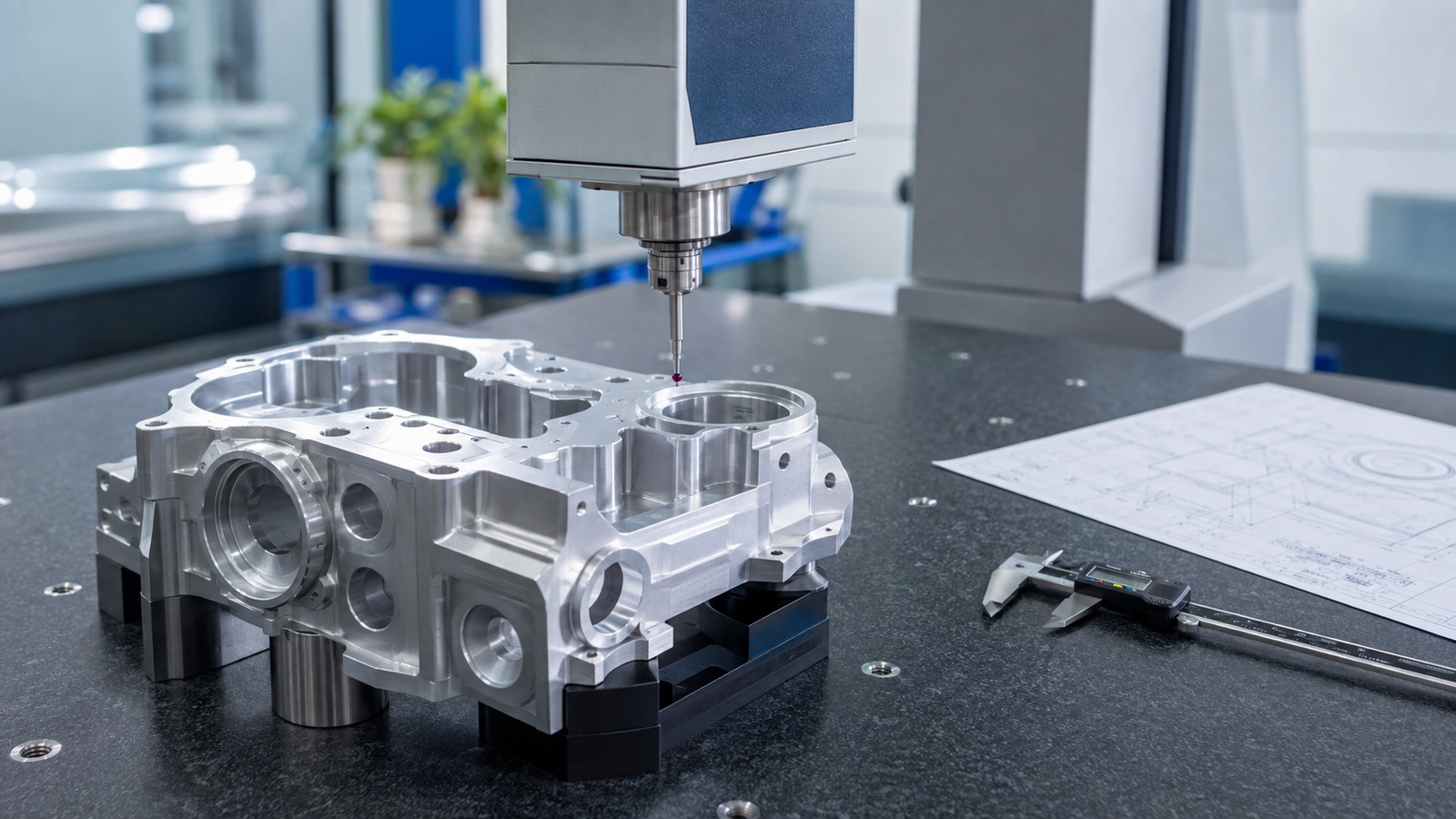
Common methods include dimensional checks with calipers, micrometers, height gauges, and other suitable measuring equipment.
Some projects may require additional inspection methods or documented measurement results.
Customers should identify critical dimensions and required quality records during the quotation stage.
This allows the workshop to evaluate inspection requirements and include them in the proposed scope of work.
10. How to Request an Accurate CNC Machining Quotation
A complete RFQ helps the supplier estimate CNC machining cost in Vietnam more accurately.
Include the following information:
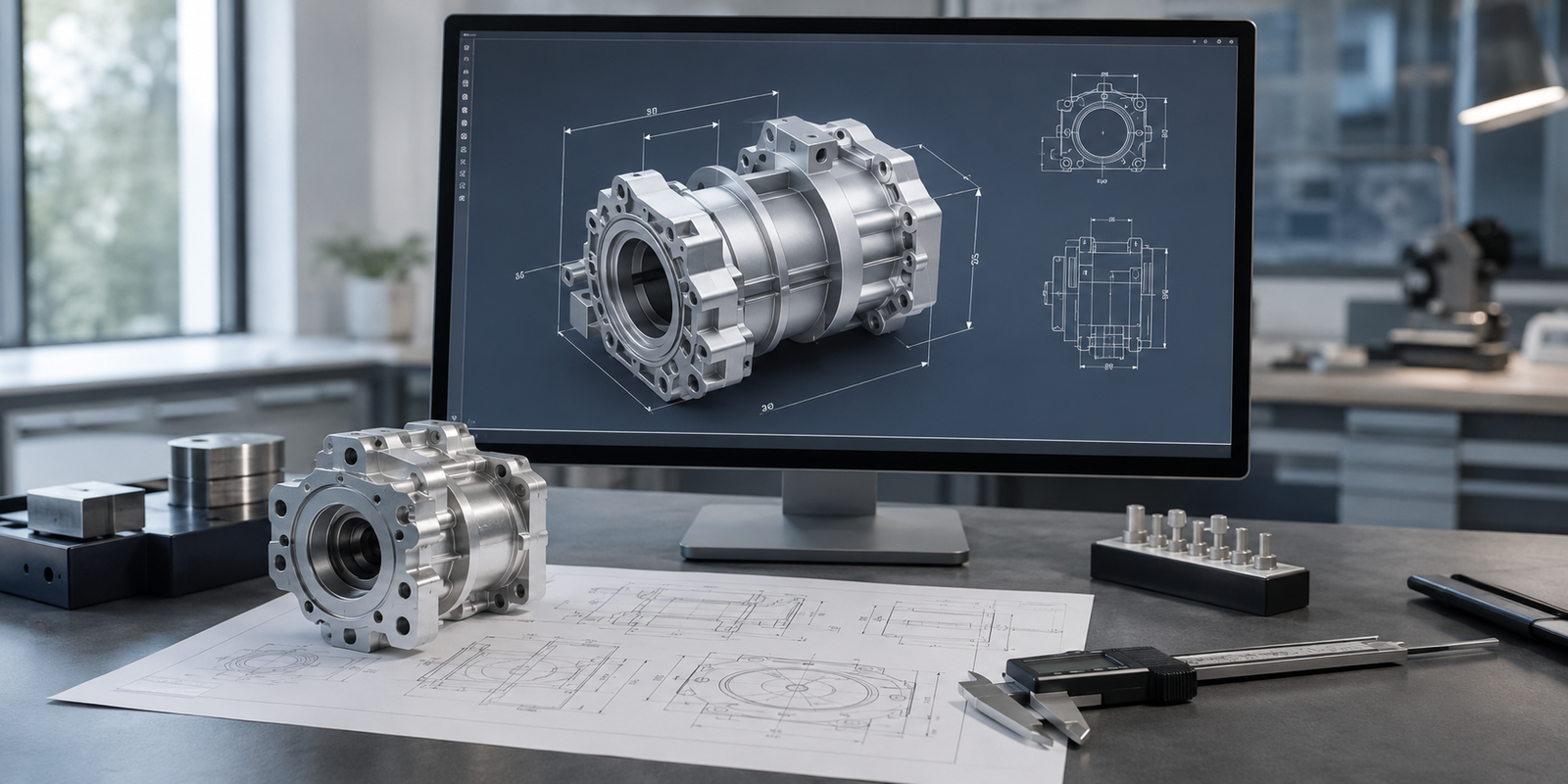
2D Technical Drawings
Provide PDF drawings with dimensions, tolerances, materials, and manufacturing notes.
3D CAD Models
STEP files are useful for understanding complex geometry and preparing machining operations.
Material Specifications
Specify the material grade and whether equivalent alternatives are acceptable.
Quantity per Part Number
Include prototype quantities, initial batch requirements, and expected repeat orders where known.
Surface Finishing Requirements
Identify anodizing, plating, heat treatment, or other required processes.
Inspection Requirements
Highlight critical dimensions and specify any documentation needed.
Delivery Information
Provide the shipping destination and preferred delivery terms.
Clear RFQ information helps reduce technical uncertainty and supports more meaningful quotations.
11. CNC Machining Services at OSM Vietnam
OSM Vietnam is a custom CNC machining workshop serving customers who require precision mechanical components and practical manufacturing support.
Our approach emphasizes technical communication, project coordination, and customer-specific requirements.
Depending on the project, we can discuss CNC milling, CNC turning, prototype machining, small-batch production, manufacturability considerations, surface finishing coordination, and dimensional inspection.
We understand that many customers are not simply purchasing individual machined parts.
They are looking for a manufacturing partner who can understand their drawings, communicate clearly, and help coordinate the work required to complete a project.
Learn more about our CNC machining services in Vietnam.
12. Request a CNC Machining Quote From OSM Vietnam
If you are comparing CNC machining cost in Vietnam, the most reliable starting point is a quotation based on your actual drawings and project requirements.
OSM Vietnam welcomes inquiries for custom mechanical parts, prototypes, and small to medium machining projects.
Send us your technical drawings, STEP files, material specifications, quantities, and finishing requirements.
Our team can review the information and discuss a suitable manufacturing approach.
Contact OSM Vietnam to request a project-specific CNC machining quotation.
Frequently Asked Questions About CNC Machining Cost in Vietnam
How much does CNC machining cost in Vietnam?
CNC machining cost in Vietnam depends on material, part complexity, tolerances, quantity, machining time, and finishing requirements. Accurate pricing requires reviewing the drawings and project scope.
Is CNC machining in Vietnam suitable for small orders?
Yes. Small orders and prototypes can be suitable for workshops that support custom machining, provided the requirements match their capabilities.
What affects CNC machining lead time?
Material availability, geometry, order quantity, machining operations, finishing, inspection, and production workload all affect lead time.
Can engineering support reduce machining costs?
Engineering review may identify opportunities to simplify geometry, adjust noncritical tolerances, or improve manufacturing methods without compromising functionality.
What files should I send for a CNC machining quotation?
Provide 2D PDF drawings, 3D STEP models, material specifications, quantities, and any finishing or inspection requirements.