
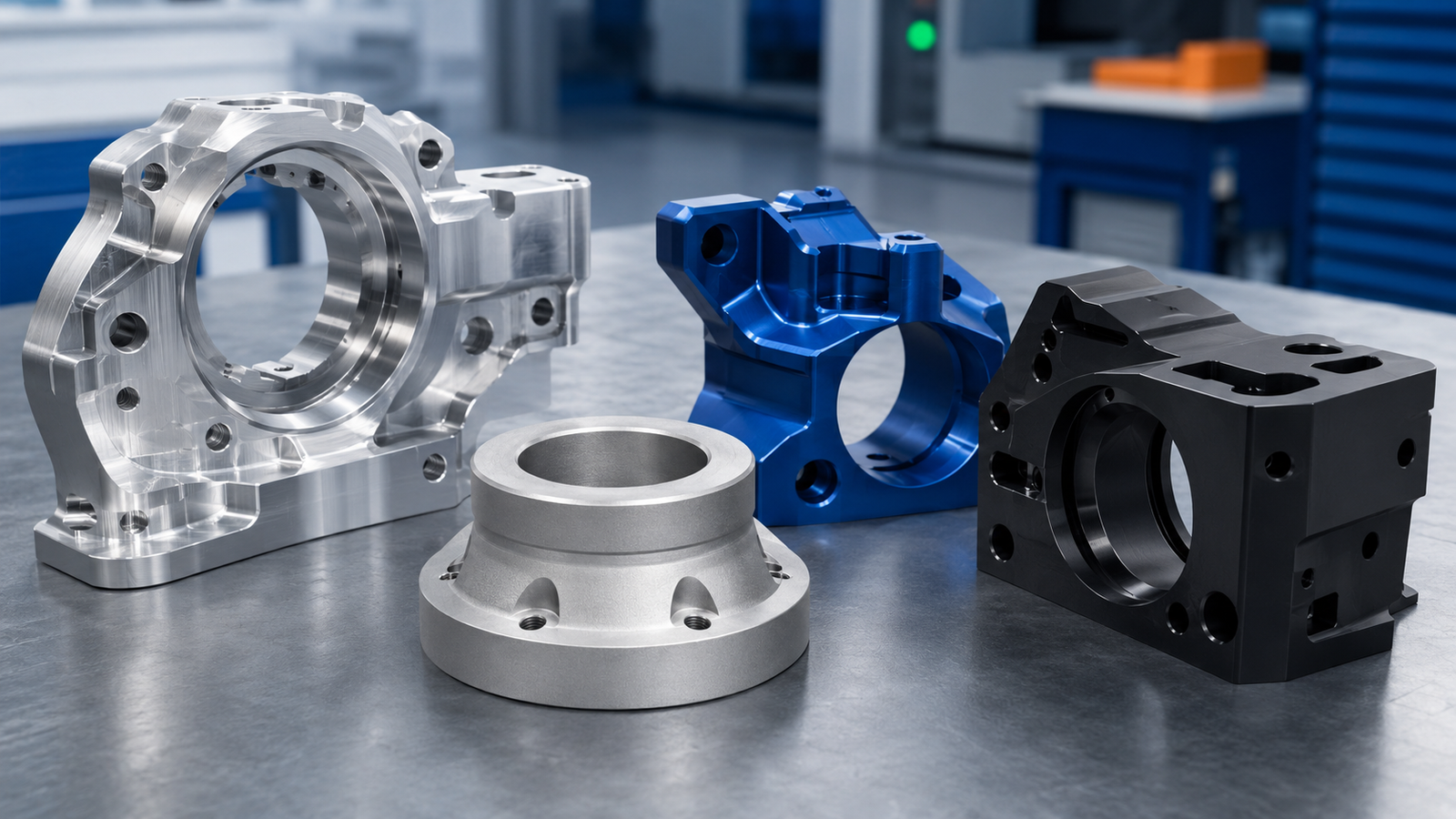




For many equipment manufacturers, sourcing individual machined parts is only one part of a larger manufacturing project.
A complete mechanical mechanism may require CNC milled brackets, turned shafts, bushings, bearings, springs, locating pins, fasteners, and other components. Each part must meet its drawing requirements, but the finished assembly must also fit and function as intended.
Managing several suppliers for these components can create additional work for engineering and purchasing teams. Parts may arrive at different times, drawing revisions may become inconsistent, and dimensional problems may only become apparent during final assembly.
CNC machining and assembly in Vietnam offers an alternative approach for projects where buyers want custom machined components and related mechanical assembly activities coordinated through one primary supplier.
OSM Vietnam operates as a custom CNC machining workshop supporting project-based mechanical manufacturing. Depending on the technical requirements and agreed scope, our work can involve CNC milling, CNC turning, engineering review, dimensional inspection, coordination of purchased components, and mechanical assembly.
This article explains how CNC machining and mechanical assembly projects are organized, which technical documents buyers should prepare, and what to consider when selecting a manufacturing partner.
1. What Are CNC Machining and Mechanical Assembly Services?
CNC machining is a manufacturing process used to produce components from engineering drawings and digital models.
Mechanical assembly involves combining individual components into a functional or partially completed mechanical unit.
A typical project may involve:
- CNC milling of aluminum mounting plates.
- CNC turning of steel shafts.
- Manufacturing bushings and spacers.
- Purchasing standard bearings and fasteners.
- Applying specified surface treatments.
- Inspecting machined dimensions.
- Assembling the components.
- Checking fit and mechanical movement.
- Packaging the completed assembly.
The exact activities depend on the customer’s design and project requirements.
Individual Parts Versus Mechanical Subassemblies
A supplier delivering individual parts is responsible for manufacturing the specified components.
A supplier delivering a mechanical subassembly may also need to verify that those components fit together and satisfy agreed assembly requirements.
These are different scopes of work and should be clearly distinguished in the quotation.
2. Why Equipment Manufacturers Source Mechanical Assemblies
Equipment manufacturers often need to manage many technical activities simultaneously.
Their engineering teams may be focused on machine design, electrical systems, controls, testing, and customer requirements.
Coordinating every individual mechanical component can consume significant resources.
Reducing Supplier Coordination
When several related components are included in one project, a primary manufacturing contact may help coordinate:
- Drawing clarification.
- Material purchasing.
- CNC machining.
- Standard component sourcing.
- Secondary processing.
- Inspection.
- Assembly.
- Packaging.
This does not mean every process must be performed inside one workshop.
Specialized activities may be coordinated with qualified external providers when agreed with the customer.
Identifying Problems Before Delivery
Mechanical assembly can reveal issues that are not obvious when individual parts are inspected separately.
Examples include incorrect fits, interference, missing components, and unexpected movement restrictions.
When assembly is included in the agreed scope, these issues may be identified before shipment.
3. Common Types of Custom Mechanical Assemblies
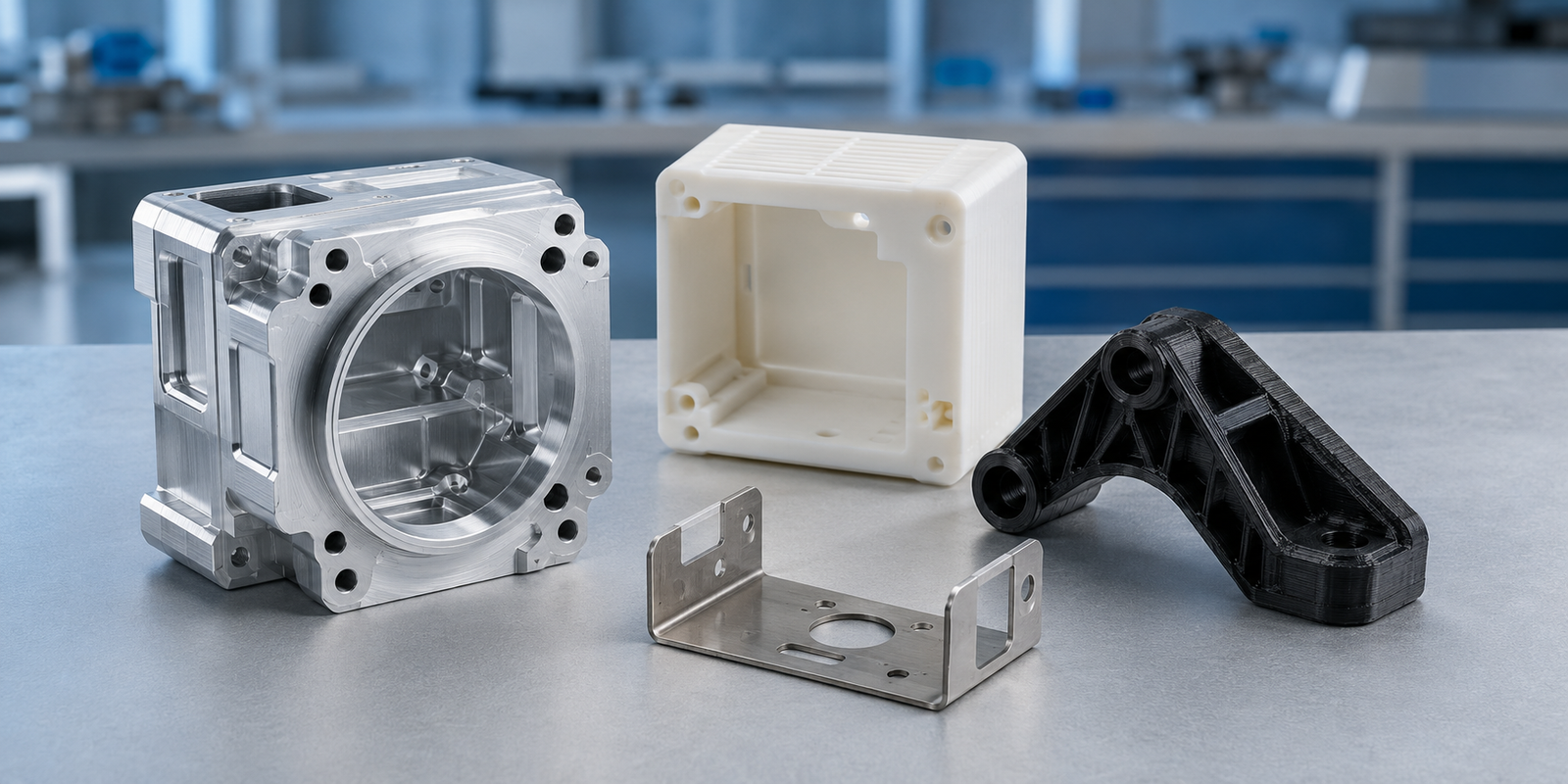
Custom mechanical assemblies are used in many kinds of equipment.
Shaft and Bearing Assemblies
These may contain:
- Machined shafts.
- Bearings.
- Spacers.
- Retaining rings.
- Bearing housings.
- Fasteners.
Important considerations include shaft fits, bearing positioning, alignment, and rotational movement.
Clamping Mechanisms
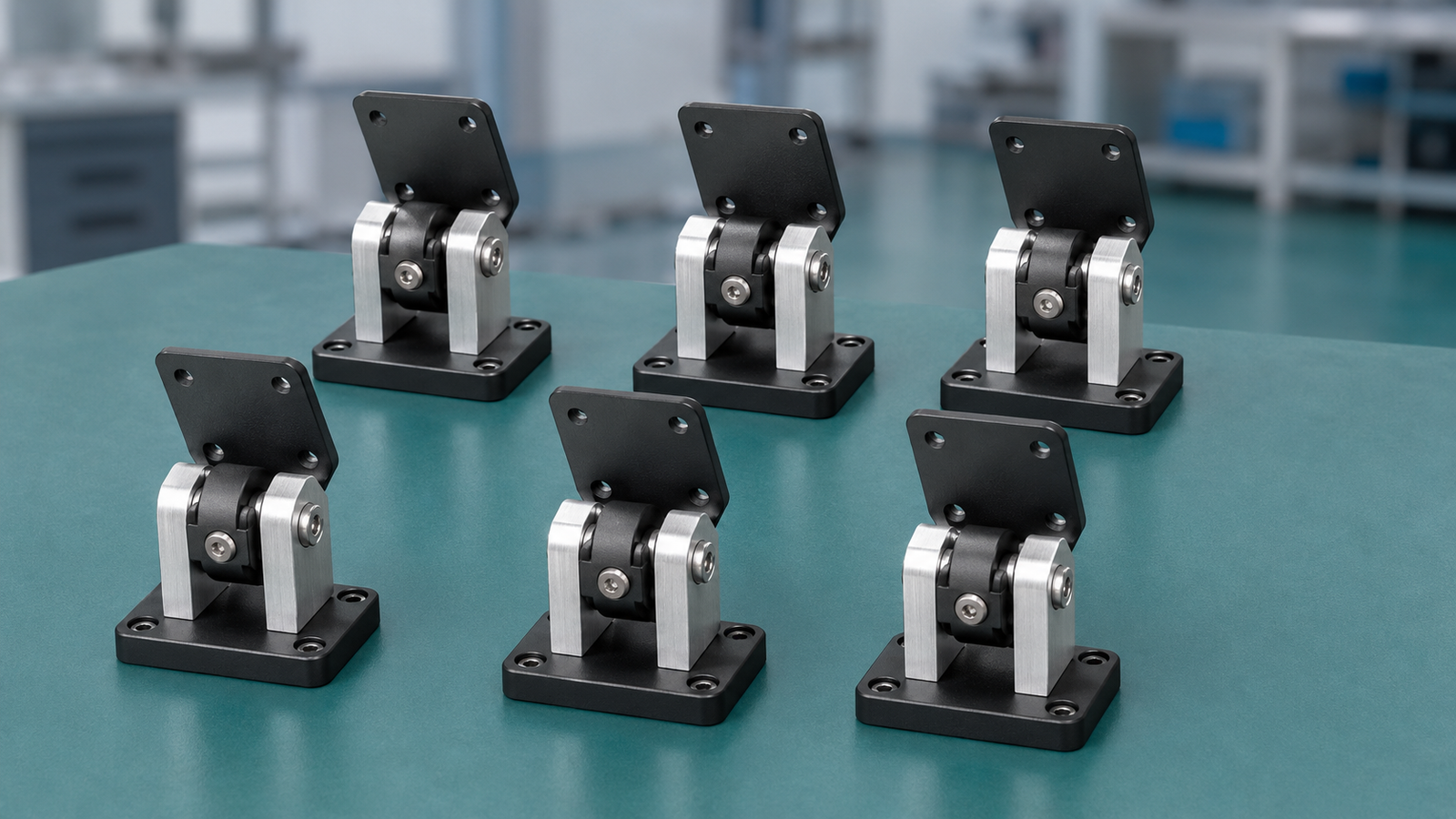
A clamping mechanism may contain:
- CNC machined jaws.
- Pins.
- Bushings.
- Springs.
- Linkages.
- Fasteners.
The assembly requirements depend on the intended gripping force, travel, and operating conditions.
Sliding Mechanisms
These may include guide components, brackets, shafts, spacers, and purchased linear motion elements.
Important characteristics include alignment, clearance, and smooth movement.
Adjustable Fixtures
Adjustable fixtures can combine machined components with threaded elements, locating pins, and clamping hardware.
Equipment Mounting Assemblies
These may include several plates, brackets, supports, and fasteners used to position equipment components.
4. CNC Milling for Mechanical Assembly Components
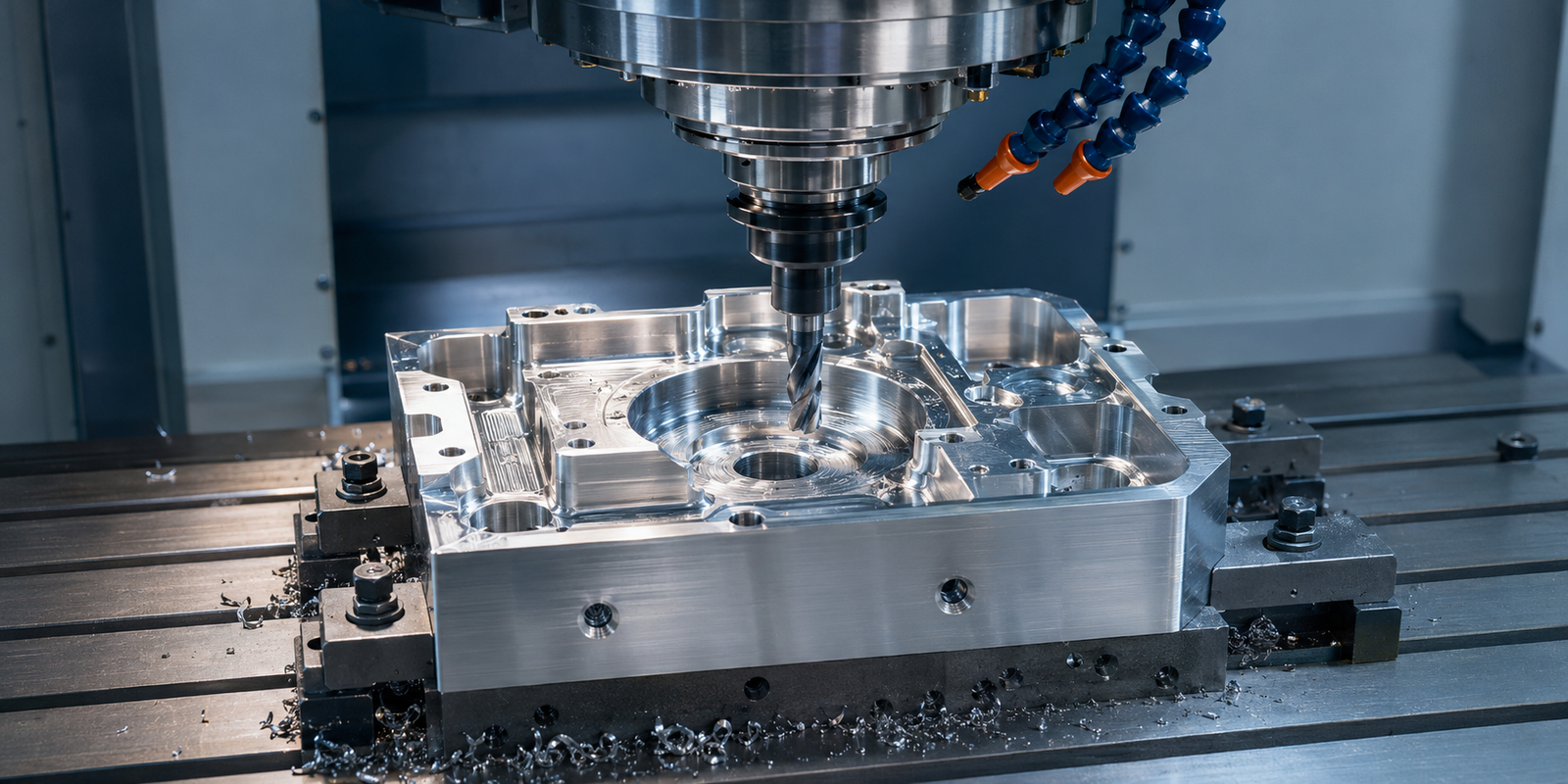
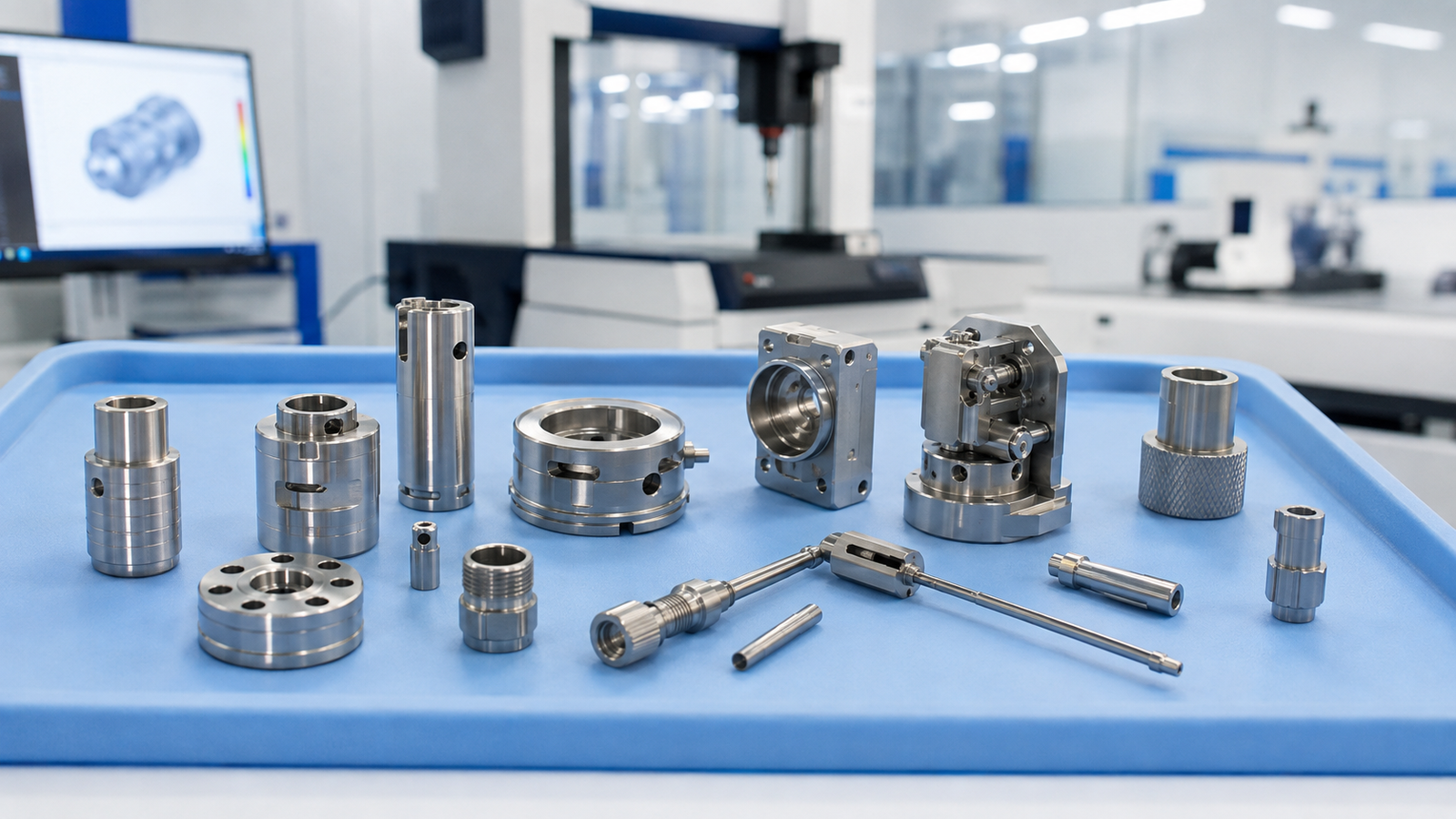
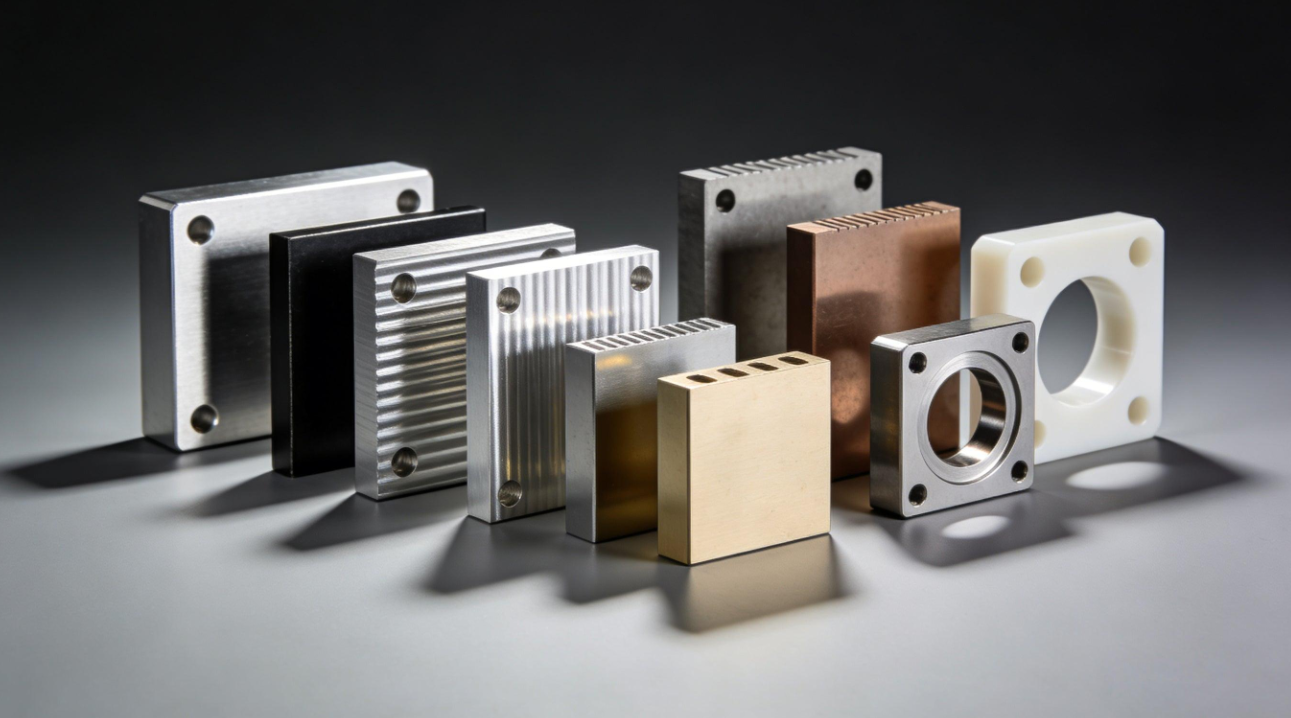
CNC milling is used to manufacture parts with flat surfaces, holes, pockets, slots, and other geometric features.
Common assembly components include:
- Mounting plates.
- Brackets.
- Machine bases.
- Bearing supports.
- Gripper jaws.
- Locating blocks.
- Custom fixtures.
Mating Surfaces
Mating surfaces determine how components contact and align with one another.
Their flatness, orientation, and dimensional relationships may affect the completed assembly.
Hole Position Accuracy
Mounting holes and locating holes have different functions.
A clearance hole for a bolt may not require the same position tolerance as a precision locating hole.
Understanding this distinction helps avoid unnecessary manufacturing costs.
Tool Access and Workholding
Deep pockets, thin walls, and complex machining orientations can increase manufacturing difficulty.
DFM review may identify practical improvements before production.
5. CNC Turning for Assembly Components
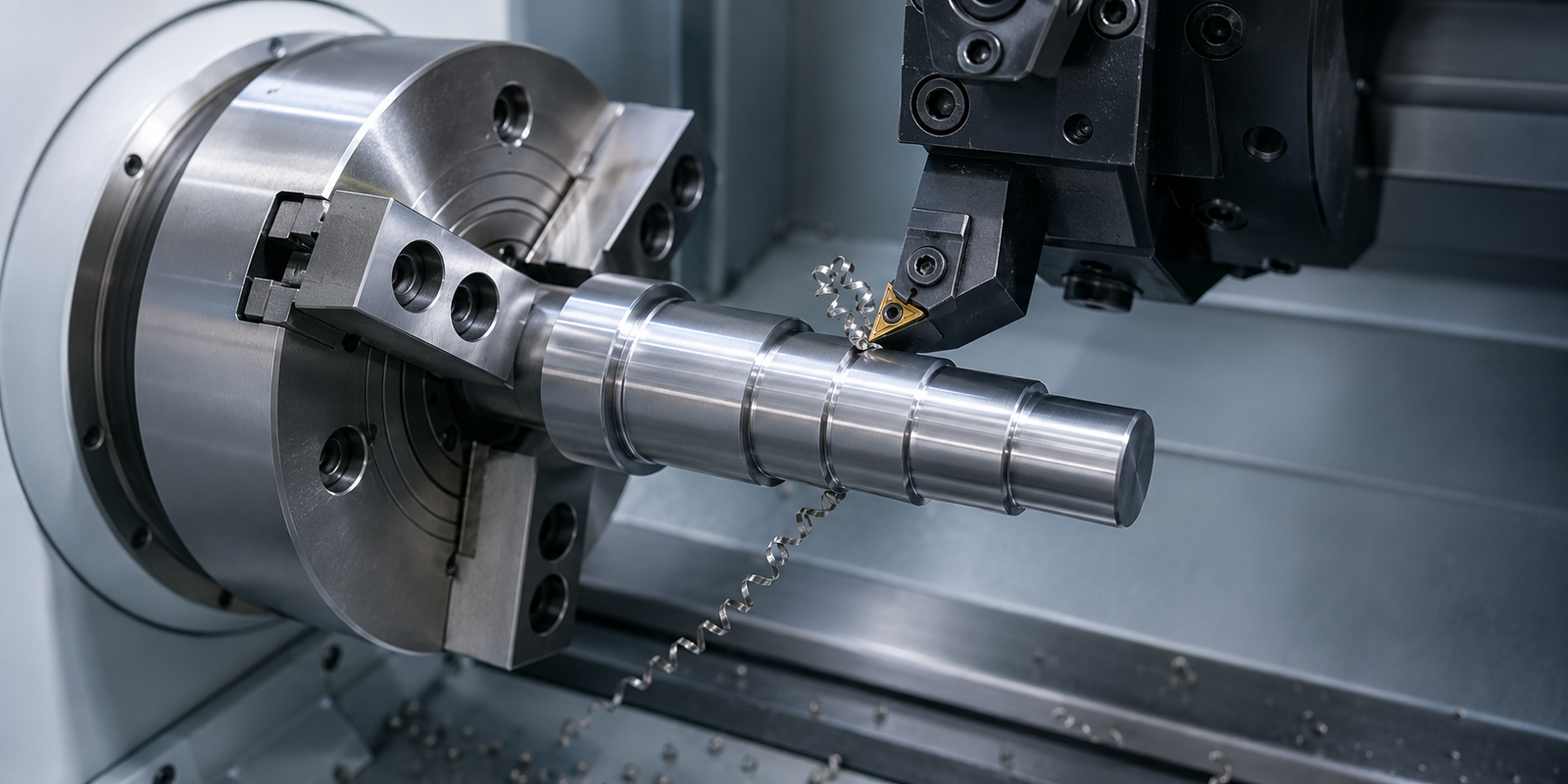
CNC turning is commonly used for rotational components.
Examples include:
- Shafts.
- Pins.
- Bushings.
- Sleeves.
- Spacers.
- Threaded adapters.
Shaft and Bearing Fits
The required fit depends on the bearing arrangement, loading conditions, and design.
The drawing should specify the correct dimensions and tolerances.
Bushings and Pins
Bushings and pins may control alignment, movement, or component positioning.
Their functional dimensions should be identified clearly.
Secondary Machining Operations
Some turned parts also require milled flats, keyways, or cross-holes.
The supplier should evaluate the complete geometry rather than quoting the turning operation alone.
6. Bill of Materials Management
A Bill of Materials, or BOM, is one of the most important documents in a mechanical assembly project.
It identifies every component required to complete the assembly.
A useful BOM may include:
| Field | Purpose |
|---|---|
| Item number | Assembly reference |
| Part number | Unique component identification |
| Description | Component name |
| Revision | Approved drawing version |
| Material | Required material |
| Quantity | Quantity per assembly |
| Make or buy | Manufactured or purchased |
| Supplier specification | Standard component reference |
Manufactured Components
Custom parts should have their own drawings and revision identifiers.
Purchased Components
Bearings, springs, seals, and fasteners should be specified using clear manufacturer references or technical standards.
Approved Substitutions
If a purchased component is unavailable, an alternative should only be used after customer approval.
Missing Components
A complete BOM helps prevent situations where a machined assembly cannot be finished because a small standard component was omitted.
7. Design for Assembly and Manufacturability
DFM focuses on manufacturing feasibility.
Design for Assembly, or DFA, focuses on how components fit together and how efficiently they can be assembled.
Both approaches can be valuable in custom mechanical projects.
Common DFM Considerations
- Tool accessibility.
- Internal corner radii.
- Thin walls.
- Hole depth.
- Thread specifications.
- Material selection.
- Surface treatment allowances.
Common DFA Considerations
- Fastener access.
- Assembly sequence.
- Component orientation.
- Locating features.
- Clearance for tools.
- Maintenance access.
- Prevention of incorrect assembly.
Example: Fastener Accessibility
A bracket may be easy to machine but difficult to assemble if a bolt head is blocked by another component.
Reviewing the assembly model can help identify the issue before manufacturing.
Customer Approval
Any design modification must be reviewed and approved by the customer.
A manufacturing supplier should not independently change functional requirements.
8. Tolerances and Tolerance Stack-Up
Individual components may satisfy their drawing tolerances while the completed assembly still has fit or alignment problems.
This can occur because dimensional variations accumulate across multiple components.
The effect is known as tolerance stack-up.
Example: Spacer Assembly
Consider a mechanism where several spacers and plates determine the position of a shaft.
Even if each component is within its specified tolerance, the combined dimensional variation may affect the final clearance.
Functional Dimensions
Buyers should identify dimensions controlling:
- Bearing position.
- Shaft alignment.
- Mechanical travel.
- Contact pressure.
- Clearance.
- Sealing.
- Locating accuracy.
Inspection Planning
Where assembly performance depends on combined dimensions, the inspection plan may need to consider both individual components and the assembled mechanism.
9. Material Selection for Mechanical Assemblies
Different components within one assembly may require different materials.
For example:
- Aluminum mounting plates.
- Steel shafts.
- Stainless steel pins.
- Brass bushings.
- Engineering plastic spacers.
Material selection depends on load, wear, corrosion resistance, weight, and operating conditions.
Avoid Unapproved Material Changes
A substitute material may change the strength, friction, wear behavior, or dimensional stability of the mechanism.
All substitutions require technical review and customer approval.
Material Documentation
If material certificates are required, buyers should include this requirement in the RFQ.
10. Surface Finishing and Secondary Processes
Mechanical assemblies may require components with different surface treatments.
Examples include:
- Aluminum anodizing.
- Zinc plating.
- Nickel plating.
- Heat treatment.
- Polishing.
- Other specified processes.
Dimensional Effects
Coatings may affect close-fitting dimensions.
Heat treatment may affect dimensional stability.
The manufacturing sequence should be considered when planning critical features.
Masking Requirements
Some surfaces may need to remain uncoated.
These requirements should be specified on the drawing.
Coordination of External Processes
Specialized processes may be performed by external providers under the agreed project scope.
The quotation should clarify which processes are included.
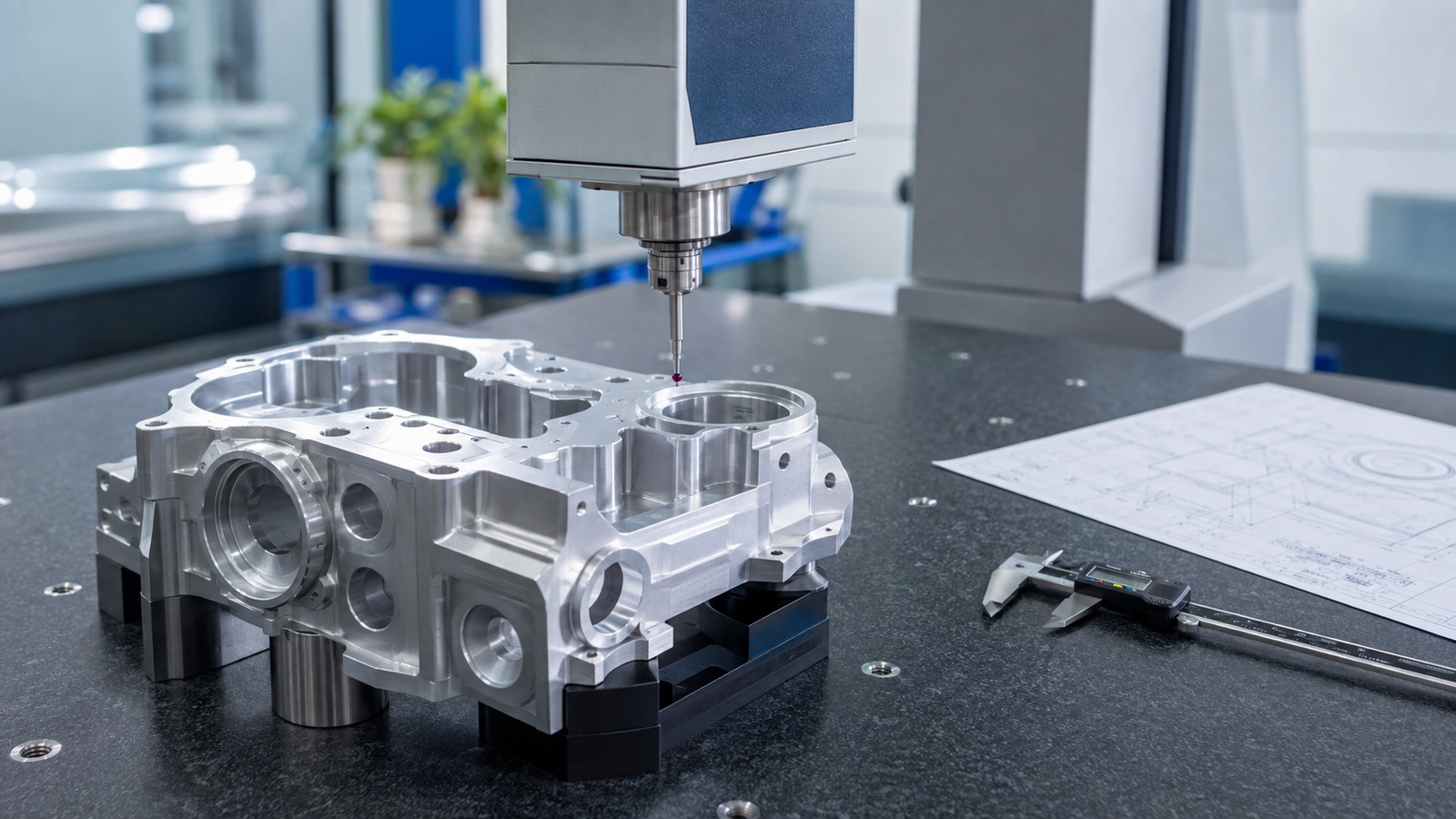
11. Quality Inspection Before Assembly
Quality inspection should begin before the components are assembled.
Depending on the project, inspection may include:
- Material verification.
- Dimensional measurement.
- Thread inspection.
- Surface finish checking.
- Visual inspection.
- Verification of critical geometric tolerances.
Critical Characteristics
Examples include:
- Bearing seats.
- Locating holes.
- Shaft diameters.
- Mating faces.
- Sliding surfaces.
- Threaded interfaces.
First Article Inspection
For a new design, First Article Inspection may help confirm that the initial manufactured components meet the agreed requirements.
The scope of inspection should be defined in advance.
Traceability
Part numbers and drawing revisions should remain identifiable during manufacturing and assembly.
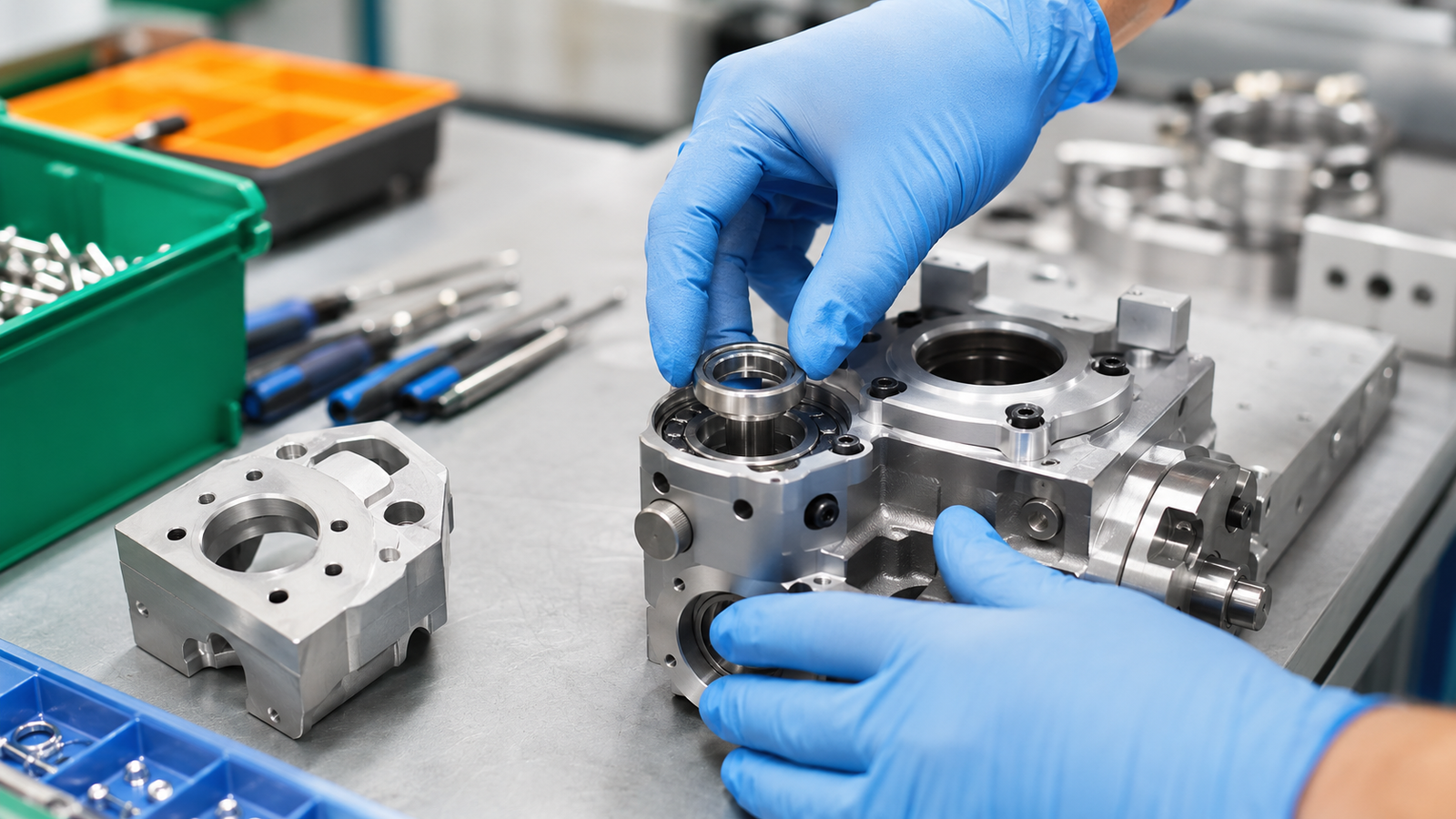
12. Mechanical Assembly and Functional Testing
Assembly activities depend on the design and the customer’s requirements.
A typical workflow may involve:
- Verifying components against the BOM.
- Inspecting relevant dimensions.
- Preparing purchased parts.
- Cleaning components.
- Assembling according to the approved design.
- Checking fasteners and component positions.
- Verifying movement or fit.
- Recording the agreed inspection results.
- Packaging the completed assembly.
Functional Testing
Depending on the mechanism, tests may include:
- Opening and closing.
- Rotation.
- Sliding movement.
- Mechanical travel.
- Locking.
- Spring action.
- Clearance.
- Alignment.
Define Acceptance Criteria
A general statement such as “fully functional” may not be sufficient.
The RFQ should identify measurable or observable acceptance criteria.
For example, a clamping mechanism may require a defined opening range, smooth travel, and successful locking under specified conditions.
The supplier should only commit to tests that are technically defined and included in the quotation.
13. Prototyping Before Assembly Production
New mechanical assemblies often benefit from a prototype stage.
A prototype may help verify:
- Assembly fit.
- Mechanical movement.
- Interference.
- Component alignment.
- Fastener access.
- Spring behavior.
- General functionality.
Prototype Versus Production Requirements
A prototype intended for fit checking may not need every final surface treatment.
A prototype intended for load or durability testing may require materials and manufacturing conditions closer to the final design.
The intended test purpose should be clear.
Engineering Revisions
If the prototype reveals a design problem, updated drawings and BOM revisions should be issued before further production.
14. Small-Batch Mechanical Assembly Projects
Custom equipment manufacturers often require small numbers of assemblies.
For example, a project may involve 10 complete mechanisms, each containing 12 different components.
This represents 120 individual components before accounting for purchased hardware.
Cost Structure
The project cost may include:
- Engineering review.
- CNC programming.
- Workholding.
- Material.
- Machining.
- Purchased components.
- Surface finishing.
- Inspection.
- Assembly labor.
- Functional testing.
- Packaging.
Quantity and Unit Cost
Setup costs are distributed across the order quantity.
Buyers may request quotation options for several batch sizes.
Repeat Orders
If the same assembly will be reordered, maintaining approved drawings, BOMs, and assembly instructions can improve communication and consistency.
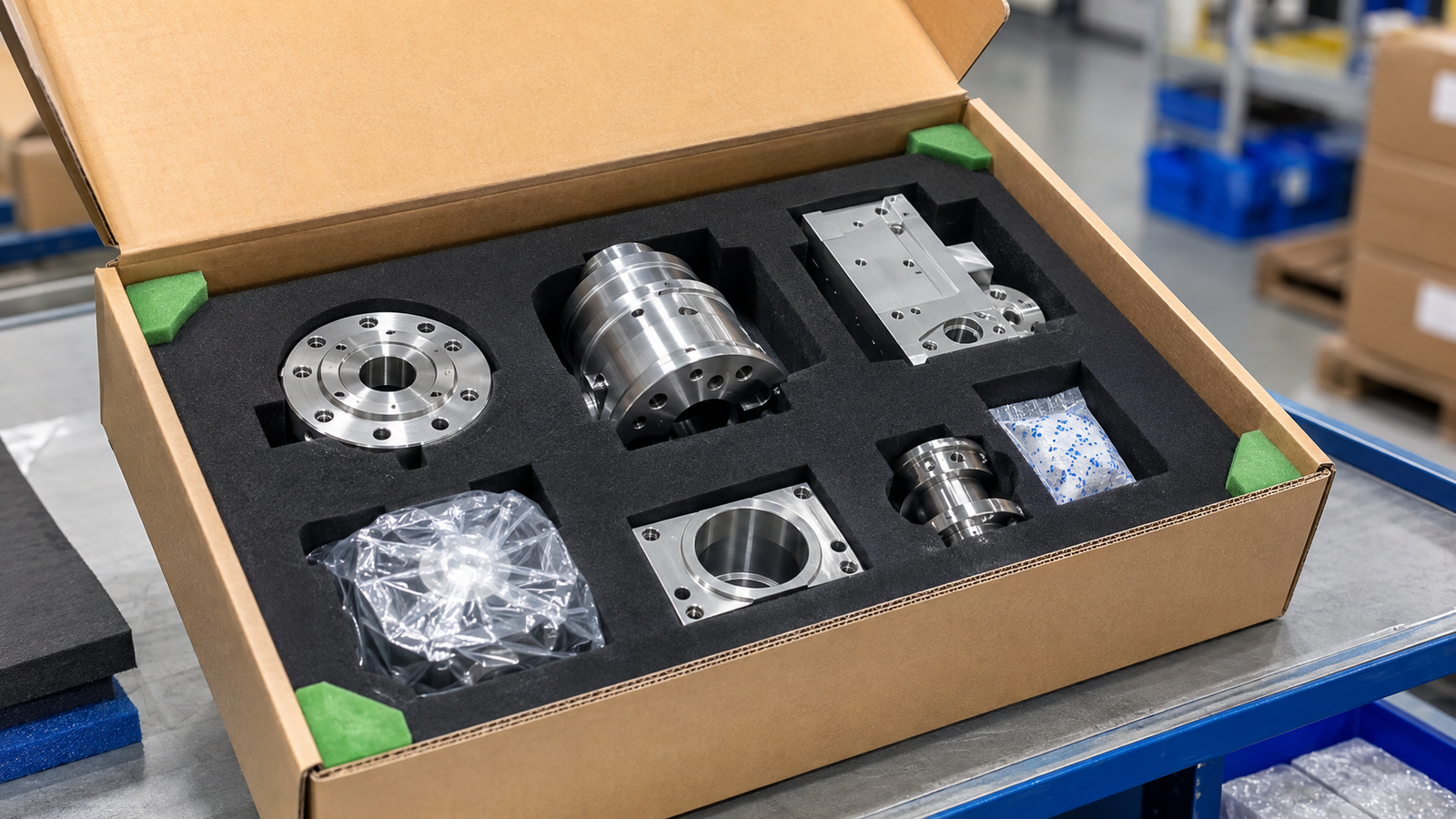
15. Packaging and International Shipping
Assembled mechanical units may require different packaging from individual machined components.
Important considerations include:
- Protection of precision surfaces.
- Prevention of movement during transport.
- Corrosion protection where appropriate.
- Part and assembly identification.
- Protection of exposed shafts.
- Packing lists.
- Shipping documentation.
Shipping Conditions
Buyers should define the delivery destination and applicable Incoterms.
Manufacturing lead time and international transit time should be considered separately.
16. How to Prepare an RFQ for CNC Machining and Assembly
A complete RFQ should include technical and commercial requirements.
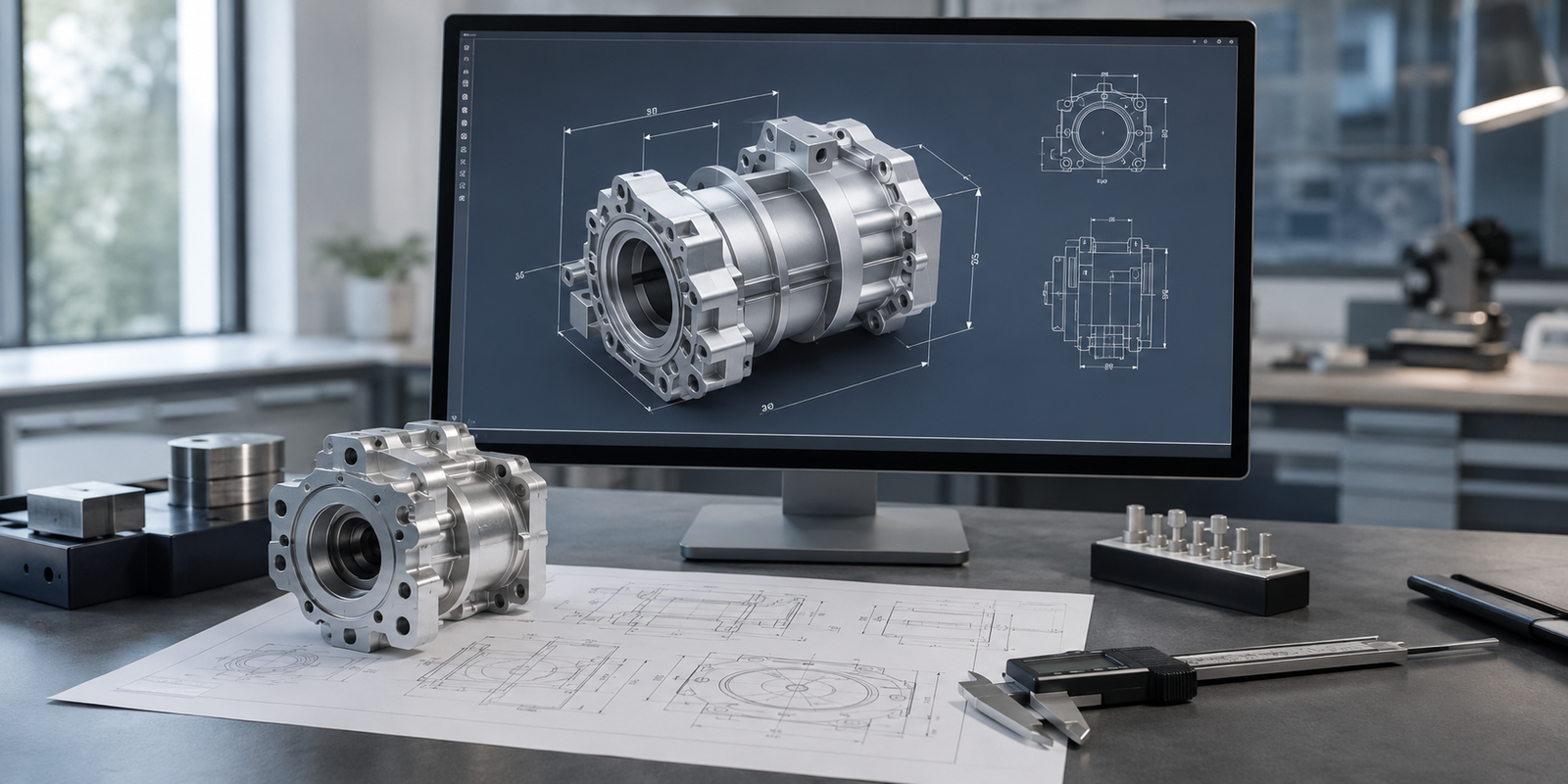
Technical Files
- Individual part drawings in PDF.
- STEP models.
- Assembly drawings.
- Complete BOM.
- Approved revisions.
Manufacturing Requirements
- Material grades.
- Quantities.
- Critical tolerances.
- Surface treatments.
- Heat treatment requirements.
- Inspection documentation.
Assembly Requirements
- Purchased components.
- Assembly sequence if specified.
- Fastener requirements.
- Lubrication requirements where applicable.
- Functional acceptance criteria.
- Testing requirements.
Project Information
- Number of completed assemblies.
- Prototype or production status.
- Target delivery date.
- Shipping destination.
- Packaging requirements.
Clearly identifying the required scope helps suppliers prepare comparable quotations.
17. Why Consider OSM Vietnam for Mechanical Assembly Projects?
OSM Vietnam operates as a custom CNC machining workshop supporting project-based manufacturing.
Our focus is on custom machined components, technical communication, and coordination of related mechanical activities.
Depending on the project, OSM can review requirements involving:
- CNC milling.
- CNC turning.
- Prototype machining.
- DFM feedback.
- Multi-part manufacturing.
- Standard component sourcing.
- Surface finishing coordination.
- Dimensional inspection.
- Mechanical assembly.
- Packaging.
OSM is not positioned as a large-scale contract manufacturing factory.
We focus on the practical requirements of custom mechanical projects and evaluate each inquiry according to technical feasibility and the agreed scope.
For equipment manufacturers seeking a primary contact for machined components and mechanical subassemblies, this approach may simplify project coordination.
18. Request a Quote for CNC Machining and Mechanical Assembly
If your company is looking for CNC machining and assembly services in Vietnam, OSM welcomes inquiries for custom mechanical components and subassemblies.
Please provide your part drawings, STEP files, assembly drawings, BOM, material requirements, quantities, and functional testing criteria.
For assemblies involving bearings, springs, seals, or other purchased components, include their specifications and approved references.
Contact OSM Vietnam to discuss your custom CNC machining and mechanical assembly project.
Website: OSM Vietnam
Frequently Asked Questions
What is the difference between CNC machining and mechanical assembly?
CNC machining produces individual components, while mechanical assembly combines those components into a completed or partially completed mechanism.
Can CNC machining and assembly be included in one quotation?
Yes, when the supplier agrees to provide both activities and the scope is clearly defined.
What documents are required for a mechanical assembly quotation?
Part drawings, STEP files, assembly drawings, a BOM, material specifications, quantities, and acceptance criteria are recommended.
Can standard bearings, springs, and fasteners be included?
They can be included in the project scope when their specifications and sourcing responsibilities are agreed.
Can mechanical assemblies be produced in small batches?
Yes. Small-batch assembly projects are common in custom machinery and equipment development.
What functional tests should be requested?
Testing depends on the mechanism and may include movement, alignment, travel, locking, and other agreed functional checks.
Does OSM support mechanical assembly projects?
OSM reviews mechanical assembly inquiries based on the drawings, BOM, technical requirements, and agreed project scope.