





Low volume CNC machining: When Is It the Right Choice?
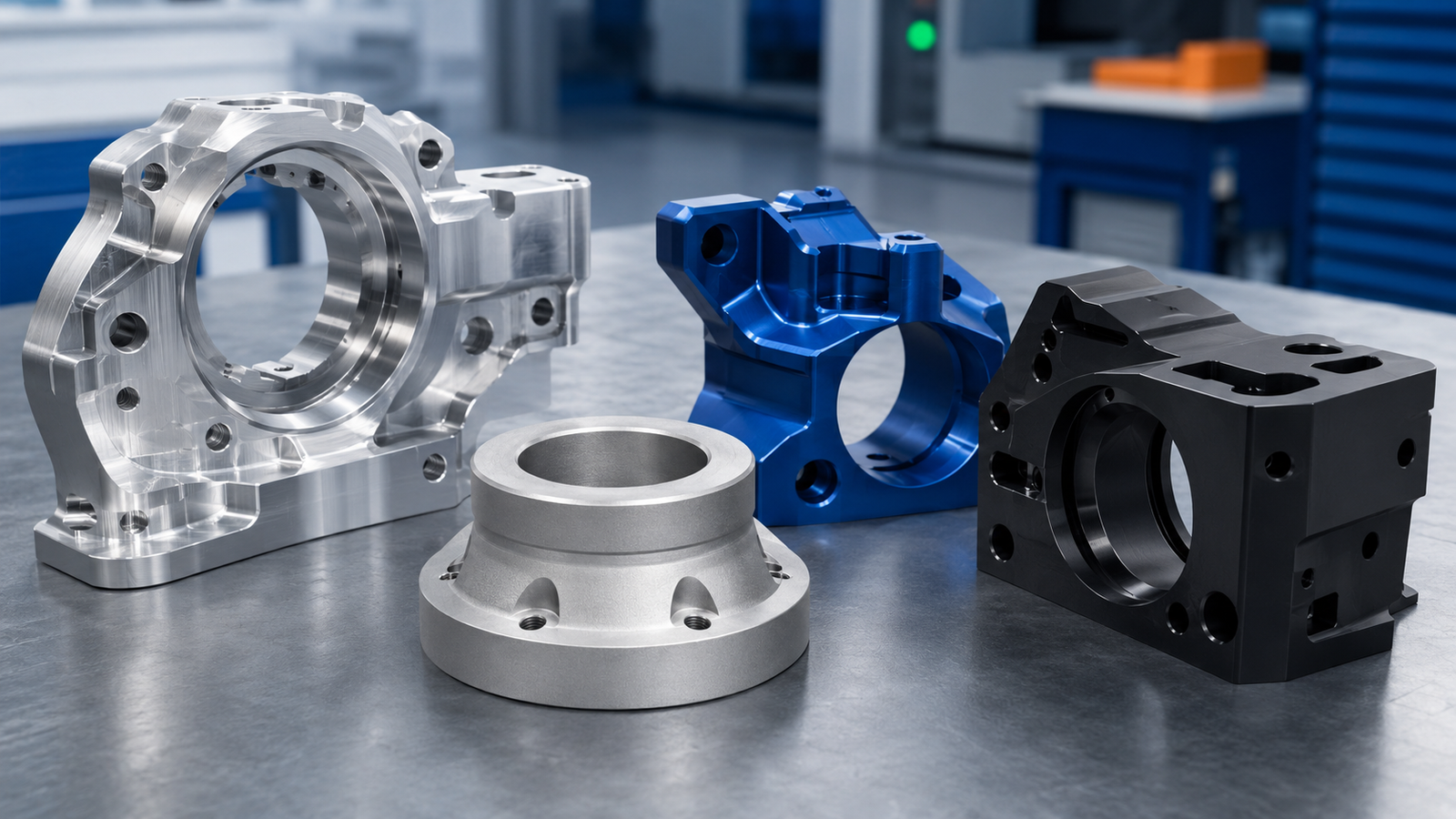
Low volume CNC machining can be a practical option when you need custom parts in a limited quantity. It is used for product development, equipment maintenance, replacement components, and small production runs. The right manufacturing process depends on the part’s function, geometry, material, quantity, and future demand.
This guide explains when low volume CNC machining may fit your project and what to discuss with a manufacturing supplier before placing an order.
What Is Low Volume CNC Machining?
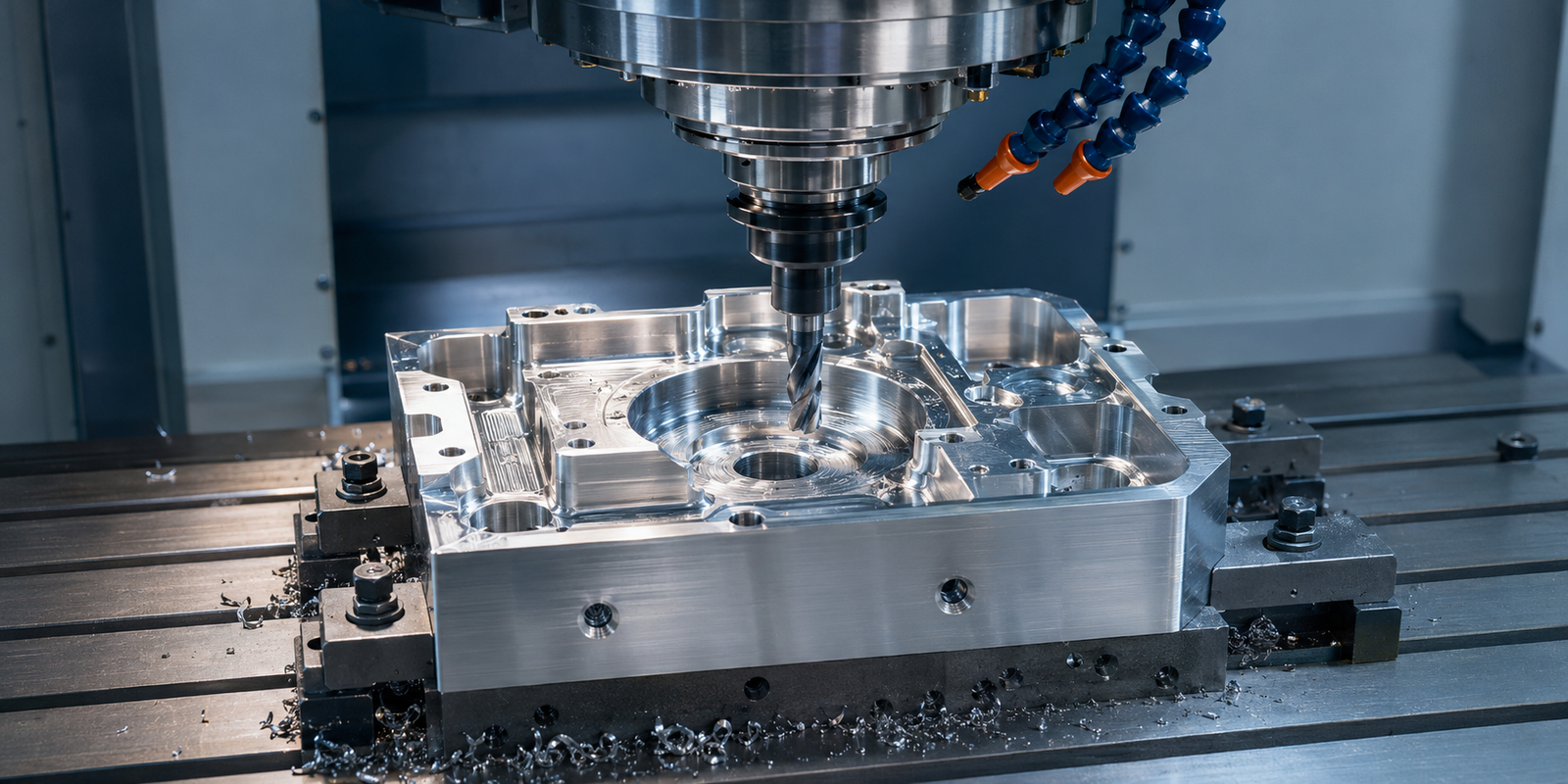
Low volume CNC machining is the production of a relatively small batch of parts using computer-controlled milling or turning processes. The machine follows a programmed toolpath to remove material from a solid workpiece and produce the required features.
The appropriate batch size depends on the part and project. A quantity that is considered low volume for one component may be different for another, depending on its geometry, setup, inspection, and production requirements.
When Does Low Volume CNC Machining Make Sense?
You need custom parts for testing or assembly
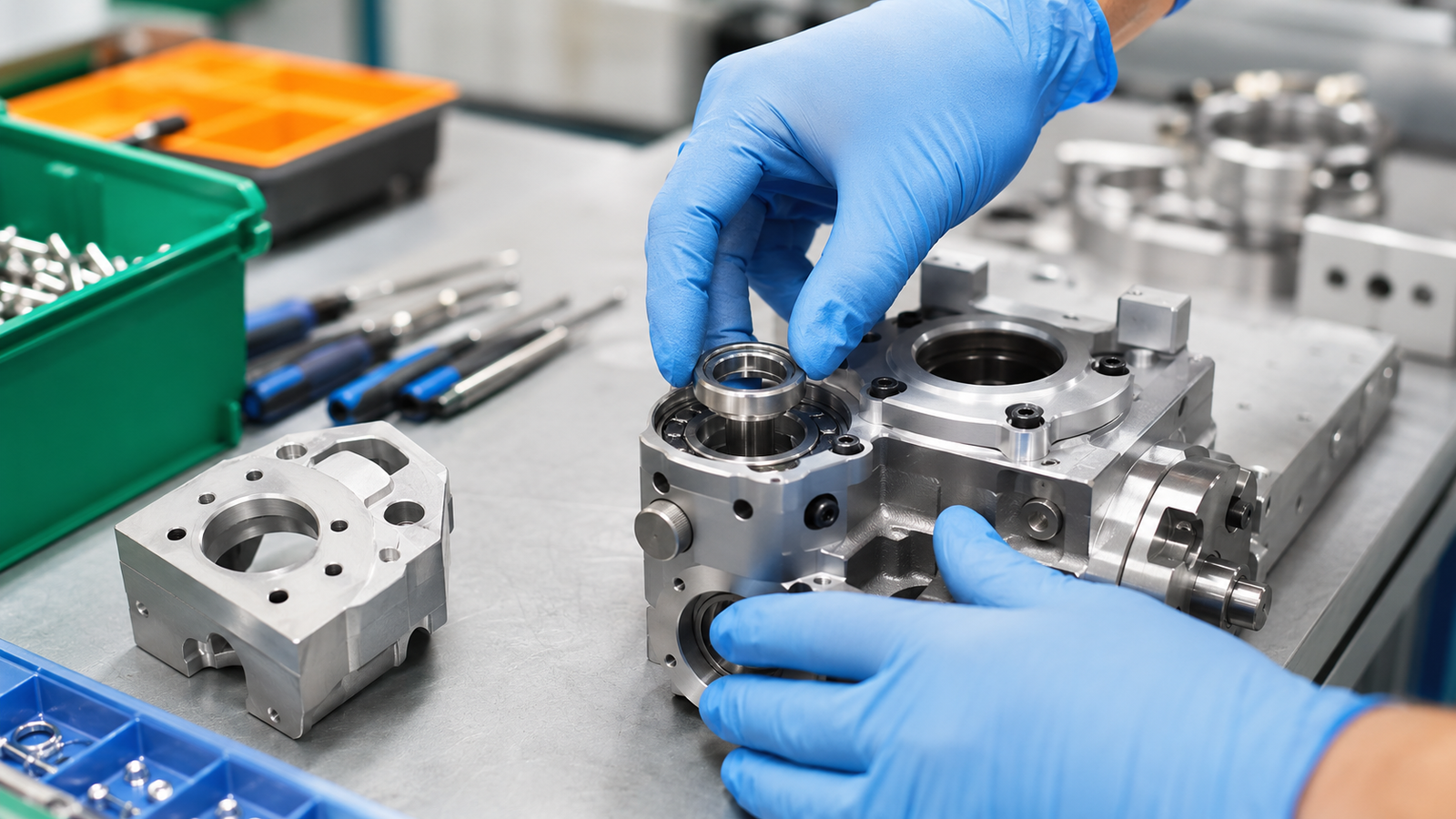
CNC machining can produce parts for fit checks, functional testing, or assembly trials. This is useful when a team wants to evaluate a component before confirming its final design or ordering a larger quantity.
The design may change
If the design is still being refined, a CNC machined part can be updated when the CAD model or drawing changes. The supplier should review each revision before production because a change can affect the machining plan, inspection requirements, and quotation.
You need parts in a specific material
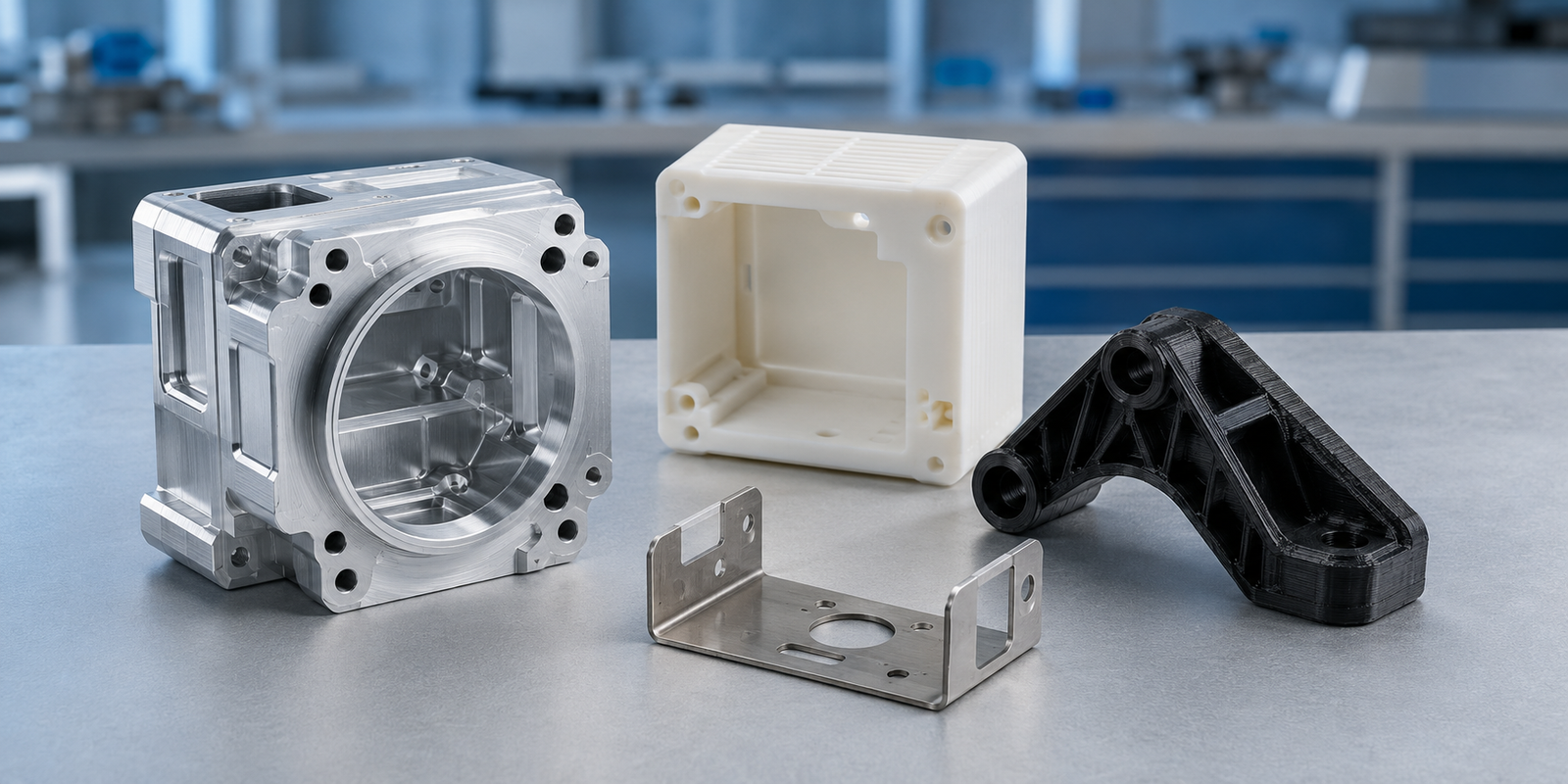
CNC machining can be suitable when a part needs to be made from a selected metal or engineering plastic. Material choice should reflect how the component will be used, including its required strength, weight, temperature resistance, corrosion resistance, and other operating conditions.
You need a small production run
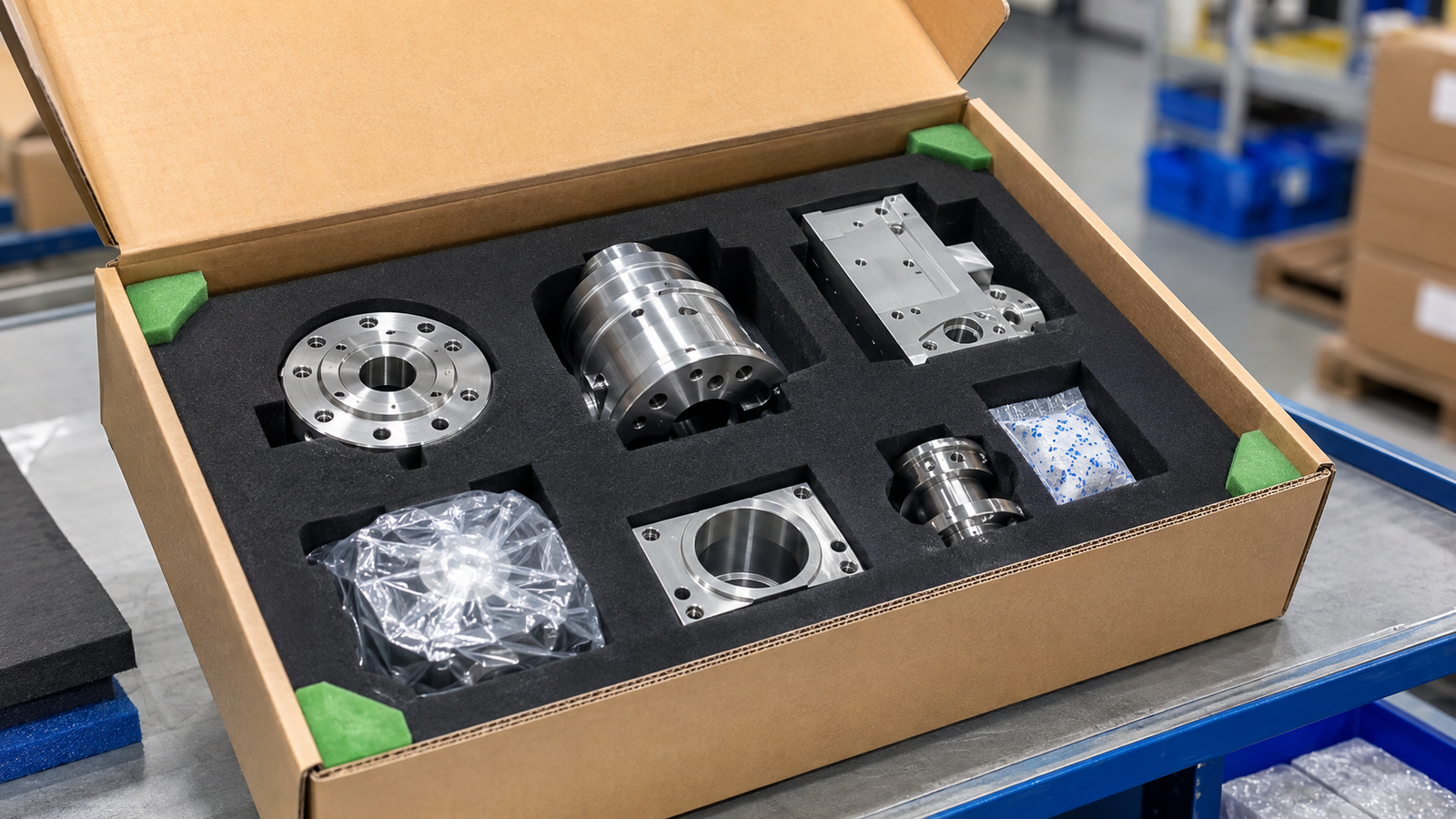
A business may need a limited quantity of custom components for a new product, specialized equipment, or replacement parts. Low volume CNC machining allows the team to order the required batch without immediately committing to a much larger production quantity.
Benefits of CNC Machining for Small Batches
Flexible design updates
A revised design can be reviewed for a later batch. This gives engineering and purchasing teams a way to adjust a part as project requirements develop.
Custom part geometry
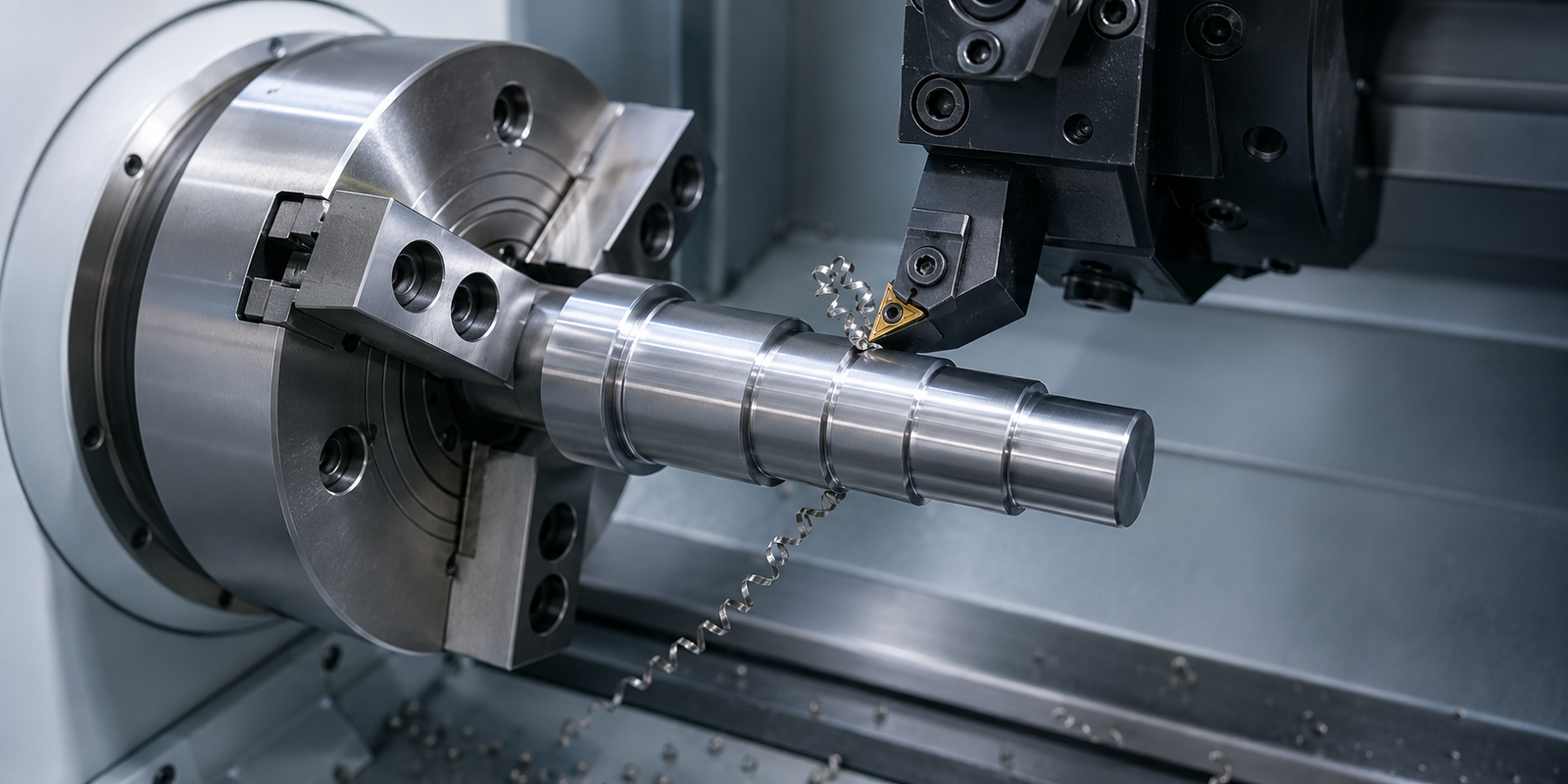
CNC milling and turning can produce different feature types, depending on the design and selected process. Milling is commonly used for features such as pockets, slots, holes, and flat surfaces. Turning is often used for rotational components such as shafts, pins, bushings, and sleeves.
Parts made from selected stock material
Machined parts are produced from a solid workpiece. This can be useful when a project requires the properties of a specific material for testing or application.
What Should You Consider Before Ordering?
Low volume CNC machining is not automatically the lowest-cost choice for every part. Programming, workholding, machine setup, machining time, finishing, and inspection can all affect the total quotation. Part geometry and tolerance requirements can also influence the production plan.
When comparing processes, consider the complete project rather than looking only at the number of parts. A supplier can review whether CNC machining or another process is appropriate based on the required material, geometry, quantity, and expected repeat orders.
Before requesting a quote, prepare:
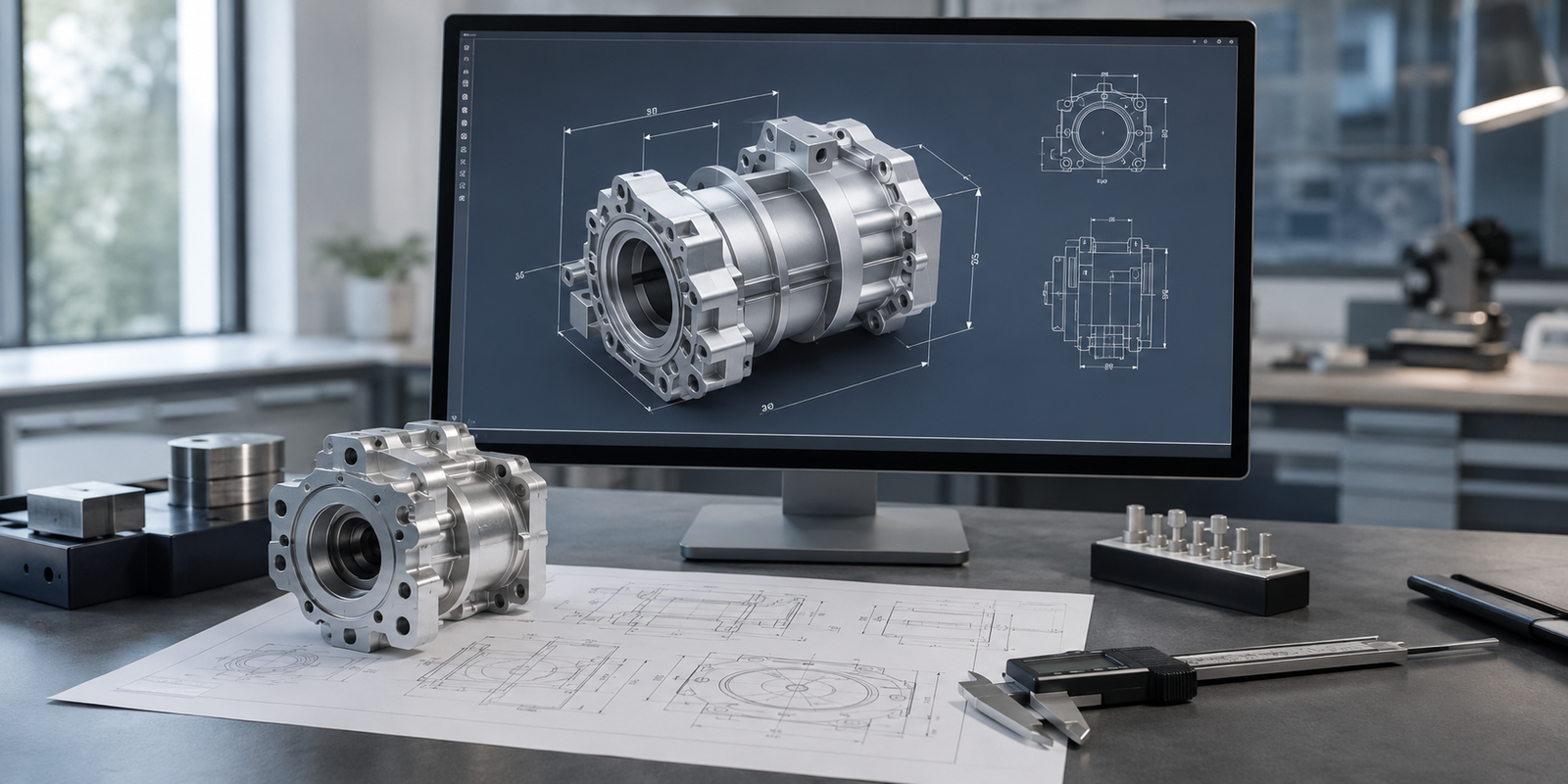
- A 3D CAD model and dimensioned drawing
- Material and surface finish requirements
- Quantity for each part number
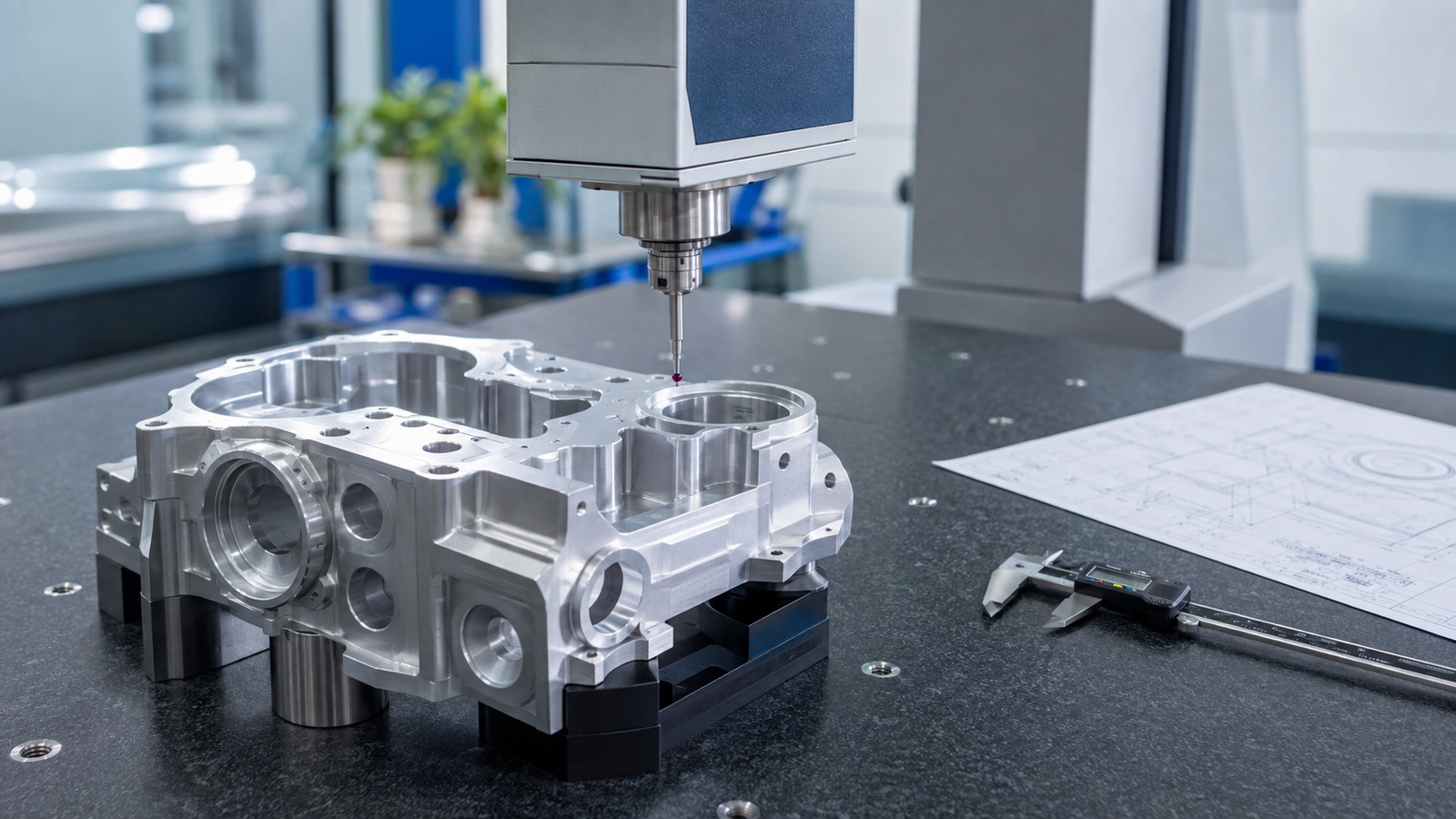
- Critical dimensions and tolerances
- Inspection or documentation requirements
- Target delivery date and expected repeat demand
Providing this information helps the supplier understand both the current order and possible future production needs.
Is Low Volume CNC Machining Right for Your Project?
Low volume CNC machining may be a good fit when you need custom parts, a limited production quantity, or flexibility while a design is being developed. The best choice depends on the part’s requirements and the total production plan.
For an accurate review, share your drawings, material requirements, quantity, and delivery target with a CNC machining supplier.
Frequently Asked Questions
Is low volume CNC machining suitable for prototypes?
It can be suitable when a prototype needs to be made from a selected metal or engineering plastic and assessed for fit, assembly, or function.
Can I order the same CNC parts again later?
Yes. Tell the supplier if you expect repeat orders. Keep the approved drawing revision and specifications consistent so the next order can be reviewed against the same requirements.
Does a higher quantity always reduce the unit price?
Not always. Quantity can affect setup cost per part, but material, geometry, machining time, finishing, and inspection also influence the quotation.
What files should I send for a quote?
Send a 3D CAD model, a dimensioned drawing, material and finishing requirements, quantity, and target delivery date. Identify the current drawing revision.
Need custom parts for a small production run?
Contact OSM Vietnam to discuss your CNC machining project.