




CNC Machining Supplier in Vietnam: Choosing the Right Workshop
Finding a reliable CNC machining supplier in Vietnam is an important decision for companies sourcing custom mechanical components, precision machined parts, and equipment assemblies.
The right supplier should do more than manufacture parts from drawings. They should understand technical requirements, communicate clearly, support quality inspection, and coordinate the manufacturing processes needed to complete a project.
For international buyers managing prototypes, multiple part numbers, or small and medium production orders, a responsive CNC machining workshop may offer advantages that are not always available through large-scale production facilities.
At OSM Vietnam, we focus on custom CNC machining, engineering communication, and coordinated manufacturing services for customers who need practical support throughout their projects.
This guide explains how to evaluate CNC machining suppliers in Vietnam, what questions to ask before placing an order, and how to choose a workshop that matches your manufacturing needs.
1. Why Choose a CNC Machining Supplier in Vietnam?
Vietnam is one of the sourcing options available to international companies seeking custom machined components and manufacturing support.
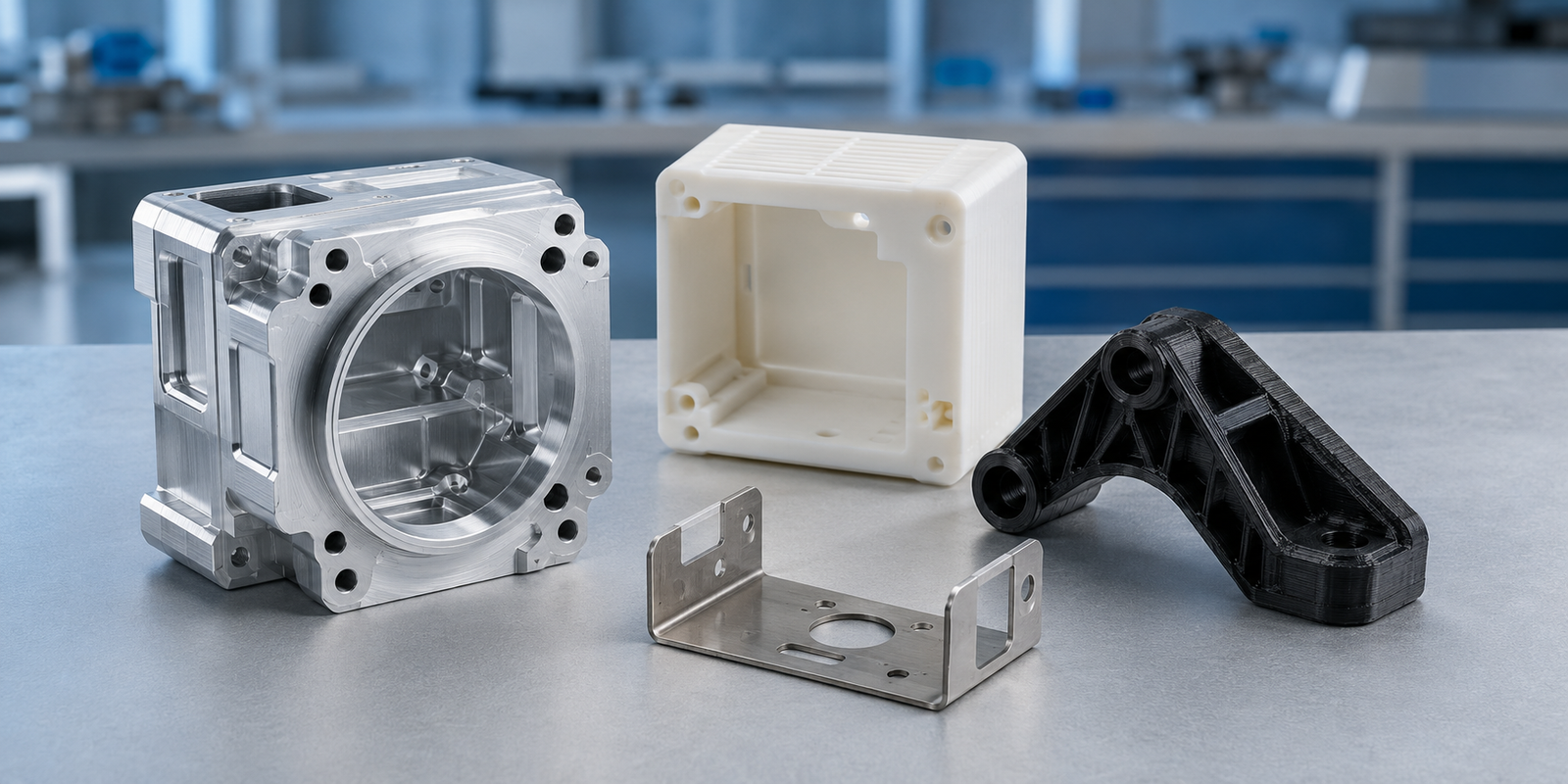
CNC machining suppliers in Vietnam can serve industries such as industrial machinery, automation, energy, commercial equipment, and product development.
Common manufacturing requirements include:
- CNC milled aluminum and steel components.
- Precision turned shafts and bushings.
- Custom machine brackets and mounting plates.
- Mechanical fixtures and tooling.
- Prototype parts for product development.
- Replacement components for industrial equipment.
- Small-batch production.
- Multi-part mechanical assemblies.
However, supplier suitability depends on the actual drawings, materials, tolerances, order quantities, and delivery requirements.
A successful sourcing decision should be based on manufacturing capability and project fit rather than location or price alone.
2. CNC Machining Workshop vs. Large Factory
One of the first decisions when selecting a CNC machining supplier in Vietnam is whether to work with a flexible workshop or a larger production facility.
Both models can be suitable, depending on the project.
When a CNC Machining Workshop Is a Good Choice
A CNC machining workshop can be especially useful for projects involving:
- Custom parts with unique designs.
- Prototype development.
- Low-to-medium production volumes.
- Multiple drawing numbers.
- Frequent technical communication.
- Design adjustments before manufacturing.
- Coordinated finishing and assembly.
For example, a machine-building project may require 25 different mechanical parts, with quantities ranging from five to fifty pieces per drawing.
The main challenge is not necessarily producing a large number of identical parts. It is managing different materials, drawings, tolerances, and production requirements.
A workshop with strong project coordination may be well suited to this type of order.
When a Large Factory May Be More Suitable
A large manufacturing facility may be a better choice for very high-volume orders, dedicated production lines, or long-term production commitments requiring substantial capacity.
Neither model is automatically better.
The most important consideration is whether the supplier’s manufacturing approach matches the customer’s requirements.
OSM Vietnam operates as a custom CNC machining workshop, with a focus on flexible production and direct technical communication.
3. Evaluate CNC Milling and Turning Capabilities
A reliable CNC machining supplier should be able to explain how each component will be manufactured.
Before placing an order, buyers should confirm that the available machines, tooling, and processes are suitable for their parts.
CNC Milling Capabilities
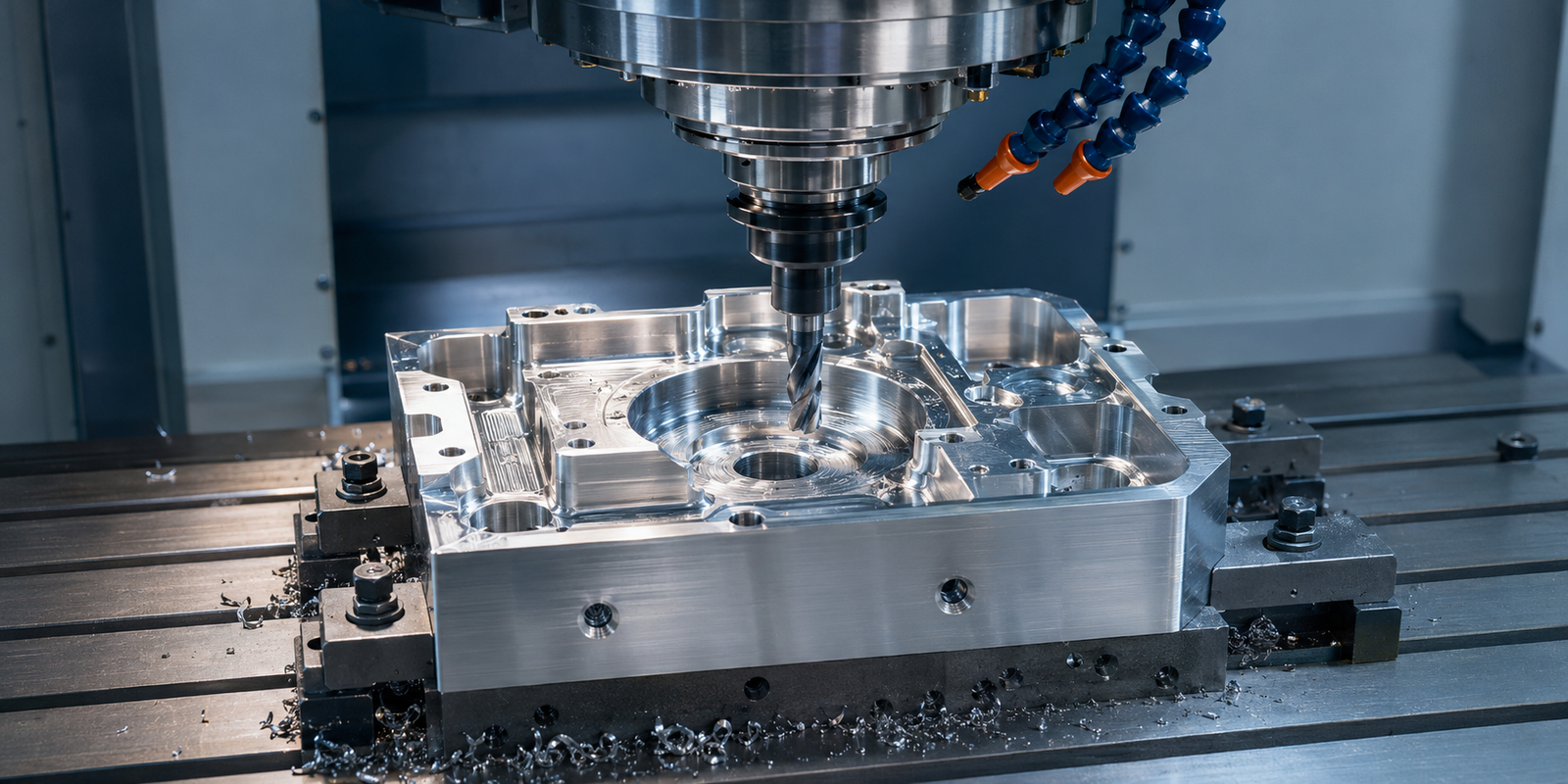
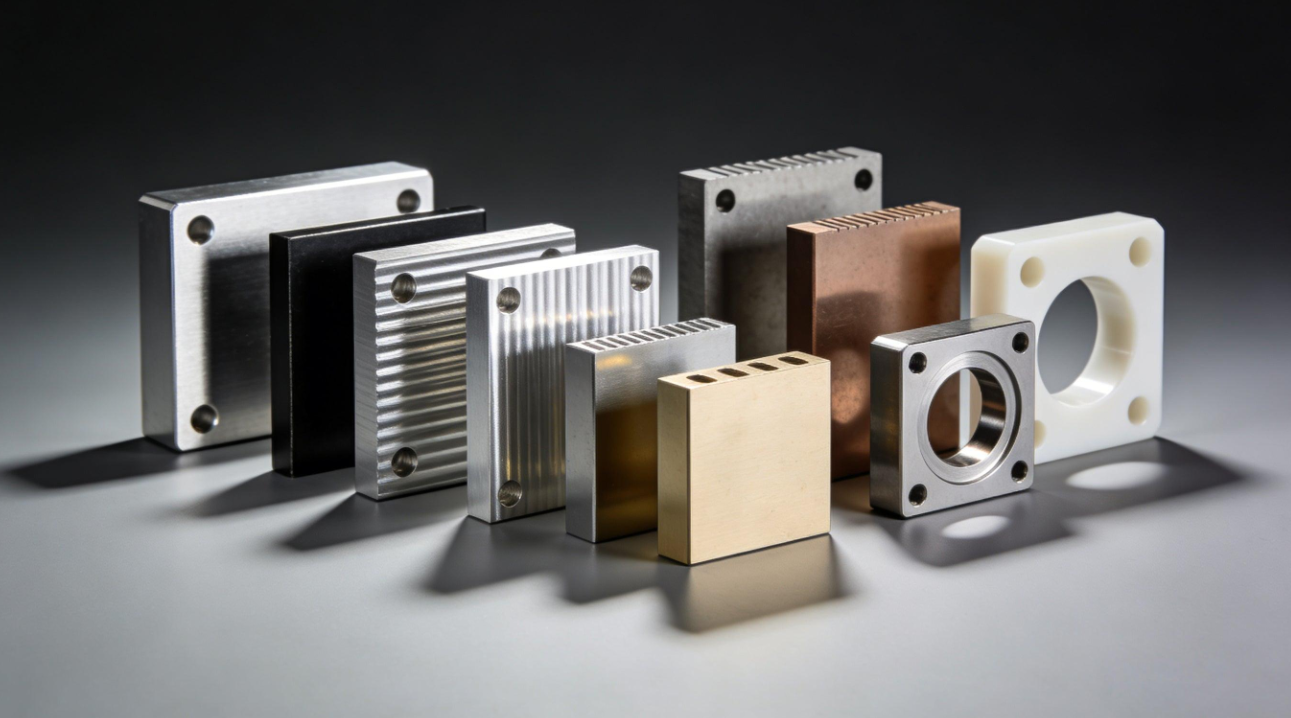
CNC milling is widely used for components with flat surfaces, pockets, slots, holes, and complex shapes.
Typical CNC milled parts include:
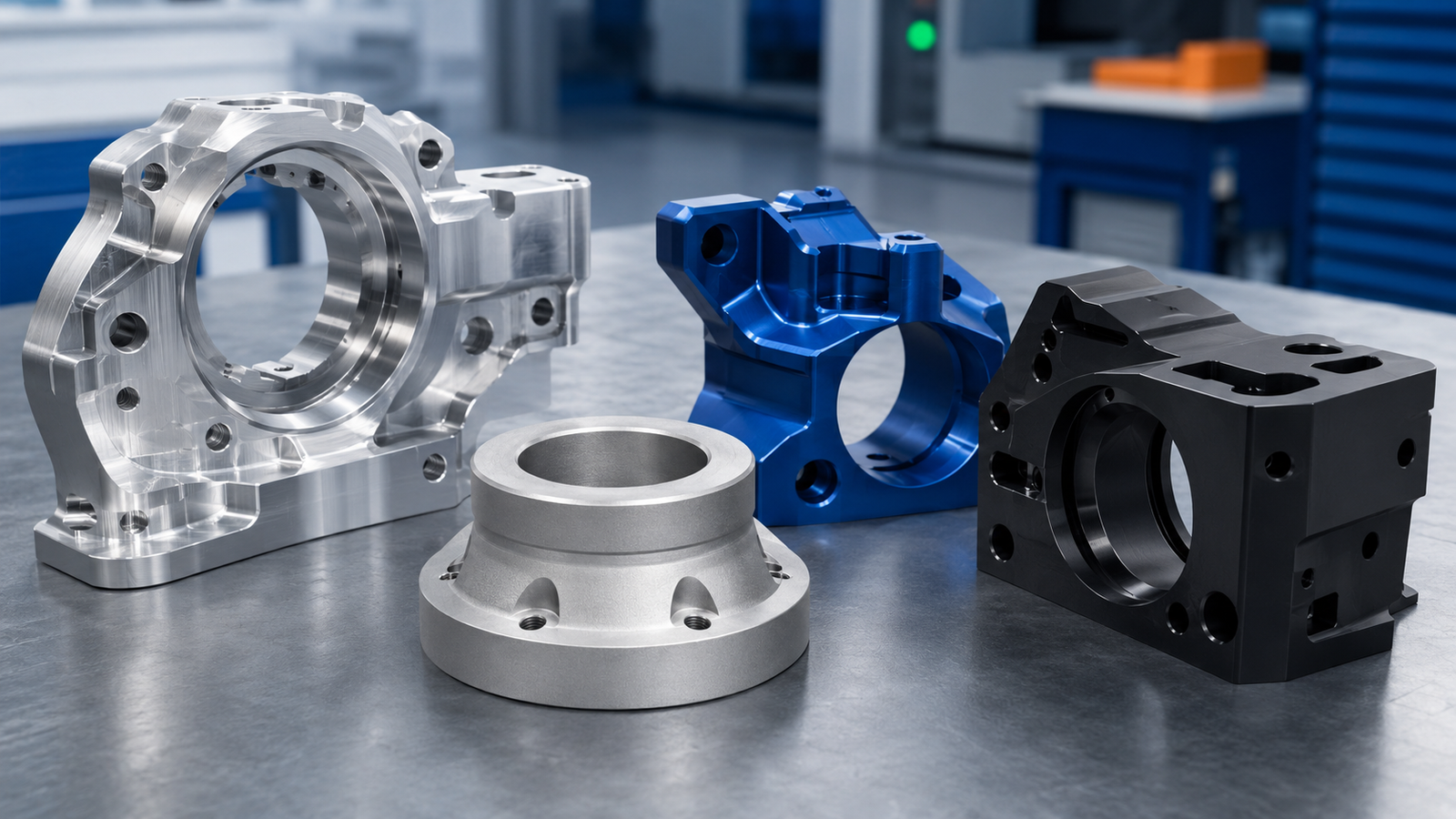
- Aluminum housings.
- Mounting plates.
- Machine brackets.
- Mechanical fixtures.
- Equipment components.
- Custom tooling.
- Structural machine parts.
Important considerations include part dimensions, material, number of setups, cutting tool access, and dimensional tolerances.
For components with complex geometry, manufacturing feasibility should be reviewed before confirming price and lead time.
Explore OSM’s CNC milling services in Vietnam for information about custom milled components.
CNC Turning Capabilities
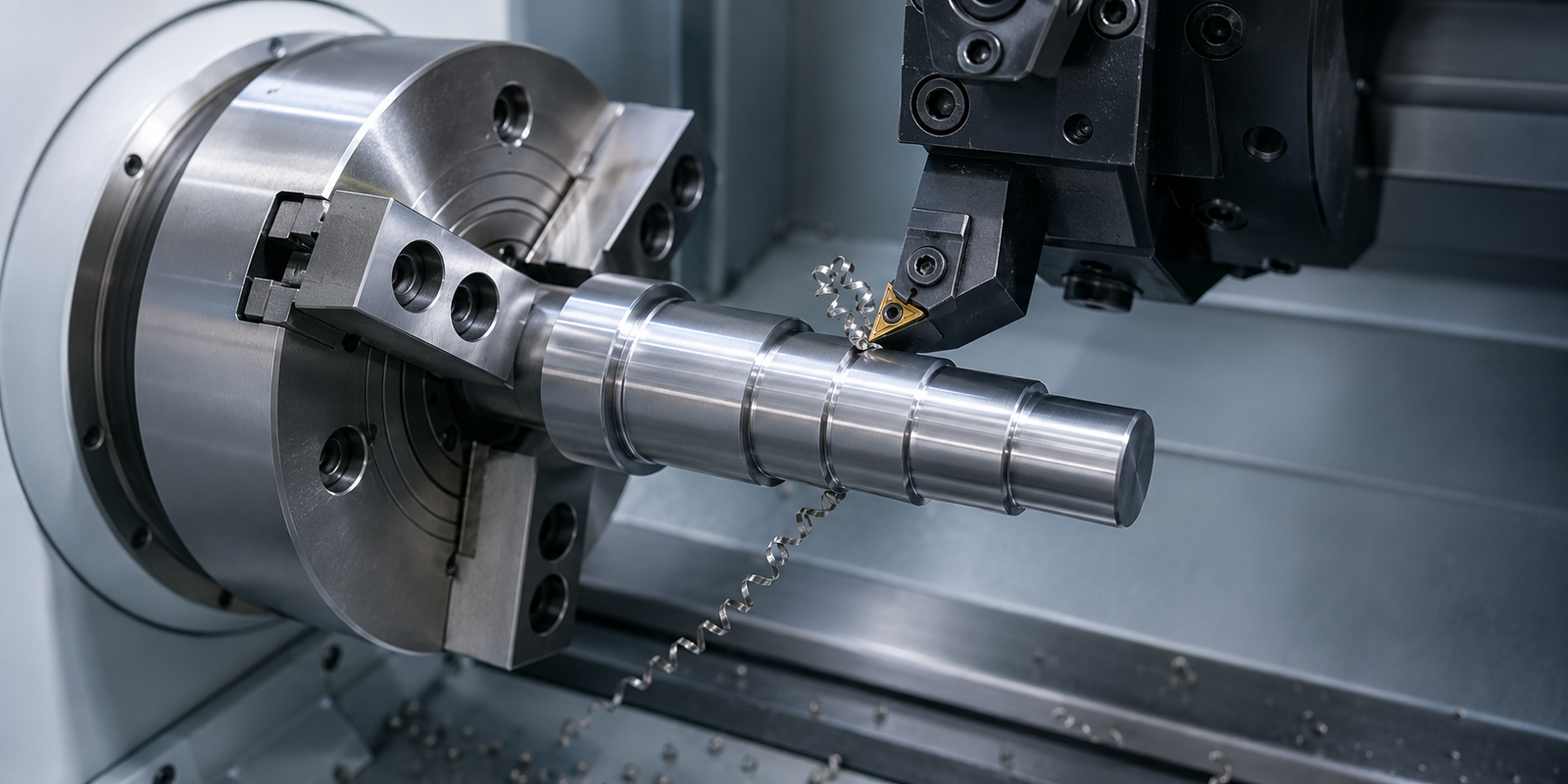
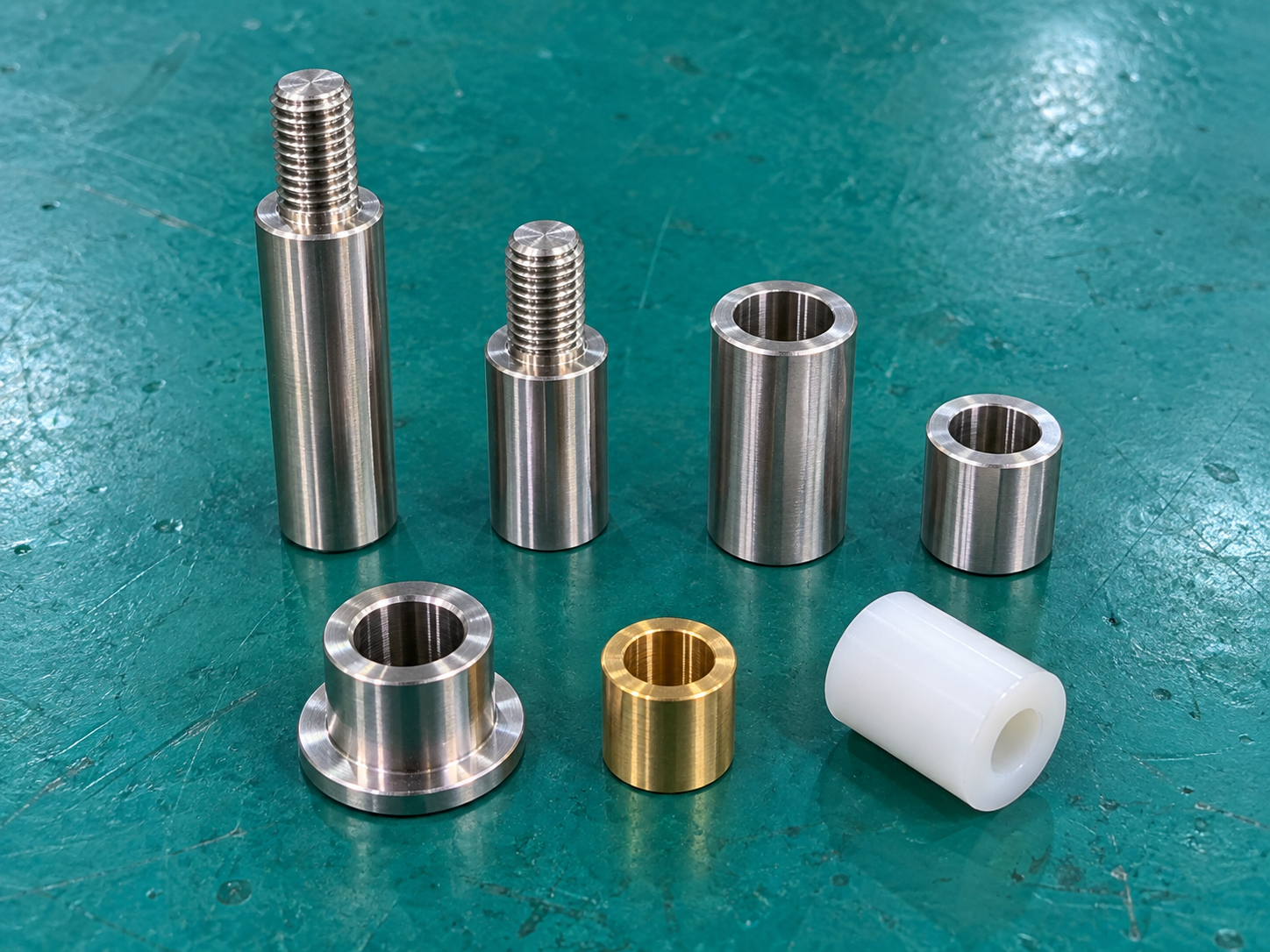
CNC turning is generally suitable for round or rotationally symmetrical components.
Common turned parts include:
- Shafts.
- Pins.
- Bushings.
- Sleeves.
- Threaded connectors.
- Spacers.
- Cylindrical machine components.
When evaluating a turning supplier, consider the part diameter, length, material, thread specifications, surface finish, and inspection requirements.
OSM provides CNC turning services in Vietnam for custom rotational components.
Projects Requiring Both Processes
Some mechanical projects require both CNC milling and CNC turning.
A supplier should explain which operations can be performed directly and how additional processes will be coordinated.
For more information about process selection, read our guide to CNC milling vs. CNC turning.
4. Engineering Support and Design for Manufacturability
Engineering support is an important consideration when choosing a CNC machining supplier in Vietnam.
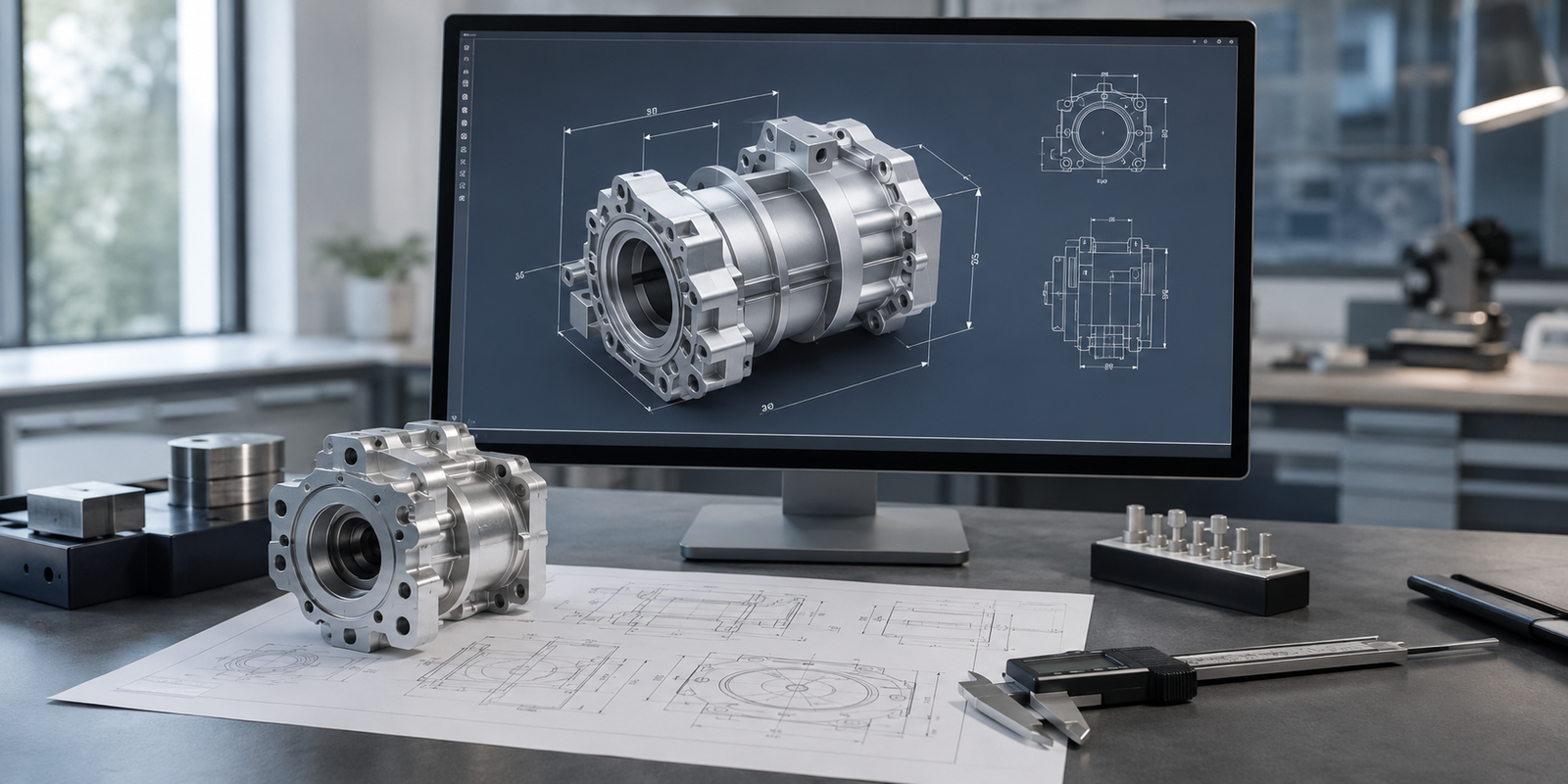
A technical drawing may be complete from a design perspective but still contain features that are difficult or expensive to manufacture.
Potential manufacturing challenges include:
- Deep pockets requiring long cutting tools.
- Small internal corner radii.
- Thin walls that may deform during machining.
- Tight tolerances on noncritical features.
- Difficult-to-access threaded holes.
- Material selections that increase machining difficulty.
- Surface treatments that affect final dimensions.
Identifying these issues before production can reduce uncertainty.
What Is Design for Manufacturability?
Design for Manufacturability, or DFM, is the process of reviewing a design to improve manufacturing efficiency while preserving its required function.
For example, increasing an internal corner radius may allow the use of a more suitable milling cutter.
Similarly, applying tight tolerances only to critical features may reduce unnecessary machining and inspection effort.
Any design modification should be reviewed and approved by the customer before production.
For companies with limited internal manufacturing engineering resources, this type of feedback can be particularly valuable.
5. Quality Control and Dimensional Inspection
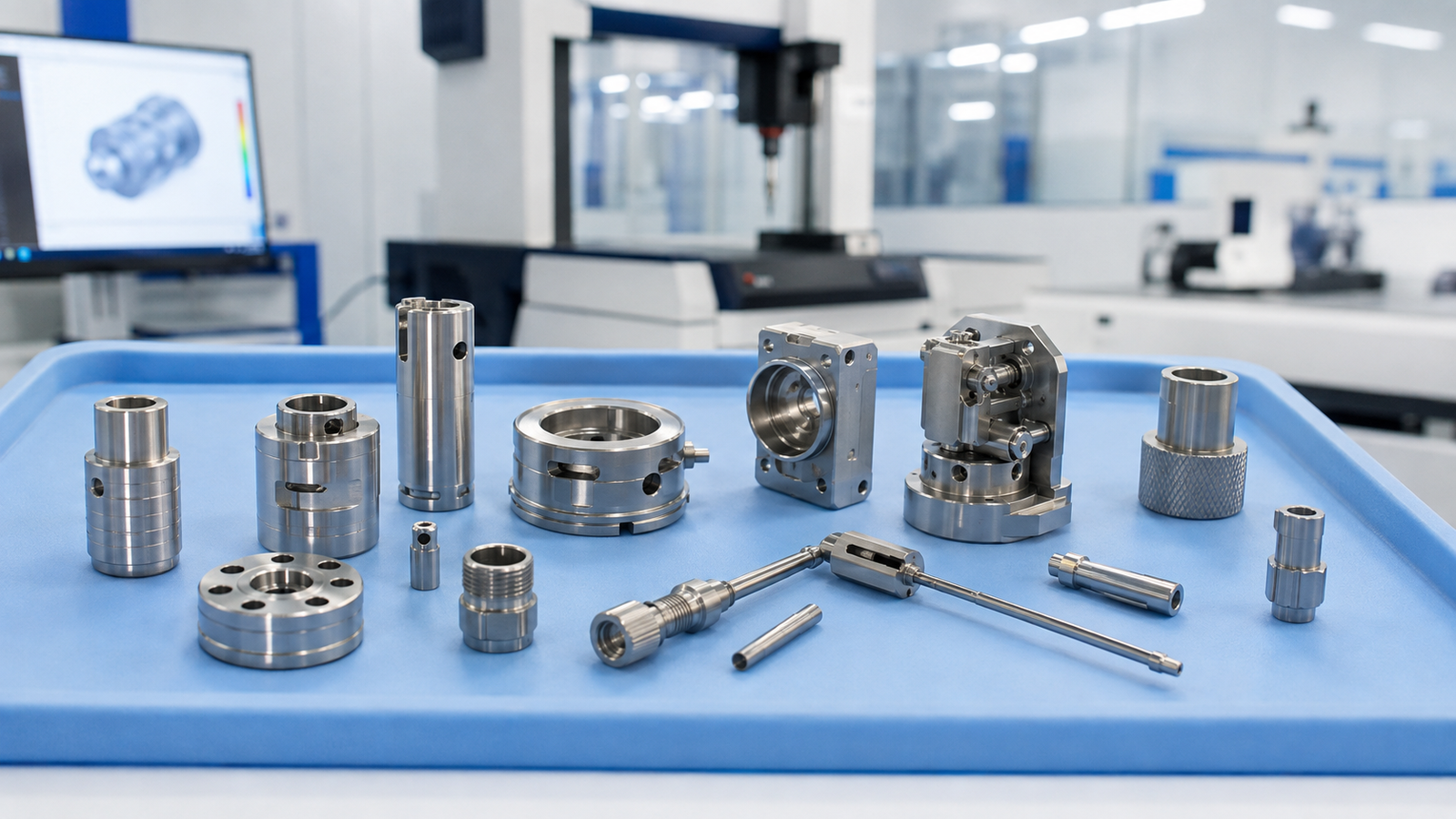
Quality control is one of the most important factors when selecting a precision CNC machining supplier.
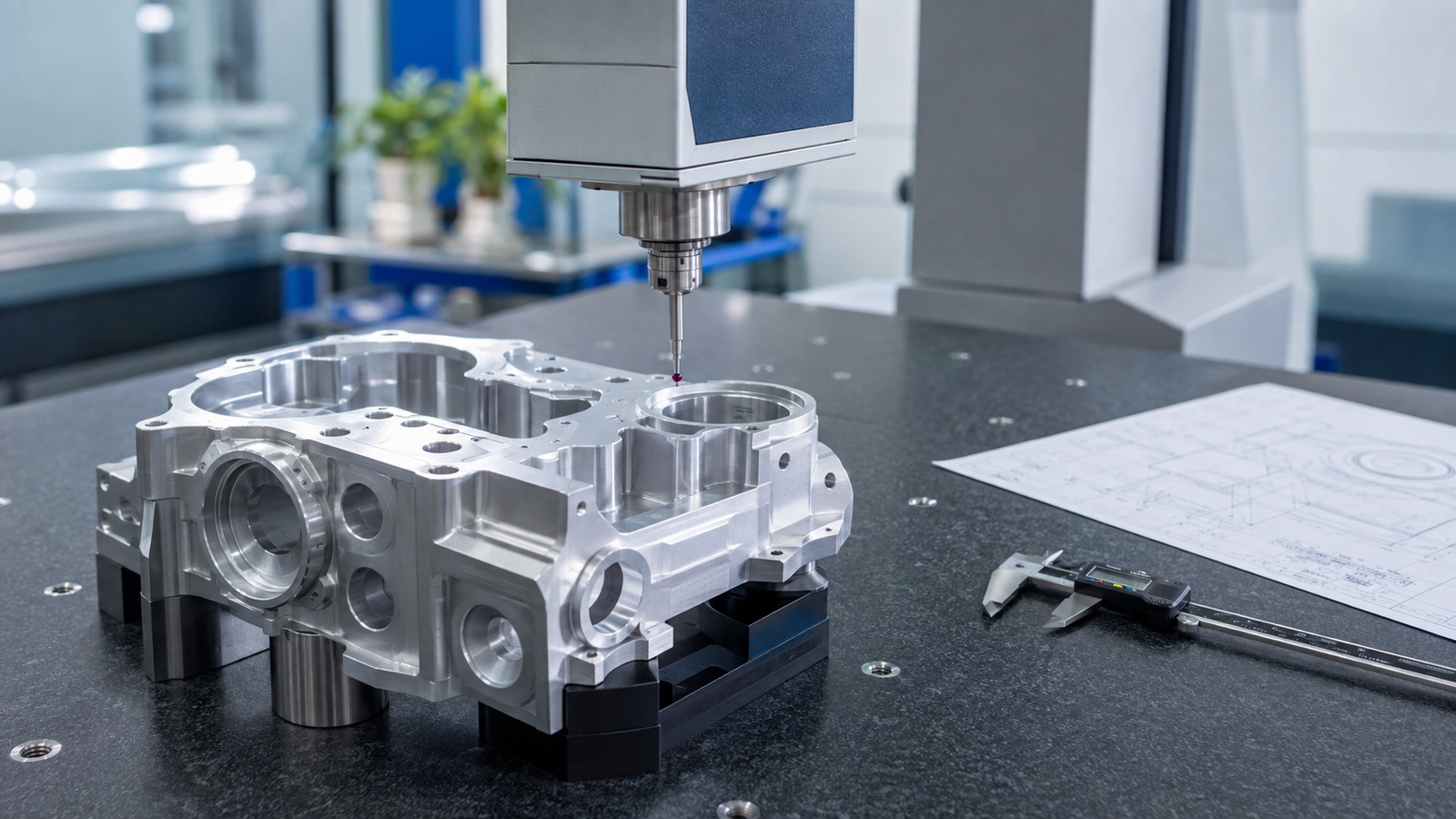
Buyers should confirm how the supplier checks critical dimensions and whether its inspection methods are suitable for the required tolerances.
Depending on the component, inspection methods may include:
- Digital calipers.
- Micrometers.
- Height gauges.
- Dial indicators.
- Surface roughness measurement.
- Other suitable measuring instruments.
The appropriate inspection method depends on geometry, tolerance, and intended application.
Identify Critical Features
Not every dimension has the same functional importance.
Critical features may include bearing fits, locating holes, sealing surfaces, and assembly interfaces.
These requirements should be clearly identified on the technical drawings.
Inspection Records and Documentation
Some customers require dimensional inspection reports, material certificates, or project-specific quality documentation.
Such requirements should be confirmed during quotation.
Buyers should not assume that every supplier can provide specialized reports or certifications without prior agreement.
6. Prototype Machining and First Article Approval
Prototype production is useful when developing a new product or introducing a component to a new supplier.
A prototype allows engineers to evaluate geometry, fit, assembly, and function before committing to a larger order.
A typical process may include:
- Reviewing the CAD model and drawing.
- Confirming material and tolerances.
- Producing prototype components.
- Inspecting critical dimensions.
- Performing customer-defined fit or functional checks.
- Reviewing results and approving the next production stage.
Some projects also require First Article Inspection, or FAI, to document whether the first manufactured part meets specified requirements.
The exact inspection scope should be agreed upon before production.
OSM supports rapid prototyping services in Vietnam for product development and manufacturing evaluation.
7. Material Selection and Availability
Material selection affects component performance, machining efficiency, cost, and delivery time.
Common materials for CNC machining include:
- Aluminum alloys.
- Carbon steel.
- Alloy steel.
- Stainless steel.
- Brass.
- Copper.
- Engineering plastics.
When preparing an RFQ, buyers should specify the exact material grade.
For example, aluminum 6061 and aluminum 7075 have different mechanical properties and should not be treated as interchangeable without engineering approval.
If material traceability or certificates are required, confirm availability before placing an order.
Specialized materials may require additional procurement time.
8. Comparing CNC Machining Quotations
A competitive quotation should clearly define the scope of manufacturing work.
CNC machining prices can include:
- Raw material.
- Programming.
- Machine setup.
- Cutting tools.
- Machining time.
- Inspection.
- Surface finishing.
- Assembly.
- Packaging.
- Shipping, depending on the agreed terms.
Two quotations may appear similar while covering different services.
For example, one supplier may quote machining only, while another includes surface finishing and dimensional inspection.
Buyers should compare total project scope rather than unit price alone.
A clear quotation should identify materials, quantities, manufacturing requirements, delivery expectations, and relevant exclusions.
9. CNC Machining Projects in the USD 5,000–20,000 Range
Many international buyers need custom mechanical components without requiring mass-production quantities.
Projects with budgets around USD 5,000–20,000 may involve:
- Multiple drawing numbers.
- Prototype components.
- Small production batches.
- Different materials.
- CNC milling and turning.
- Surface finishing.
- Inspection.
- Assembly.
- Packaging and international shipping.
For these projects, the supplier’s ability to manage technical information and coordinate production may be as important as machine capacity.
A workshop that provides responsive communication and practical engineering feedback can be a valuable manufacturing partner.
OSM Vietnam focuses on custom projects where flexibility, technical communication, and coordinated manufacturing services are important.
Project suitability is confirmed after reviewing drawings, quantities, materials, and requirements.
10. Managing Multiple Part Numbers and Drawing Revisions
Custom machinery and automation projects often involve many different components.
Each part may have its own:
- Drawing number.
- Revision.
- Material specification.
- Quantity.
- Tolerances.
- Surface finishing requirements.
- Inspection criteria.
- Delivery schedule.
Why Revision Control Matters
During product development, drawings may be updated to correct dimensions or improve functionality.
If a supplier manufactures parts using an outdated revision, the finished components may not fit the current assembly.
Buyers and suppliers should confirm the approved revision before production.
Any design change should be reviewed for its impact on manufacturing cost and lead time.
Written confirmation of important changes helps reduce misunderstandings.
11. Production Lead Time and Delivery Planning
Manufacturing lead time involves more than CNC machine operating time.
A typical order may require:
- Technical drawing review.
- Material procurement.
- CNC programming.
- Tooling and fixture preparation.
- Machining.
- Surface finishing or additional operations.
- Dimensional inspection.
- Packaging.
International delivery requires additional time for transportation and any applicable customs procedures.
Buyers should distinguish between the manufacturing completion date and the final delivery date.
Lead time should be confirmed based on the actual project requirements and current production schedule.
12. Surface Finishing, Assembly and Packaging
Many custom machined components require additional processing after CNC machining.
Examples include:
- Anodizing.
- Zinc plating.
- Nickel plating.
- Heat treatment.
- Surface preparation.
- Mechanical assembly.
- Protective packaging.
These processes may be performed internally or coordinated through specialized partners, depending on the supplier.
The manufacturing scope should clearly identify responsibilities for each process.
For tight-tolerance components, surface treatment should be considered during planning because coating thickness or heat treatment may affect final dimensions.
Assembly Services for Mechanical Projects
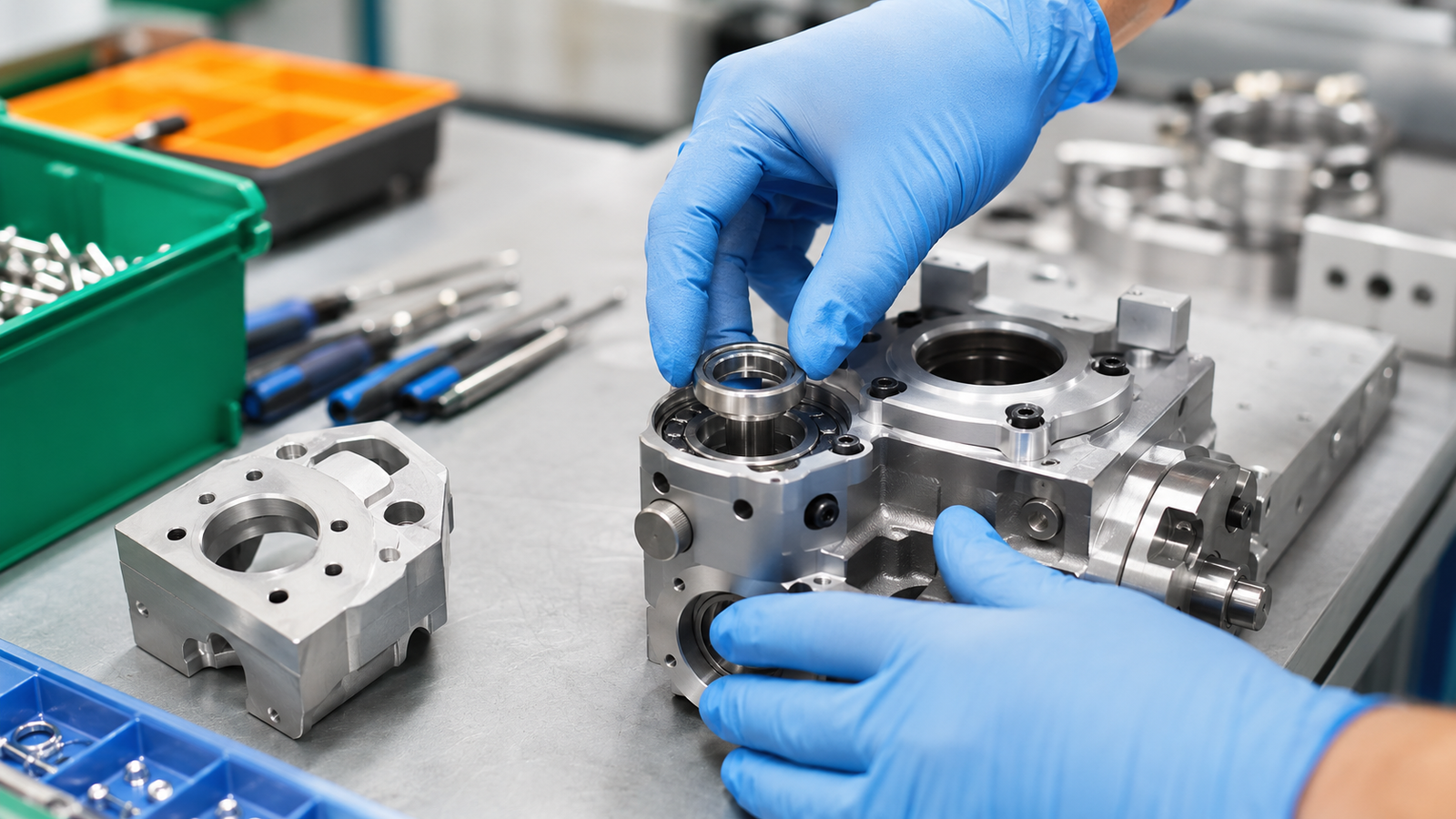
Some customers require complete mechanical assemblies rather than separate machined components.
Assembly may involve fitting shafts, bushings, bearings, fasteners, and other standard components.
Where required, functional checks should be defined using agreed acceptance criteria.
Learn more about custom assembly services in Vietnam.
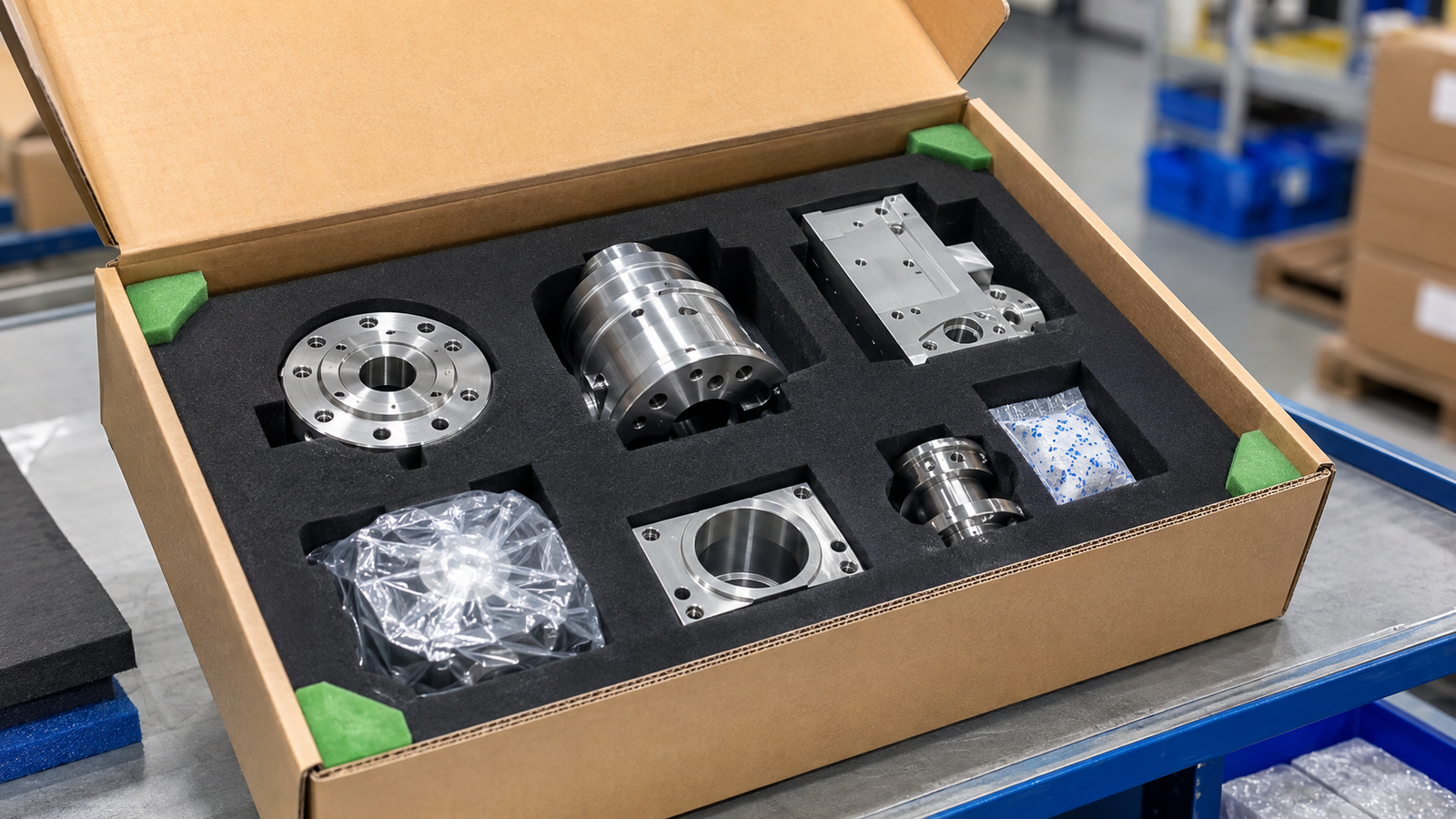
Packaging is also important, particularly for finished parts with sensitive surfaces or critical dimensions.
13. A Practical Checklist for Selecting a CNC Machining Supplier
Before selecting a supplier, consider the following questions.
Does the Supplier Understand Your Drawings?
A suitable supplier should review technical requirements and clarify any missing information.
Can the Supplier Machine Your Materials and Part Sizes?
Confirm the manufacturing process, equipment capacity, and material compatibility.
Can Critical Dimensions Be Inspected?
Inspection methods should match the specified tolerances.