









CNC machining lead time is the period needed to prepare, manufacture, inspect, and deliver parts. The schedule depends on the project requirements, so it is best confirmed after the supplier reviews the drawing, material, quantity, and finishing needs.
1. Drawing and Requirement Readiness
Complete, consistent files help the supplier review the part and prepare the production plan. Missing dimensions, unclear tolerances, or different revisions between the CAD model and drawing may require clarification before production can proceed.
To avoid delays, identify the current revision and confirm which file controls the part requirements.
2. Material Availability
The selected material and grade can affect the schedule, especially if a specific size or specification needs to be sourced. If the material is flexible, tell the supplier which properties are essential and whether alternatives can be considered.
3. Part Complexity and Production Planning
The geometry, number of features, machining sequence, workholding, and required setups all affect production planning. A part with multiple operations may need more preparation than a simpler component.
The quantity also matters. The supplier must plan both the setup work and the time needed to machine the full order.
4. Surface Finishing and Additional Operations
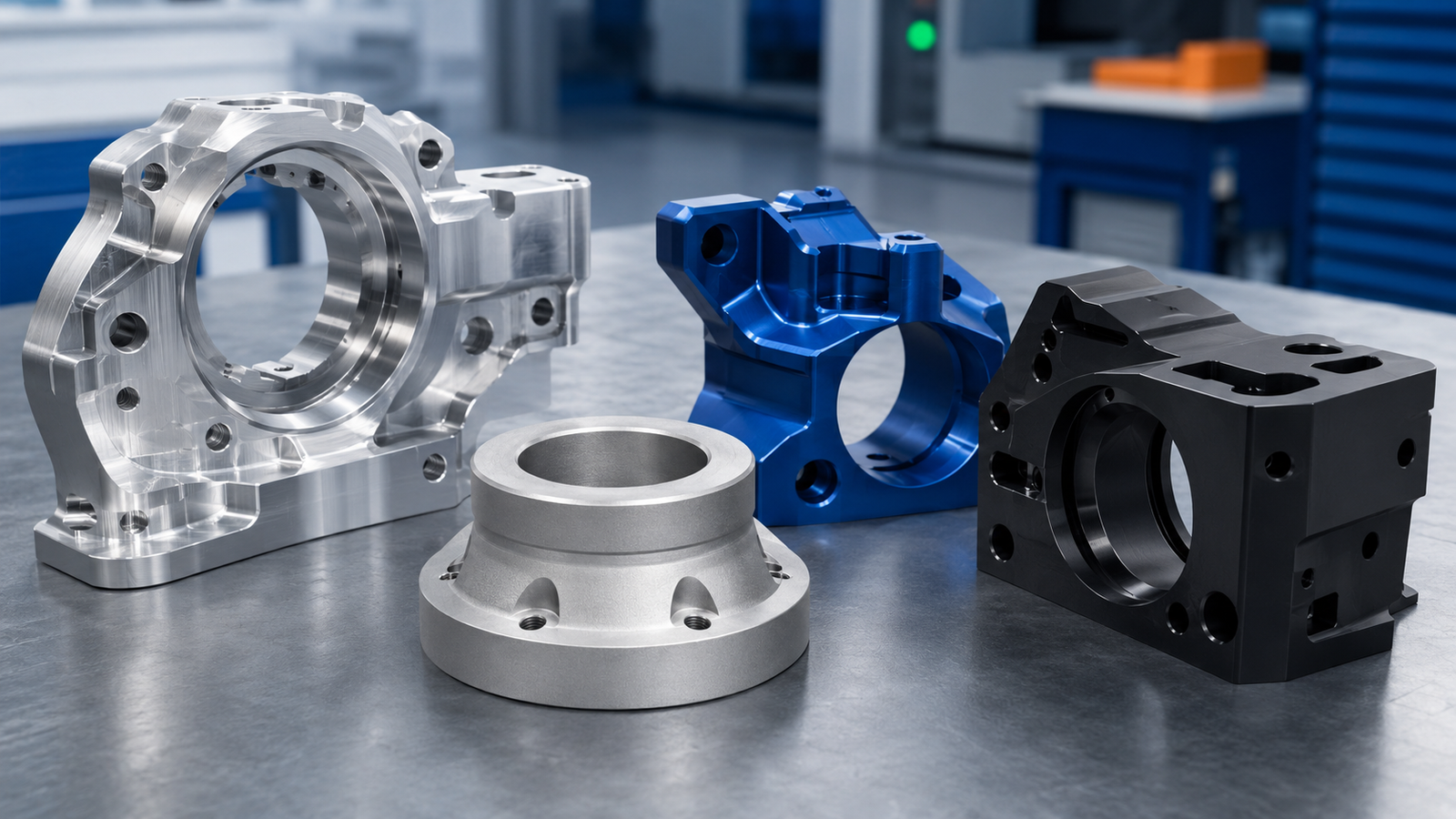
Anodizing, plating, polishing, heat treatment, assembly, or other secondary operations may add steps after machining. These requirements should be included in the RFQ so they can be considered in the schedule.
5. Inspection and Approval Requirements
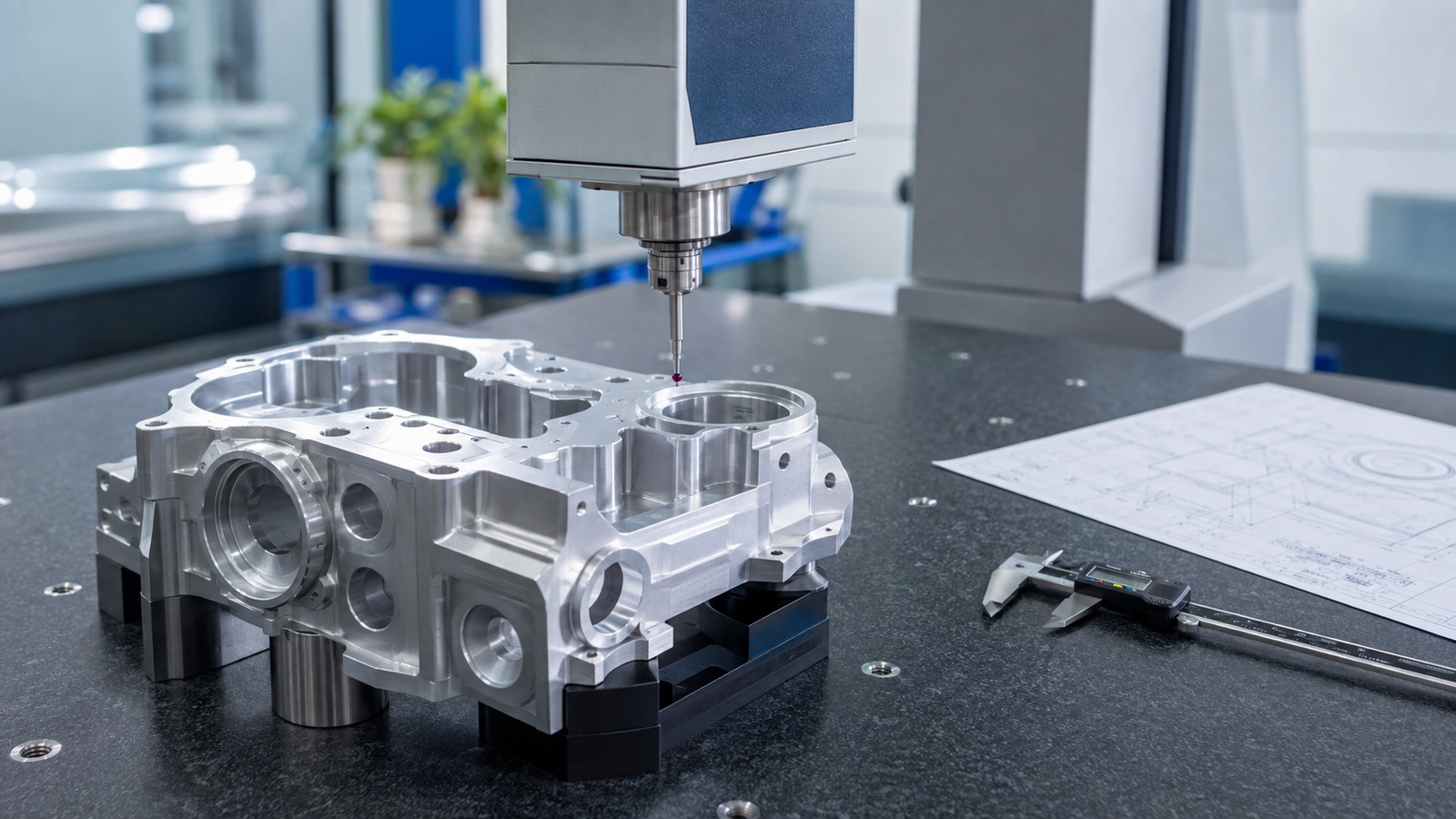
Inspection requirements vary by project. Critical dimensions, special checks, first article approval, or customer-specific documents can affect the sequence before shipment. Confirm these requirements early so they can be included in production planning.
How to Help Keep a Project on Schedule
- Send complete CAD files and drawings.
- Confirm material, quantity, finish, and delivery destination.
- Mark critical dimensions and inspection requirements.
- Approve drawings and samples promptly when required.
- Send design changes with a clear revision number.
- Tell the supplier about your target delivery date as early as possible.
A clear RFQ gives the supplier the information needed to review the scope and provide a realistic schedule. Avoid confirming a delivery date until the production requirements have been reviewed.
Frequently Asked Questions
Can a supplier confirm lead time from a 3D model alone?
A 3D model helps with geometry review, but material, quantity, drawing requirements, finishing, and inspection details may also be needed.
Does a design change affect delivery time?
It can. A change may require a new review, updated programming, additional material, or a revised inspection plan.
When should I request a delivery estimate?
Share the target date in your initial RFQ so the supplier can consider it while reviewing the project.
Planning a CNC order with a target delivery date?
Send your drawings and requirements to OSM Vietnam for review.