
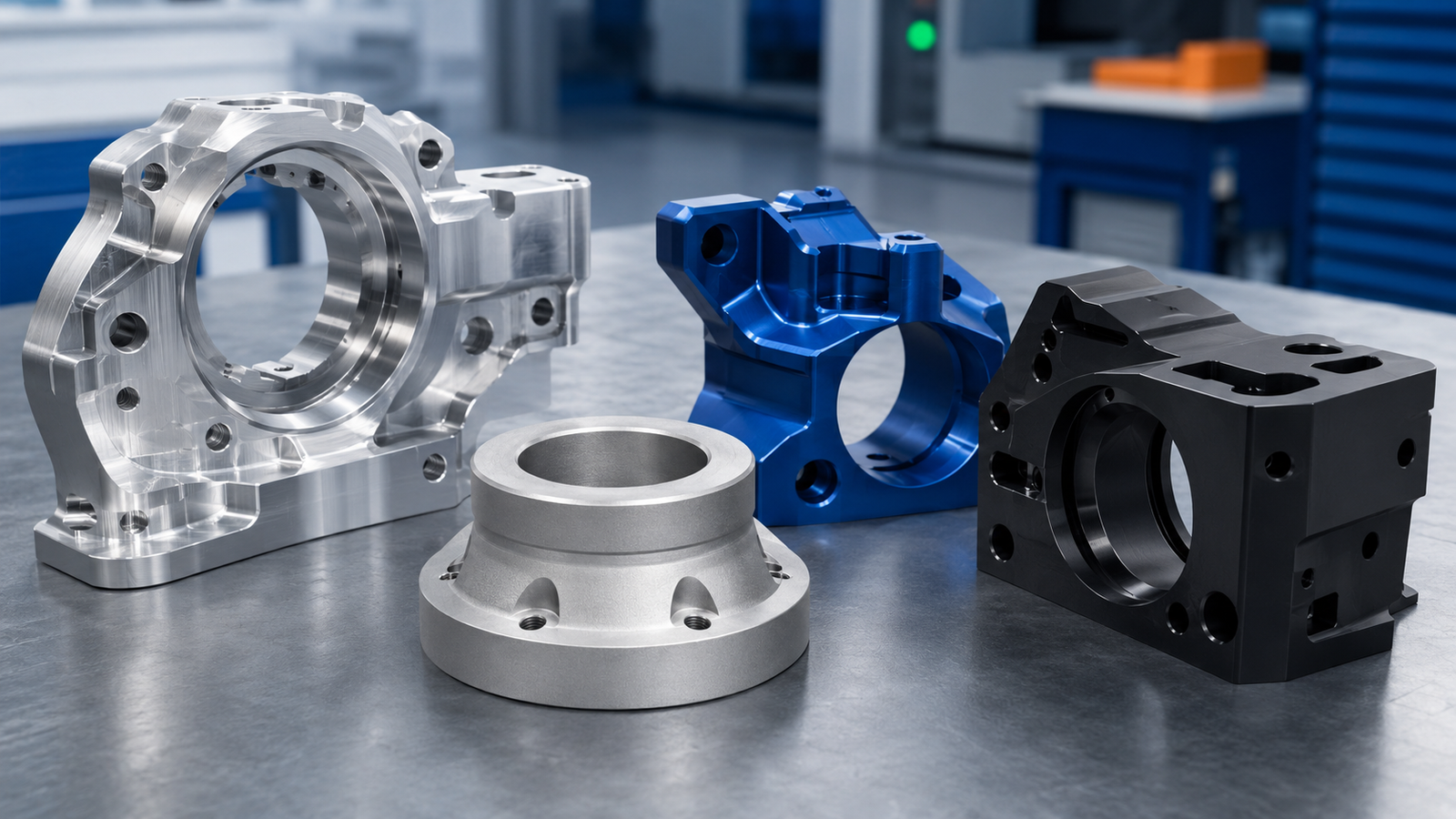

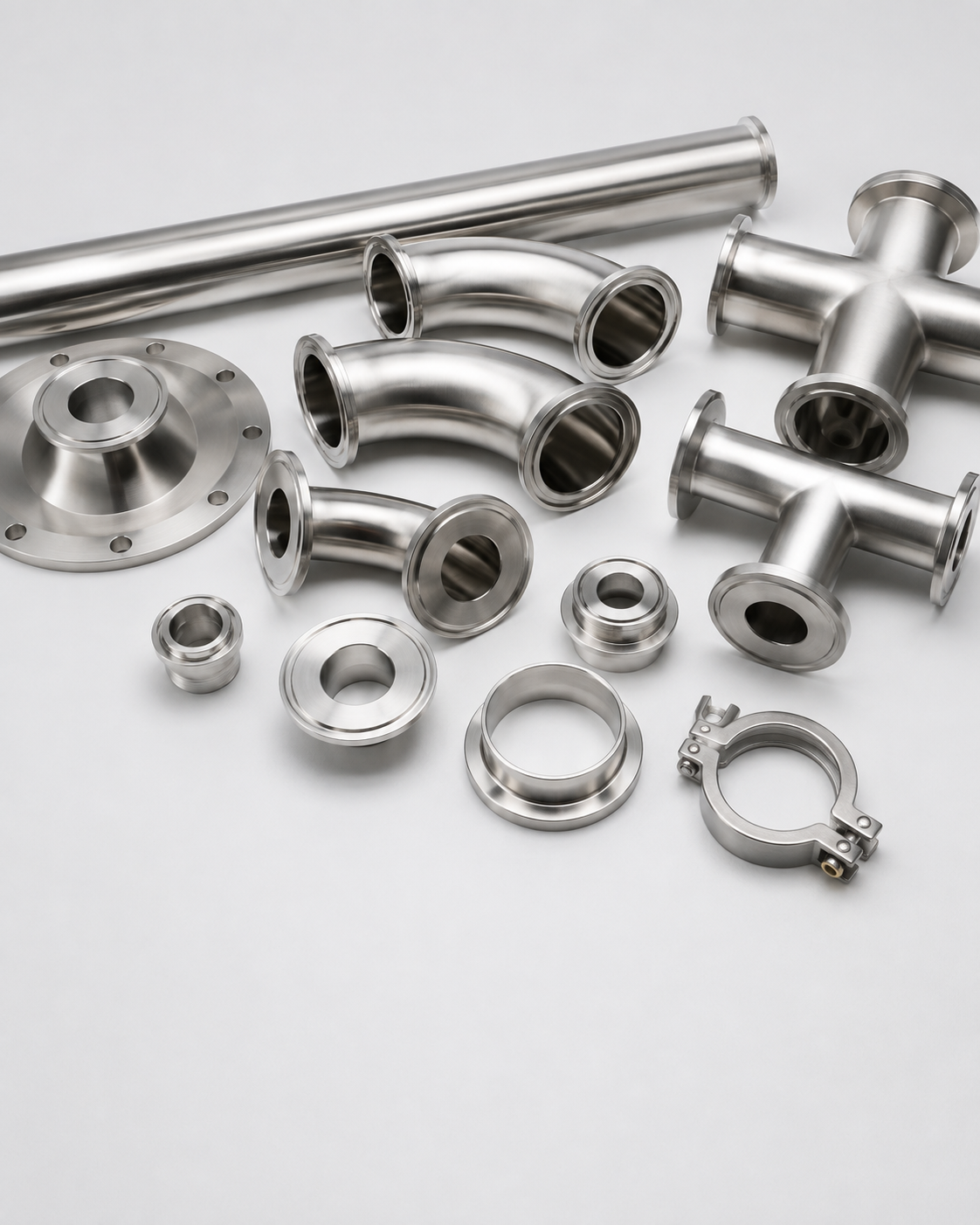




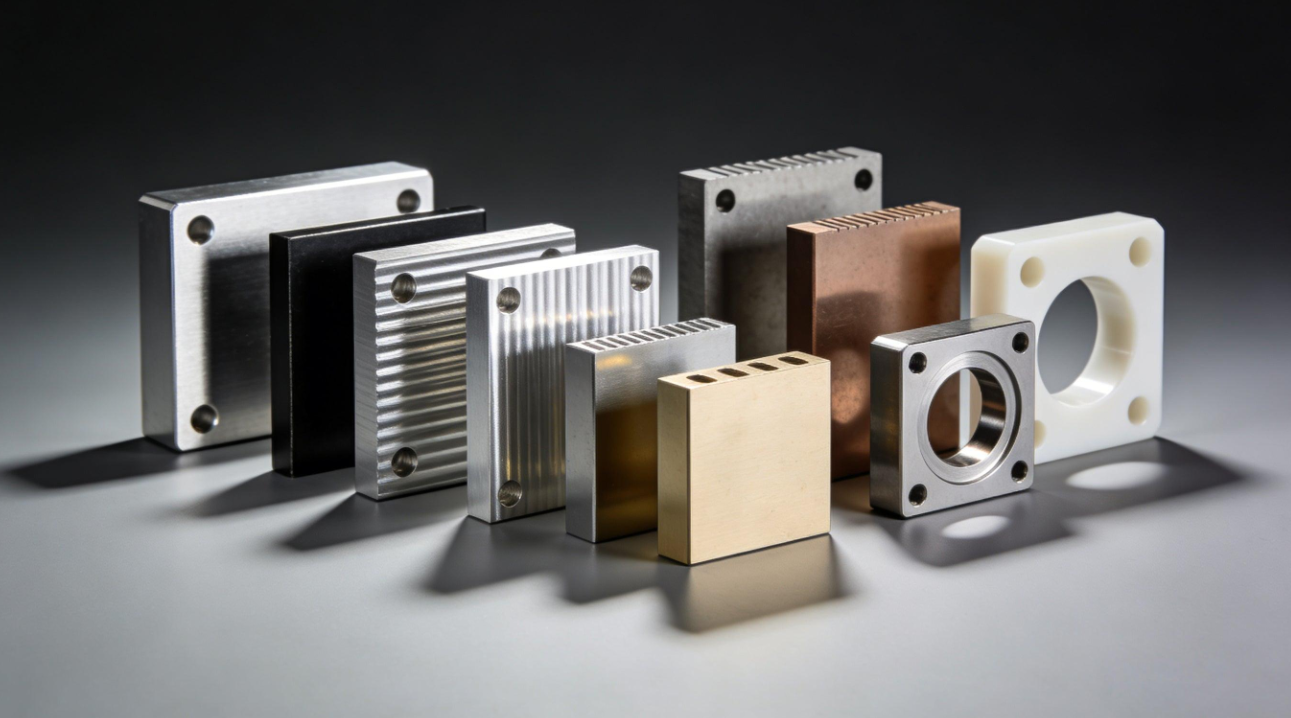

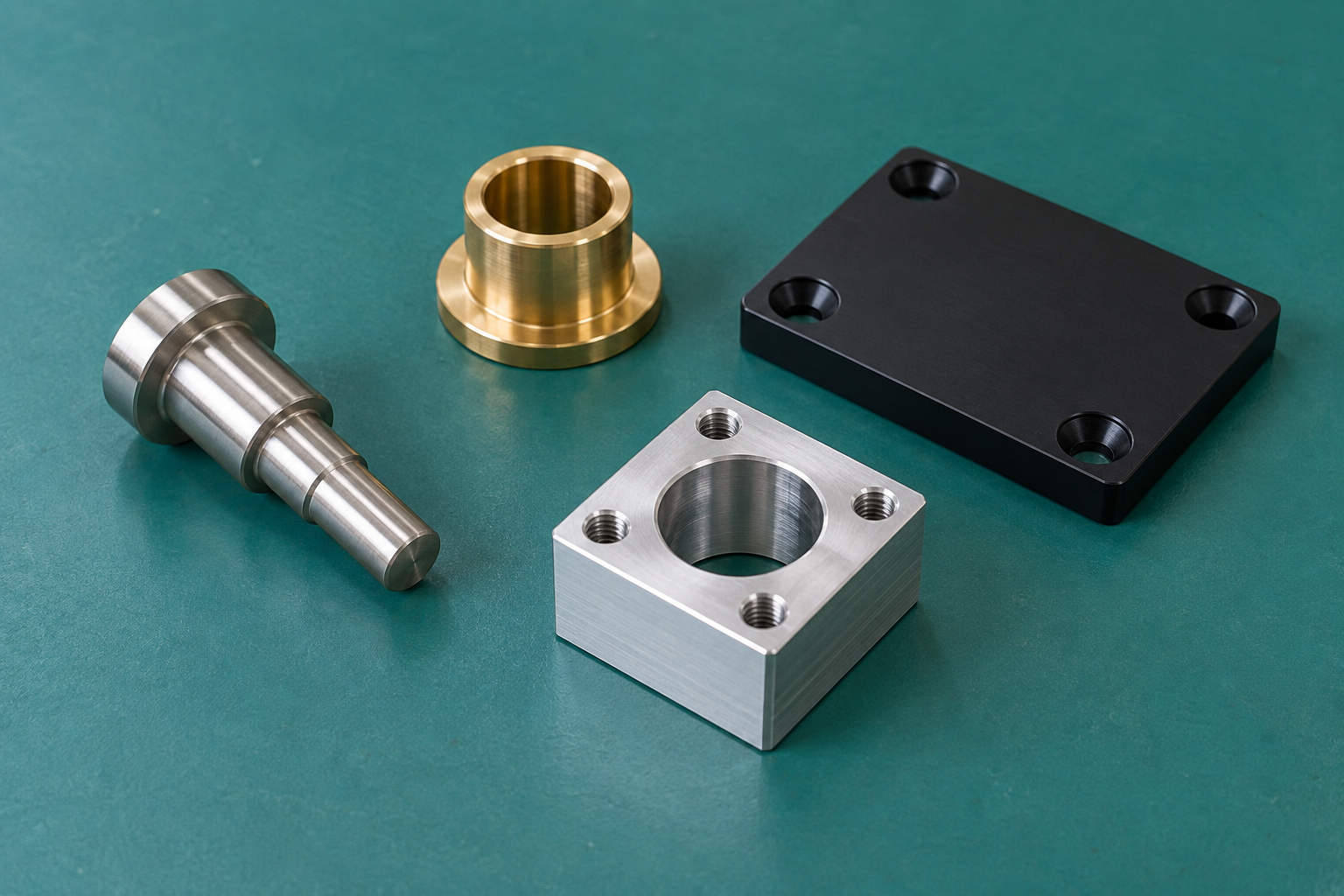
The cost of a CNC machined part depends on more than its material and overall size. Part geometry, machining time, required tolerances, order quantity, surface finishing, and inspection requirements can all affect the final quotation.
1. Material and Stock Size
Material choice affects both the raw material cost and the machining process. Different metals and engineering plastics vary in price, availability, cutting behavior, and suitability for the part’s operating conditions.
The required stock size also matters. A part with a large amount of material removed may require more machining time and create more material waste than a part closer to the original stock shape.
When requesting a quote, specify the material grade if it is known. If you are still choosing a material, explain the part’s function and operating environment so the manufacturing team can review suitable options.
2. Part Geometry and Machining Time
A simple part with accessible features is generally easier to machine than a component with deep pockets, narrow slots, complex contours, or features that require several setups.
The machinist must consider how the part will be held, which tools can reach each feature, and whether the part needs to be repositioned during machining. These decisions influence programming, setup, and cycle time.
3. Tolerances and Inspection
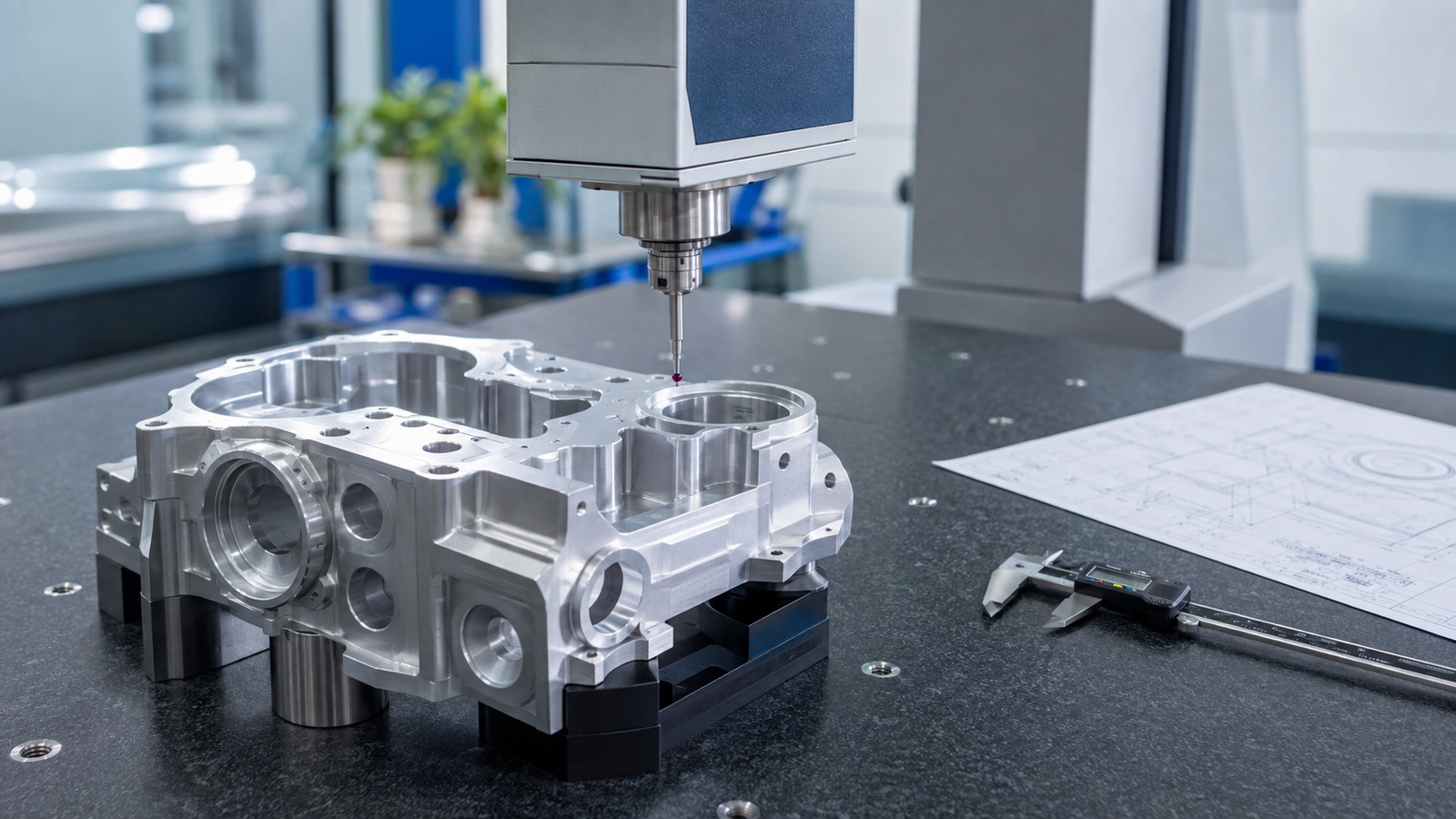
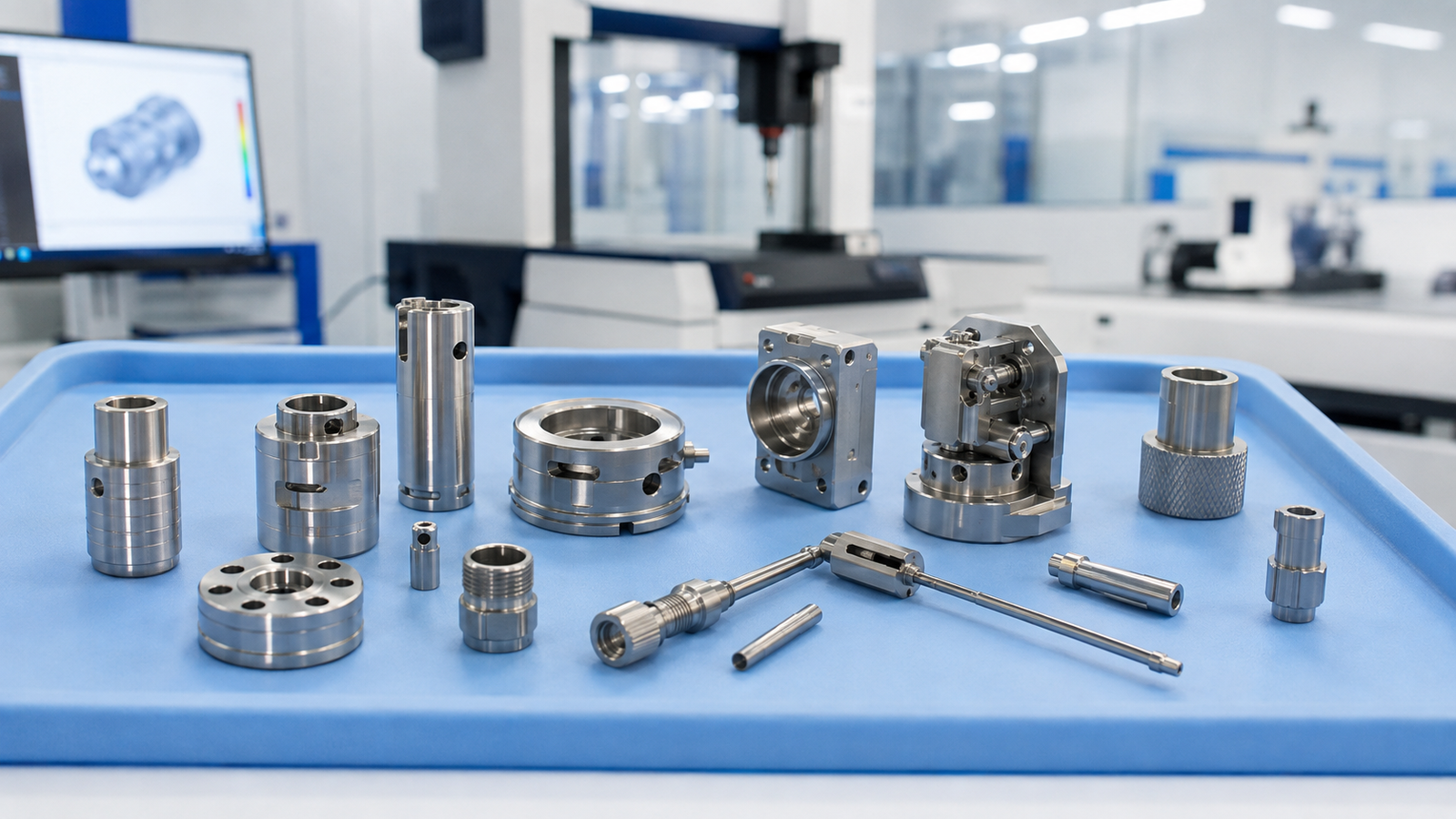
Tolerances should reflect the part’s functional requirements. A tight tolerance on a critical fit may be necessary, while applying the same tight tolerance to every dimension can add machining and inspection work without improving the part’s function.
Identify critical dimensions clearly on the drawing. If your project requires inspection records, material certificates, or other quality documents, include those requirements in the RFQ.
4. Order Quantity and Additional Operations
The number of parts can affect the unit price because programming and setup work may be distributed across a batch. However, the best quantity depends on the specific design, production plan, and required operations.
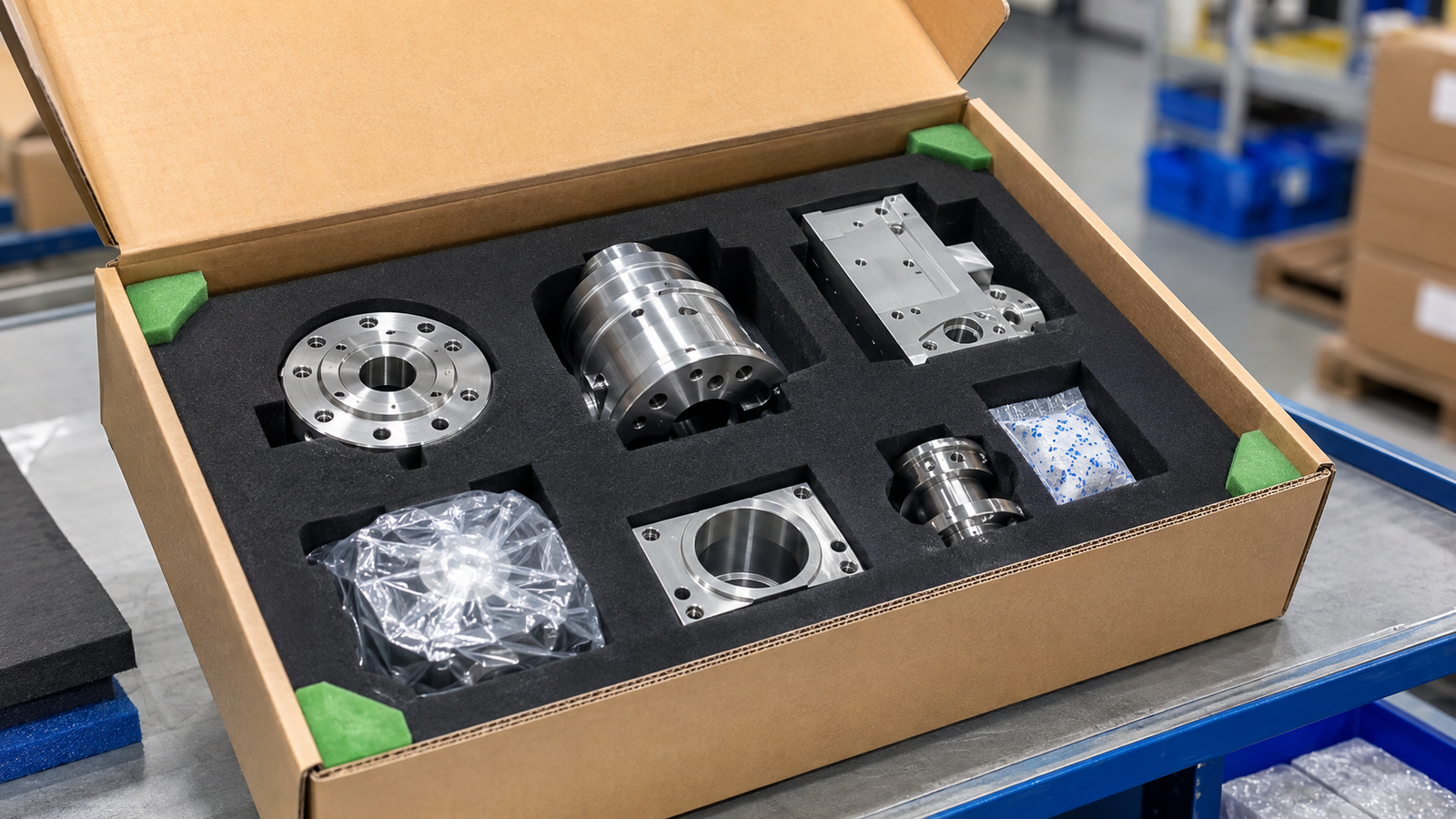
Surface finishing, assembly, special packaging, and delivery requirements may also affect the total project cost.
How to Request a More Accurate CNC Machining Quote
To help a supplier review your project, provide:
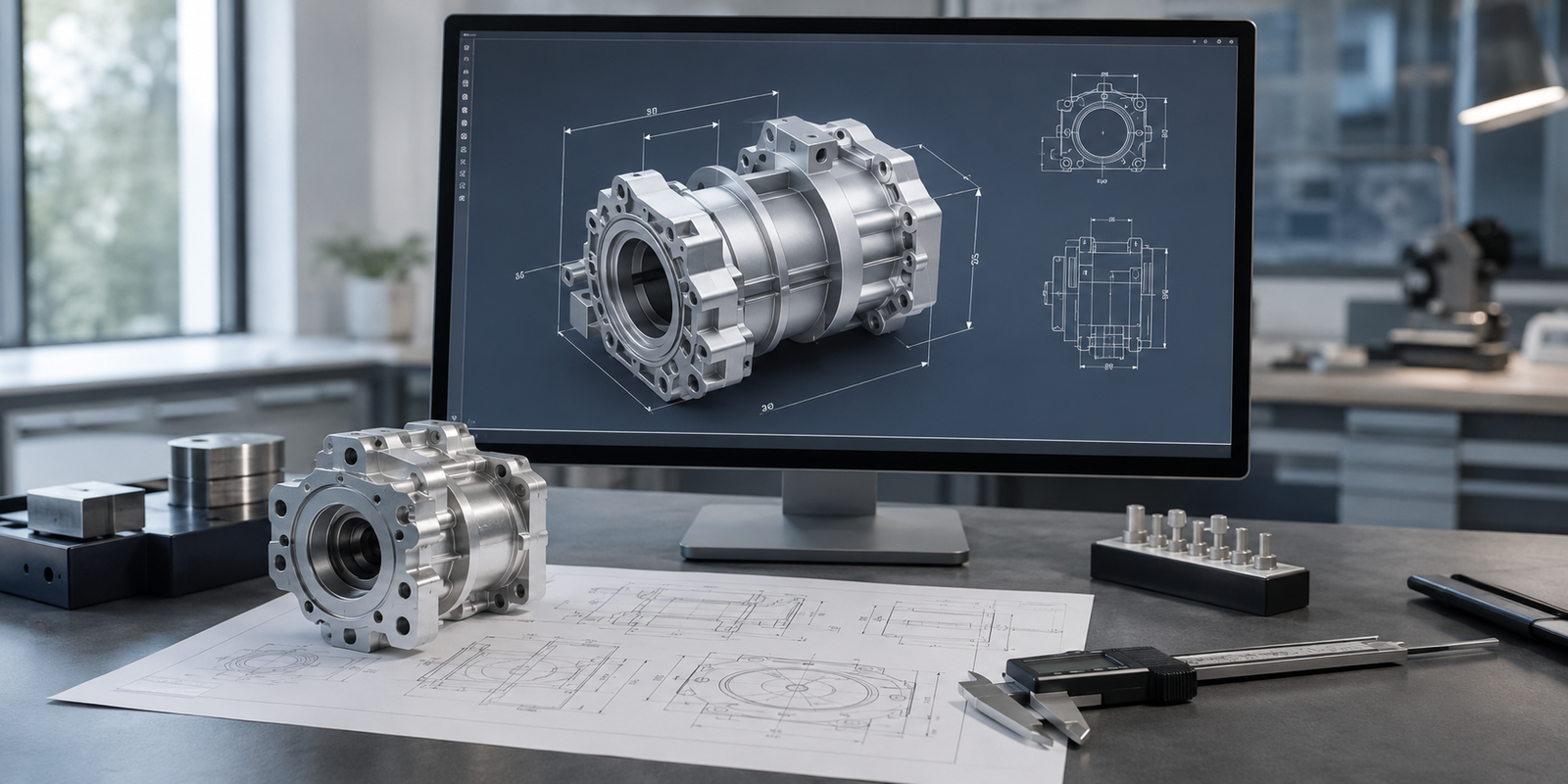
- A 3D CAD model and a dimensioned drawing
- Material and surface finish requirements
- Order quantity
- Critical dimensions and tolerances
- Required inspection documents
- Target delivery schedule
A complete RFQ helps the manufacturing team assess the part and identify questions before production begins.
Frequently Asked Questions
Is a larger part always more expensive to machine?
Not necessarily. Geometry, material, machining time, setup requirements, and tolerances also affect the cost.
Does a higher quantity always reduce the unit price?
Higher quantities may distribute setup costs across more parts, but the result depends on the part and production plan.
Can OSM quote from a CAD file?
A CAD file helps communicate the part geometry. A drawing and written requirements are also useful for confirming dimensions, tolerances, material, and finishing.
Planning a CNC machining project?
Request a CNC machining quote from OSM Vietnam.