
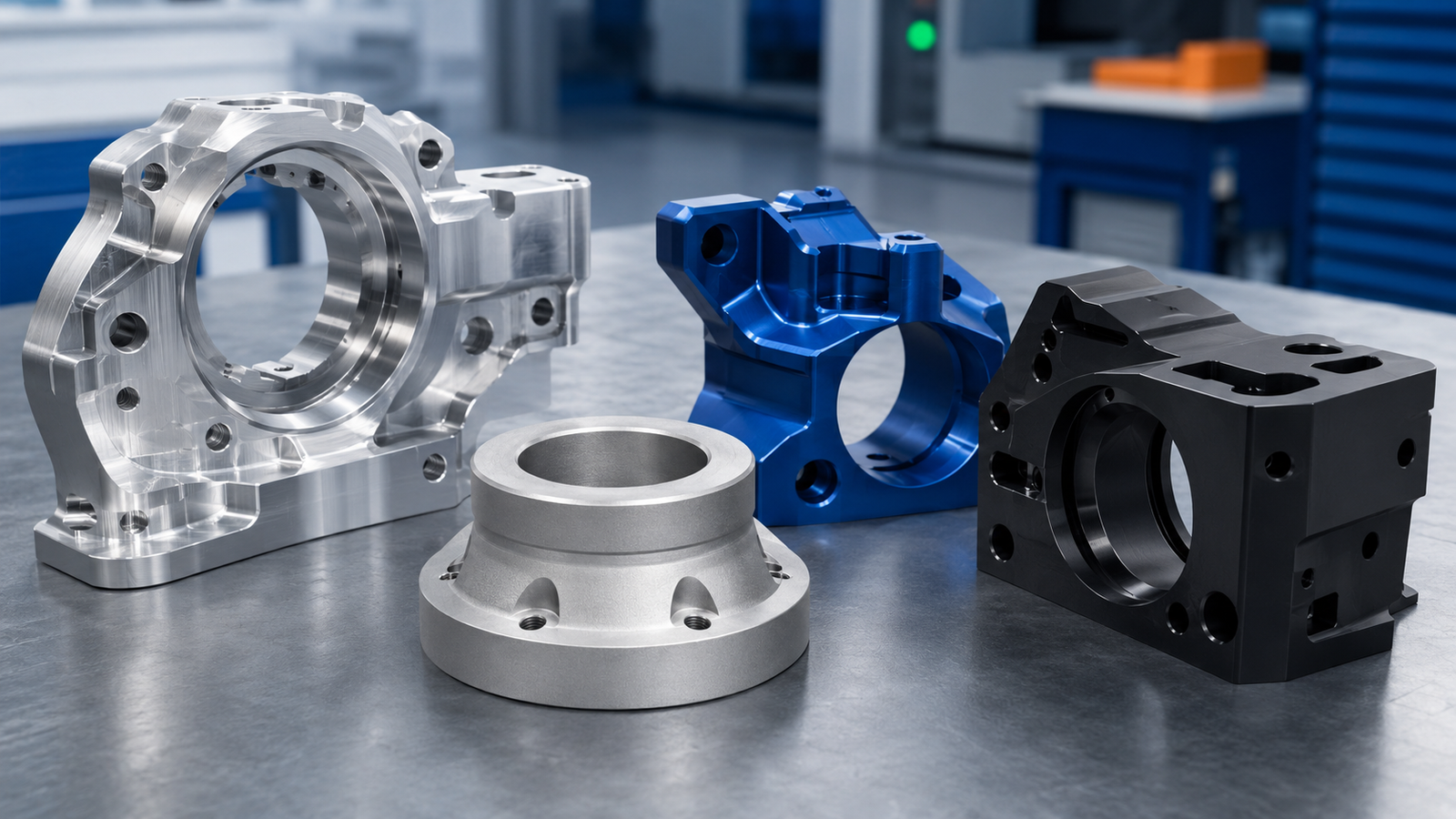




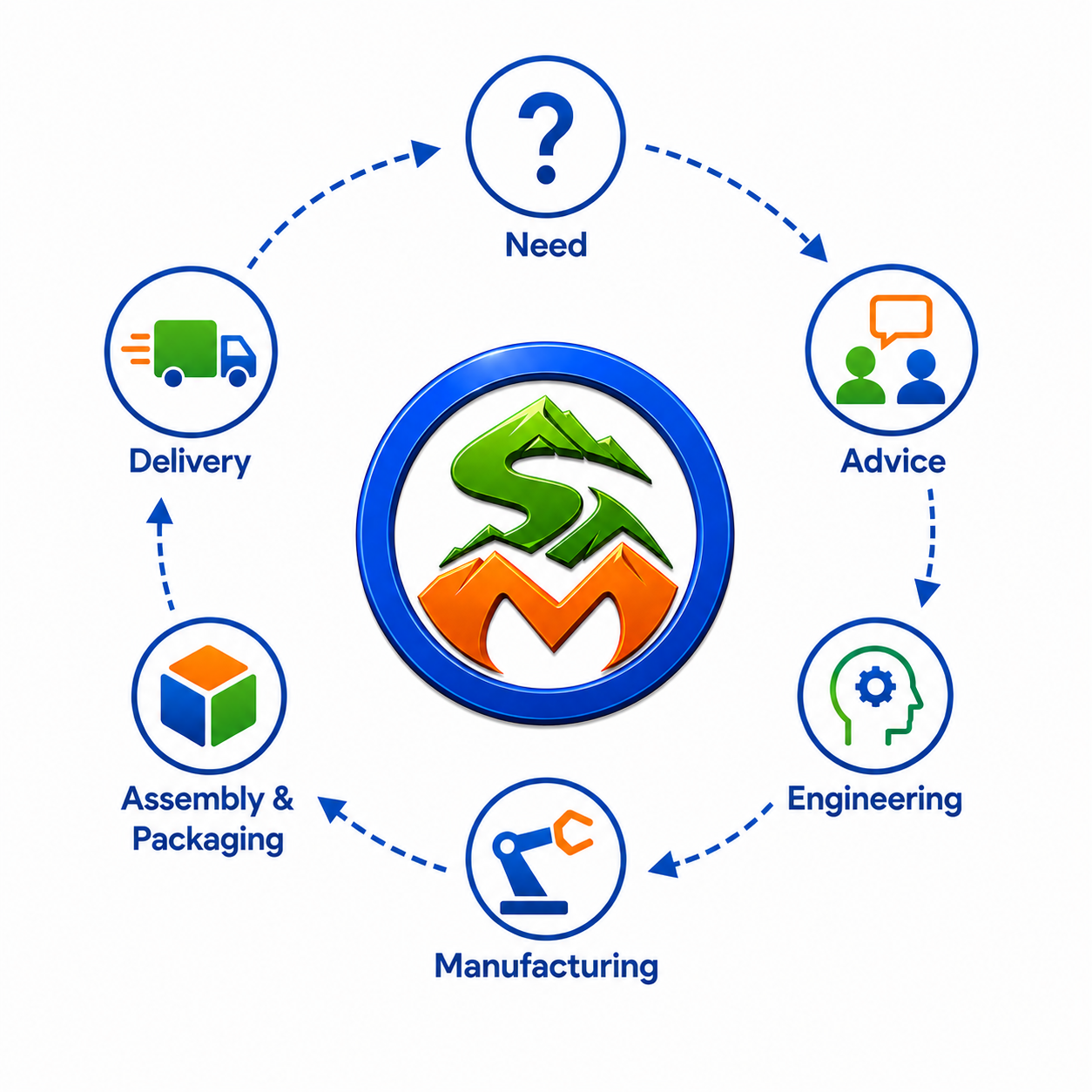
CNC machining is one stage in a broader manufacturing workflow. A successful project also depends on clear requirements, drawing review, production planning, inspection, and communication between the customer and supplier.
Here is a typical process for custom CNC machined parts.
1. Submit the RFQ
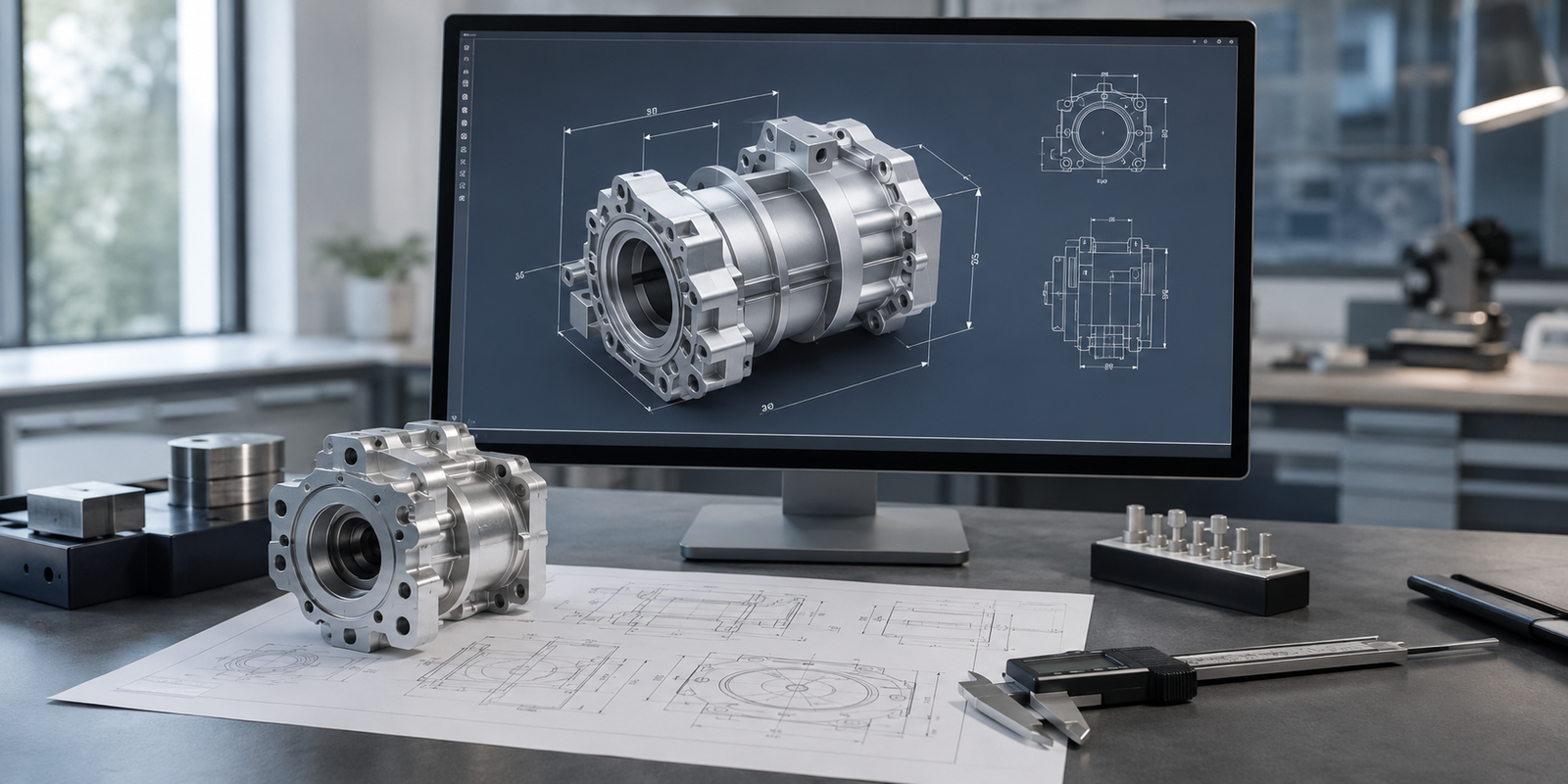
The process begins when the customer shares a CAD model, technical drawing, material requirements, quantity, surface finish, and target delivery schedule.
If a project has special requirements—such as critical dimensions, inspection reports, or packaging instructions—include them in the RFQ. Clear information helps the supplier review the work before preparing a quotation.
2. Review the Design and Requirements
The manufacturing team reviews the part geometry, drawing, material, tolerances, and finish. This review helps identify questions that may affect machining, inspection, or the quotation.
If any details need clarification, the supplier and customer can resolve them before production starts. This is also the time to confirm the drawing revision and any project-specific quality documents.
3. Prepare the Production Plan
After the quotation and order requirements are confirmed, the supplier plans the production work. Planning may include material preparation, programming, tooling, workholding, machining sequence, and inspection requirements.
The exact plan depends on the part’s geometry, material, quantity, and required features.
4. Machine the Parts
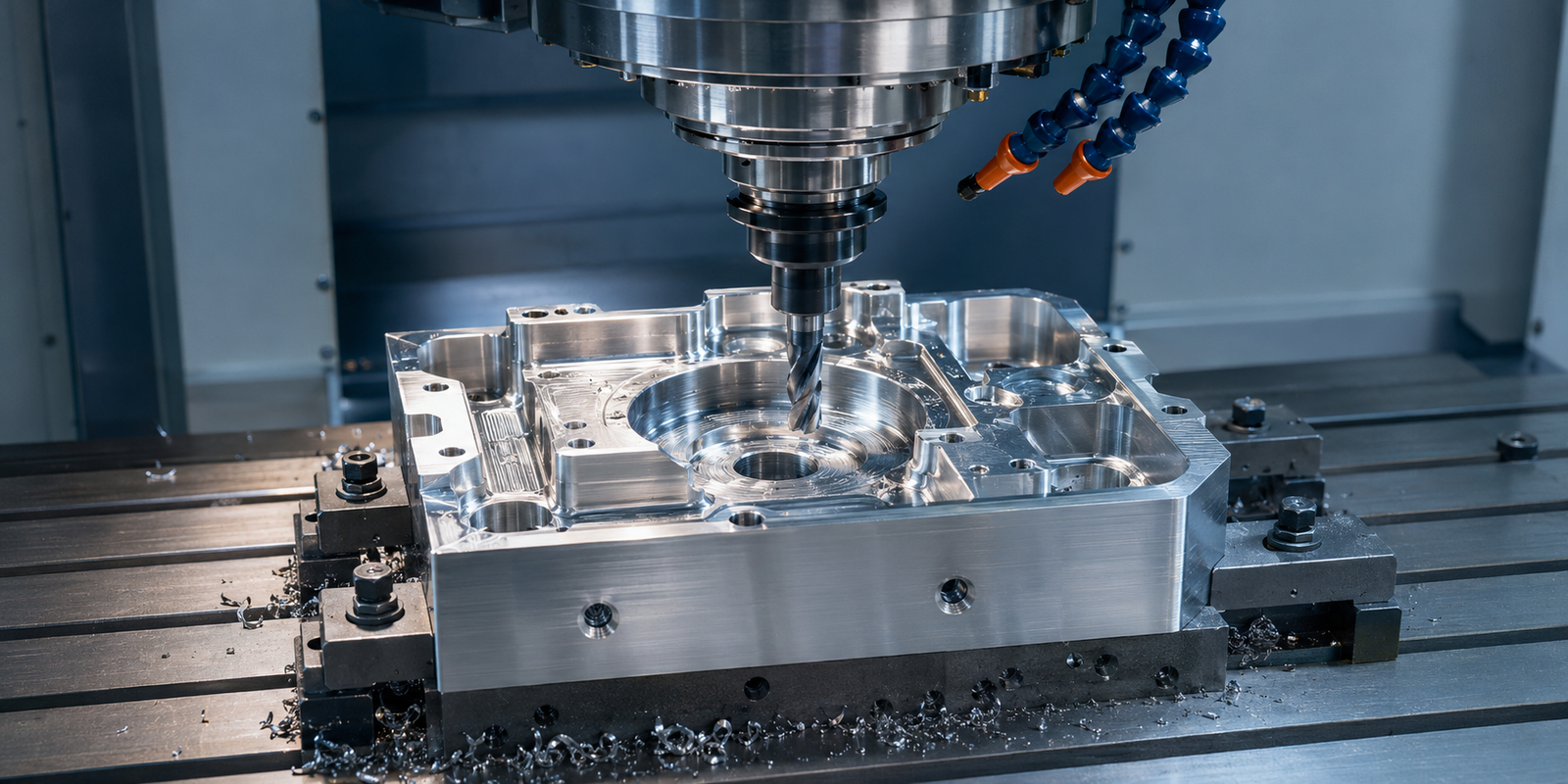
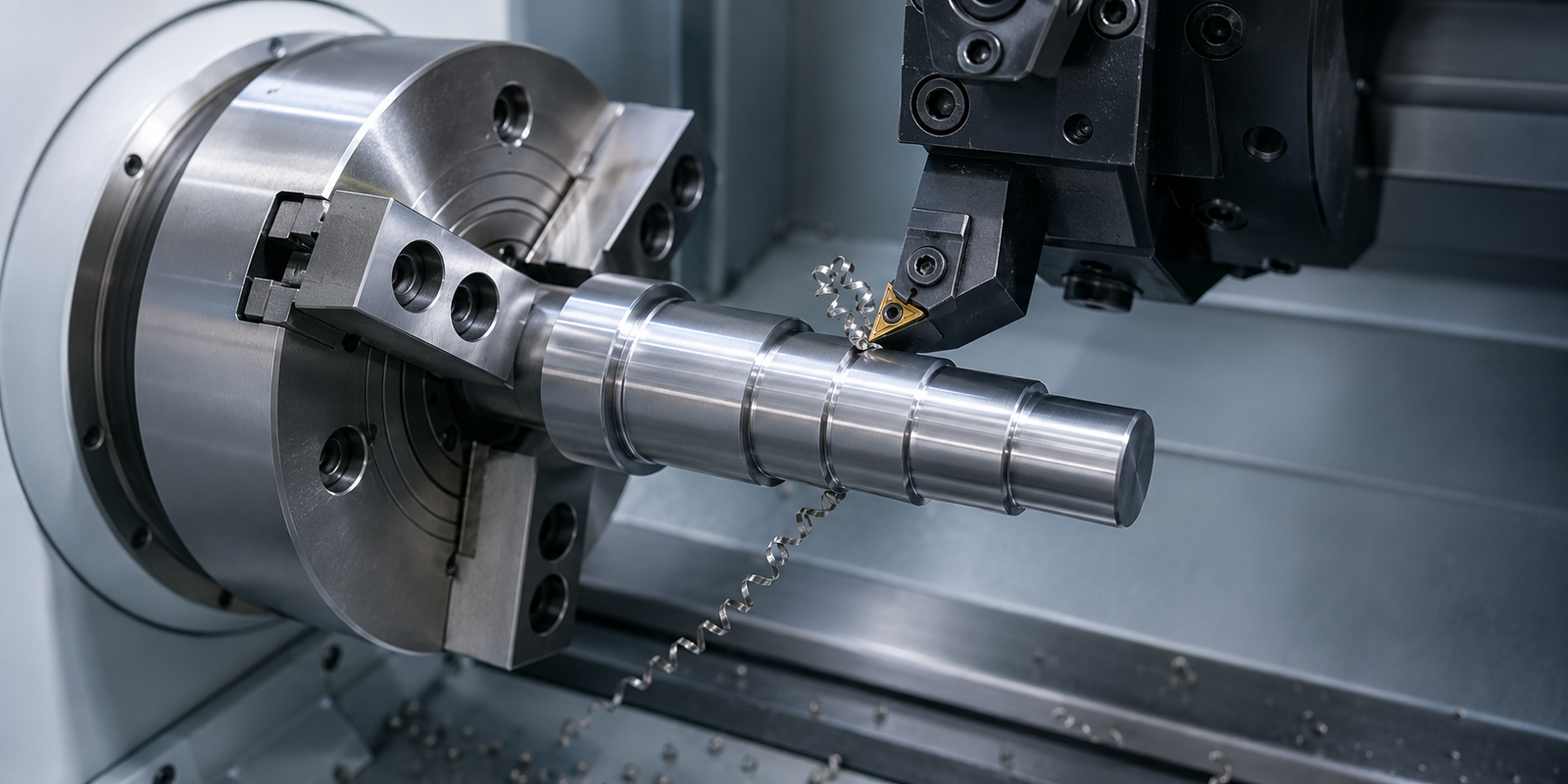
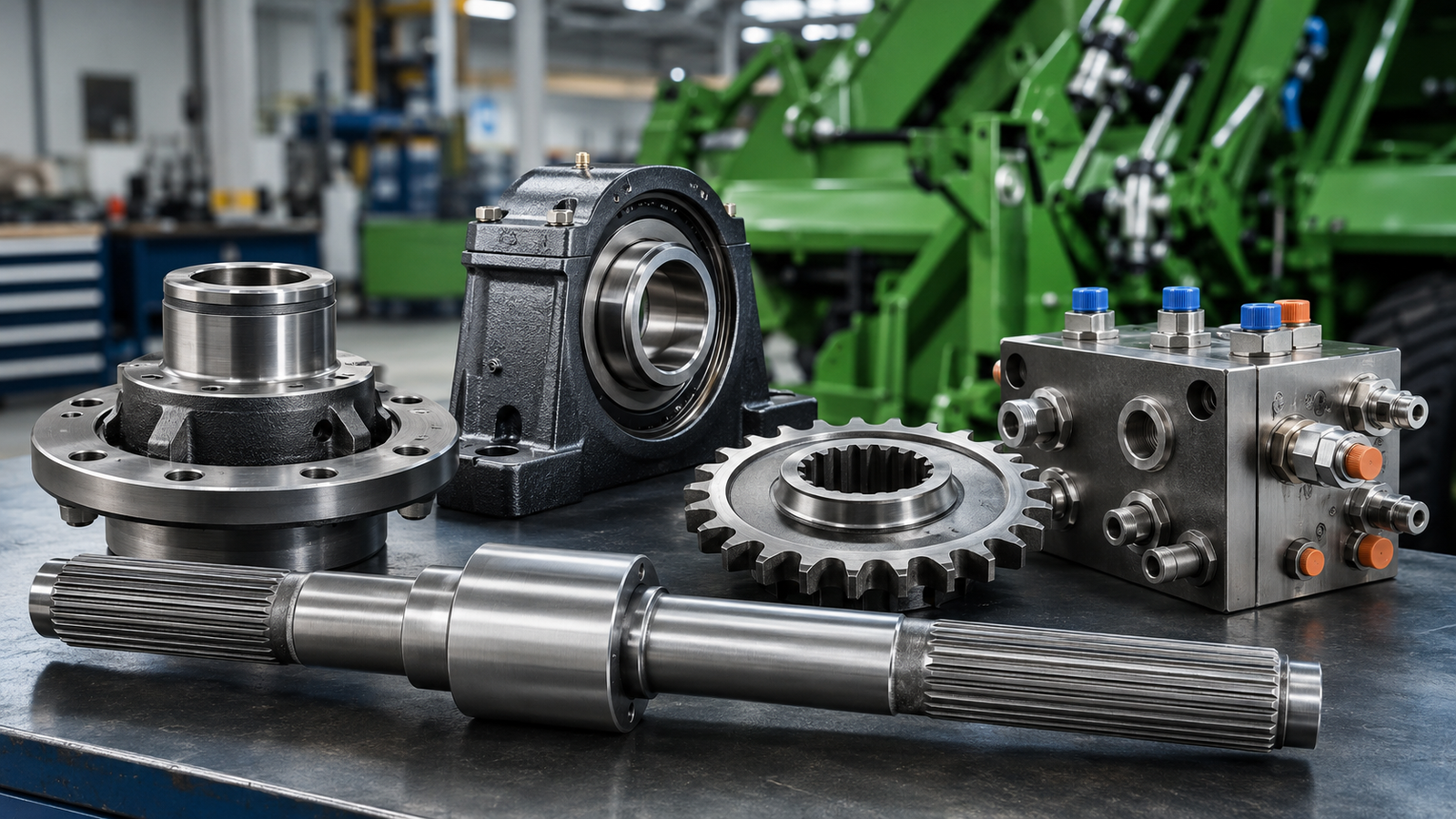
The CNC machine follows a programmed toolpath to remove material and produce the required features. CNC milling is commonly used for parts with flat surfaces, pockets, holes, slots, and contours. CNC turning is suited to rotational components such as shafts, pins, bushings, and sleeves.
Some parts may require more than one operation or setup. The manufacturing sequence is selected according to the design and production requirements.
5. Inspect the Finished Parts
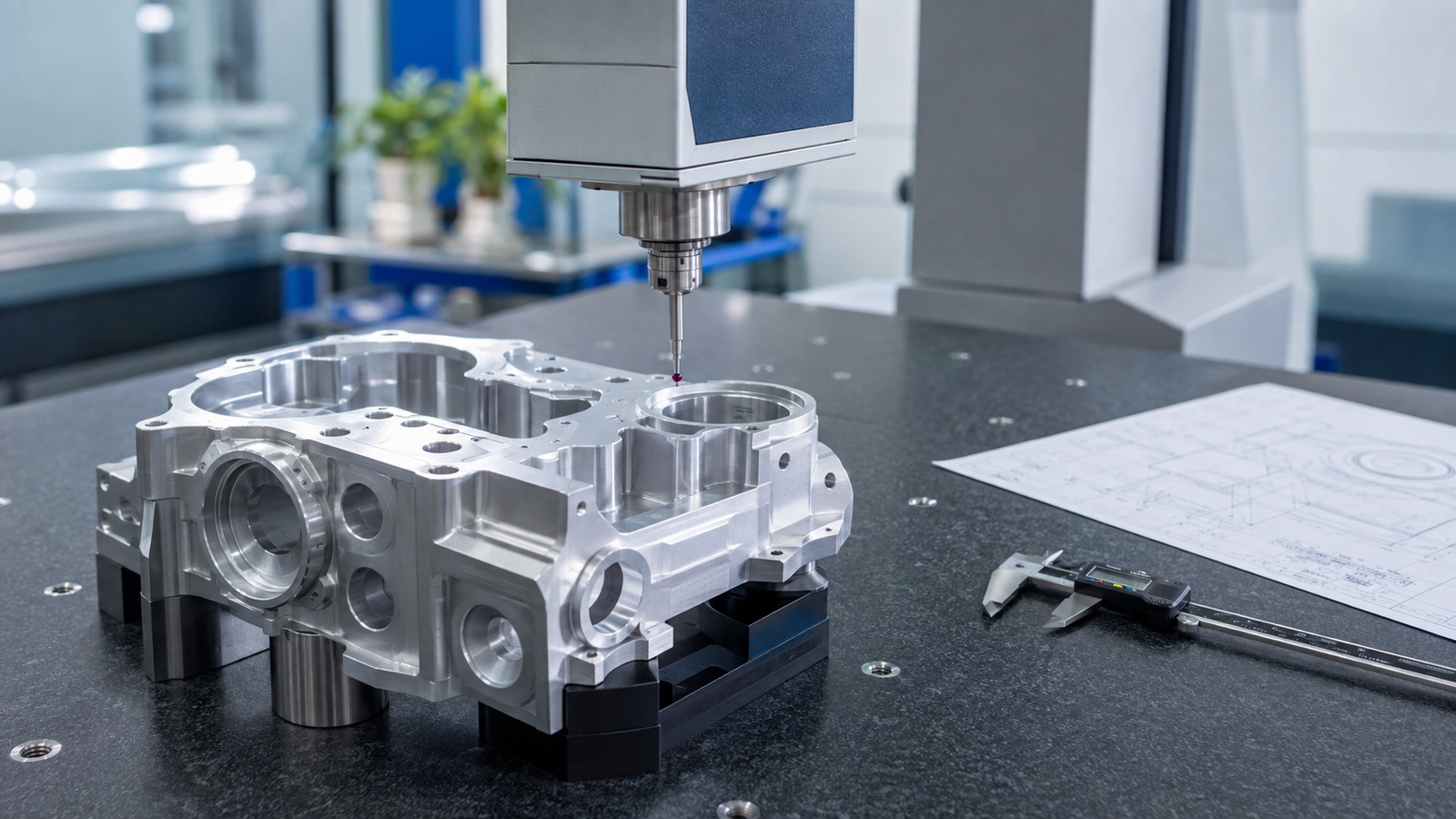
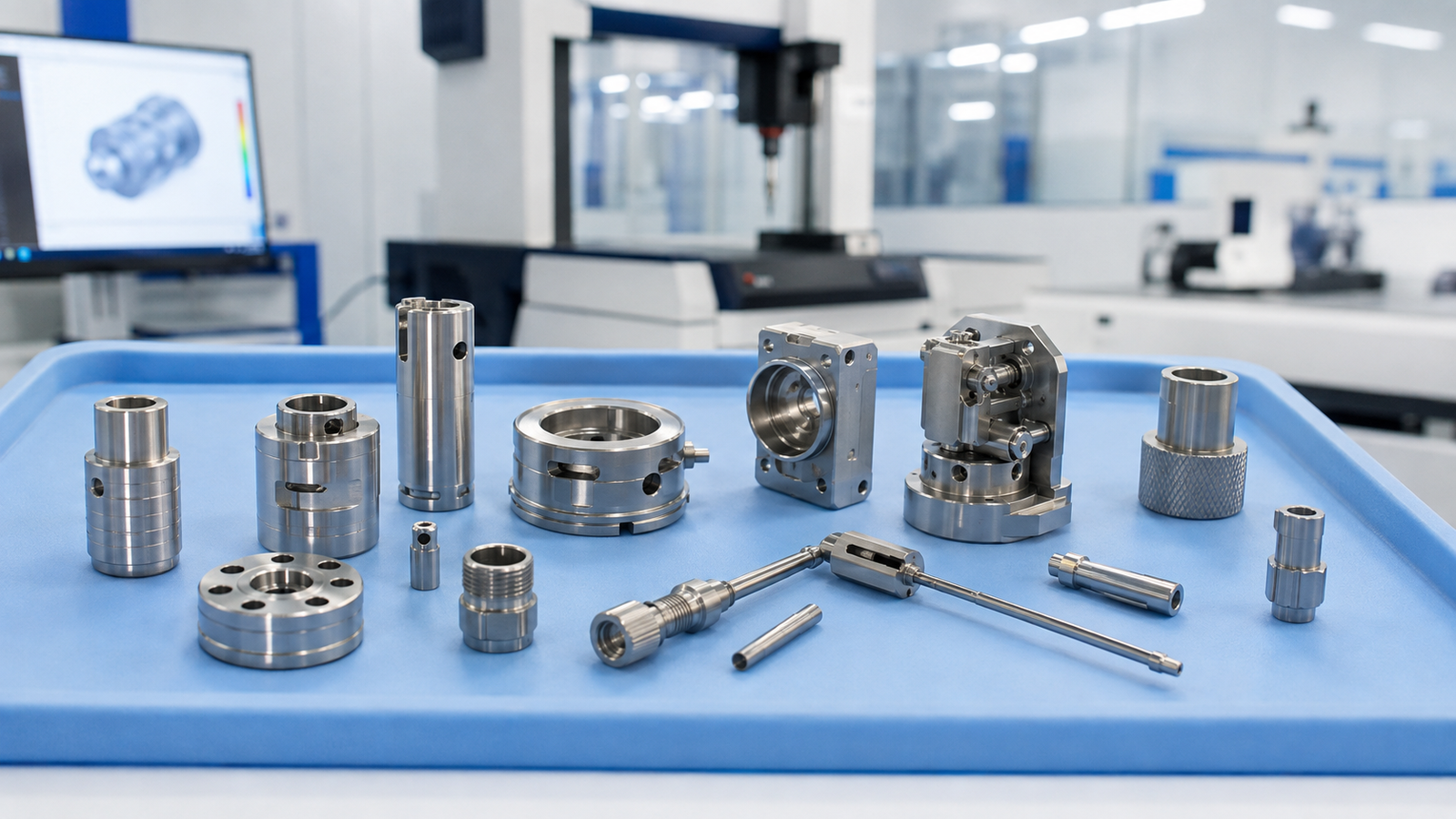
Parts are checked against the drawing and agreed specifications. Inspection may include measuring dimensions, checking threads, reviewing surface condition, and verifying critical features.
The inspection approach depends on the part and customer requirements. If the project requires specific records or documents, these should be confirmed during quotation.
6. Complete Finishing, Packaging, and Delivery
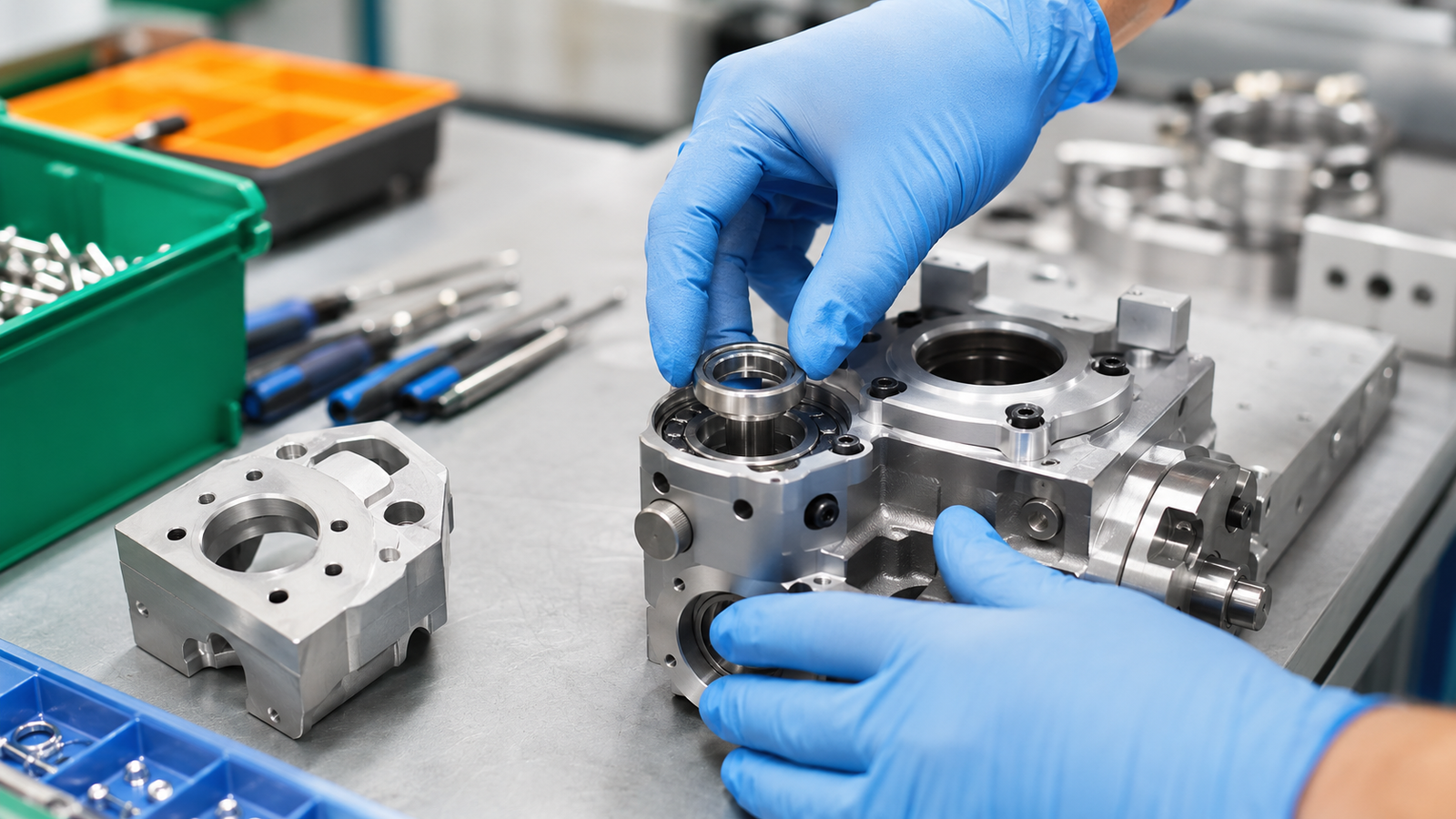
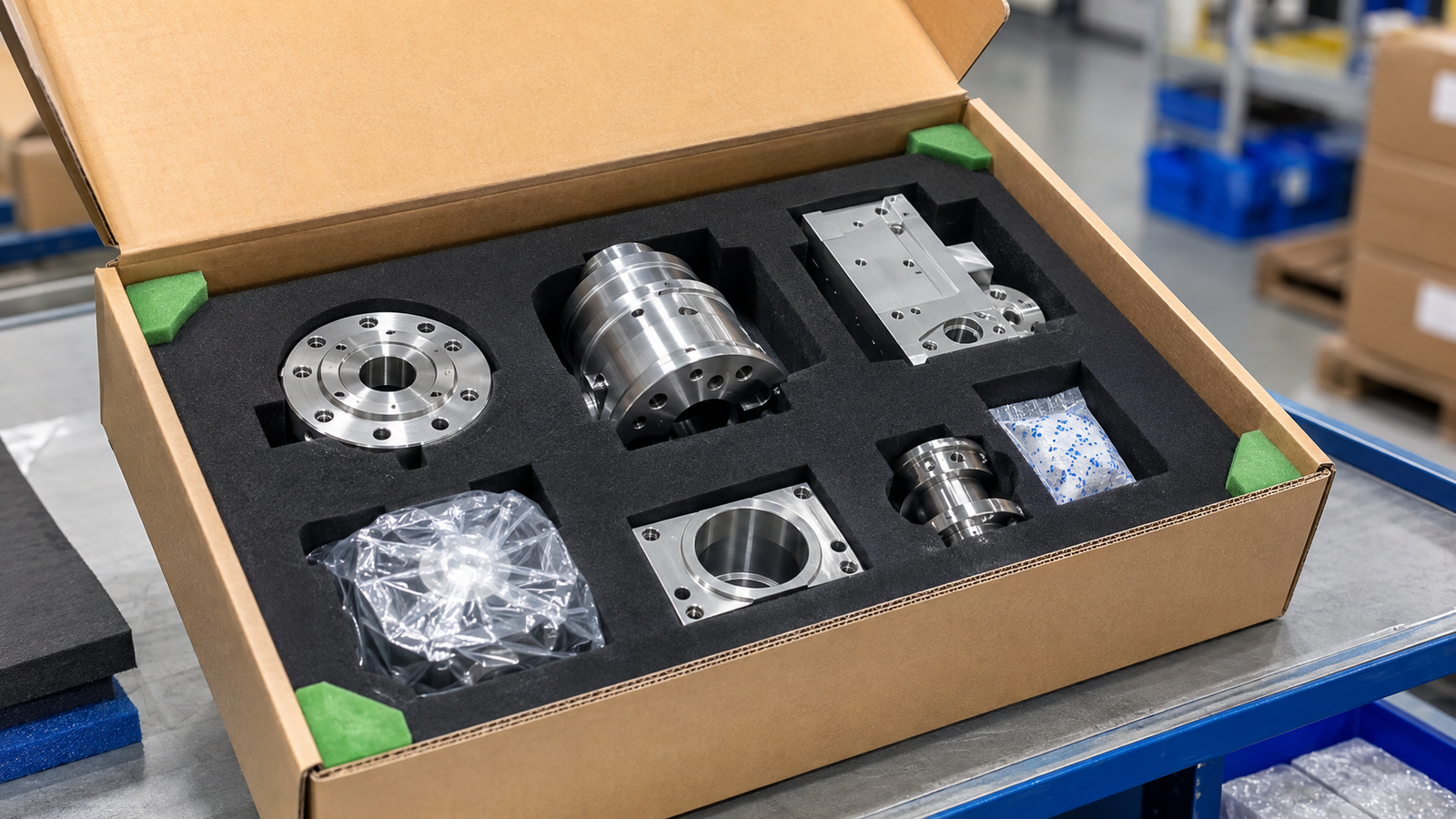
If the part requires a secondary finish, assembly, or special packaging, these operations are completed according to the order requirements. The parts are then prepared for delivery.
Why Communication Matters
A production project can change when a drawing is revised, a material is substituted, or a finish requirement is updated. Sharing changes promptly helps the supplier review their effect on the work plan and delivery schedule.
Frequently Asked Questions
Does every CNC part follow the same process?
No. The workflow is adjusted for the part’s design, material, quantity, finishing, and inspection requirements.
When should I confirm the drawing revision?
Confirm the approved revision before production. If the design changes, provide the updated files and revision information.
Can quality documents be included with an order?
Project-specific documents may be available depending on the requirements and should be discussed during quotation.
Need a manufacturing partner for your CNC project?
Contact OSM Vietnam to discuss your requirements.