
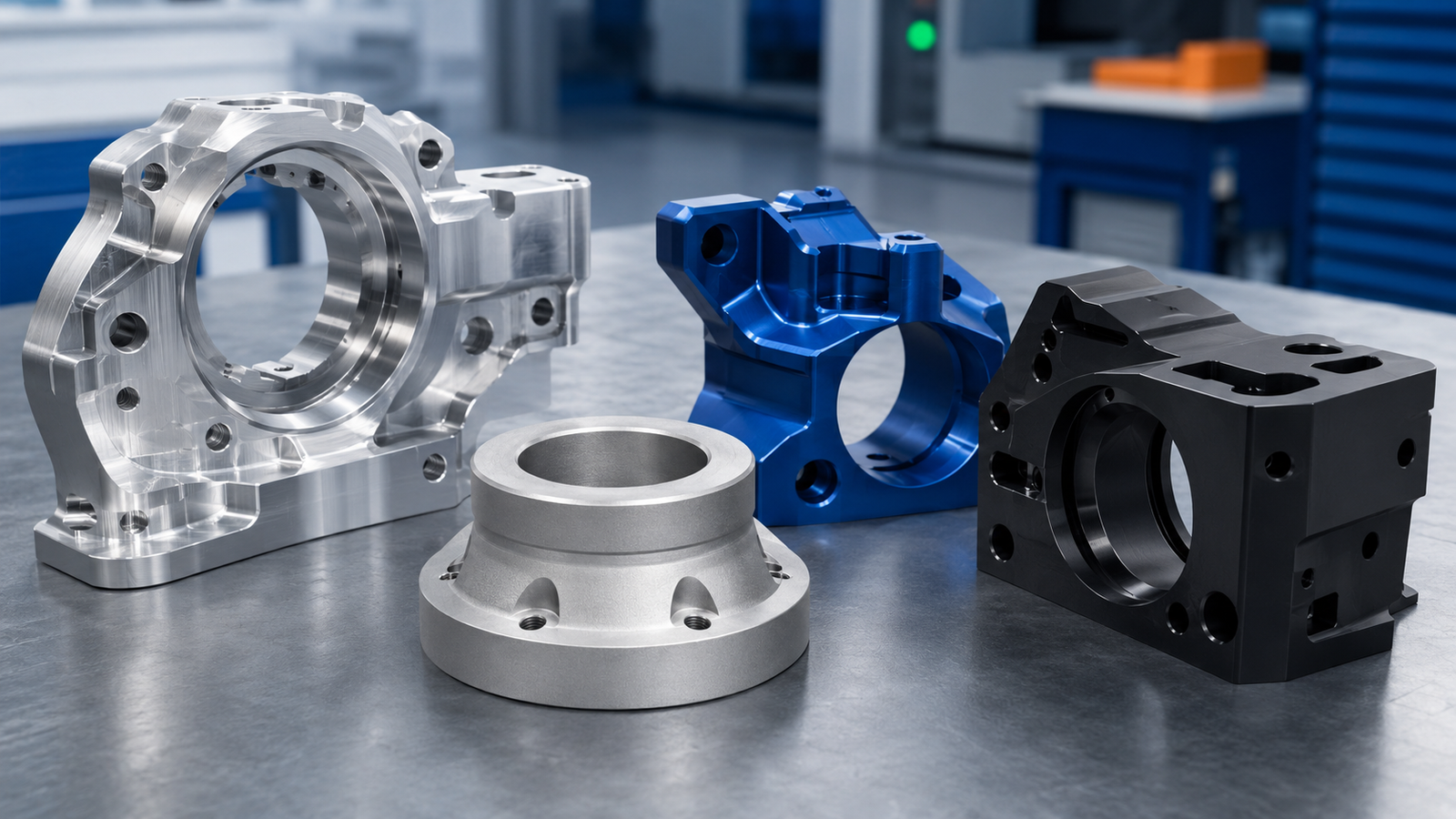
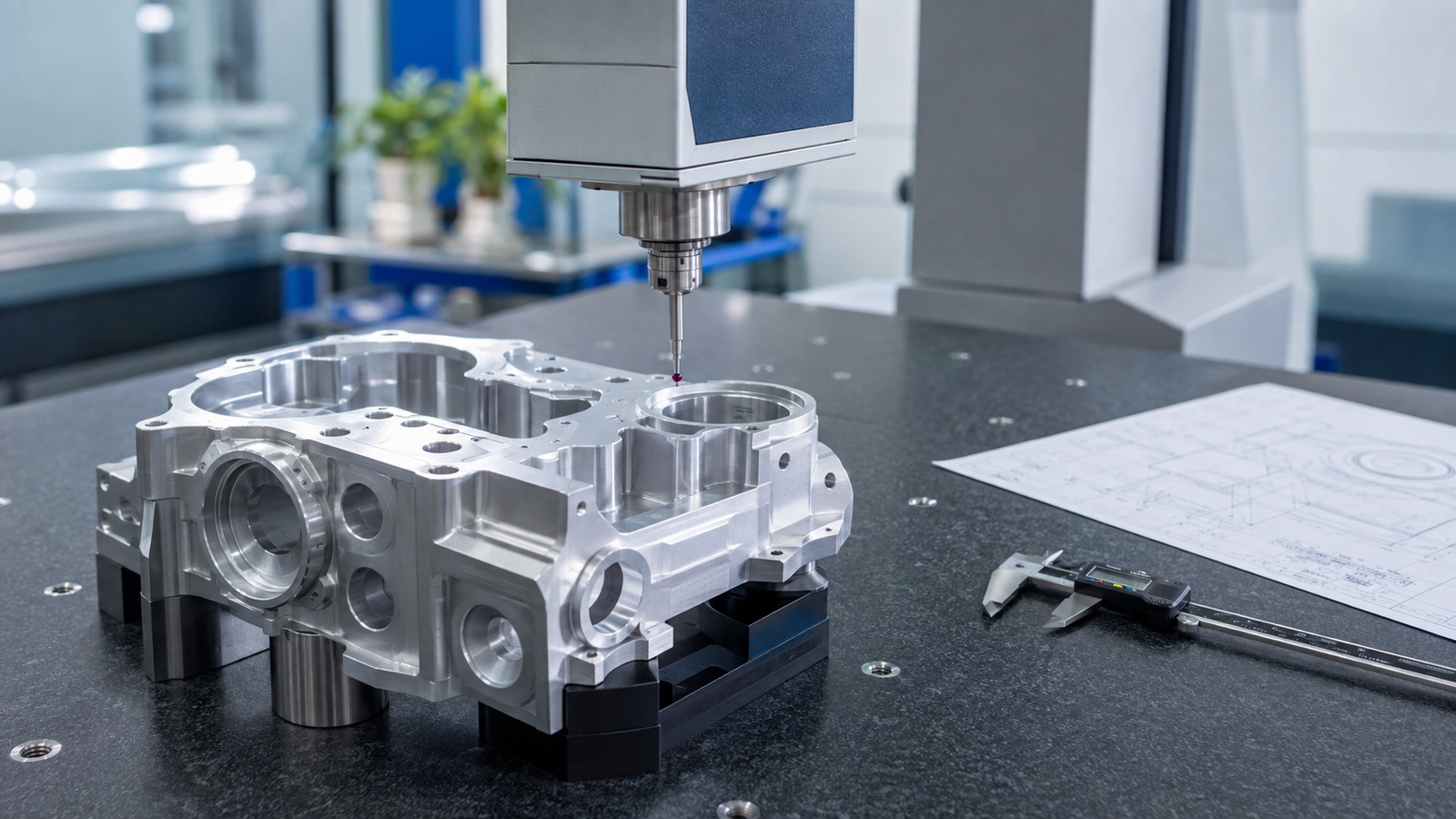
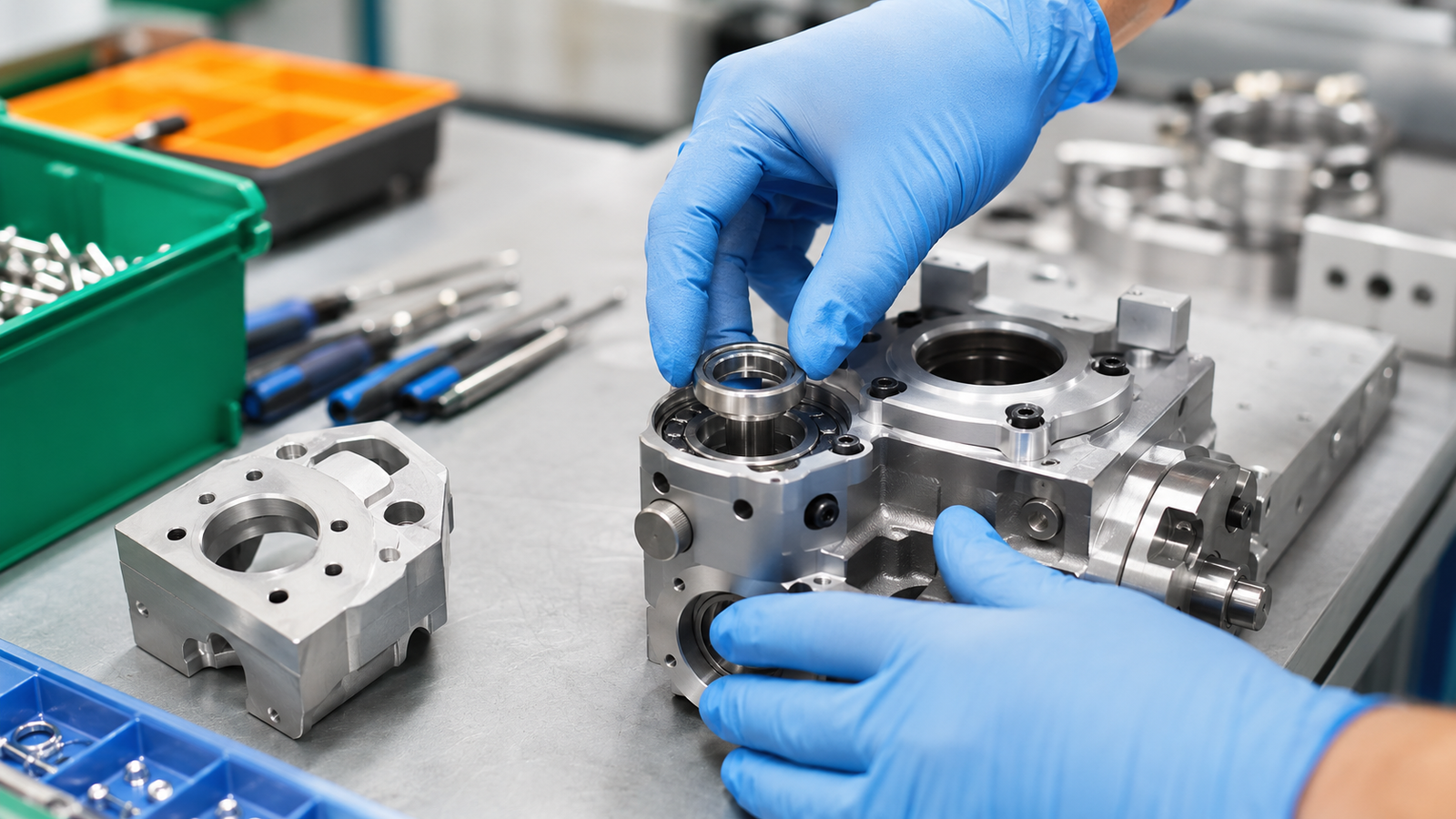
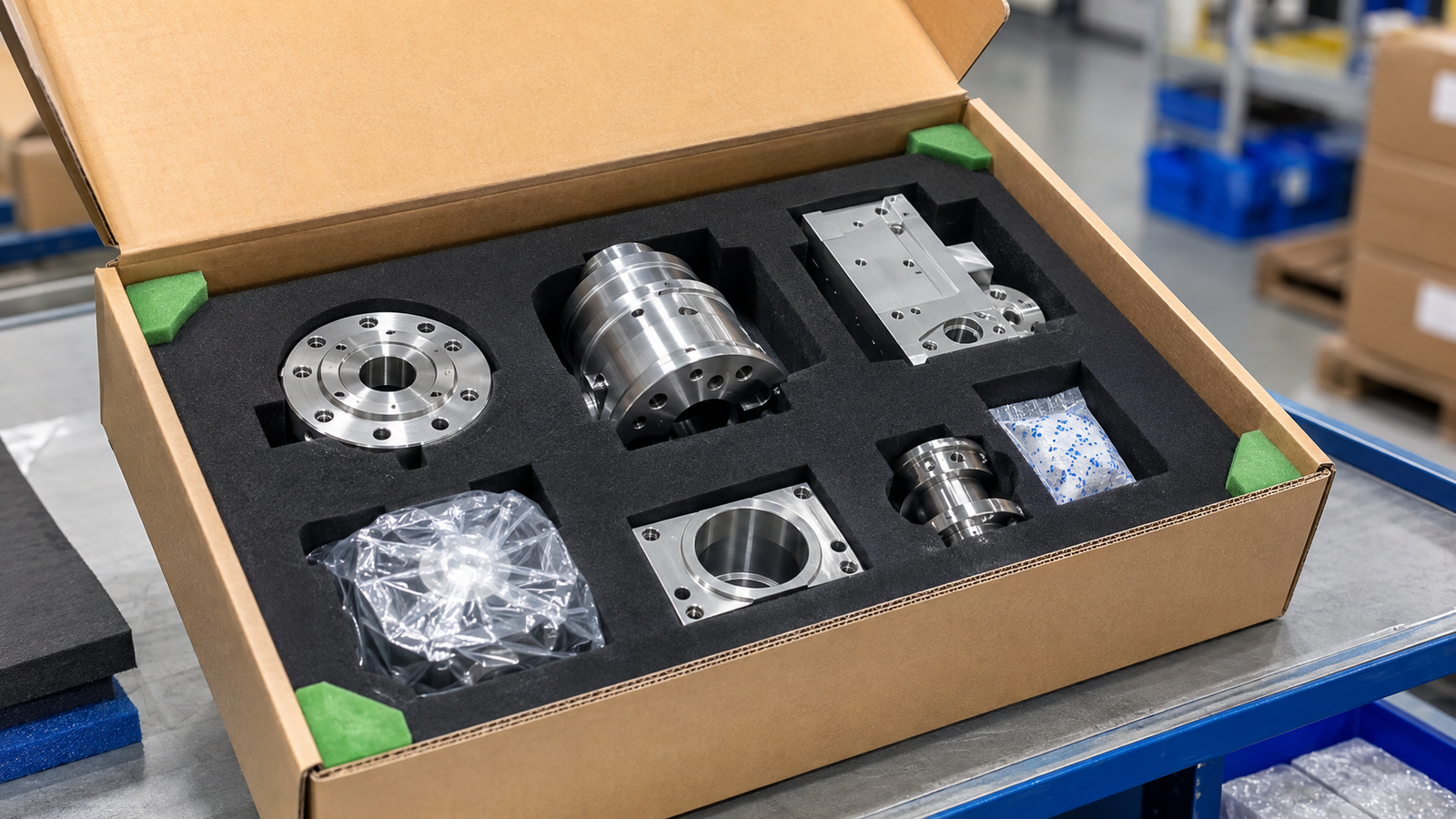
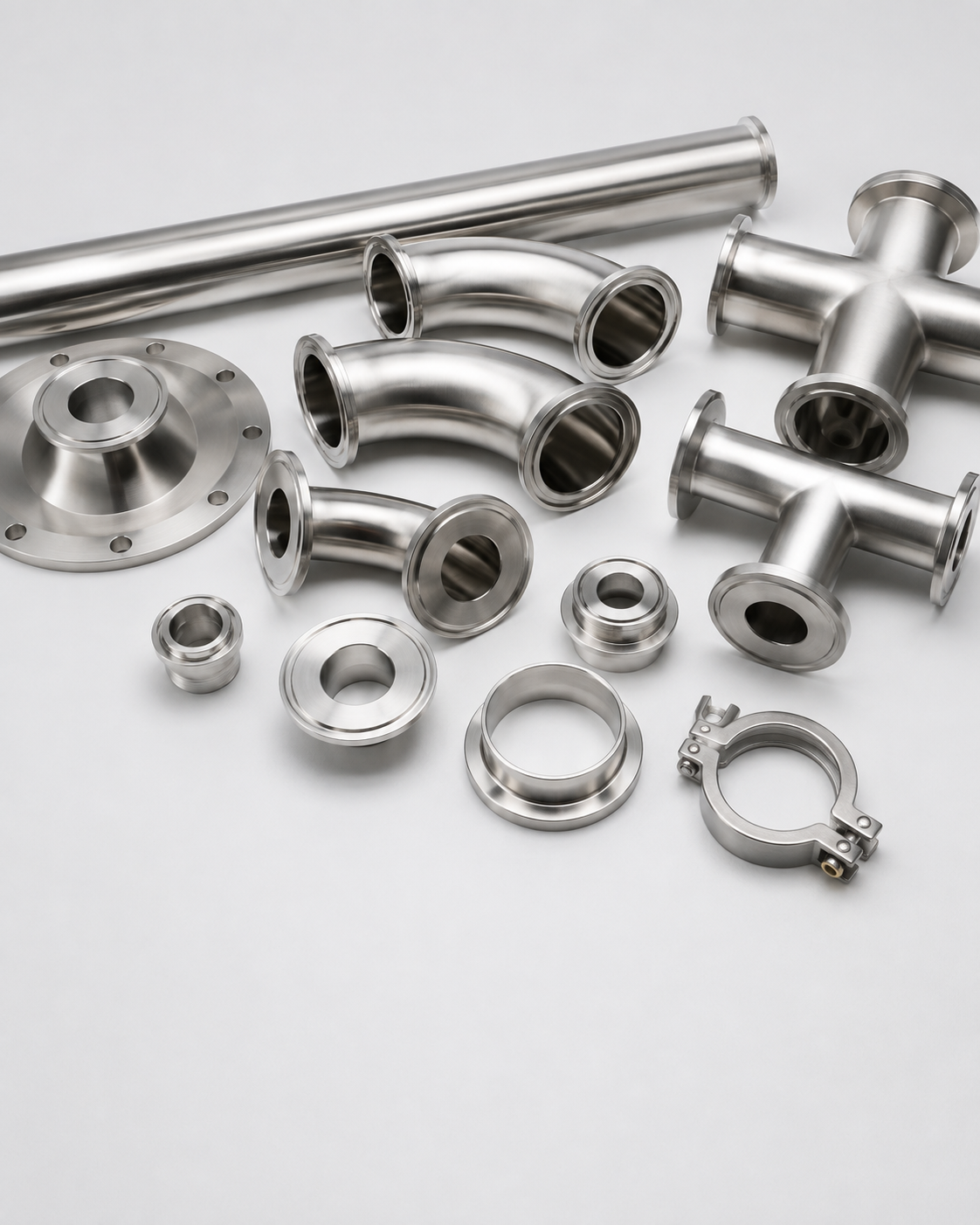

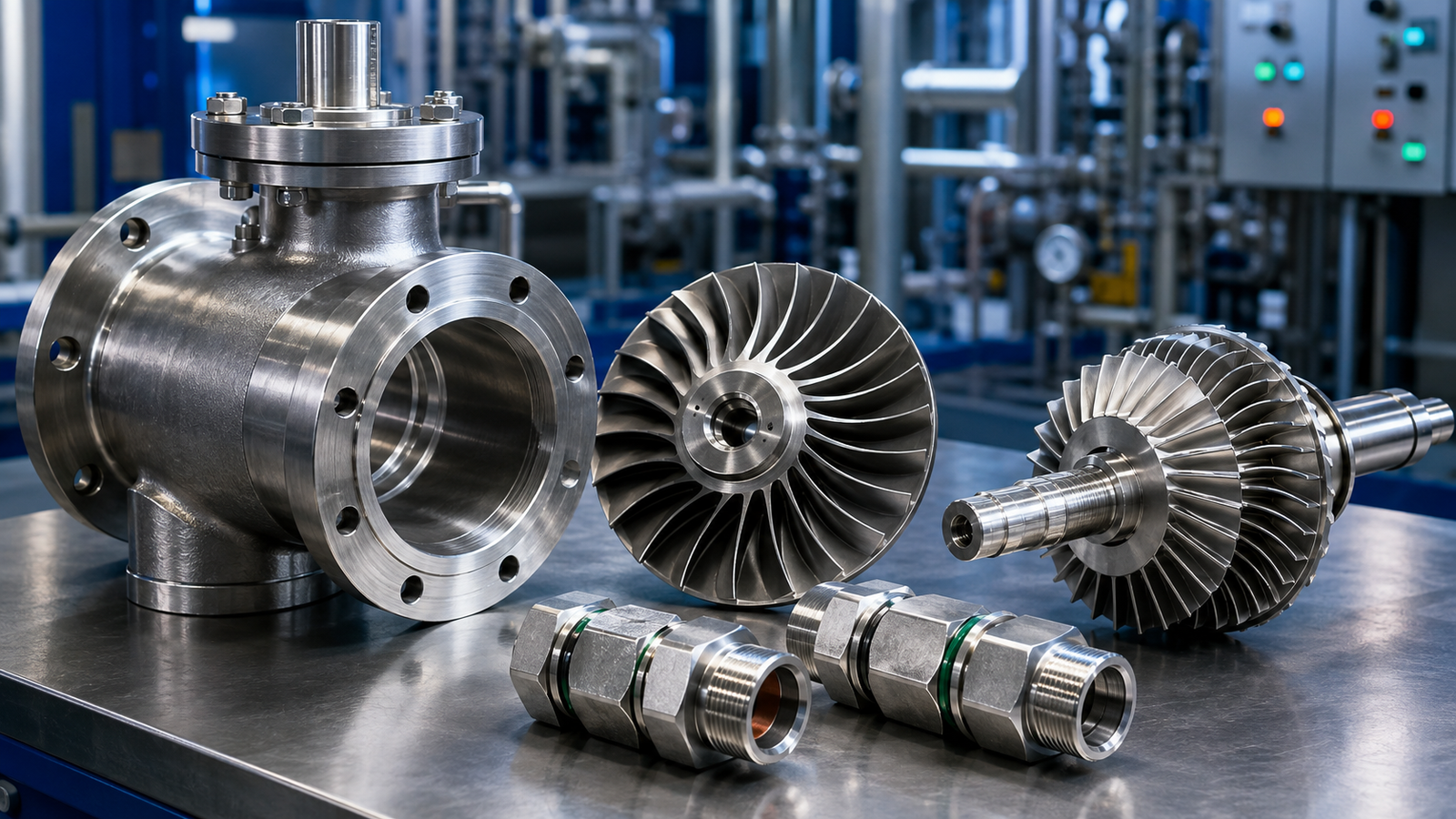
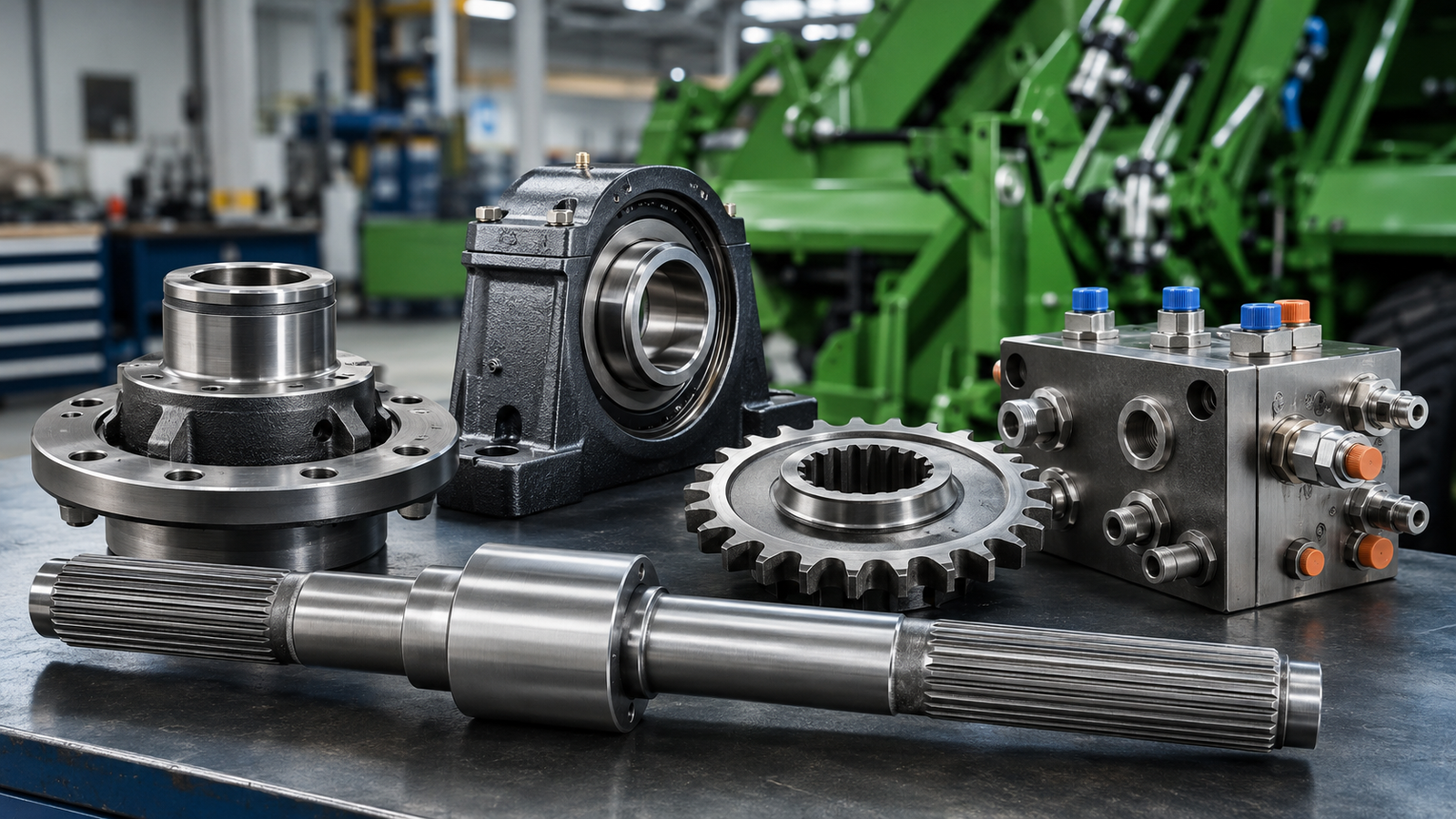



Sourcing one CNC machined component is usually straightforward. Managing a project with 15, 30, or even more custom part numbers is a different challenge.
A single mechanical assembly may require aluminum mounting plates, stainless steel shafts, steel brackets, precision bushings, threaded components, surface finishing, dimensional inspection, and final assembly. Each part can have its own drawing revision, quantity, tolerance, and delivery requirement.
For international buyers, working with several independent suppliers can create additional communication, scheduling, and quality-control responsibilities.
One-stop CNC machining in Vietnam provides a practical approach for projects that need multiple manufacturing activities coordinated through a primary supplier.
OSM Vietnam operates as a custom CNC machining workshop. Our approach focuses on technical communication, CNC milling and turning, project-specific inspection, and coordination of related manufacturing services.
Rather than positioning ourselves as a large mass-production factory, we focus on custom mechanical projects where flexibility, engineering discussion, and manufacturing coordination are important.
This guide explains how one-stop CNC machining works, which projects benefit from it, and what buyers should prepare before requesting a quotation.
1. What Is One-Stop CNC Machining?
One-stop CNC machining is a manufacturing approach in which a primary supplier helps manage several related production processes within one project.
Depending on the agreed scope, these activities may include:
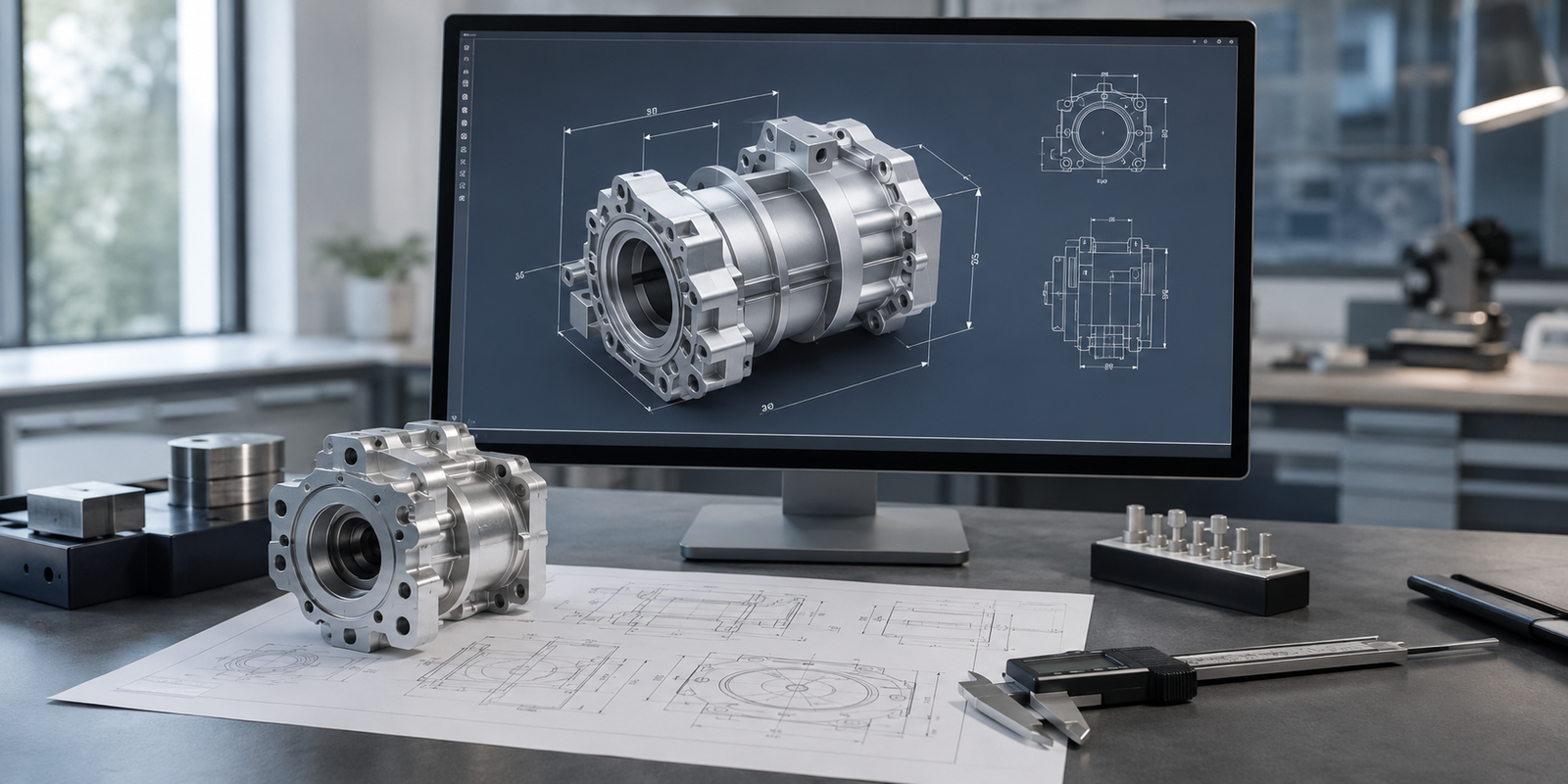
- Reviewing CAD models and engineering drawings.
- Design for Manufacturability (DFM) discussions.
- CNC milling.
- CNC turning.
- Material sourcing.
- Prototype manufacturing.
- Surface finishing coordination.
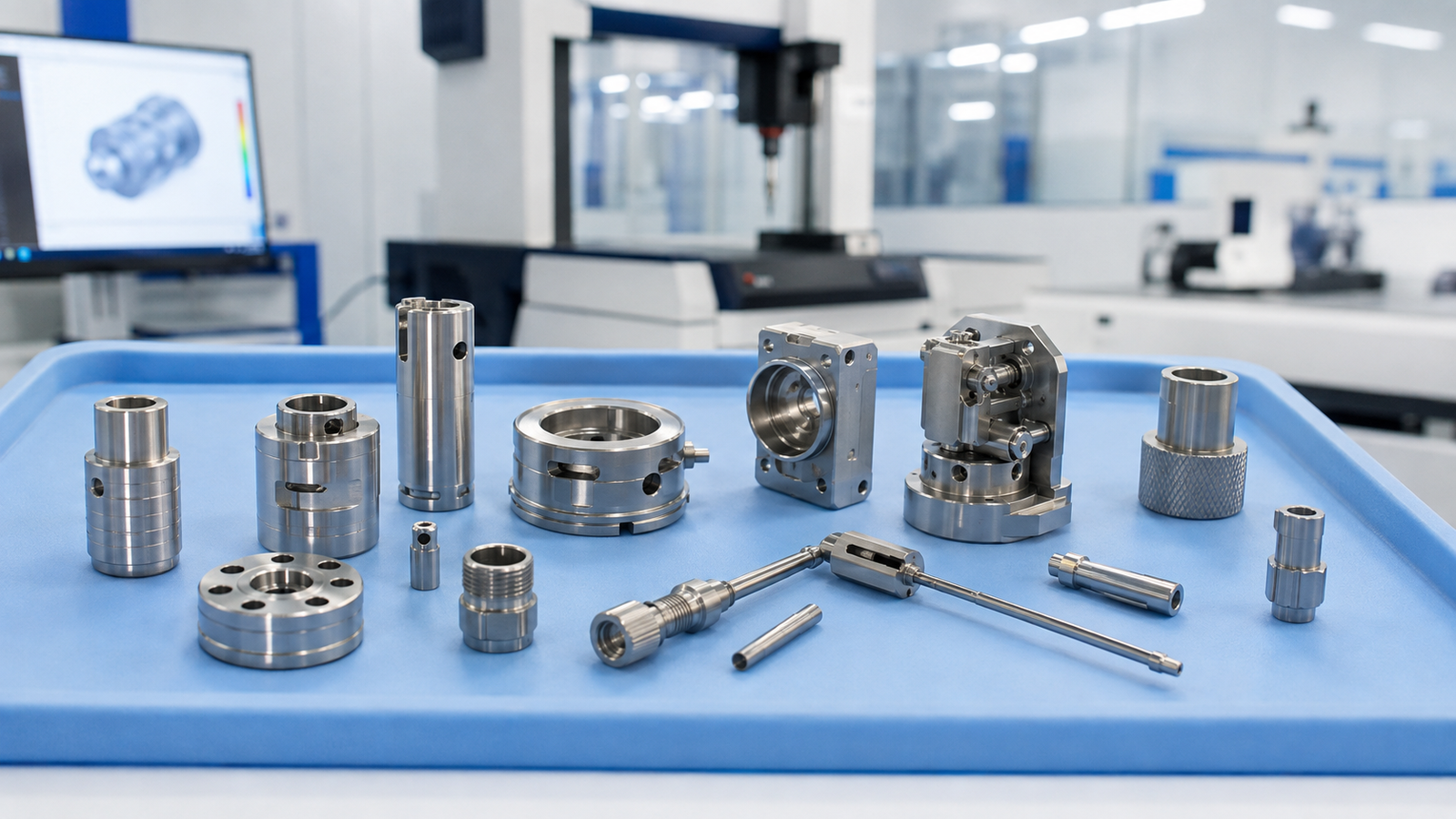
- Dimensional inspection.
- Mechanical assembly.
- Packaging and shipment preparation.
The main advantage is not simply the number of services listed.
It is the ability to organize manufacturing requirements, responsibilities, and communication around a defined project.
Does One-Stop Mean Every Process Is Performed In-House?
Not necessarily.
A CNC workshop may perform its core machining operations directly while coordinating specialized services, such as certain surface treatments or heat treatment, with external partners.
What matters is that the customer understands which processes are included, how they are managed, and which party is responsible for the final deliverables.
Clear scope definition is essential for reliable project execution.
2. Why Multi-Part CNC Projects Are More Difficult to Manage
A single machined part may involve one material, one drawing, and one machining process.
A multi-part project can involve many combinations of requirements.
For example, a custom automation mechanism might contain:
- Aluminum base plates.
- Steel mounting brackets.
- Stainless steel shafts.
- Brass bushings.
- Locating pins.
- Threaded spacers.
- Engineering plastic components.
- Standard bearings and fasteners.
Some parts require milling, while others are more suitable for turning.
Certain components may need anodizing or plating. Others may require critical dimensional inspection before assembly.
If these activities are managed independently, the buyer may need to coordinate multiple purchase orders, supplier contacts, delivery dates, and drawing revisions.
A coordinated manufacturing arrangement can simplify these responsibilities.
The Importance of Part-Level Traceability
For each part number, the supplier should understand:
- Approved drawing revision.
- Material specification.
- Required quantity.
- Manufacturing process.
- Surface finishing requirement.
- Inspection criteria.
- Delivery status.
A structured Bill of Materials (BOM) helps keep this information organized.
3. Combining CNC Milling and CNC Turning
Many mechanical assemblies contain both prismatic and rotational components.
This makes a combination of milling and turning particularly useful.
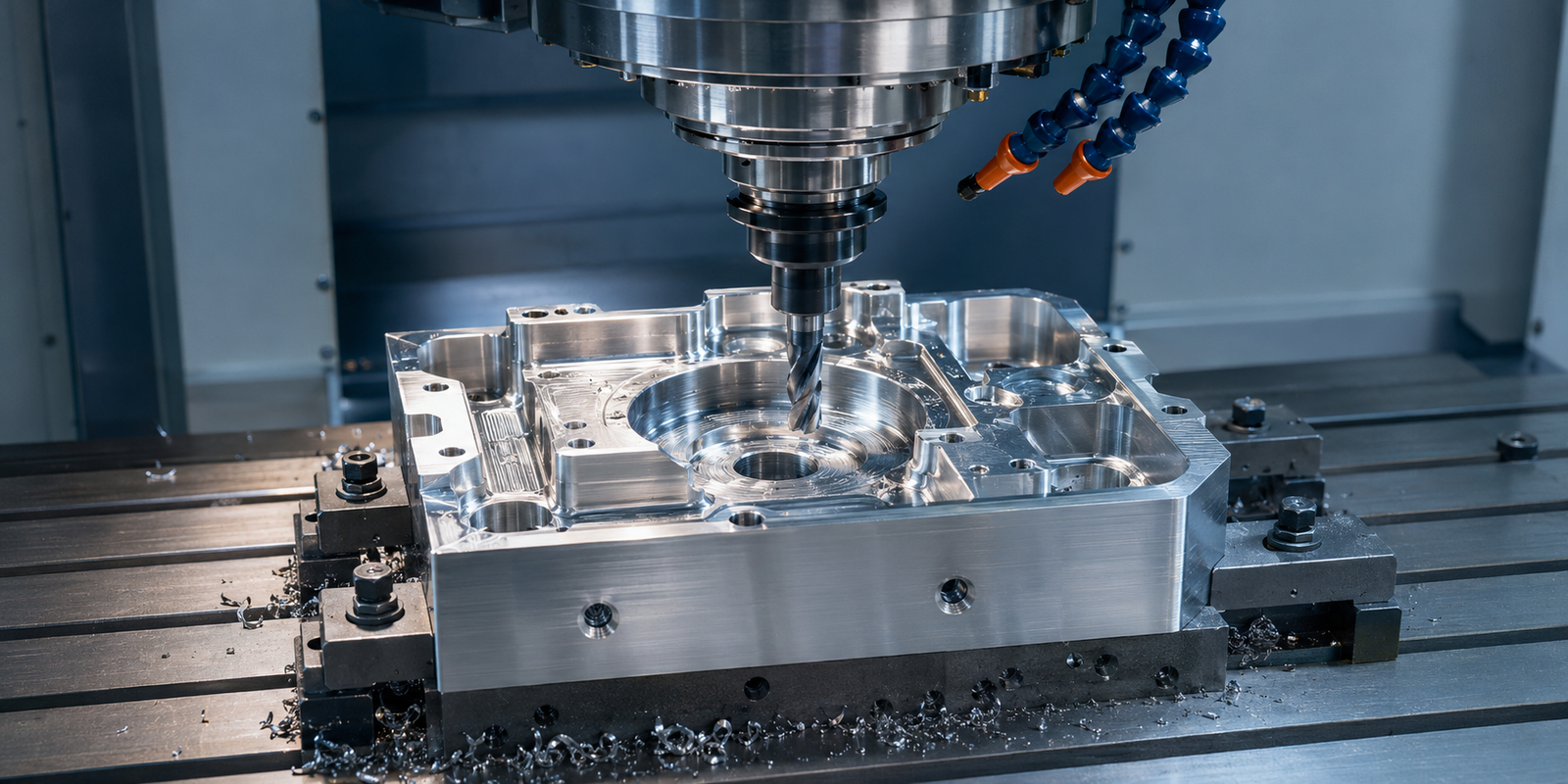
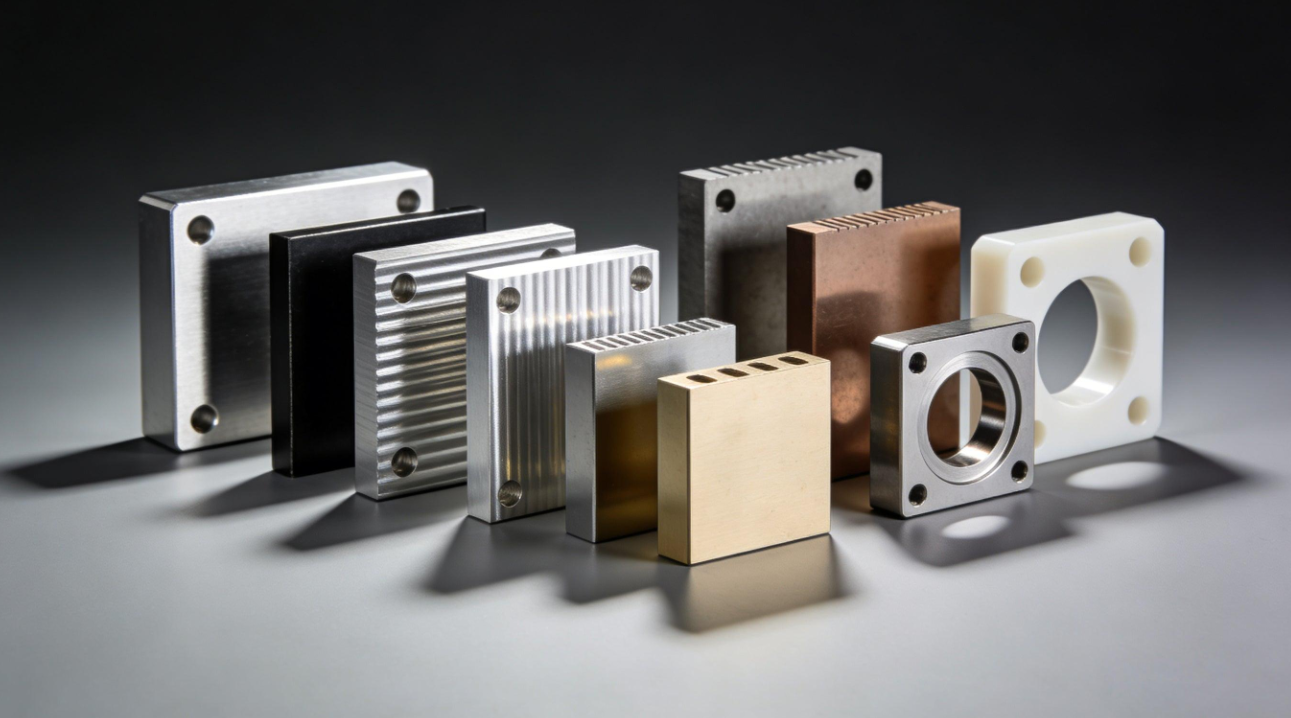
CNC Milling for Custom Mechanical Components
CNC milling is commonly used to produce parts with flat surfaces, pockets, slots, holes, and complex machined features.
Typical components include:
- Mounting plates.
- Machine brackets.
- Equipment housings.
- Fixtures.
- Structural supports.
- Aluminum blocks and custom bases.
The machining strategy depends on part geometry, material, tolerances, and available equipment.
For these requirements, explore OSM’s custom CNC milling services in Vietnam.
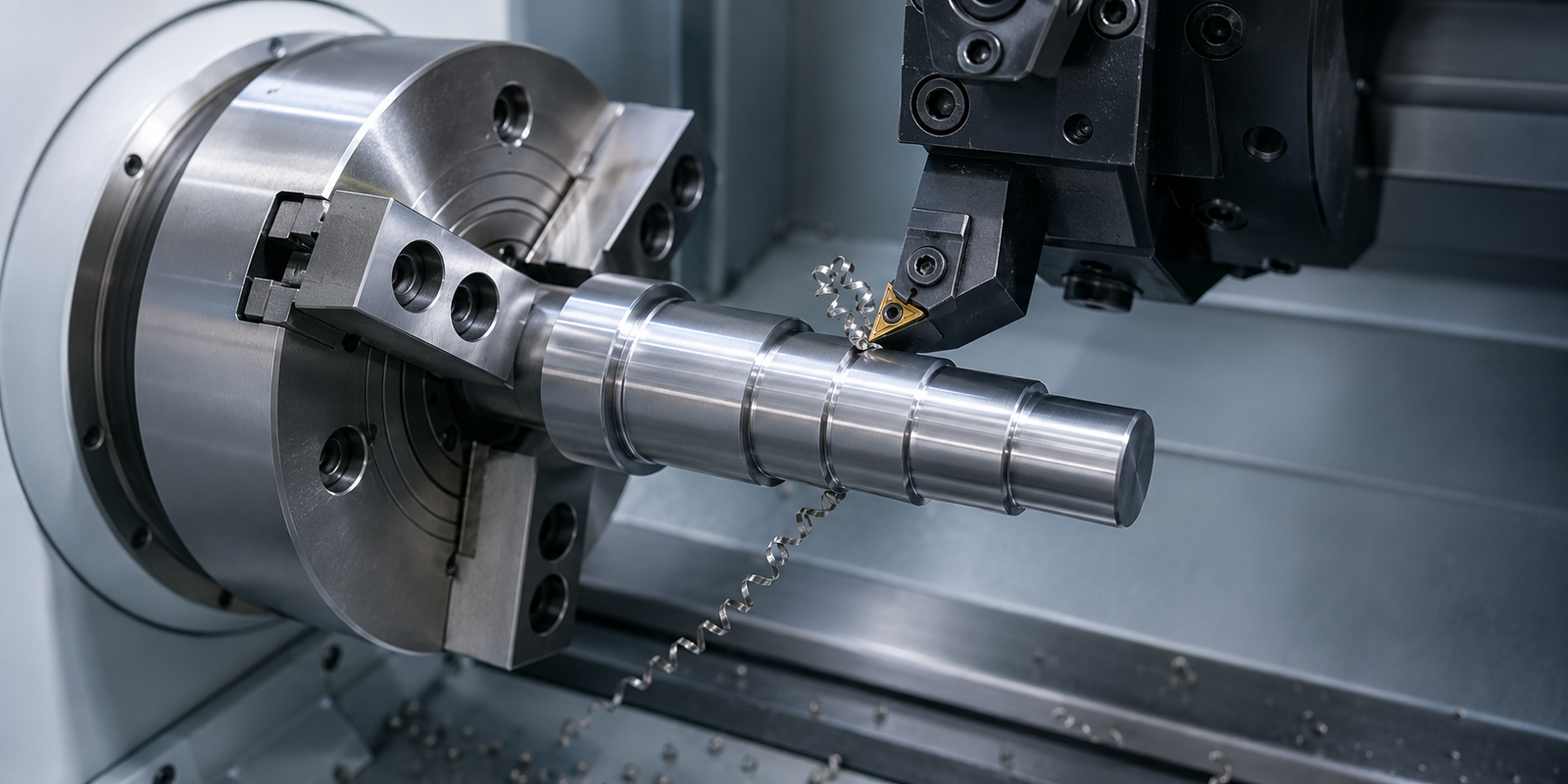
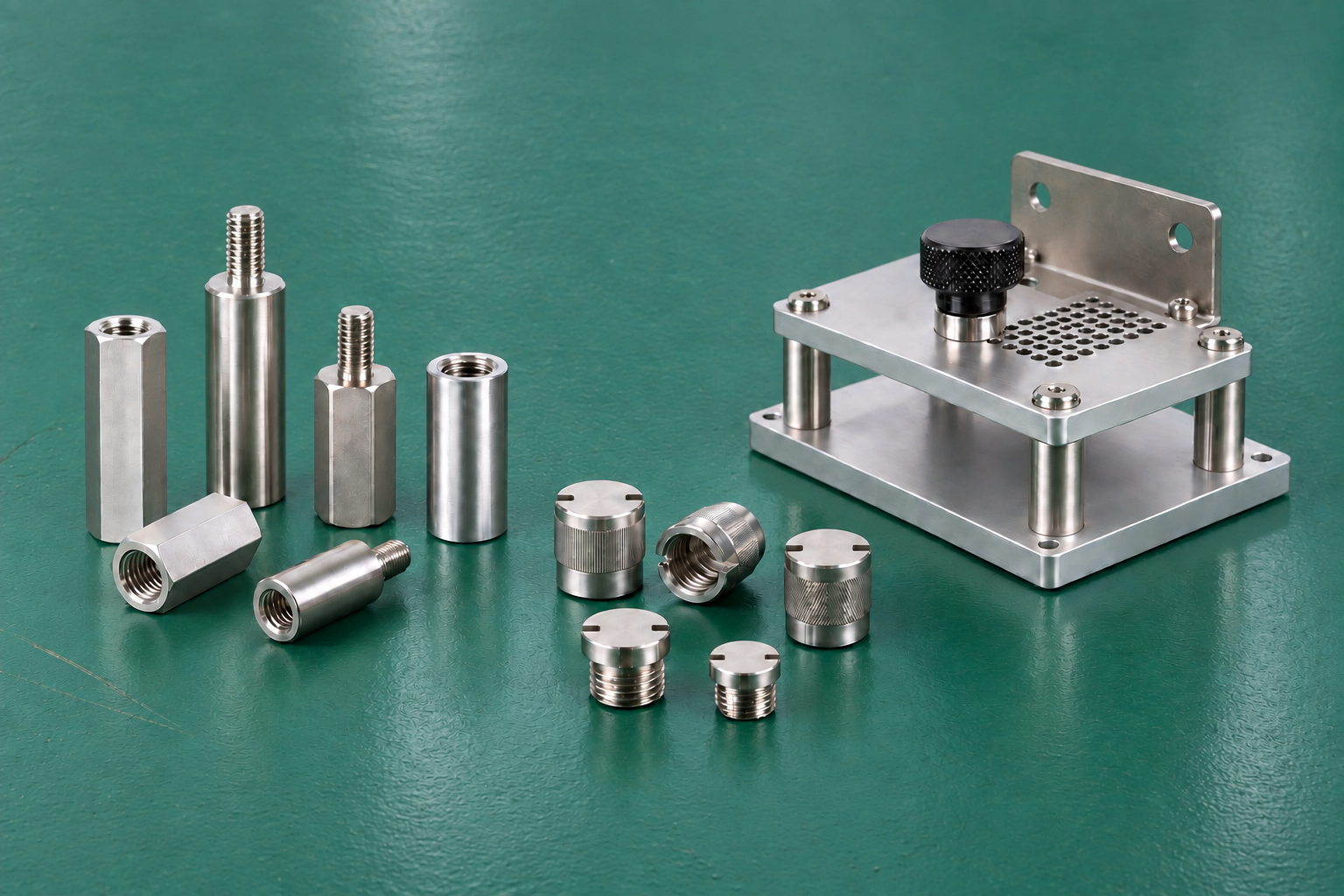
CNC Turning for Rotational Components
CNC turning is suitable for parts with rotational geometry, such as:
- Shafts.
- Pins.
- Bushings.
- Sleeves.
- Threaded components.
- Cylindrical spacers.
Critical features may include shaft diameters, bearing fits, concentricity requirements, and surface finish.
Learn more about CNC turning services in Vietnam.
Components Requiring Both Operations
Some parts combine turned surfaces with milled flats, slots, or cross-holes.
These components may require multiple setups or different machining processes.
Evaluating the complete manufacturing route before quotation helps clarify cost and lead-time expectations.
4. Engineering Support and DFM Before Production
A good machining project begins before the first tool enters the material.
Engineering review helps identify features that may affect manufacturability, cost, inspection, or assembly.
Common considerations include:
- Deep and narrow pockets.
- Small internal corner radii.
- Thin walls.
- Tool accessibility.
- Tight tolerances.
- Unusual thread specifications.
- Material selection.
- Surface treatment allowances.
Example: Internal Corner Radii
A pocket with a very small internal radius may require a small-diameter cutting tool.
If the pocket is also deep, tool rigidity and machining efficiency may become concerns.
Where the product function allows, a larger internal radius may make machining more practical.
Example: Functional Tolerances
A mounting plate may require accurate locating-hole positions but not the same tolerance on every external edge.
Applying tight tolerances only where needed can help reduce unnecessary manufacturing and inspection effort.
All design changes must be reviewed and approved by the customer.
For projects requiring additional CAD or drawing support, OSM provides custom mechanical design services.
5. Material Selection and Procurement
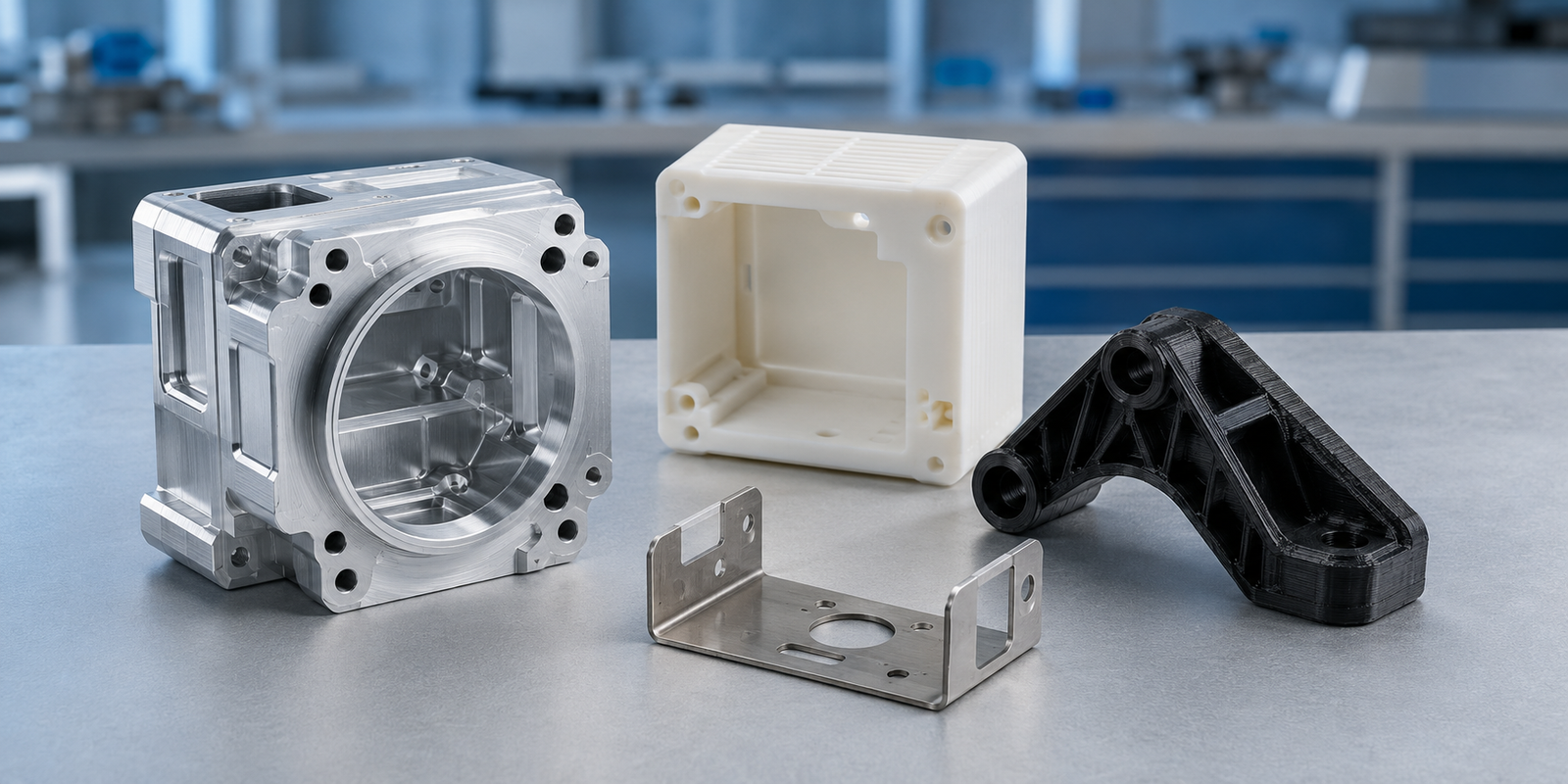
Multi-part CNC projects often involve several material types.
Common examples include:
- Aluminum alloys.
- Carbon steels.
- Alloy steels.
- Stainless steels.
- Brass and copper.
- Engineering plastics.
Material selection affects machining behavior, mechanical properties, surface treatment compatibility, and cost.
Specify Material Grades Clearly
A drawing that only states “aluminum” may not provide enough information for quotation.
Buyers should specify the required grade, applicable standard, and any additional conditions.
If equivalent materials are acceptable, the substitution rules should be defined.
Material Certificates
Some projects require material certificates or traceability documents.
These requirements should be included in the RFQ so that the supplier can confirm availability and cost.
No material substitution should be made without the required customer approval.
6. Managing Multiple Part Numbers and Drawing Revisions
Document control becomes increasingly important as the number of parts grows.
Consider a project with 24 custom part numbers.
Some components may be approved for production while others remain under design review.
Without a clear revision system, there is a risk of manufacturing an outdated version.
Recommended Project Information
A practical BOM or part list can include:
| Field | Purpose |
|---|---|
| Part Number | Unique component identification |
| Drawing Revision | Approved design version |
| Description | Component name |
| Material | Required grade |
| Quantity | Order quantity |
| Surface Finish | Secondary process requirement |
| Inspection Notes | Critical quality requirements |
Handling Engineering Changes
When a drawing changes, the supplier should confirm:
- Which revision is approved.
- Whether production has already started.
- Whether tooling or programming must change.
- Whether the price or schedule is affected.
Clear change management helps protect both the customer and the manufacturing supplier.
7. Surface Finishing as Part of the Manufacturing Plan
Many custom mechanical parts require finishing after machining.
Examples include:
- Aluminum anodizing.
- Zinc plating.
- Nickel plating.
- Heat treatment.
- Polishing.
- Other customer-specified processes.
Finishing is not simply a cosmetic step.
Depending on the application, it may influence corrosion resistance, wear behavior, appearance, or dimensional fit.
Consider Coating Thickness
A plated component may have different final dimensions from its machined condition.
This is especially important for close-fitting surfaces and threaded features.
Coordinate the Process Sequence
A component may require machining, deburring, inspection, surface finishing, and final verification.
The correct sequence should be determined based on the drawing and process requirements.
Specialized finishing operations may be coordinated with external providers according to the project scope.
8. Quality Inspection for Multi-Part Projects
Quality control for a multi-part order should consider both individual components and their relationship within the final assembly.
Inspection activities may include:
- Material identification.
- In-process dimensional checks.
- Final dimensional inspection.
- Thread verification.
- Visual inspection.
- Surface finish verification.
- Assembly fit checks.
- Project-specific inspection reports.
Identify Critical Characteristics
Not every dimension has the same functional importance.
Examples of critical characteristics may include:
- Bearing seats.
- Shaft diameters.
- Locating-hole positions.
- Mating surfaces.
- Sealing surfaces.
- Features controlling mechanical movement.
These requirements should be clearly indicated on technical drawings.
First Article Inspection
For new products, First Article Inspection (FAI) can help verify that the first manufactured item meets the agreed drawing requirements.
The extent of FAI and any required reporting should be specified before production.
Inspection Documentation
Customers may request dimensional reports, material certificates, or other quality records.
The exact documentation package should be defined during quotation rather than assumed to be included automatically.
9. Mechanical Assembly and Functional Verification
Some projects require more than a set of machined parts.
The customer may need a complete mechanical assembly.
Examples include:
- Clamping mechanisms.
- Sliding assemblies.
- Adjustable fixtures.
- Shaft-and-bearing assemblies.
- Custom equipment subassemblies.
These products may combine CNC machined components with purchased items such as springs, bearings, pins, and fasteners.
What Should the Assembly Scope Include?
Buyers should provide:
- Assembly drawings.
- BOM.
- Purchased component specifications.
- Assembly instructions where necessary.
- Functional acceptance criteria.
Testing may involve movement, alignment, travel, locking, or other agreed functions.
The scope of assembly and testing should be confirmed before quotation.
OSM offers custom mechanical assembly services in Vietnam for projects requiring coordinated assembly activities.
10. Prototype Development Before Batch Manufacturing
For a new mechanical design, prototype production is often an important step.
A typical development sequence may involve:
- Reviewing the CAD files and drawings.
- Manufacturing prototype components.
- Checking dimensions.
- Evaluating fit and function.
- Revising the design if necessary.
- Approving the final revision.
- Proceeding with the required production quantity.
This process helps identify design or assembly issues before repeating them across a larger batch.
Prototypes and Production Parts Have Different Objectives
A prototype may be intended to verify geometry or mechanism function.
A production part may also need consistent inspection criteria, finishing requirements, and repeatability.
The buyer should clarify whether the prototype must use final production materials and processes.
Explore OSM’s rapid prototyping services for custom product development.
11. Coordinating Production Lead Times
A multi-part order may include components with different manufacturing routes.
For example:
- Aluminum plates may require milling and anodizing.
- Steel shafts may require turning and heat treatment.
- Standard bearings may have separate procurement lead times.
- Assembly may begin only after all necessary components are available.
The overall project schedule therefore depends on more than machining time.
Critical Path Planning
A delayed component can affect assembly even if the remaining parts are finished.
Identifying long-lead materials and secondary processes early helps establish a realistic delivery plan.
Partial Deliveries
In some projects, customers may benefit from receiving selected components earlier for testing.
Partial shipments should be agreed in advance because they can affect packaging, shipping costs, and project administration.
12. Packaging and International Delivery
Packaging is particularly important when an order contains many different part numbers.
Components may need protection against:
- Scratches.
- Corrosion.
- Impact damage.
- Contamination.
- Damage to precision surfaces.
A practical packaging plan may include:
- Labels showing part numbers.
- Quantity identification.
- Separation of different components.
- Protective materials.
- Packing lists.
- Shipment documentation.
For international orders, the buyer and supplier should agree on the shipping destination and applicable Incoterms.
OSM provides custom packaging services for project-specific requirements.
13. When Does One-Stop CNC Machining Offer the Most Value?
One-stop manufacturing can be particularly useful for projects involving:
- Multiple custom part numbers.
- Both CNC milling and turning.
- Different material grades.
- Surface finishing.
- Quality documentation.
- Mechanical assembly.
- International shipment.
- Prototype-to-production development.
Consider a USD 5,000–20,000 project involving several custom components rather than thousands of identical parts.
For this type of order, engineering communication, revision control, and coordination can be as important as the unit price.
However, one-stop manufacturing is not always necessary.
For a simple single-part order, a specialized machining supplier may be sufficient.
The value of a coordinated approach generally increases with project complexity.
14. How to Prepare an RFQ for a One-Stop CNC Project
To obtain a useful quotation, buyers should provide a complete project package.
Technical Documents
Include:
- 2D drawings in PDF format.
- 3D models in STEP format.
- Assembly drawings where applicable.
- BOM or part list.
Manufacturing Requirements
Specify:
- Material grades.
- Quantities.
- Critical tolerances.
- Surface finish requirements.
- Heat treatment or coating.
- Inspection documentation.
Project Requirements
Clarify:
- Whether assembly is required.
- Functional testing expectations.
- Packaging instructions.
- Target delivery date.
- Shipping destination.
- Applicable delivery terms.
A structured RFQ helps the supplier identify missing information before preparing a quotation.
15. Why Work With OSM Vietnam?
OSM Vietnam is a custom CNC machining workshop focused on mechanical components and practical engineering communication.
Our approach is intended for buyers who need flexible production and support coordinating related manufacturing activities.
Depending on the project, OSM can discuss a scope involving:
- CNC milling.
- CNC turning.
- Prototype machining.
- Engineering and DFM review.
- Material procurement.
- Surface finishing coordination.
- Dimensional inspection.
- Mechanical assembly.
- Packaging.
We do not present OSM as a large mass-production factory.
Instead, we focus on custom work where understanding drawings, managing multiple part numbers, and coordinating manufacturing activities are important.
For small-to-medium project orders, this workshop-based approach can provide a practical alternative to managing several separate suppliers.
16. Request a Quote for Your Multi-Part CNC Project
If your company is looking for one-stop CNC machining in Vietnam, OSM welcomes inquiries for custom mechanical parts and multi-part projects.
Please prepare your drawings, STEP models, BOM, material requirements, quantities, inspection expectations, and delivery information.
We can review the project and discuss a suitable manufacturing scope.
Contact OSM Vietnam to request a quotation for your custom CNC machining project.
Website: OSM Vietnam
Frequently Asked Questions
What is one-stop CNC machining?
It is a manufacturing approach in which one primary supplier coordinates several related processes, such as CNC milling, turning, finishing, inspection, and assembly.
Does one-stop machining mean all operations are performed in-house?
No. Some specialized operations may be coordinated with external partners. The agreed scope and responsibilities should be clear.
Is one-stop CNC machining suitable for small batches?
Yes. It can be useful for low-volume projects containing multiple part numbers and different manufacturing processes.
Can milling and turning be included in the same project?
Yes, depending on the supplier’s capabilities and the requirements of the parts.
Can OSM support prototype and assembly projects?
OSM reviews prototype and mechanical assembly requirements according to the technical documents and agreed project scope.
What information is needed for a quotation?
Buyers should provide PDF drawings, STEP models, a BOM, materials, quantities, tolerances, finishing requirements, inspection needs, and delivery details.
Is OSM Vietnam a large manufacturing factory?
No. OSM operates as a custom CNC machining workshop focused on flexible manufacturing and engineering communication.