
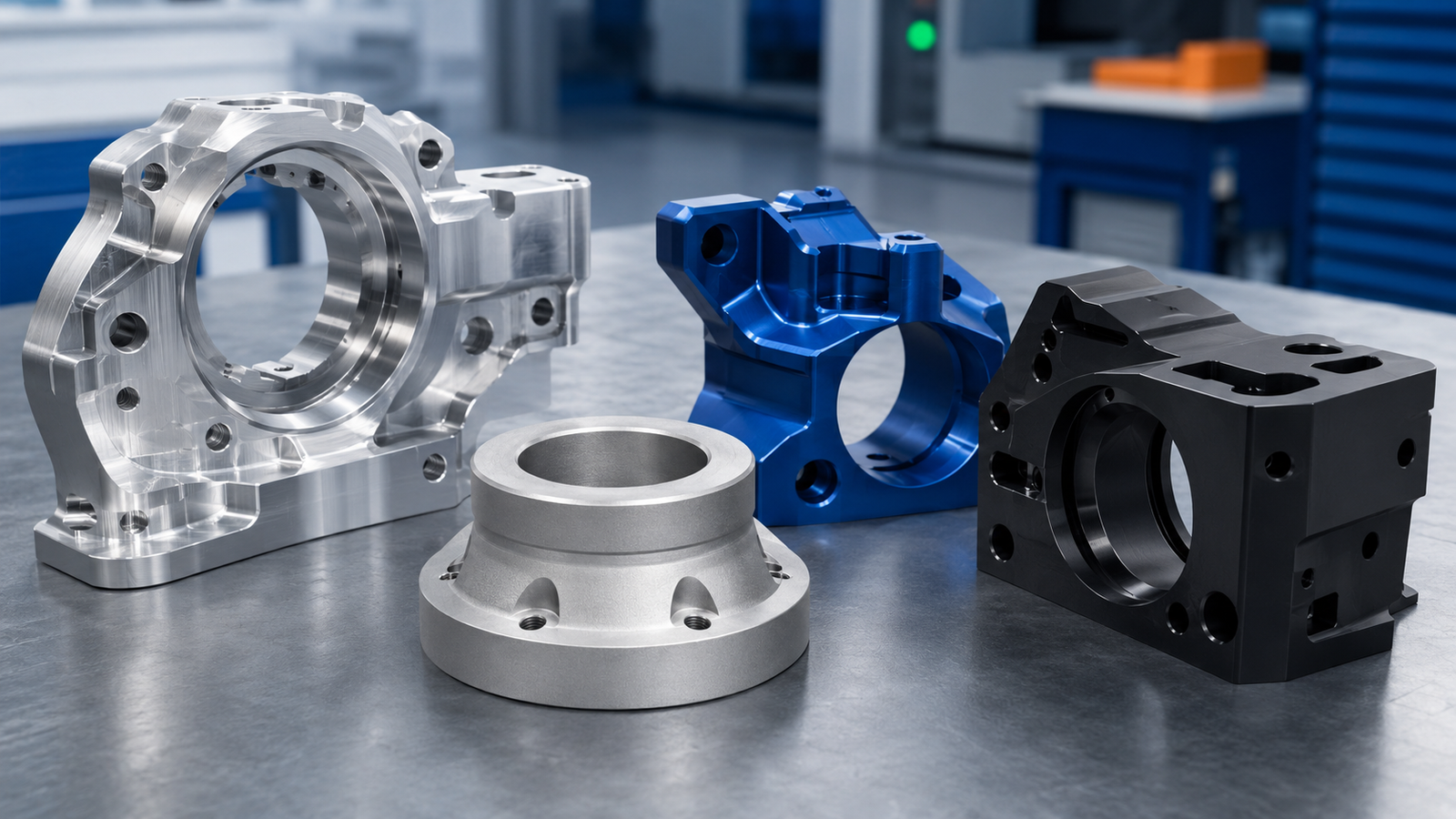




Not every manufacturing project requires thousands of identical components. Many engineering companies, equipment manufacturers, and product developers need smaller quantities of custom parts manufactured accurately and delivered according to a defined project schedule.
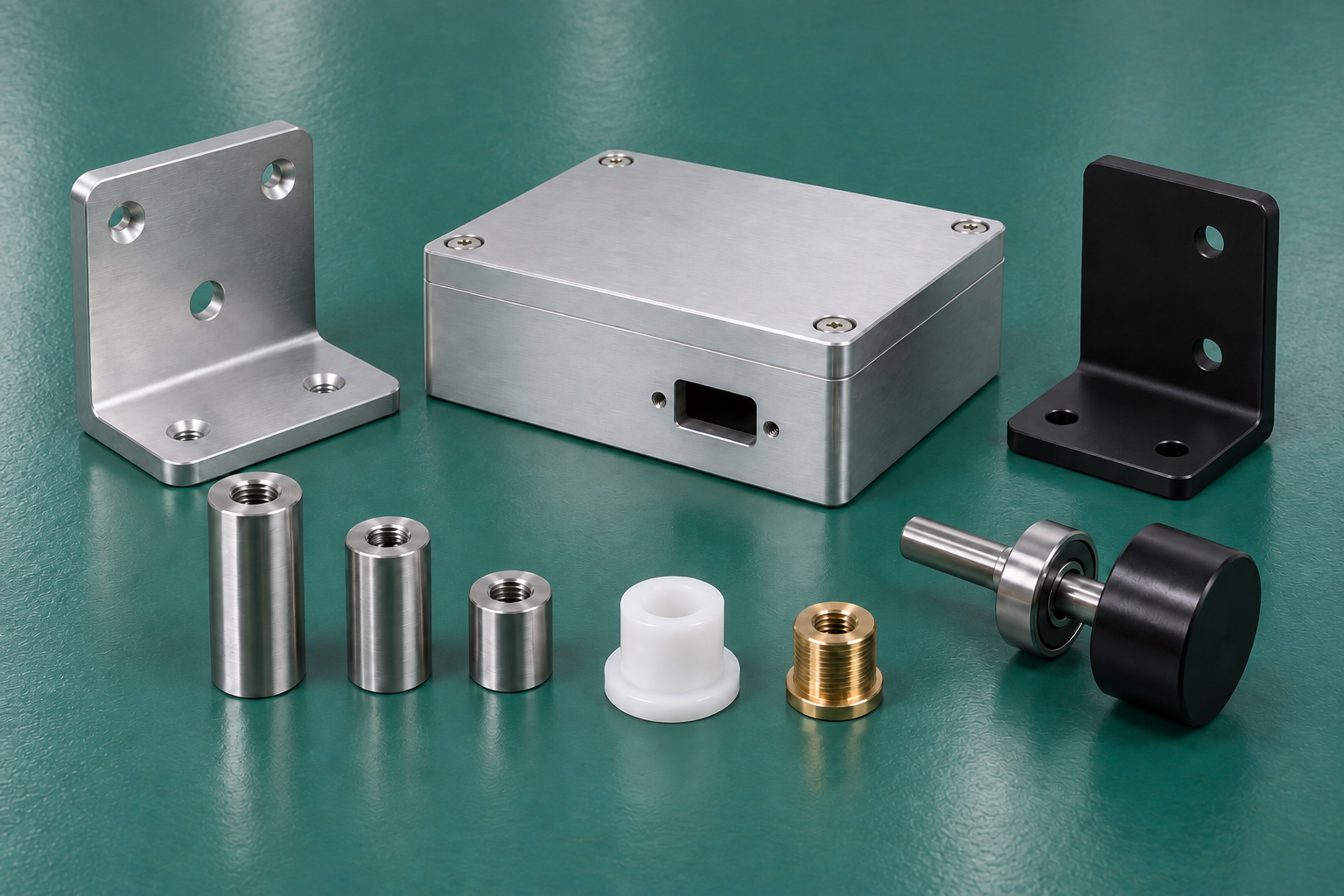
An automation equipment builder may require 20 aluminum mounting plates, 15 stainless steel shafts, 30 precision bushings, and several custom brackets. Another company may need 50 replacement components for specialized machinery or a small production batch following successful prototype testing.
These projects require a different manufacturing approach from high-volume mass production.
Low-volume CNC machining in Vietnam can be a practical solution for international buyers who need custom mechanical parts, flexible order quantities, engineering communication, and reliable coordination.
OSM Vietnam operates as a custom CNC machining workshop, focusing on CNC milling, turning, technical review, and related manufacturing support for project-based orders.
In this guide, we explain how low-volume CNC machining works, what affects its cost, and how to prepare a successful small-batch manufacturing project.
1. What Is Low-Volume CNC Machining?
Low-volume CNC machining refers to the production of relatively small quantities of machined parts using computer-controlled manufacturing equipment.
Unlike high-volume production, where the same part may be manufactured in large quantities over an extended period, low-volume production often involves smaller batches, different part numbers, and more frequent engineering changes.
There is no universal quantity threshold that defines low-volume CNC machining.
Depending on part complexity and the supplier’s production model, a low-volume project might involve a few components, several dozen units, or hundreds of parts.
The key characteristic is that the manufacturing process must remain practical even when the production quantity is limited.
Common Low-Volume CNC Applications
Typical applications include:
- Custom automation equipment.
- Mechanical prototypes and pilot production.
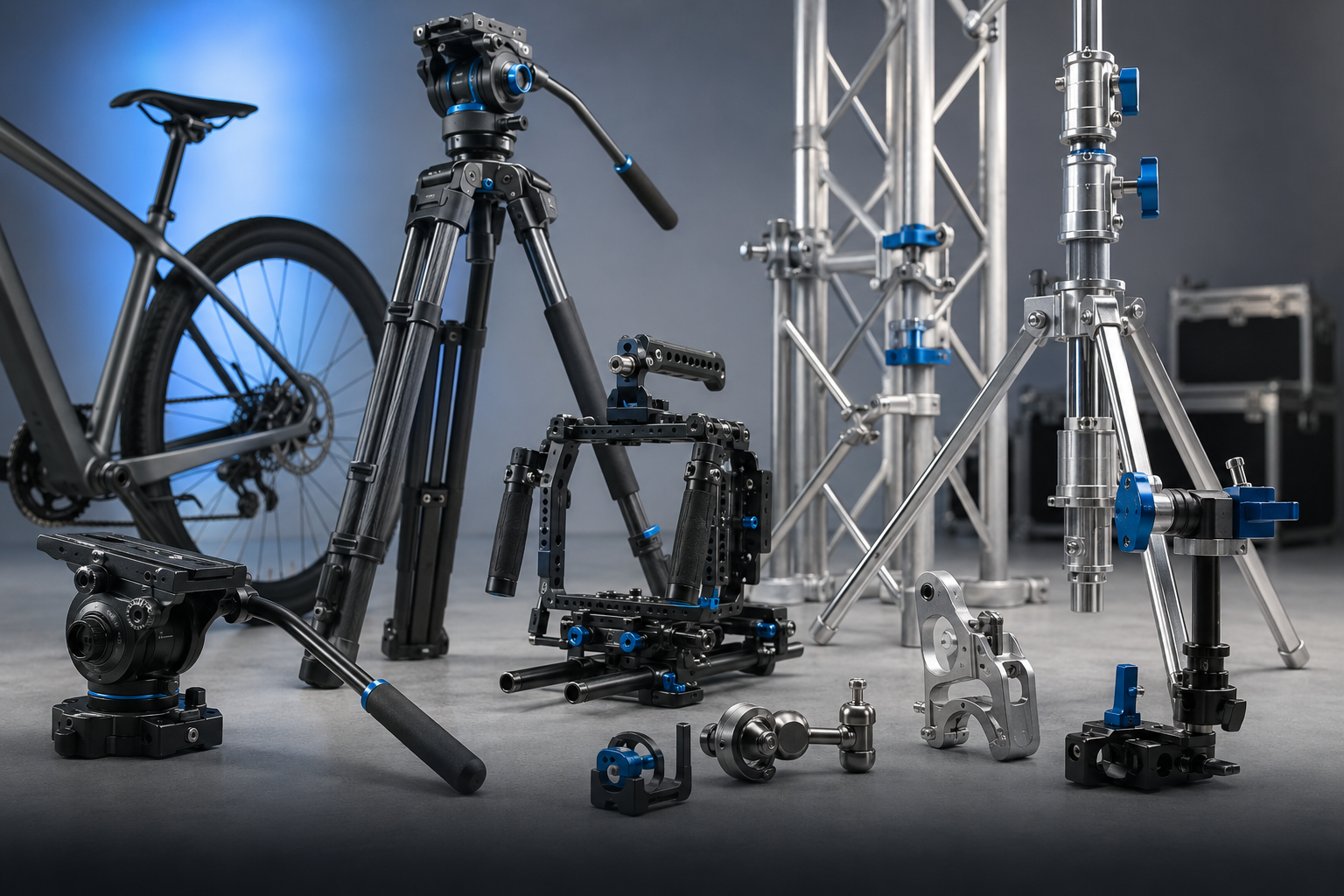
- Machine components.
- Fixtures and tooling.
- Replacement parts.
- Specialized industrial equipment.
- Product development projects.
- Multi-part mechanical assemblies.
For many of these applications, engineering flexibility and project communication matter as much as production speed.
2. Low-Volume Manufacturing vs. Mass Production
Low-volume manufacturing and mass production have different priorities.
Mass production generally emphasizes repeatability, dedicated processes, and efficiency over large quantities.
Low-volume manufacturing often requires flexibility across different products and relatively frequent setups.
| Factor | Low-Volume CNC Machining | Mass Production |
|---|---|---|
| Order quantity | Small or moderate | Usually large |
| Part variety | Often high | Often lower |
| Engineering changes | More common | Usually more controlled |
| Machine setups | Frequent | Spread over larger quantities |
| Tooling strategy | Flexible | May use dedicated tooling |
| Main priority | Flexibility and project fit | High-volume efficiency |
Neither approach is automatically better.
The correct choice depends on product requirements, order quantity, expected repeat business, and total project cost.
Why Workshop-Based Production Can Be Useful
A workshop focused on custom CNC machining may be well suited to projects that require different parts, smaller quantities, and direct technical communication.
However, customers should still evaluate the supplier’s actual equipment, inspection capability, available capacity, and manufacturing experience.
A smaller workshop should not be assumed to offer unlimited flexibility or every specialized process.
3. Why International Buyers Source Small-Batch CNC Parts From Vietnam
Vietnam is one of the sourcing locations considered by international companies looking for custom mechanical components.
For small-batch projects, buyers may be interested in combining competitive manufacturing costs with direct engineering communication and coordinated services.
Potential advantages include:
- Access to custom machining suppliers.
- Options for project-based manufacturing.
- CNC milling and turning services.
- Support for prototypes and repeat orders.
- Opportunities to coordinate secondary processes.
- Sourcing diversification.
However, country selection alone does not guarantee quality, low cost, or short delivery times.
Buyers should assess each supplier according to the technical requirements of their parts and the commercial conditions of the project.
Look Beyond the Hourly Machine Rate
A low hourly machining rate does not necessarily result in the lowest total cost.
Setup, programming, inspection, surface finishing, packaging, and logistics may all affect the final quotation.
The most useful comparison is between quotations covering the same technical and delivery requirements.
4. CNC Milling for Small Production Batches
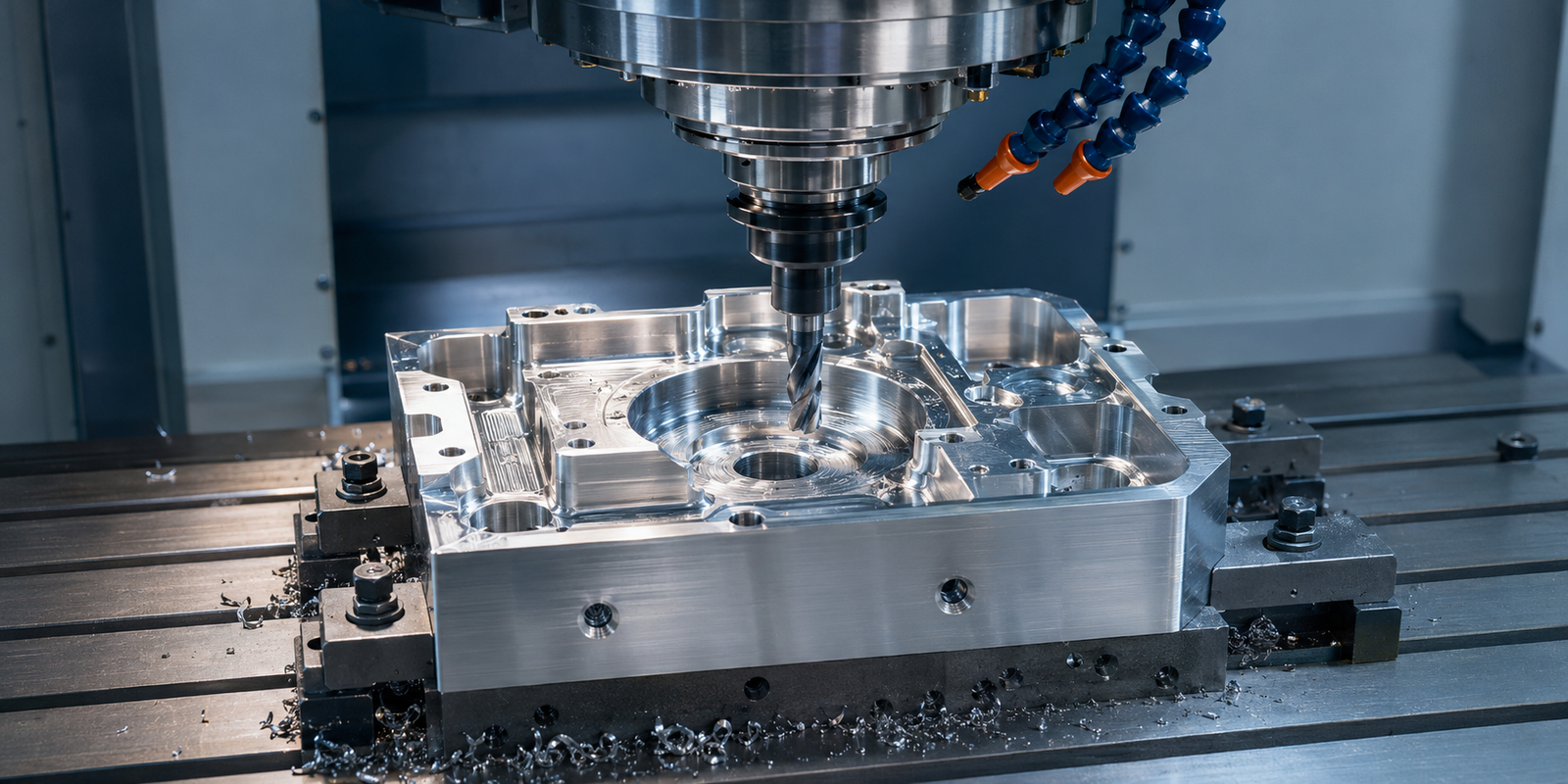
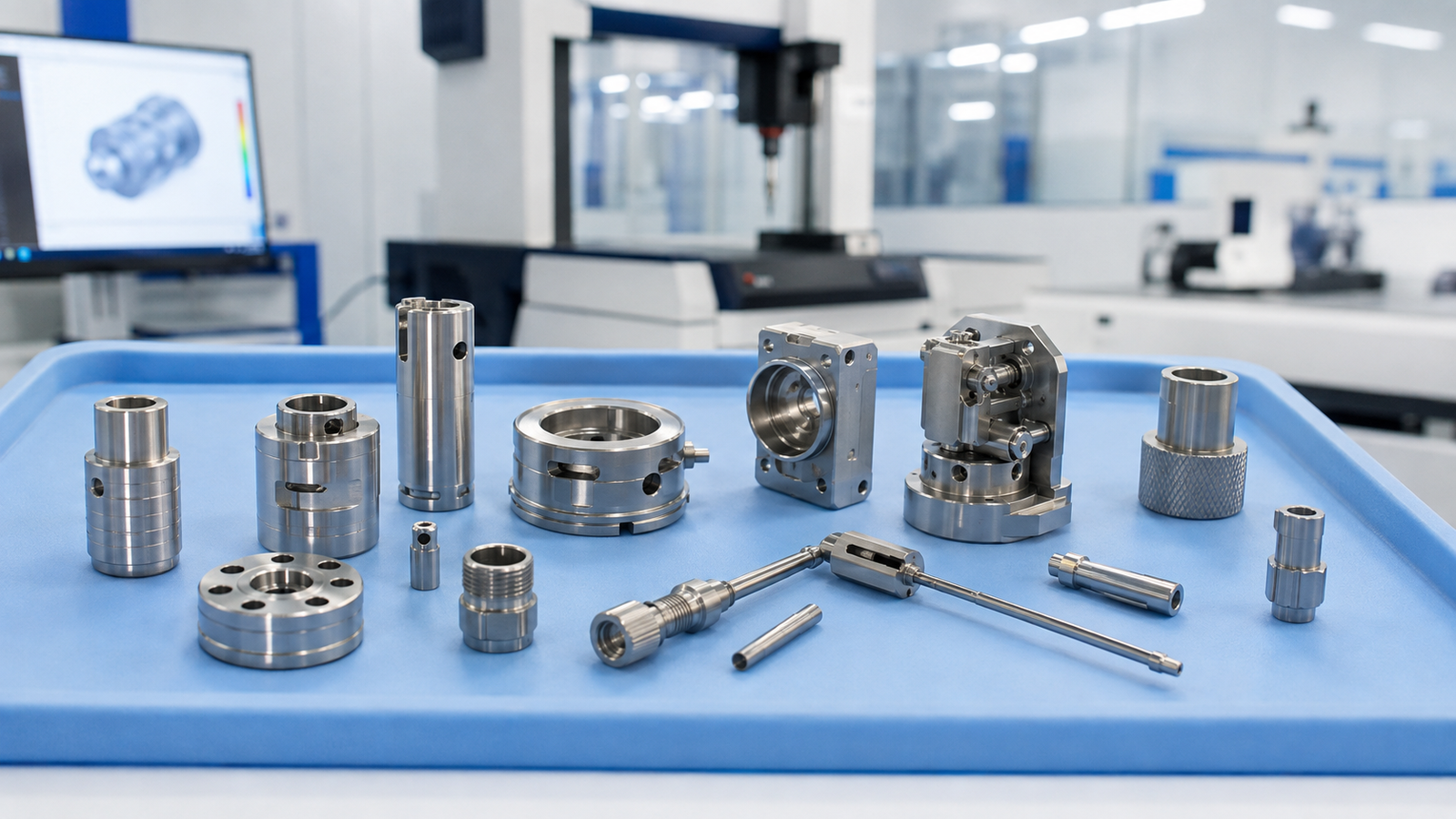
CNC milling is widely used for components containing flat surfaces, pockets, slots, holes, and machined profiles.
Common low-volume milled parts include:
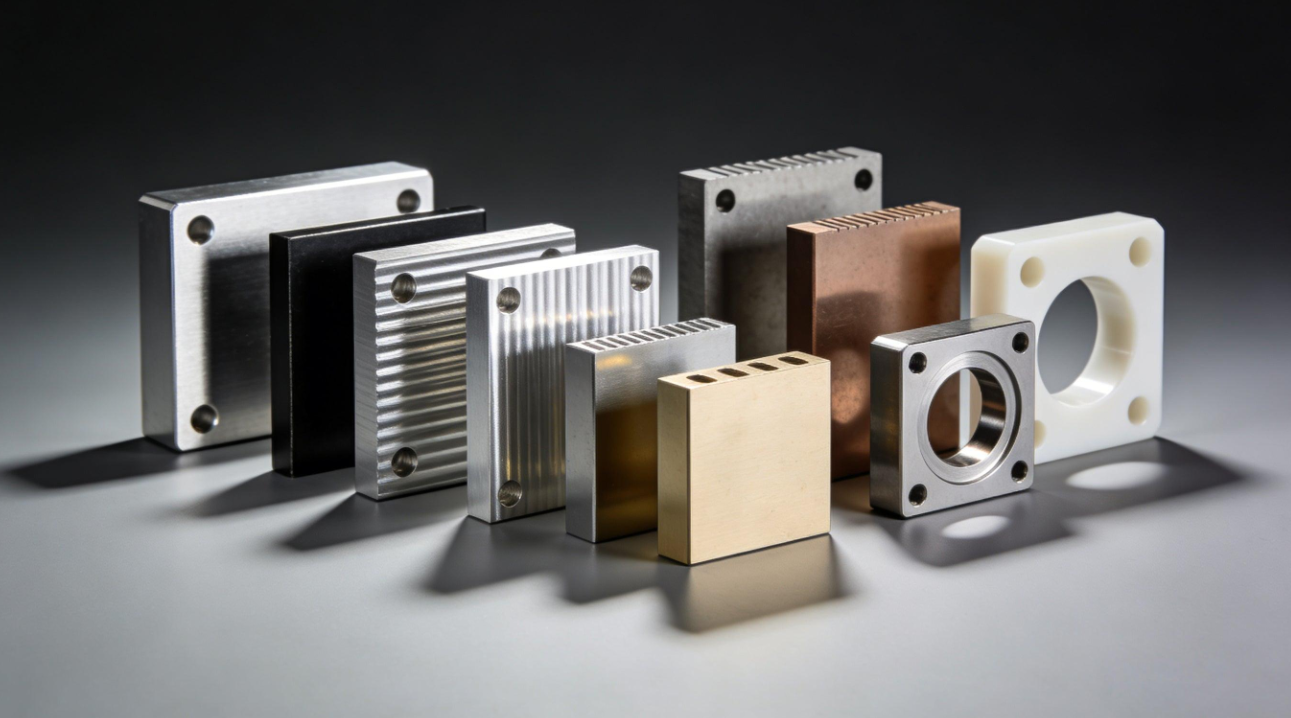
- Aluminum mounting plates.
- Steel brackets.
- Equipment housings.
- Machine bases.
- Precision fixtures.
- Custom tooling components.
- Mechanical supports.
Manufacturing Considerations
The cost of a milled part depends on several factors:
- Material.
- Part size.
- Geometry.
- Number of setups.
- Tool access.
- Tolerances.
- Surface finish.
- Quantity.
A simple plate with drilled holes may require a different production strategy from a thin-wall housing with deep pockets.
For small batches, reducing unnecessary setups and improving manufacturability can have a meaningful effect on unit cost.
Learn more about OSM’s CNC milling services and request a technical review for custom milled components.
5. CNC Turning for Low-Volume Components
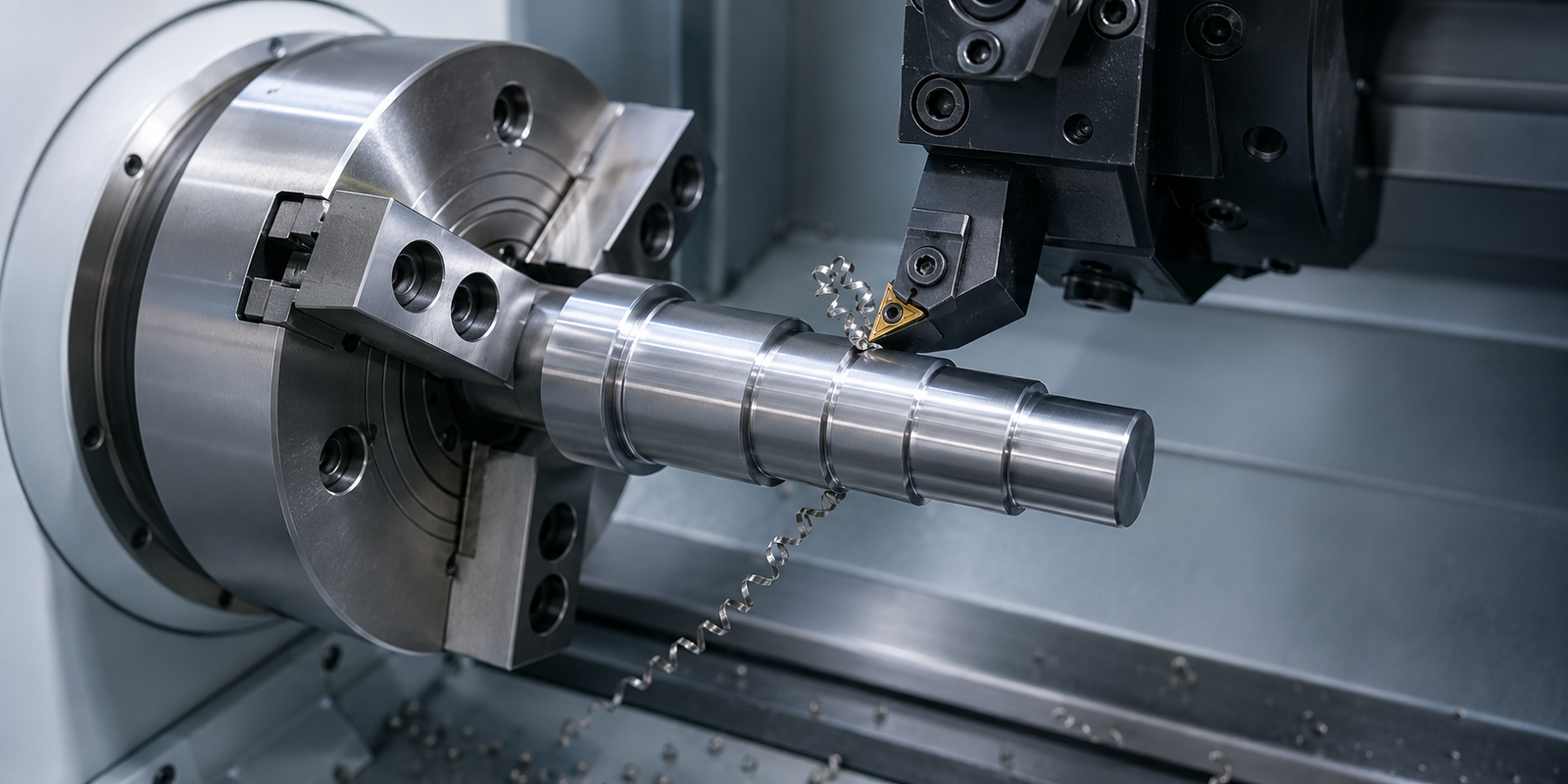
CNC turning is suitable for rotational parts such as:
- Shafts.
- Pins.
- Bushings.
- Sleeves.
- Threaded spacers.
- Cylindrical connectors.
- Custom mechanical fittings.
Low-volume turning projects may involve a combination of different diameters, lengths, materials, and tolerances.
Critical Turning Requirements
Buyers should specify:
- Diameter tolerances.
- Shaft lengths.
- Thread specifications.
- Surface finish.
- Runout requirements.
- Material grades.
- Inspection requirements.
For parts that will be assembled with bearings or other precision components, the functional dimensions should be clearly identified.
Combined Milling and Turning
Some rotational components also require milled flats, slots, or cross-holes.
These features may add setups or secondary machining operations.
A complete quotation should reflect the full manufacturing route rather than only the primary turning operation.
6. Understanding CNC Setup Costs
Setup cost is one of the most important factors in low-volume CNC machining.
Before manufacturing begins, the supplier may need to:
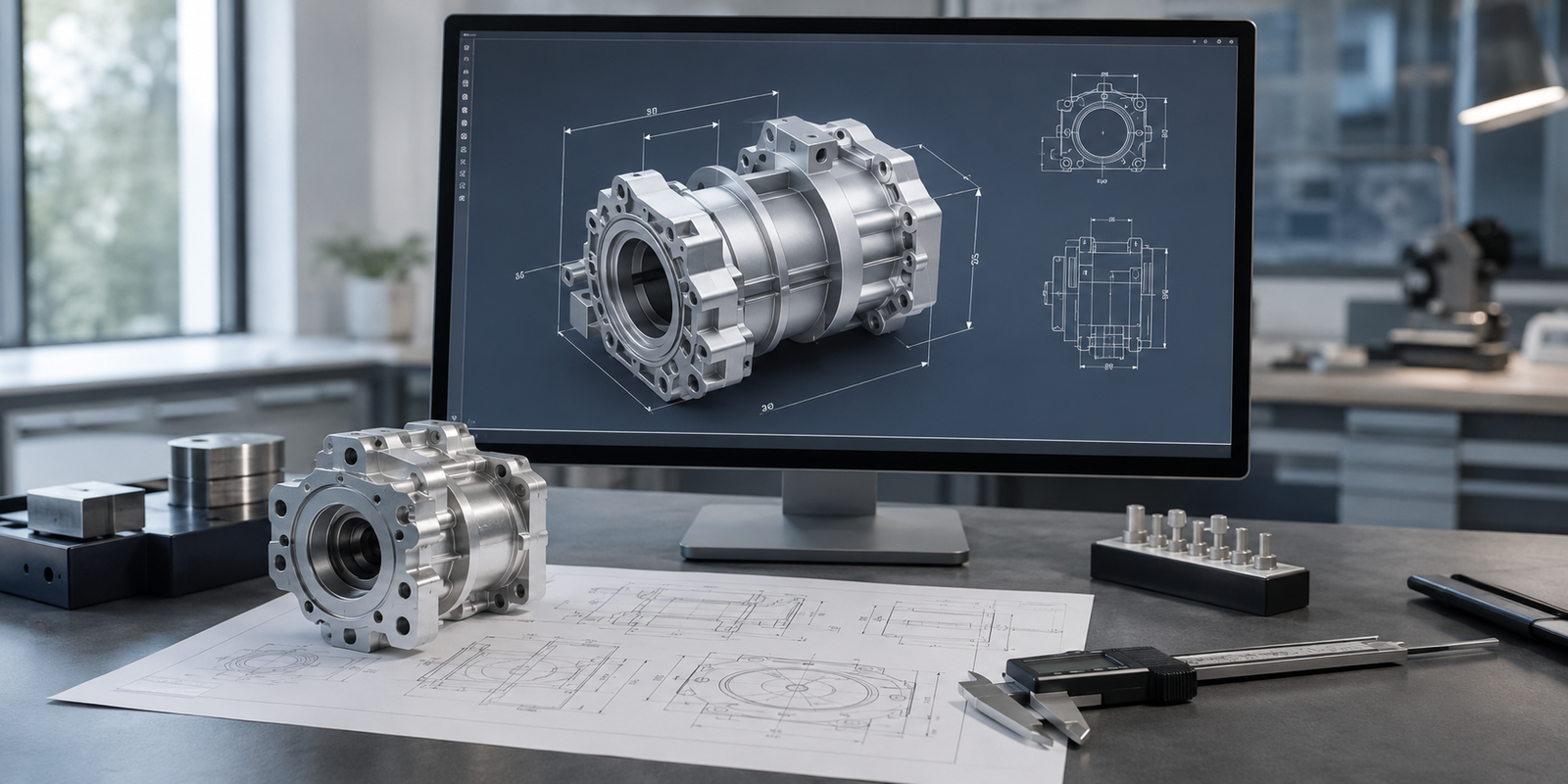
- Review technical drawings.
- Prepare CAM programs.
- Select cutting tools.
- Prepare workholding.
- Set machine offsets.
- Manufacture and inspect the first component.
Many of these activities are necessary regardless of whether the order contains five parts or fifty.
How Setup Costs Affect Unit Pricing
Consider a simplified example.
Suppose a project requires USD 200 in initial programming and setup work, and USD 20 in variable manufacturing cost per part.
For 10 parts:
- Setup allocation: USD 20 per part.
- Variable cost: USD 20 per part.
- Illustrative unit cost: USD 40.
For 50 parts:
- Setup allocation: USD 4 per part.
- Variable cost: USD 20 per part.
- Illustrative unit cost: USD 24.
These numbers are hypothetical and do not represent OSM pricing.
They simply demonstrate why order quantity can significantly affect the unit cost of small-batch machining.
Why Quantity Breaks Matter
Buyers may benefit from requesting prices for several quantities, such as 10, 25, 50, and 100 units.
This helps determine whether a slightly larger order provides meaningful savings.
However, a lower unit price should be balanced against inventory costs and actual demand.
7. Design for Manufacturability in Low-Volume Production
DFM, or Design for Manufacturability, is especially useful when the production quantity is limited.
Because setup costs are distributed across relatively few parts, design features that increase machining complexity can have a significant effect on pricing.
Common DFM Considerations
- Deep pockets.
- Small internal radii.
- Thin walls.
- Difficult-to-reach features.
- Excessively tight tolerances.
- Unusual threads.
- Multiple machining orientations.
- Unnecessary cosmetic requirements.
Example: Simplifying a Machined Pocket
A deep pocket with small internal corners may require long, small-diameter cutting tools.
If the design permits a larger internal corner radius, the supplier may be able to use a more practical cutting strategy.
Example: Reviewing Tolerances
A mounting bracket may need accurate locating holes but only general tolerances on nonfunctional outer edges.
Applying unnecessarily tight tolerances to all dimensions can increase machining and inspection time.
Any design changes should be reviewed and approved by the customer.
8. Material Selection for Small-Batch CNC Machining
Common materials used for custom CNC parts include:
- Aluminum 6061 and 7075.
- Carbon steel.
- Alloy steel.
- Stainless steel 304 and 316.
- Brass.
- Copper.
- Engineering plastics such as POM and PA.
Material choice affects more than raw material price.
It also influences tool wear, machining strategy, achievable surface finish, and the suitability of secondary processes.
Use Clear Material Specifications
Instead of specifying only “steel” or “aluminum,” provide the required grade and standard.
If material certificates are necessary, include that requirement in the RFQ.
Avoid Unapproved Substitutions
A lower-cost material is not necessarily suitable for the same mechanical loads, corrosion environment, or operating temperature.
Substitutions should only be made after technical review and customer approval.
9. Quality Inspection for Small-Batch Orders
Low production volume does not reduce the importance of quality control.
In some applications, even a small number of defective parts can interrupt equipment assembly or product testing.
Inspection activities may include:
- Material verification.
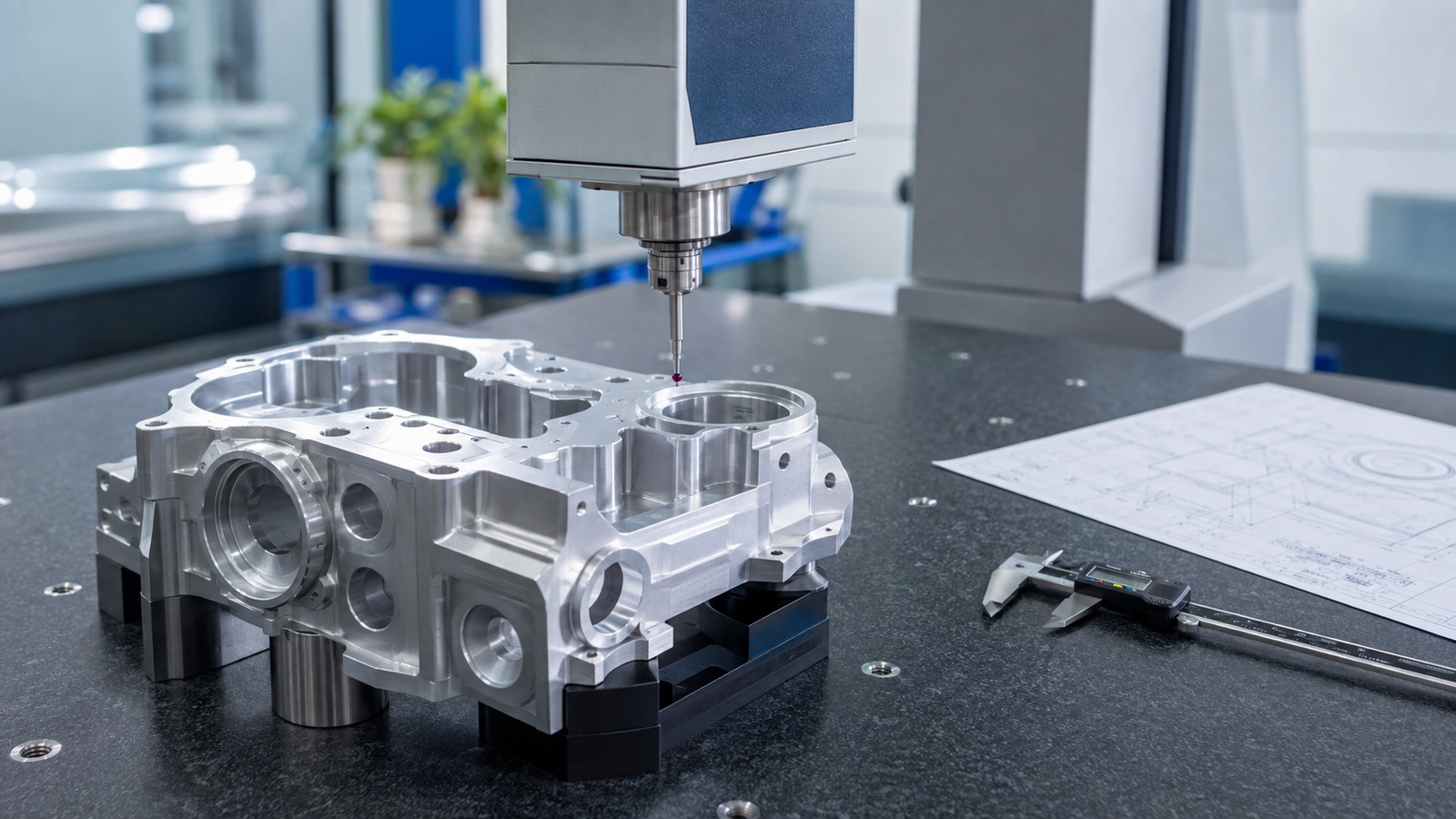
- Dimensional inspection.
- Thread checking.
- Visual inspection.
- Surface finish measurement when required.
- Fit checks.
- Project-specific inspection documentation.
Focus on Critical Dimensions
Important characteristics may include:
- Bearing fits.
- Locating holes.
- Shaft diameters.
- Mating surfaces.
- Sealing surfaces.
- Features affecting movement.
The drawing should identify these requirements clearly.
First Article Inspection
For a new part, First Article Inspection may be useful before continuing with the rest of the batch.
The scope of FAI and reporting requirements should be agreed during quotation.
Inspection Documentation
Some customers require dimensional reports or material certificates.
These documents should be specified in advance so the supplier can confirm their availability and any associated cost.
10. Prototype to Low-Volume Production
Low-volume CNC machining often follows a prototype development phase.
A typical process may include:
- Design and drawing review.
- Prototype manufacturing.
- Dimensional inspection.
- Fit and functional testing.
- Design revision.
- Approval of the production revision.
- Small-batch manufacturing.
Why Prototype Approval Matters
A prototype may reveal issues that are not obvious in a CAD model.
For example:
- Interference during assembly.
- Incorrect clearances.
- Insufficient tool access.
- Difficult fastener installation.
- Unintended mechanical movement.
Correcting these issues before batch production helps avoid repeating the same problem across multiple parts.
Maintain Revision Control
The approved prototype and the production batch should use clearly identified drawing revisions.
If the design changes, the supplier should confirm the effect on cost, lead time, and inspection requirements.
11. Managing Multi-Part Small-Batch Projects
A small-batch project may involve many different part numbers.
For example, a machine builder might require:
- 12 aluminum plates.
- 20 stainless steel shafts.
- 30 brass bushings.
- 16 steel brackets.
- 8 custom fixtures.
Each part number may have different manufacturing requirements.
Use a Bill of Materials
A BOM should include:
| Information | Purpose |
|---|---|
| Part number | Component identification |
| Drawing revision | Approved design |
| Material | Required specification |
| Quantity | Order volume |
| Surface finish | Finishing requirements |
| Inspection notes | Critical quality requirements |
Coordinate Related Manufacturing Processes
Some parts may need anodizing, plating, heat treatment, or assembly.
A primary supplier can help coordinate these activities according to the agreed scope.
For complex multi-part orders, this may reduce the administrative burden of working with several separate suppliers.
12. Repeat Orders and Production Consistency
A common advantage of low-volume CNC machining is the ability to reorder custom parts when needed.
Repeat orders may benefit from previously prepared:
- CAM programs.
- Setup instructions.
- Tool lists.
- Inspection plans.
- Approved drawings.
However, the supplier should still confirm current material availability, production capacity, and any drawing changes.
Repeatability Requires Process Control
Using the same CAD model does not automatically guarantee identical production results.
Consistent manufacturing depends on appropriate workholding, tooling, machining conditions, and inspection.
Forecasting Future Demand
If the buyer expects repeat orders, sharing an estimated annual quantity can help the supplier understand the project.
A forecast does not need to become a firm purchase commitment unless both parties agree.
13. Surface Finishing and Secondary Operations
Low-volume CNC parts may require:
- Anodizing.
- Zinc plating.
- Nickel plating.
- Heat treatment.
- Polishing.
- Mechanical assembly.
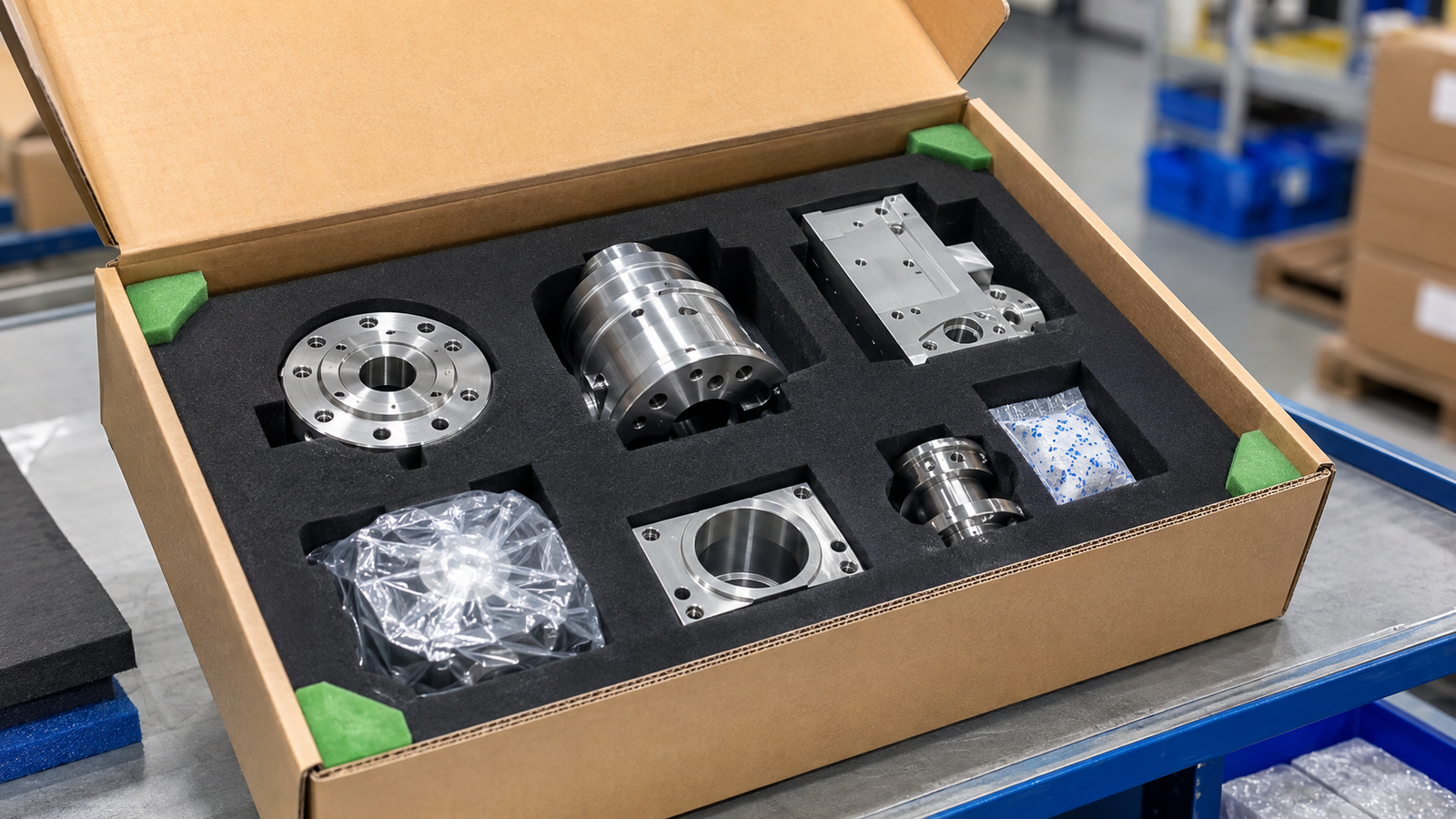
- Packaging.
These processes should be included in the RFQ.
Finishing and Dimensional Accuracy
Coating thickness or heat treatment can affect final dimensions.
The supplier should review whether critical dimensions are controlled before or after the secondary process.
External Process Coordination
Specialized operations may be performed by external partners.
The buyer should understand which processes are performed directly and which are coordinated outside the workshop.
14. Lead Time Planning for Small-Batch CNC Orders
Low-volume CNC machining lead time depends on more than machine runtime.
Factors may include:
- Drawing review.
- Material procurement.
- CAM programming.
- Setup and machining.
- Inspection.
- Surface finishing.
- Assembly.
- Packaging and shipment.
A simple component with available material may follow a different schedule from a complex part requiring special stock and finishing.
Avoid Assuming a Fixed Lead Time
A universal promise such as “all CNC parts delivered in seven days” does not reflect the variety of custom machining projects.
The supplier should confirm lead time based on the actual drawings and project requirements.
International Shipping
Buyers should distinguish manufacturing lead time from shipping time.
Shipping destination, Incoterms, packaging, and customs documentation can affect the overall delivery schedule.
15. How to Request a Low-Volume CNC Machining Quote
A complete RFQ helps suppliers provide a more accurate quotation.
Include the following information.
Engineering Files
- 2D PDF drawings.
- 3D STEP models.
- Drawing revisions.
- Assembly drawings when applicable.
Manufacturing Details
- Material grades.
- Quantity per part number.
- Critical tolerances.
- Surface finish requirements.
- Threads and special features.
- Secondary processes.
Quality and Delivery Requirements
- Inspection reports.
- Material certificates if required.
- Packaging instructions.
- Target delivery date.
- Shipping destination.
Request Multiple Quantity Options
If demand is uncertain, consider requesting prices for several quantities.
For example:
- 10 units.
- 25 units.
- 50 units.
- 100 units.
This allows buyers to compare unit cost and inventory requirements before ordering.
16. Why Consider OSM Vietnam for Low-Volume CNC Machining?
OSM Vietnam operates as a custom CNC machining workshop focused on project-based mechanical manufacturing.
Our approach is intended for customers who need technical communication and flexibility rather than a supplier focused exclusively on large-scale mass production.
Depending on the project, OSM can discuss:
- Custom CNC milling.
- CNC turning.
- Prototype machining.
- Engineering and DFM review.
- Multi-part project coordination.
- Surface finishing coordination.
- Dimensional inspection.
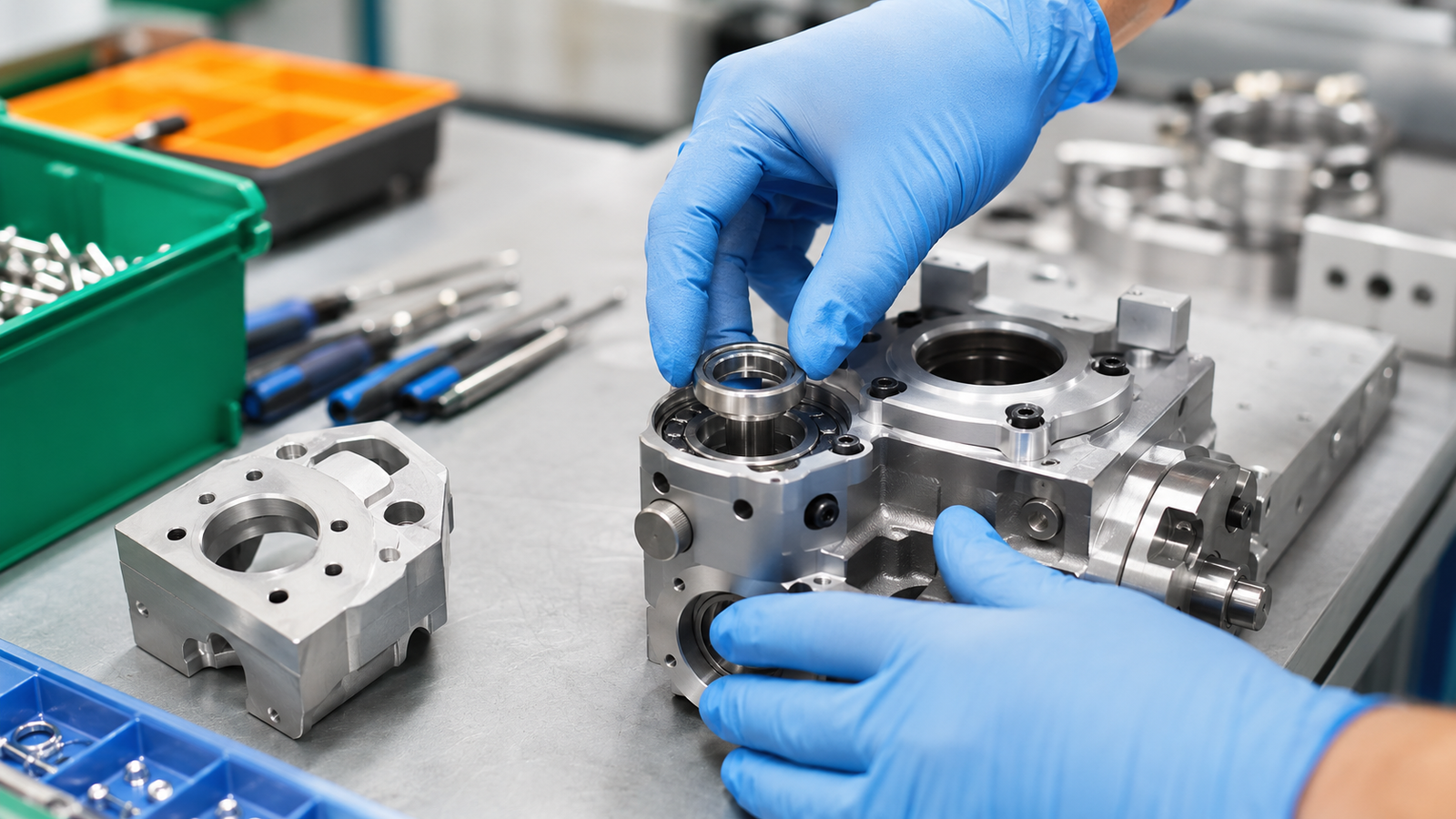
- Mechanical assembly and packaging.
For orders involving multiple part numbers or small-to-medium production batches, understanding the drawings and defining the manufacturing scope are particularly important.
OSM does not present itself as a large factory with unlimited production capacity.
We focus on evaluating projects according to their technical requirements and the workshop’s practical manufacturing capabilities.
17. Request a Quote for Small-Batch CNC Parts in Vietnam
If your company needs low-volume CNC machining in Vietnam, OSM welcomes inquiries for custom mechanical parts and small production batches.
Please send your drawings, STEP files, material specifications, quantities, tolerances, and delivery requirements.
If you are considering several order quantities, include them in the RFQ so the pricing structure can be reviewed.
Contact OSM Vietnam to discuss your low-volume CNC machining project.
Website: OSM Vietnam
Frequently Asked Questions
What is considered low-volume CNC machining?
There is no universal quantity threshold. It generally refers to smaller production batches where flexible manufacturing and setup efficiency are important.
Is low-volume CNC machining more expensive per part?
It can have a higher unit cost than larger production batches because programming and setup costs are distributed across fewer parts.
Can I order several different part numbers together?
Yes. Multi-part orders can be reviewed using a BOM and individual technical drawings.
Can CNC milling and turning be combined?
Yes, depending on the part geometry and supplier capabilities.
Can low-volume production follow prototype testing?
Yes. Prototype approval is a common step before moving into a small production batch.
Does OSM accept small-batch manufacturing projects?
OSM reviews small-batch and custom machining inquiries based on drawings, quantities, and technical requirements.
What files should I send for a quotation?
PDF drawings, STEP models, material specifications, quantities, tolerances, finishing requirements, and delivery information.