

Automation equipment manufacturers rely on mechanical components that must fit together accurately, operate consistently, and support the intended movement of a machine.
A custom automation system may contain aluminum mounting plates, steel brackets, precision shafts, bushings, locating pins, actuator supports, and various machined fixtures. Although these components may appear relatively simple individually, their dimensions and relationships can directly affect assembly, alignment, and equipment performance.
For machine builders and system integrators, sourcing these components can become challenging when a project includes many part numbers, different materials, tight delivery schedules, and design changes.
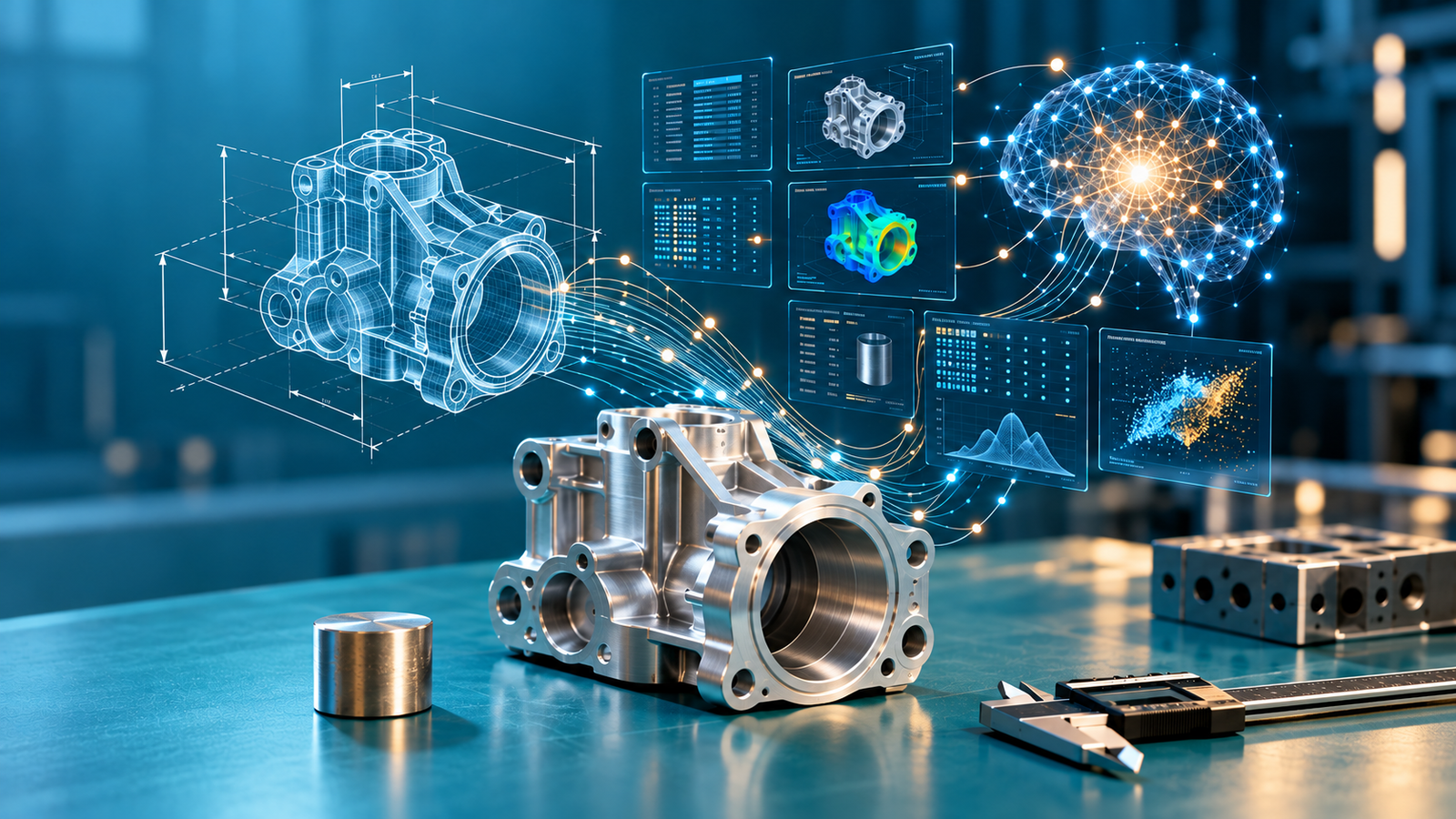
CNC machining for automation equipment provides a flexible manufacturing method for producing custom mechanical parts directly from engineering drawings and 3D CAD models.
OSM Vietnam operates as a custom CNC machining workshop supporting mechanical projects that require CNC milling, CNC turning, engineering communication, and coordination of related manufacturing activities.
This article explains the types of automation components produced through CNC machining, the technical requirements that matter, and how equipment manufacturers can organize their sourcing projects more effectively.
1. Why CNC Machining Is Important in Automation Equipment
Industrial automation systems combine mechanical, electrical, pneumatic, and control components.
While motors, sensors, cylinders, and controllers are often purchased as standard products, the mechanical structure connecting them is frequently customized.
Examples include:
- Machine frames and supports.
- Actuator mounting brackets.
- Sensor mounting plates.
- Linear motion components.
- Locating fixtures.
- Shaft and bearing supports.
- Mechanical stops.
- Custom tooling and grippers.
CNC machining allows these components to be manufactured according to specific dimensions and design requirements.
Supporting Custom Machine Designs
Unlike standardized consumer products, custom automation machines are often designed around a particular production process.
The geometry of the mechanical parts may depend on:
- Available installation space.
- Workpiece dimensions.
- Required machine movement.
- Actuator positioning.
- Assembly sequence.
- Maintenance access.
- Safety and guarding requirements.
As a result, custom machined parts play an important role in adapting standard mechanical and electrical components to the machine’s intended function.
2. Common CNC Machined Parts for Automation Systems
Automation equipment can contain a wide variety of machined components.
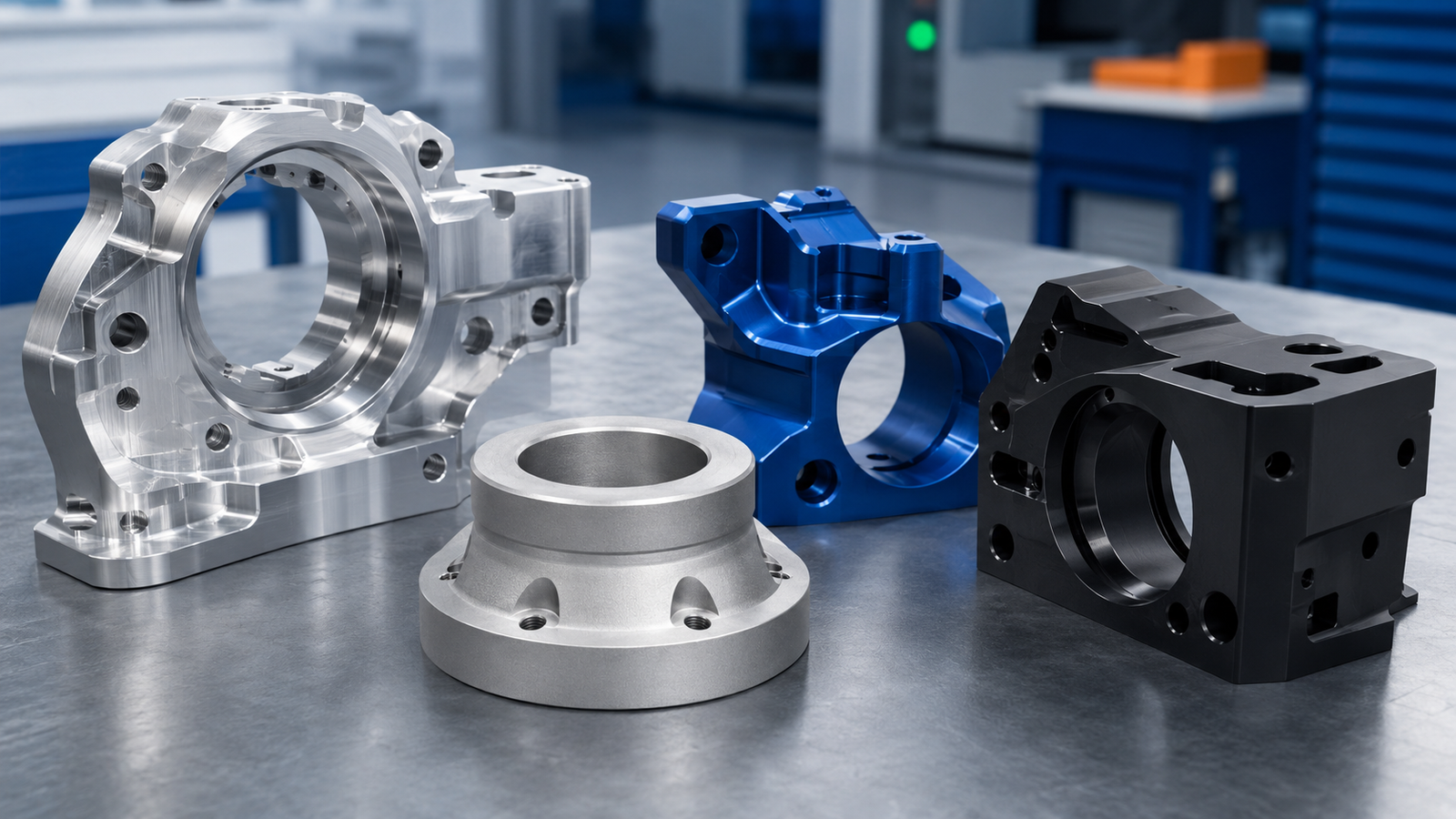
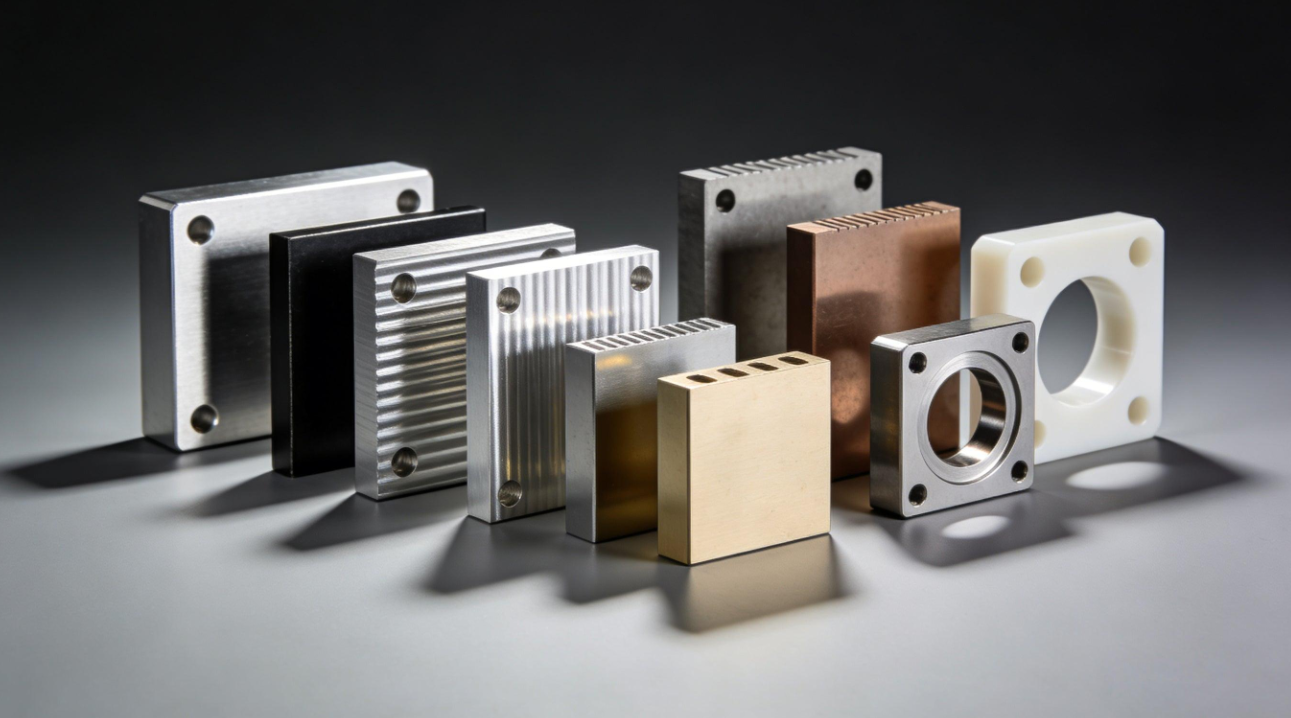
Aluminum Mounting Plates
Aluminum plates are frequently used to mount sensors, actuators, guide rails, and mechanical assemblies.
Important features may include hole positions, flatness, threaded holes, and mating surfaces.
Steel Brackets and Supports
Steel brackets may be selected where structural strength, stiffness, or wear resistance is important.
Their design may include milled surfaces, drilled holes, slots, and threaded features.
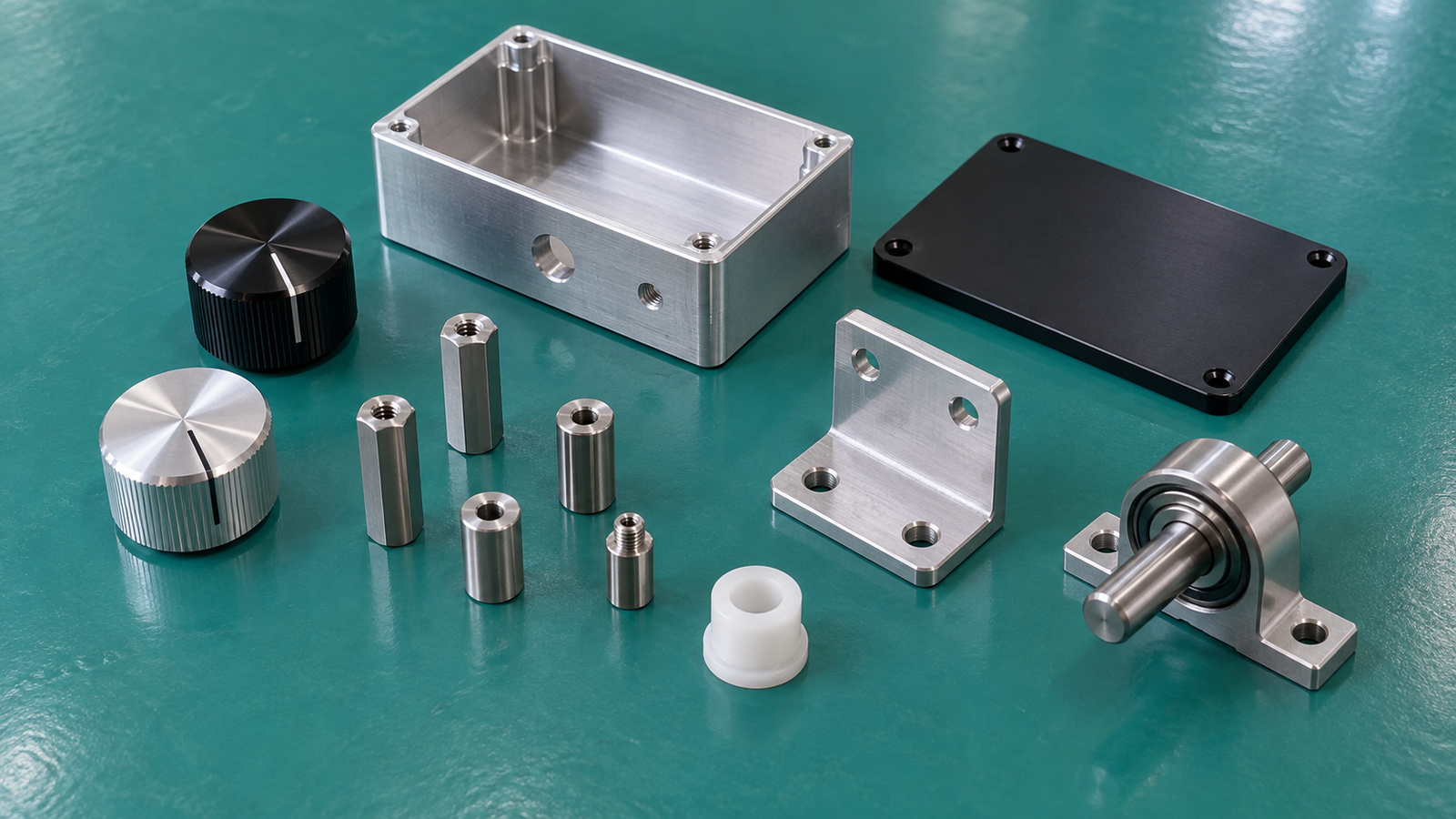
Shafts and Pins
Shafts and pins are used in rotating, locating, and sliding mechanisms.
Critical characteristics can include diameter tolerances, runout, and surface finish.
Bushings and Spacers
Bushings and spacers help position components, support motion, or maintain controlled distances between assembled parts.
Custom Fixtures
Fixtures are used to position, hold, or locate workpieces during manufacturing or inspection.
These components often require careful consideration of datum surfaces and repeatability.
Mechanical Gripper Components
Custom grippers may include jaws, pins, brackets, sliding elements, and other mechanical parts.
The manufacturing requirements depend on the gripping force, movement, contact surfaces, and intended operating conditions.
3. CNC Milling for Automation Machine Components
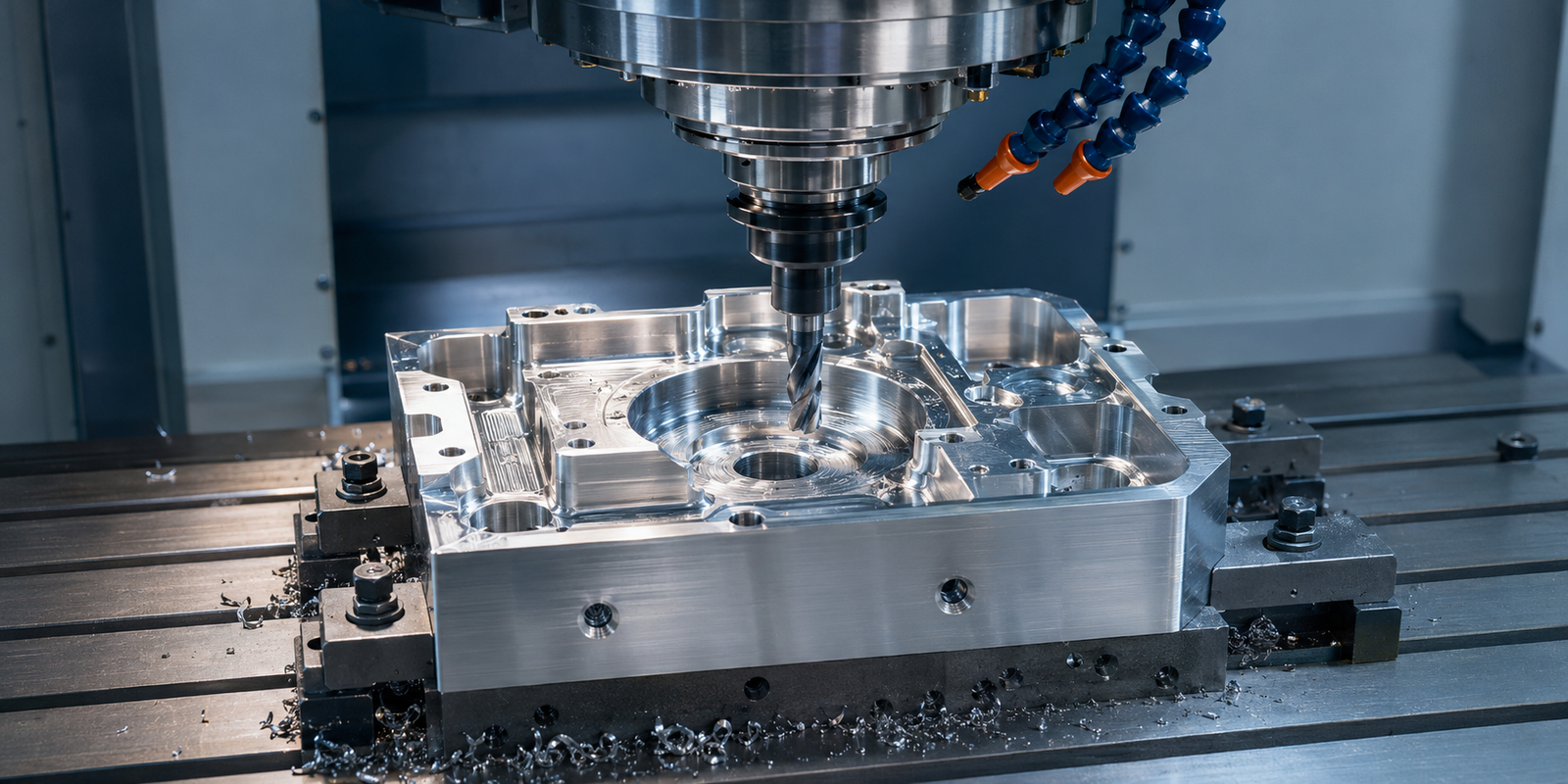
CNC milling is particularly suitable for automation parts with flat surfaces, pockets, slots, and complex machined features.
Common milled components include:
- Base plates.
- Mounting brackets.
- Sensor holders.
- Actuator supports.
- Machine housings.
- Custom fixtures.
- Gripper jaws.
- Equipment mounting blocks.
Important Milling Considerations
The machining approach depends on:
- Material.
- Part dimensions.
- Geometry.
- Number of setups.
- Tool accessibility.
- Tolerances.
- Surface finish.
For example, an aluminum actuator bracket may require accurate mounting-hole positions to maintain alignment with a linear guide.
However, not every external surface requires the same dimensional tolerance.
Identifying functional features helps establish an appropriate machining and inspection strategy.
4. CNC Turning for Shafts, Bushings and Pins
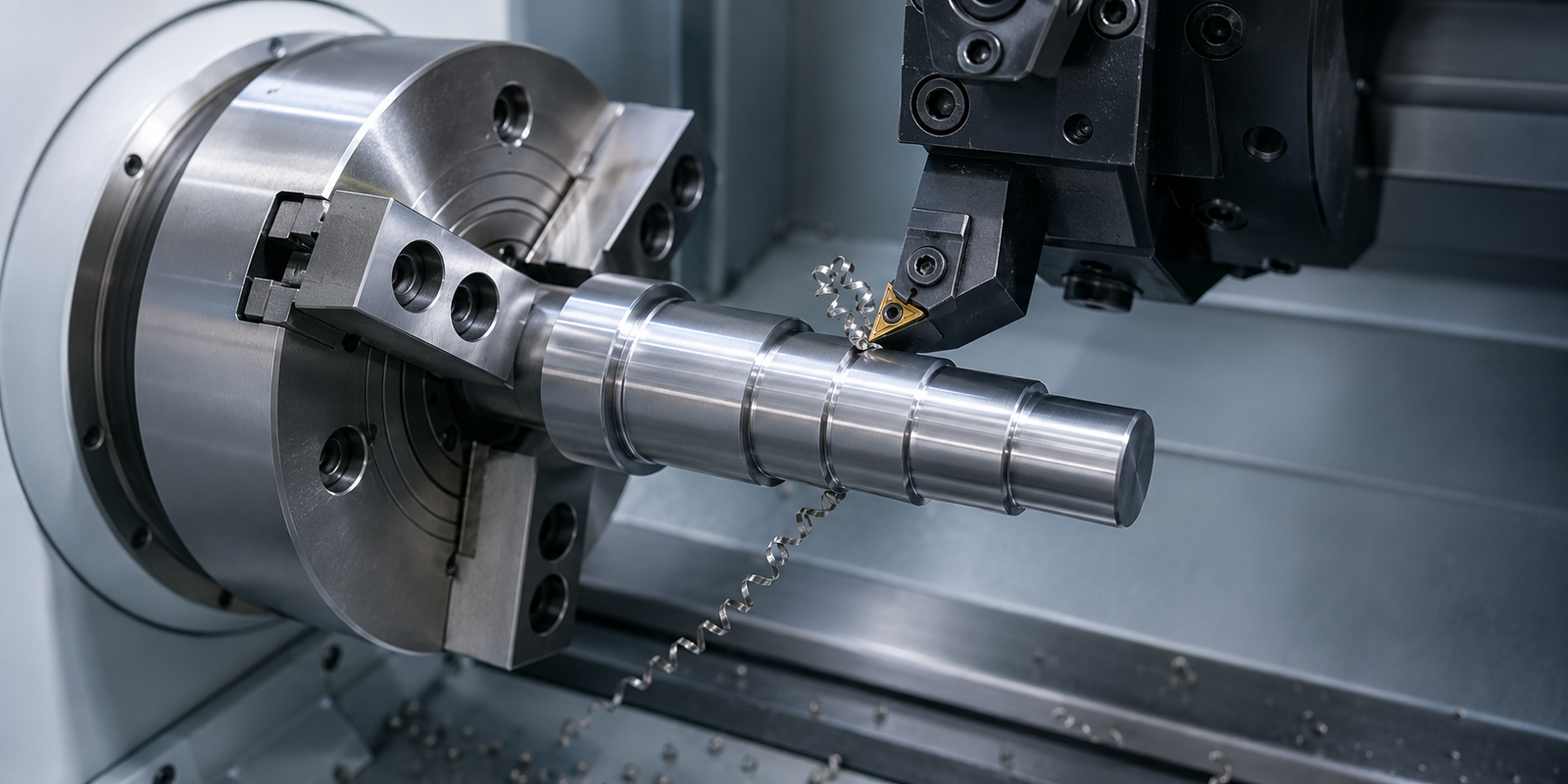
CNC turning is used for rotational components commonly found in automation systems.
Examples include:
- Drive shafts.
- Locating pins.
- Guide pins.
- Bushings.
- Sleeves.
- Threaded spacers.
- Cylindrical supports.
Shaft and Bearing Fits
A shaft used with a bearing may require specific diameter tolerances and surface finish.
The correct fit depends on the bearing arrangement, loading conditions, and intended function.
Threaded Components
Thread specifications should clearly identify the nominal diameter, pitch, and required thread length.
For blind threaded holes, the drawing should distinguish usable thread depth from drilled-hole depth.
Combined Machining Operations
Some shafts also require milled flats, keyways, or cross-holes.
These features may require additional machining operations.
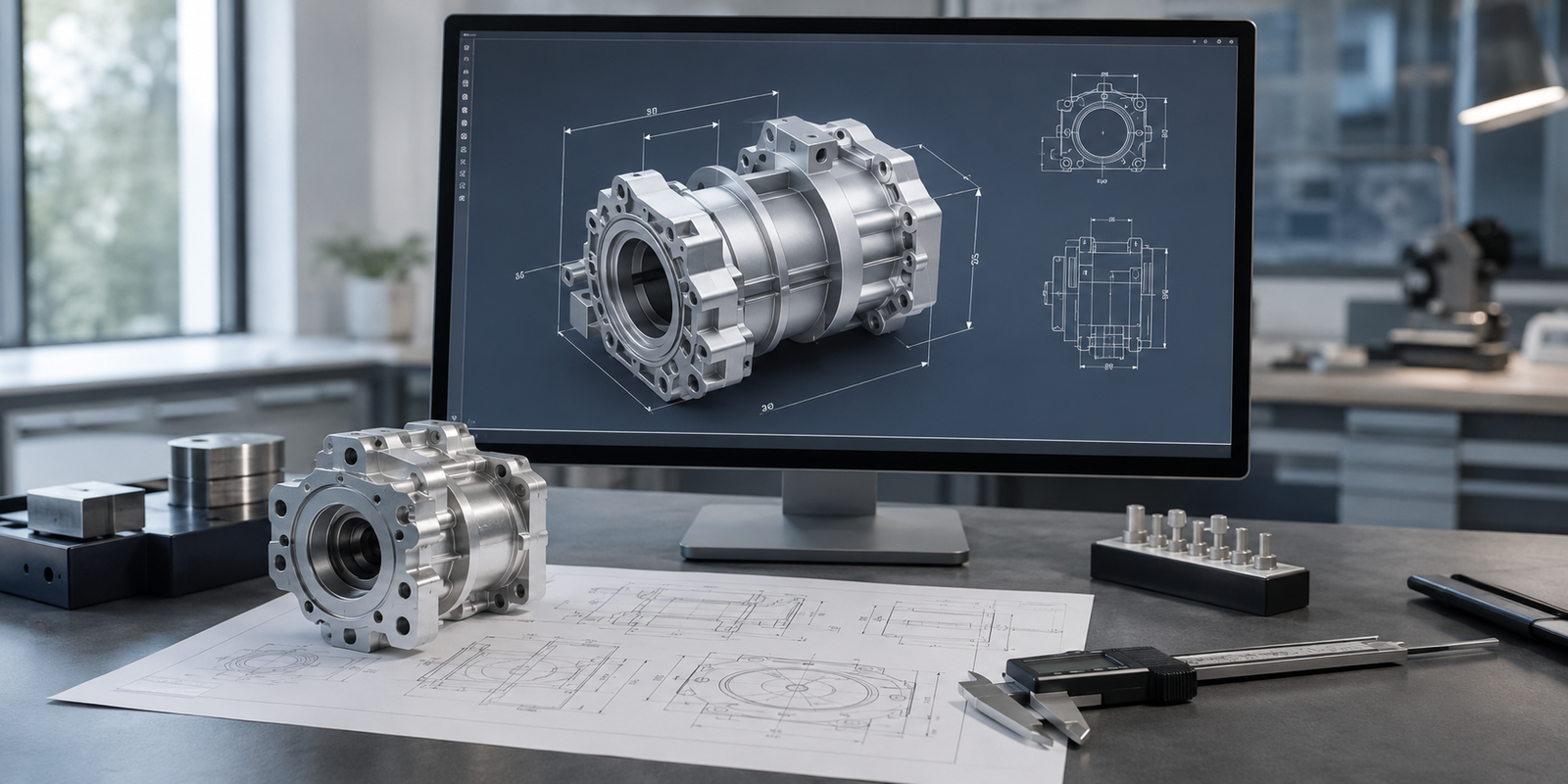
Buyers should provide both 2D drawings and STEP files so the complete manufacturing route can be evaluated.
5. Precision and Tolerances in Automation Equipment
Automation components often work together in assemblies where position and alignment matter.
However, precision should be defined according to function rather than applied uniformly to every dimension.
Functional Dimensions
Examples of important characteristics include:
- Locating-hole positions.
- Bearing seats.
- Shaft diameters.
- Guide-rail mounting surfaces.
- Actuator mounting interfaces.
- Mating faces.
- Features controlling mechanical travel.
Geometric Tolerances
Depending on the design, drawings may specify:
- Flatness.
- Parallelism.
- Perpendicularity.
- Position tolerance.
- Runout.
- Other geometric requirements.
These specifications help define how parts must relate to one another.
Avoiding Unnecessary Tight Tolerances
A bracket may need accurate locating holes while allowing general tolerances on noncritical outer edges.
Applying tight tolerances everywhere can increase machining and inspection costs without improving machine performance.
A functional tolerance review can help balance manufacturing cost and assembly requirements.
6. Design for Manufacturability for Automation Parts
Design for Manufacturability (DFM) helps evaluate whether a part can be produced efficiently using the intended manufacturing process.
For automation components, common DFM topics include:
- Internal corner radii.
- Deep pockets.
- Thin walls.
- Hole accessibility.
- Thread depth.
- Workholding.
- Material selection.
- Surface treatment allowances.
Example: Deep Pockets in Aluminum Components
A deep pocket with narrow internal corners may require long, small-diameter tools.
If the function permits larger corner radii, the machining strategy may become more practical.
Example: Thin-Wall Brackets
Thin sections can be sensitive to machining forces and workholding.
The supplier may need to consider the order of operations and the amount of material removed.
Engineering Change Approval
DFM suggestions should not be treated as permission to modify the customer’s design.
Any change affecting geometry, material, tolerance, or function must be approved before manufacturing.
7. Material Selection for Automation Equipment
Material choice depends on the operating conditions and function of each component.
Common options include:
Aluminum Alloys
Aluminum is frequently considered for mounting plates, brackets, housings, and other components where weight and machinability are relevant.
Carbon and Alloy Steels
Steel may be suitable for structural supports, shafts, and components requiring specific strength or wear characteristics.
Stainless Steel
Stainless steel may be selected where corrosion resistance or particular operating conditions are important.
Brass and Copper
Copper alloys may be used for selected bushings, connectors, or specialized mechanical components.
Engineering Plastics
Materials such as POM and PA may be used for guides, spacers, wear components, and other applications where their properties are suitable.
Specify Material Grades
Drawings should identify the required grade and any applicable standards.
Material substitutions must be technically reviewed and approved by the customer.
8. Multi-Part CNC Projects for Machine Builders
A custom machine can contain dozens of different machined parts.
For example, one automation assembly might require:
- 12 aluminum mounting plates.
- 8 steel brackets.
- 16 stainless steel shafts.
- 24 bushings.
- 10 locating blocks.
- Several custom gripper components.
Each part may require different manufacturing processes and inspection methods.
Use a Bill of Materials
A structured BOM should include:
| Information | Purpose |
|---|---|
| Part number | Unique identification |
| Revision | Approved drawing version |
| Material | Required grade |
| Quantity | Order quantity |
| Surface treatment | Finishing requirements |
| Inspection notes | Critical characteristics |
Managing Drawing Revisions
Automation equipment designs often change during development.
When a drawing revision changes, the supplier should confirm which version is approved for manufacturing.
If production has already started, the impact on cost and schedule should be reviewed.
9. Prototyping and Machine Development
New automation equipment frequently requires prototype components before the complete machine is approved.
A typical development sequence may involve:
- Reviewing CAD models.
- Manufacturing prototype components.
- Checking dimensions.
- Assembling the mechanism.
- Evaluating movement and fit.
- Revising the design.
- Approving the production revision.
- Manufacturing the required batch.
Why Prototype Testing Matters
A prototype can reveal issues that may not be obvious in CAD.
Examples include:
- Mechanical interference.
- Insufficient clearance.
- Incorrect actuator alignment.
- Difficult fastener access.
- Unexpected motion.
- Assembly problems.
These findings can guide engineering revisions before additional components are manufactured.
Prototype Requirements
Buyers should clarify whether prototype parts must use final production materials, tolerances, and surface treatments.
The answer depends on the purpose of the test.
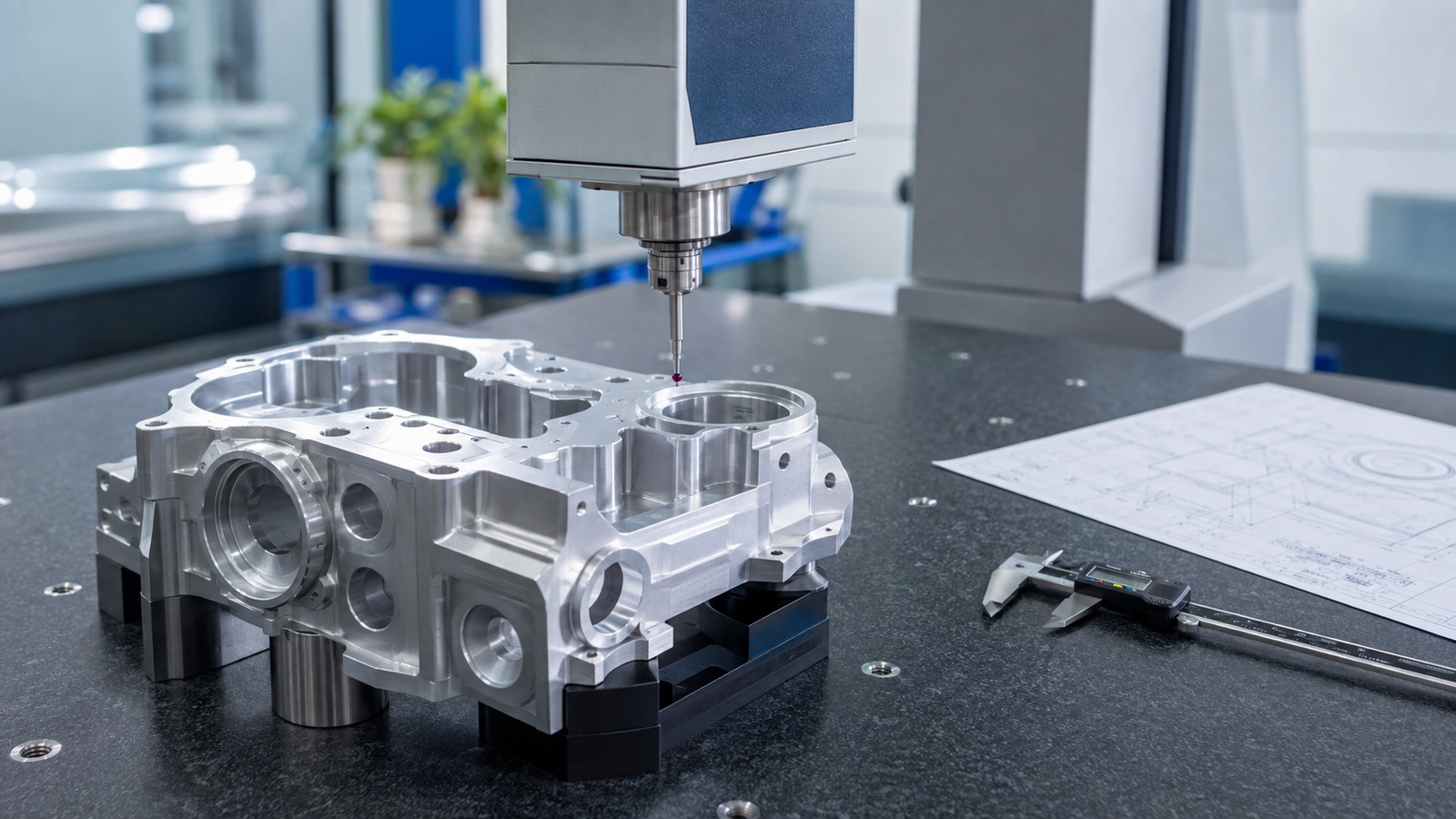
10. Quality Inspection for Automation Components
Quality inspection should focus on the characteristics that affect machine assembly and function.
Depending on the part, inspection may include:
- Material identification.
- Dimensional measurement.
- Thread checking.
- Surface finish measurement.
- Geometric tolerance verification.
- Visual inspection.
- Assembly fit checks.
Critical-to-Function Features
Examples include:
- Bearing seats.
- Locating holes.
- Mating surfaces.
- Shaft diameters.
- Guide-rail interfaces.
- Sealing surfaces.
- Travel-limiting features.
First Article Inspection
For a new part or revised design, First Article Inspection can help confirm that the initial manufactured component meets the agreed requirements.
The extent of inspection should be specified in the RFQ.
Inspection Documentation
If the customer requires dimensional reports, material certificates, or other records, these requirements should be agreed before production.
11. Surface Finishing for Automation Parts
Automation equipment components may require secondary processes such as:
- Aluminum anodizing.
- Zinc plating.
- Nickel plating.
- Heat treatment.
- Polishing.
- Other specified finishes.
The appropriate treatment depends on the material and application.
Dimensional Considerations
Coatings may affect final dimensions.
For parts with close-fitting surfaces, the drawing should define whether dimensions apply before or after finishing.
Specialized Process Coordination
Some secondary processes may be coordinated with external providers.
Buyers should confirm which activities are included in the supplier’s quotation.
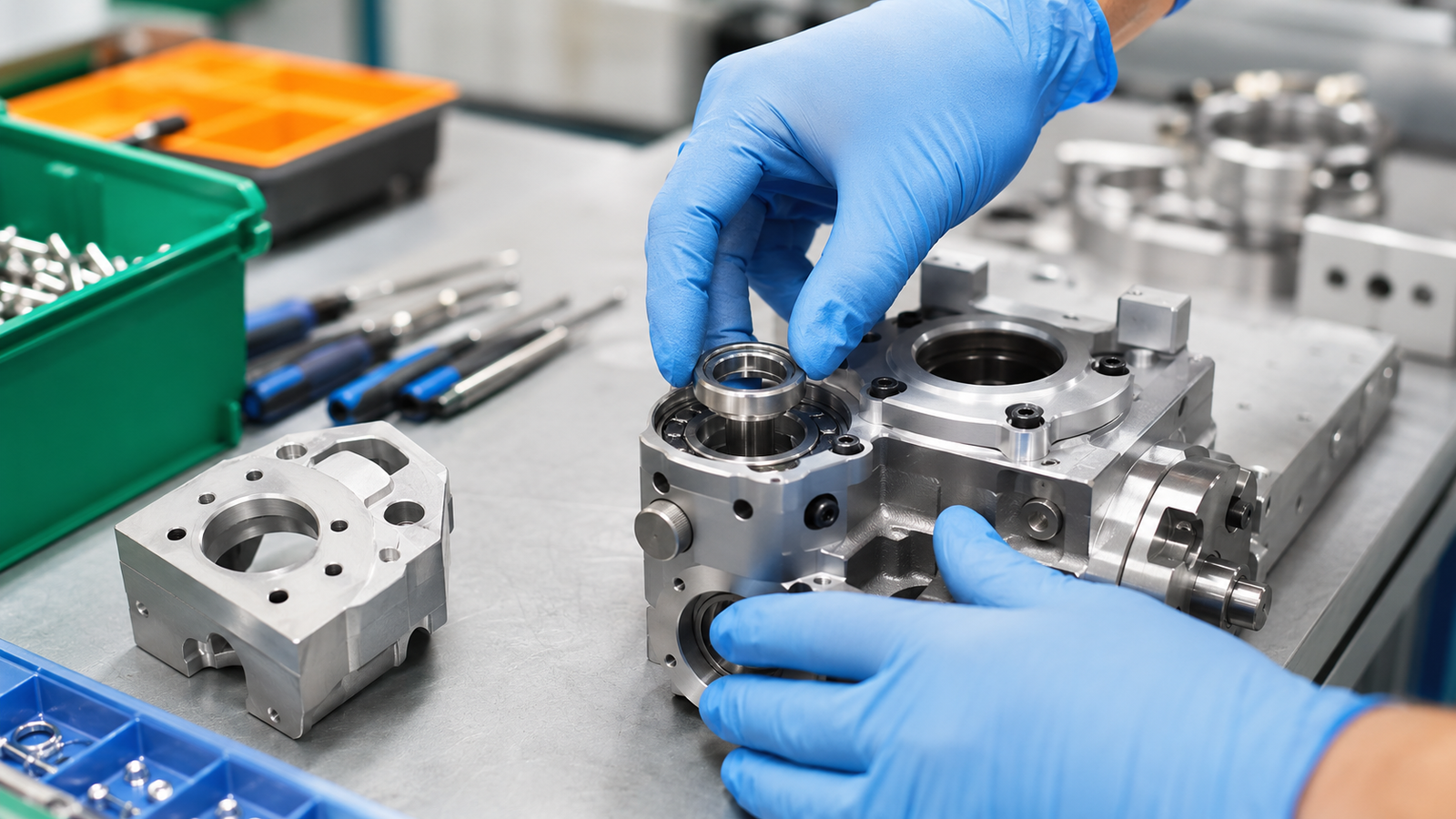
12. Mechanical Assembly and Functional Testing
Some machine builders prefer to receive assembled mechanical subassemblies rather than individual parts.
Examples include:
- Clamping mechanisms.
- Sliding assemblies.
- Bearing supports.
- Mechanical grippers.
- Adjustable fixtures.
These assemblies may combine machined parts with purchased components such as springs, bearings, fasteners, and pins.
Define the Assembly Scope
Buyers should provide:
- Assembly drawings.
- BOM.
- Standard component specifications.
- Assembly instructions when necessary.
- Functional acceptance criteria.
Functional Testing
Depending on the mechanism, testing may include:
- Movement.
- Alignment.
- Travel.
- Locking.
- Spring action.
- Fit and clearance.
The required tests should be defined before quotation.
13. Lead Time Planning for Automation Projects
Automation equipment projects often have deadlines linked to machine assembly, installation, or customer acceptance.
The manufacturing schedule may depend on:
- Material availability.
- Programming.
- CNC machining.
- Inspection.
- Surface finishing.
- Purchased components.
- Assembly.
- Packaging.
- Shipping.
Identify Critical Components
Some components may be required before other assembly work can proceed.
Identifying these parts early helps establish realistic priorities.
Engineering Changes and Delivery
Late drawing changes may affect machining programs, inspection plans, and delivery dates.
Clear communication is essential when schedules are tight.
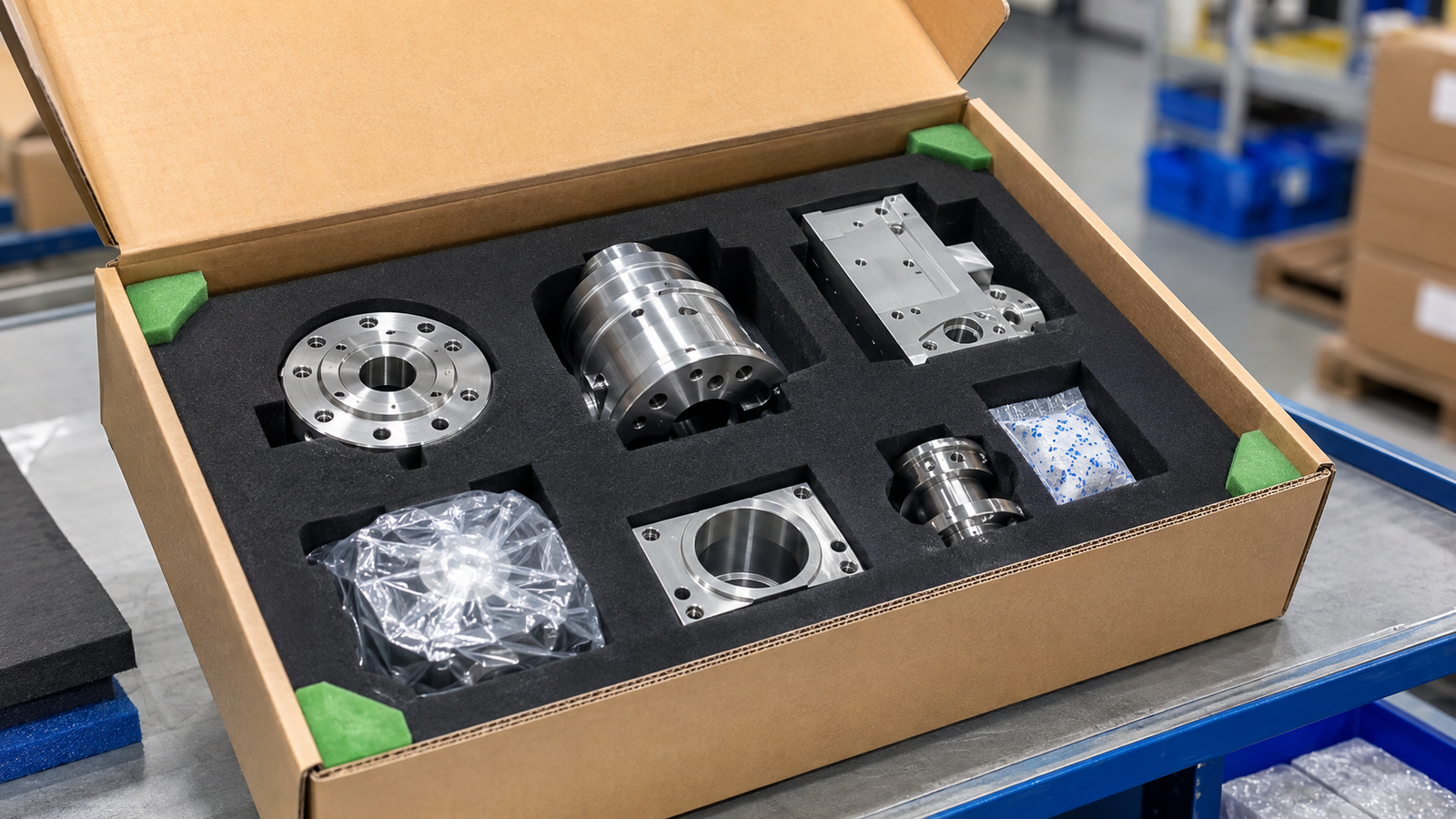
14. Packaging and International Shipping
Machined automation components may contain precision surfaces that require protection during transportation.
A packaging plan can include:
- Individual part identification.
- Protective wrapping.
- Separation of different part numbers.
- Corrosion protection when appropriate.
- Packing lists.
- Shipment documentation.
For international deliveries, buyers should agree on the shipping destination and applicable Incoterms.
Manufacturing lead time and transportation time should be considered separately.
15. How to Request a CNC Machining Quote for Automation Equipment
A complete RFQ helps suppliers understand the project.
Technical Documents
Provide:
- 2D PDF drawings.
- 3D STEP models.
- Assembly drawings.
- BOM.
- Drawing revisions.
Manufacturing Requirements
Specify:
- Material grades.
- Quantities.
- Critical tolerances.
- Surface finishes.
- Heat treatment or coating.
- Inspection requirements.
Project Requirements
Clarify:
- Prototype or production status.
- Assembly requirements.
- Functional testing.
- Target delivery date.
- Shipping destination.
For projects involving many part numbers, a clear BOM and consistent drawing revisions can significantly improve communication.
16. Why Consider OSM Vietnam for Automation Equipment Parts?
OSM Vietnam operates as a custom CNC machining workshop focused on mechanical components and engineering communication.
Our approach is intended for machine builders, equipment manufacturers, and system integrators who need custom parts manufactured according to technical drawings.
Depending on the project, OSM can discuss:
- CNC milling.
- CNC turning.
- Prototype machining.
- DFM review.
- Multi-part project coordination.
- Surface finishing coordination.
- Dimensional inspection.
- Mechanical assembly and packaging.
We do not present OSM as a large-scale automation machine factory.
Our focus is the manufacture and coordination of mechanical components for customer-designed equipment.
For projects involving multiple part numbers and small-to-medium batches, this workshop-based approach may provide a practical sourcing option.
17. Request a Quote for Custom Automation Equipment Parts
If your company is looking for CNC machining for automation equipment in Vietnam, OSM welcomes inquiries for custom mechanical components.
Please send your PDF drawings, STEP models, BOM, material specifications, quantities, tolerances, and delivery requirements.
If your project includes prototypes, assembly, or secondary processes, describe these requirements in the RFQ.
Contact OSM Vietnam to discuss CNC machining for your automation equipment project.
Website: OSM Vietnam
Frequently Asked Questions
What automation equipment parts can be CNC machined?
Common examples include mounting plates, brackets, shafts, bushings, fixtures, actuator supports, and mechanical gripper components.
Is CNC machining suitable for custom automation machines?
Yes. CNC machining is widely used for producing custom mechanical parts according to engineering drawings.
Can milling and turning be used in the same automation project?
Yes, depending on the part geometries and manufacturing requirements.
What tolerances are needed for automation components?
Tolerances should be based on function, particularly at bearing fits, locating holes, mating surfaces, and other critical features.
Can automation components be produced in small batches?
Yes. Small-batch manufacturing is common for custom equipment and project-based machine building.
Can OSM support mechanical assembly?
OSM reviews mechanical assembly requirements according to the drawings, BOM, and agreed project scope.
What should I send for a quotation?
Provide PDF drawings, STEP models, material grades, quantities, tolerances, surface finishing requirements, and delivery details.